
Jim Redford, protector of Biscayne Bay and former Miami-Dade commissioner, dies
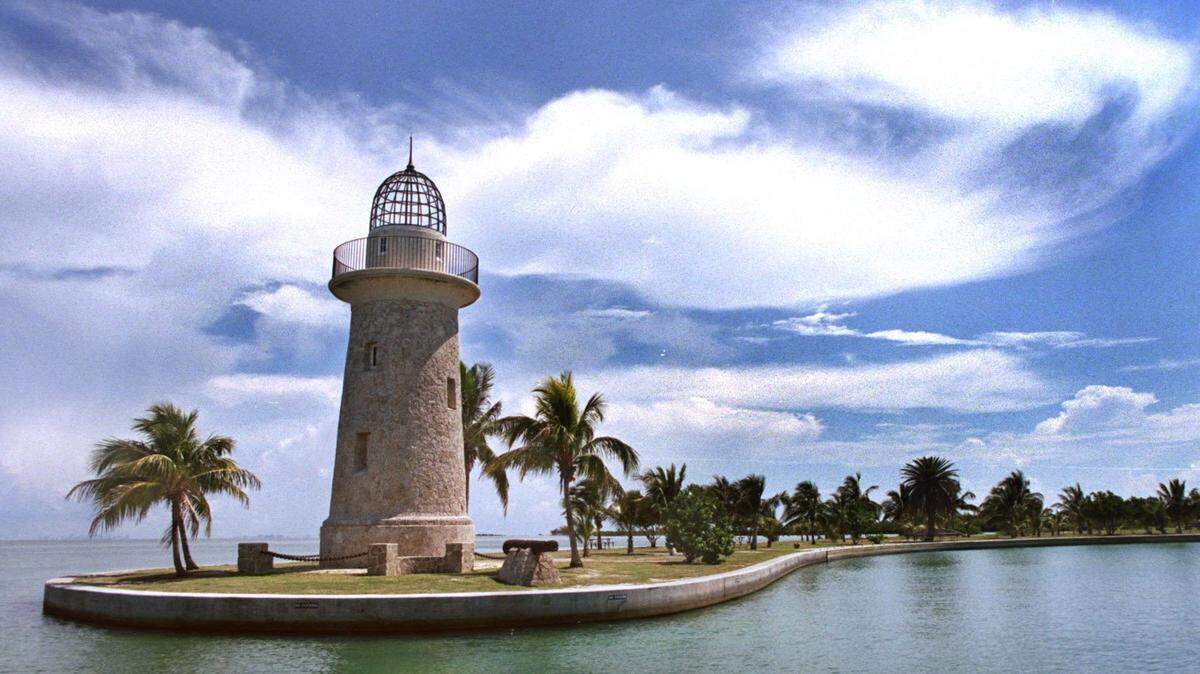
Now it seems improbable: an oil refinery in Biscayne Bay.
But at the time Jim Redford and a determined band of environmentalists waged a battle to stop the project during booming 1960s Florida, what seemed more impossible was turning the pristine bay into a national park, protected for generations to come.
Redford, who would later become a Miami-Dade county commissioner for 14 years from 1974 to 1988, went on to fight environmental foes big and small, from developers intent on dumping sewage offshore to a Pepsi bottling plant. Last Wednesday, he died in his sleep at the Coconut Grove home where he’d lived for 58 years. He was 97.
“They worked together on the battle so the bay didn’t get to be another Miami Beach,” said Dottie Miller, whose husband Lloyd, now 98 and unable to comment, is the last in the gang that helped create the park, including, among others, reporter Juanita Greene, who died in September, and former Interior Department assistant secretary Nathaniel Reed, who died in July.
“They were major players,” said Redford’s son, Matthew. “They got a national park established through grass roots and they were able to bring a lot of very conservative Republicans into the game.”
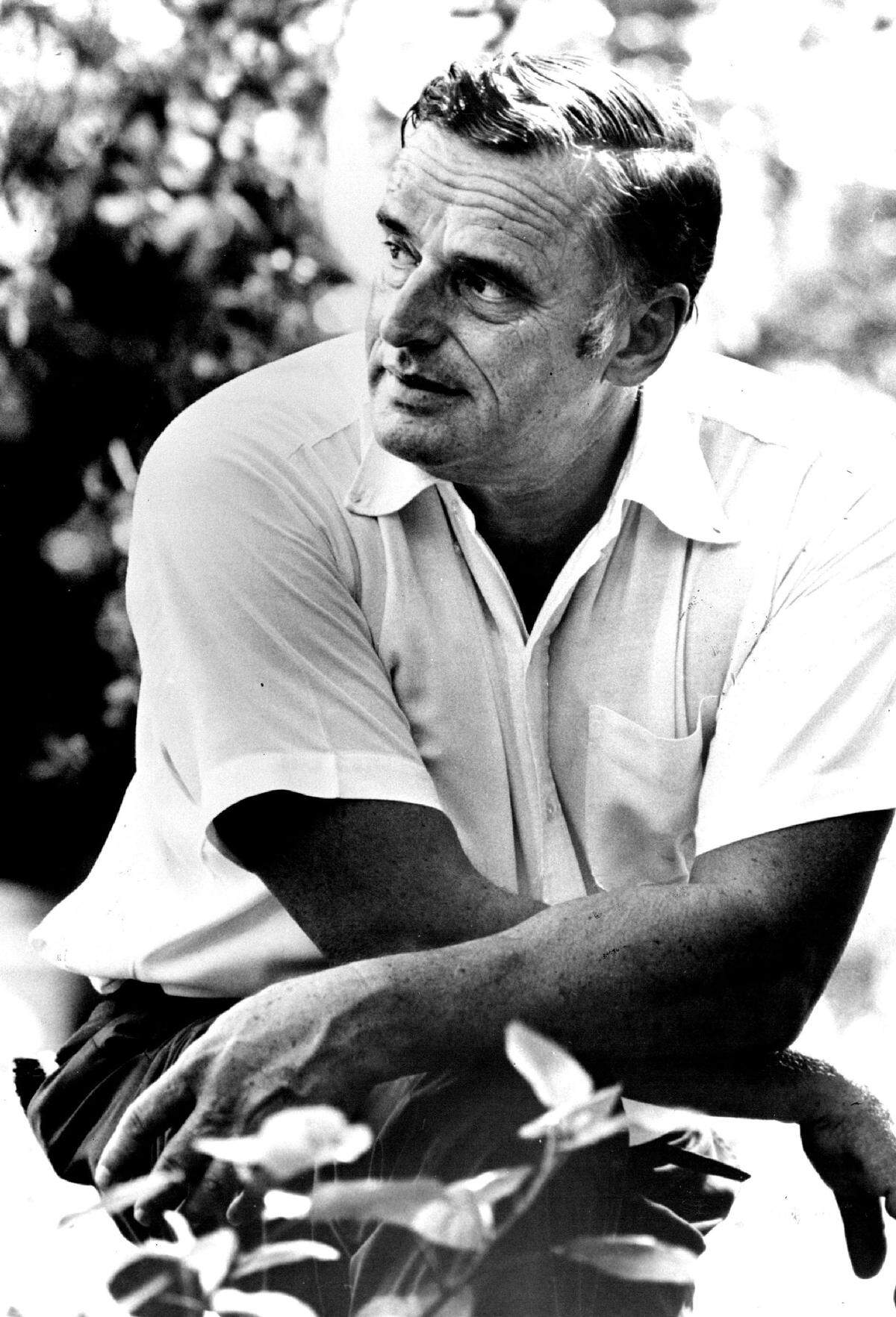
Born in Haverhill, Mass., Redford was one of South Florida’s early colorful characters who helped define the region for years to come. He was a wine connoisseur who owned Burger Kings, a government bond expert who collected antique dueling pistols, and a devout conservationist.
“Do you know why [renowned sculptor] Claes Oldenburg came to Miami, and why Art in Public Places commissioned him?” said Eston “Dusty” Melton, a former Miami Herald reporter who covered part of Redford’s stint on the county commission. “He was Jim Redford’s college roommate.”
Redford’s ties to the sea started early. He attended a high school naval academy in New Jersey before joining the U.S. Merchant Marines at the start of World War II. According to a hand-typed resume found in Miami Herald archives, Redford said he remained at sea continuously between 1939 and 1946, coming ashore only briefly to study for his Third Mate’s license.
During one voyage on the treacherous Murmansk Run to deliver supplies to Russia, Redford’s ship was torpedoed and he was tossed into frigid waters, he later told Robert Skinner, a board member at Tropical Audubon.
“He was in the water about four minutes before they rescued him and the waters in Northern Europe are very cold,” Skinner said. “They got him out just in time.”
After leaving the military, he enrolled in journalism school at the University of Missouri and eventually became a general assignment reporter for the Sun Times in Chicago, where he met his future wife, Polly, the daughter of Laurens Hammond, an engineer who invented the electric organ.
Unhappy with the society scene, Matthew Redford said his parents bought a sailboat and decided to sail the St. Lawrence Seaway from Lake Michigan to Boston, where they purchased an oceangoing boat and headed south. Following a winter aboard the boat in Fort Lauderdale, Redford wrote in his resume, they settled in Coconut Grove in a house a block from Biscayne Bay where they were soon drawn into the deepening divide over the bay’s future.
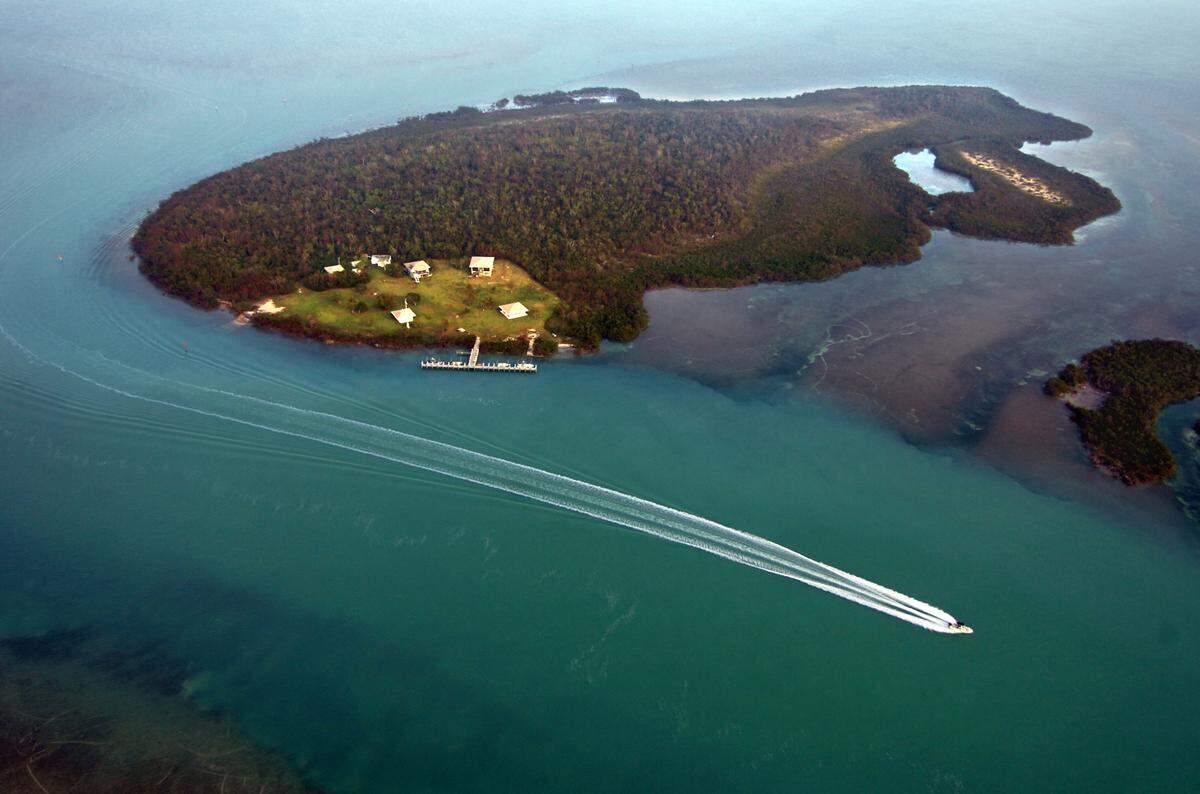
At the time, South Florida was beginning to shake off its swampy, mosquito-infested roots. Air-conditioning had opened the door to development and the bay offered a postcard perfect view. In 1961, a group of landowners created the city of Islandia out of a string of small islands in the Upper Keys, including Elliott, Totten and the Ragged Keys. A year later, plans were unveiled for Seadade, an industrial port that called for a 40-foot-deep channel carved through the shallow bay.
Redford joined a grassroots effort to protect the bay, getting growing coverage in the Miami Herald by Greene, who was then a reporter for the paper.
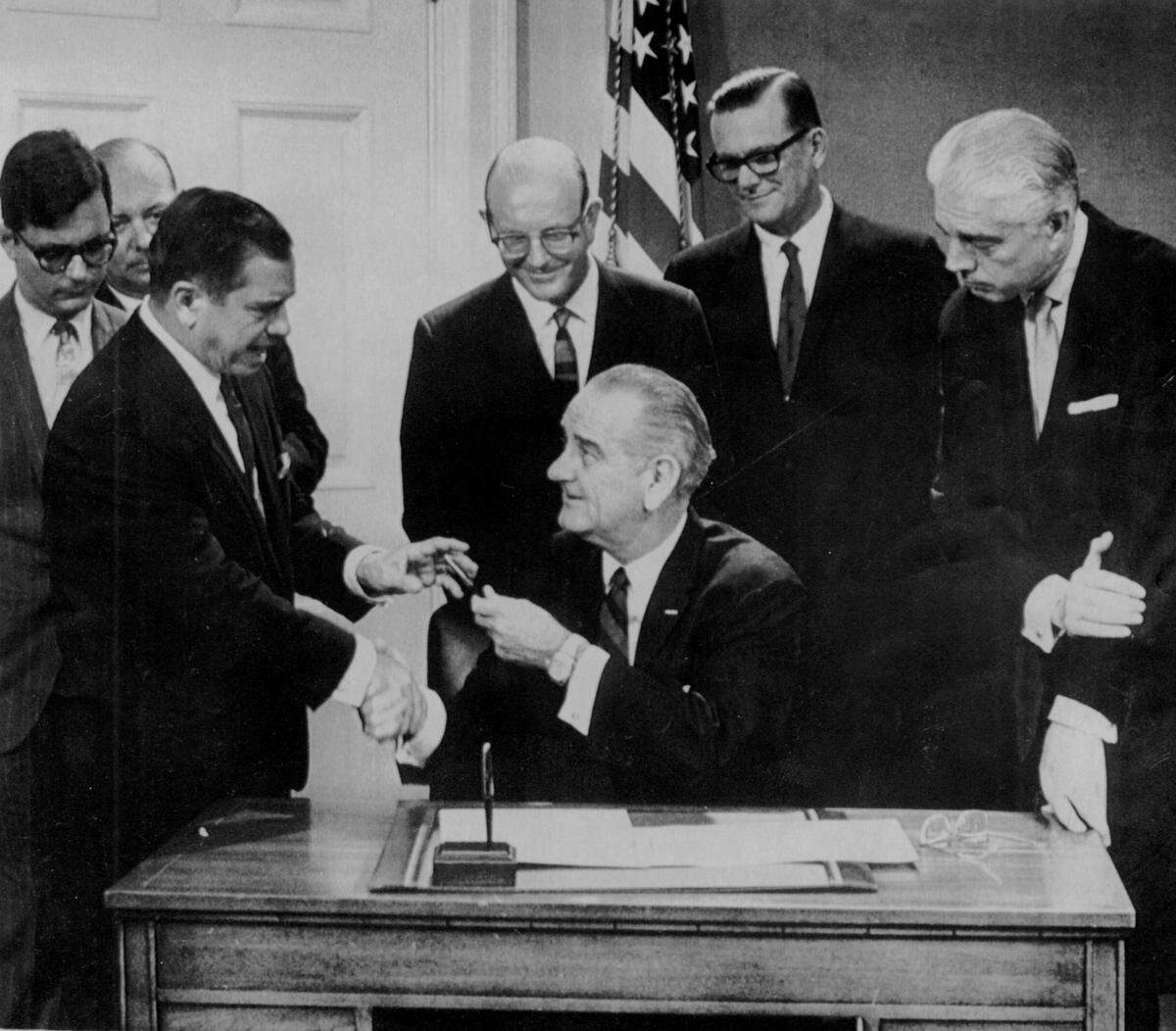
“When the threat of the refinery faded, we pushed with [U.S. Congressman] Dante Fascell, [vacuum cleaner magnate] Herbert Hoover and others for the Biscayne National Monument,” Redford wrote. In 1968, President Lyndon Johnson signed legislation creating the monument, which was expanded and designated a national park in 1980.
“The net result of these people’s efforts is the treasures we have now in South Dade,” Skinner said. “All these islands and mangrove forests.”
During much of the effort, Polly Redford was battling breast cancer diagnosed in 1963. An accomplished author who had appeared in Harper’s, the Atlantic and Gourmet, she also wrote Billion-Dollar Sandbar about Miami Beach, which is ranked among South Florida’s defining books. She also published The Christmas Bower with famed artist and illustrator Edward Gorey before her death in 1972.
“That was a tough one,” said Matthew Redford, who was 14 when his mother died. “She died soon after the park was established, so he had time on his hands.”
Redford went on to work with Hoover to block Florida Power & Light from dumping hot water from its Turkey Point power plant in Biscayne Bay — which led to the creation of cooling canals Skinner said were initially intended to be a short-term fix — and stop sewage from being dumped into Miami-Dade waters. He also served on the state’s pollution control board, but was removed by the governor after arguing for money for Dade County.
“Jim did not often speak during county commission meetings, but when he did, everyone in the room paid very close attention,” Melton said. “Jim spoke about things when he was knowledgeable about the subject matter and his colleagues and the administration and the audience knew that he always got his facts straight.”
Among his lesser known accomplishments, Matthew Redford said, was securing funding for the county purchase and preservation of the Deering Estate.
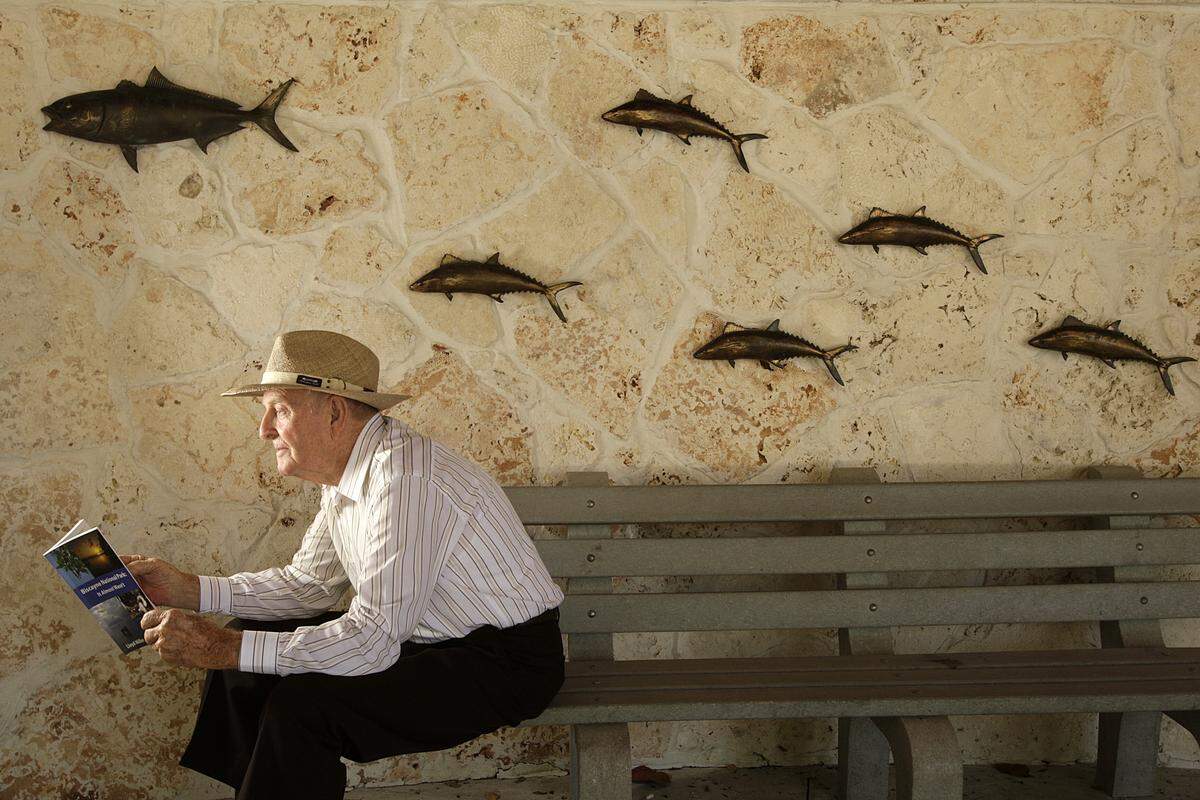
“He really loved that place and by a series, I don’t even know the details, but a series of wild manipulations of bonding, he was able to get bonds for the county to buy it,” he said. “He never took any credit. There’s not a plaque or a park bench [with his name]. I asked him why he did it and he said because I thought it was a good idea. I didn’t do it for recognition. I did it because I wanted people to be able to go there 50 years from now.”
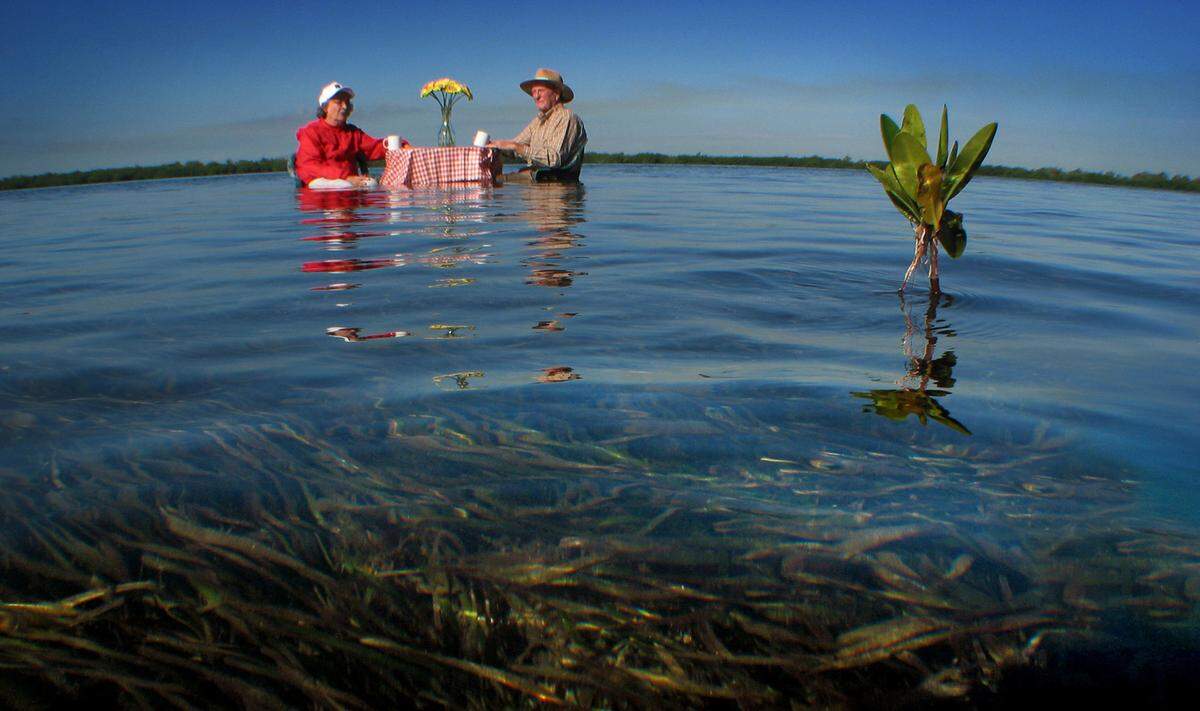
If asked what his greatest satisfaction in life was, Matthew Redford said he knows how his dad would answer: “He’d say definitely the national park and having a life with my family on the bay and living that life and fishing and diving. It still can be found if you look hard enough. But it was a hell of a life.”
Redford, who is survived by Matthew and his older brother, Adam, a fishing guide in Alaska, made no funeral arrangements. Matthew Redford plans to scatter his father’s ashes on a beach, in the same place as his mother’s. Donations may be made to the Izaak Walton League.
This story was originally published August 21, 2018 at 6:22 PM.