
Could raising a 90-year-old road fix South Florida's water problems?
Rising seas. Record rain. King tides.
South Florida in recent years has been a soggy mess and 2018 is shaping up to be no different: May smashed a century-old record for rainfall to kick off a wet season that — for the third year in a row — began like it never ended, with water gauges already well above normal. But this year, Everglades restoration could offer some relief.
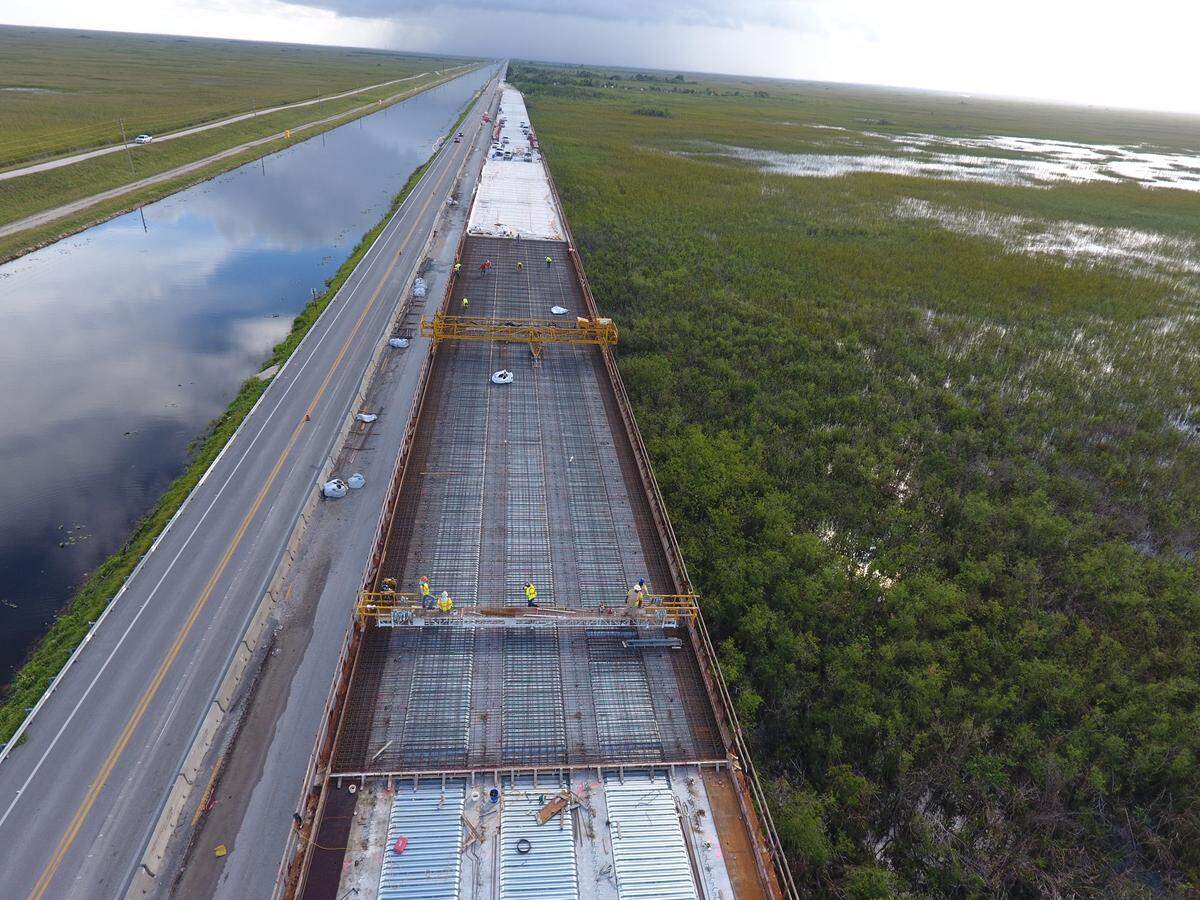
Nearly 30 years after they were proposed, two projects key to fixing the region's plumbing problem are finally nearing completion. A third, another leg of a Tamiami Trail bridge rising above the swamp with spectacular views, will be done next year.
By allowing more water to flow under a road that damned up the marshes and parts of Florida Bay for nine decades, the projects will unlock the bottom of the Everglades and begin to reconnect the increasingly unmanageable pieces of a vast system that stretches to Lake Okeechobee. The work should help revive marshes and leave South Florida better equipped to deal with harsher seasonal shifts and worsening flooding fueled by climate change and increased development. Only one stumbling block remains: getting everyone — federal and state water managers, farmers, wildlife managers, residents and a national park — to agree on exactly how to run the system.
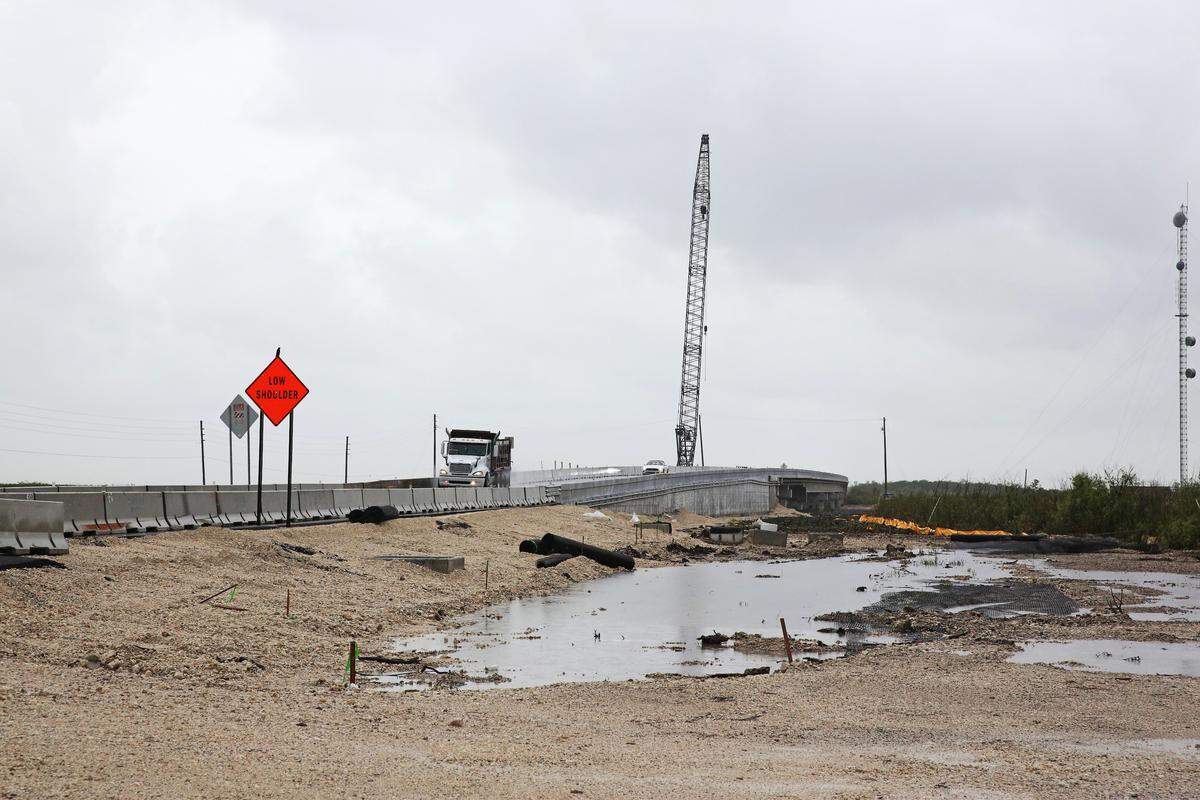
"Completing Modified Waters and the C-111 is one of the most important milestones in Everglades restoration," said Shannon Estenoz, who began working on restoration in the 1990s as South Florida Water Management District governing board member before becoming director of Everglades Restoration for the Interior Department. In April she was named chief operating officer at the Everglades Foundation.
"They're going to give us so much flexibility to manage water," she said, " in good times and in bad times."
Over the coming months, the U.S. Army Corps of Engineers will iron out an operating schedule, called the Combined Operating Plan, to move more water into Shark River Slough and Taylor Slough in Everglades National Park. Engineers have already started modeling water flow and measuring environmental impacts. By July 1, the Corps hopes to have alternatives.
"It's an exciting time because it means we're that much closer to regaining a lot of the restoration of that environment," said Federico Fernandez, a Miami lawyer who took over as chair of the Water Management District in April.
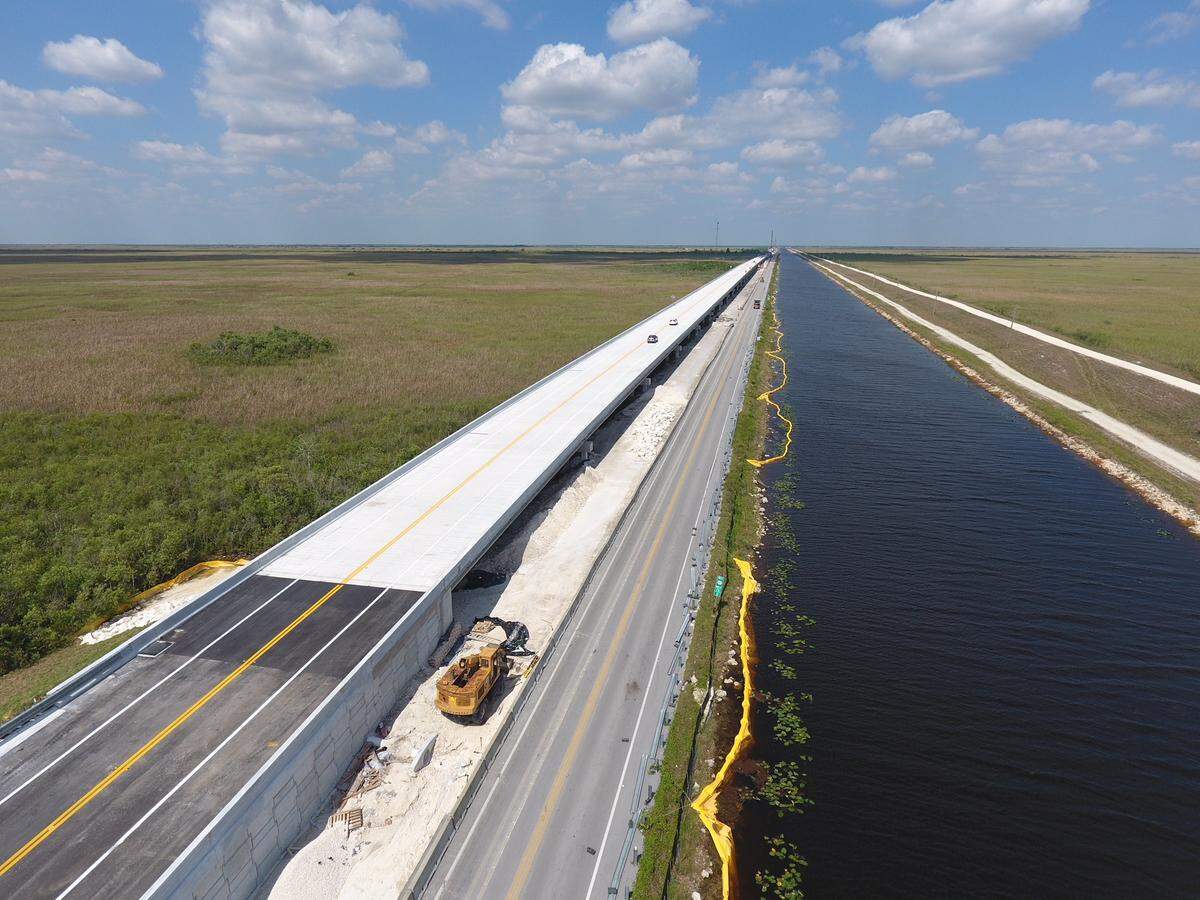
The two projects include a $417 million plan to reroute water into Shark River Slough, nicknamed Mod Waters, and a $25 million effort to fix the damage caused when the C-111 canal was carved into marshes and cut off water to Taylor Slough. The 2.6-mile bridge, along with another 1-mile span completed in 2013, will allow managers to raise water in the L-29 canal running alongside Tamiami Trail a foot to 8.5 feet. Last year, after South Florida got slammed with heavy rain, the bridge already allowed emergency operations that helped move water, said Chief Engineer John Mitnik.
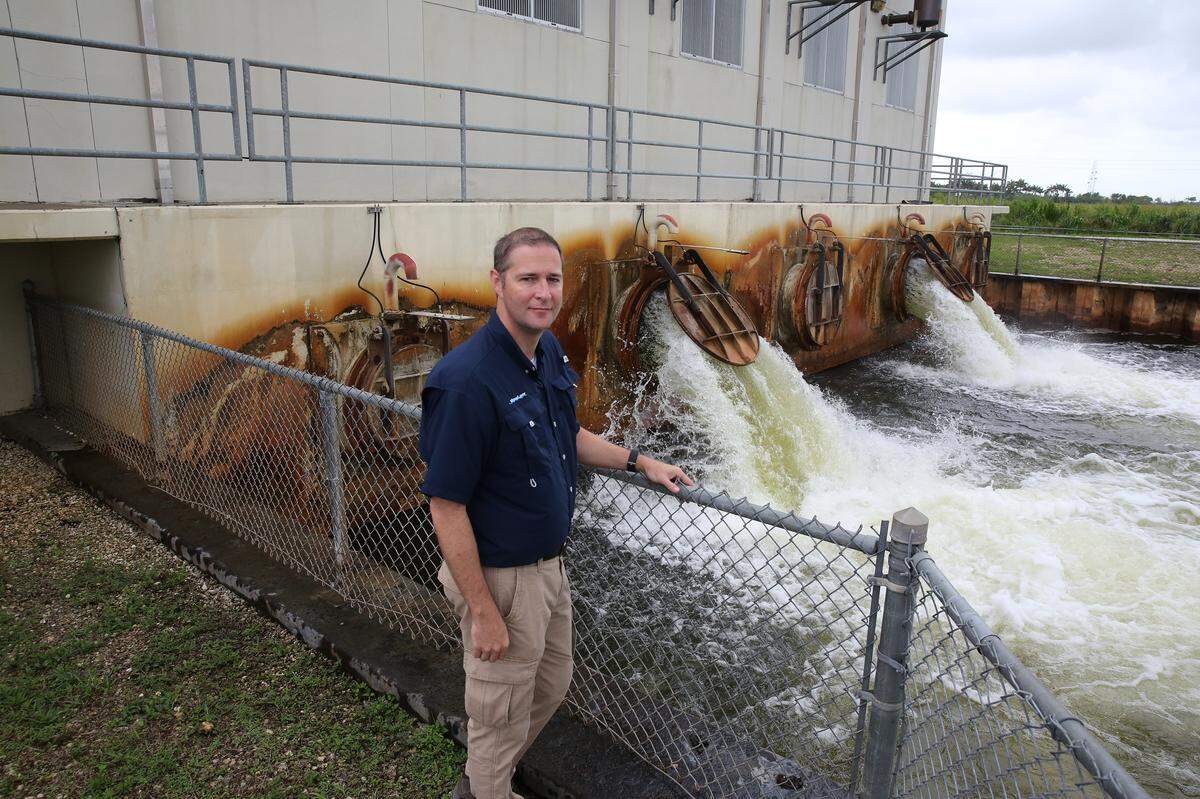
"The two projects work together and with that construction now closer to completion, this year we'll be able to operate the system a little more aggressively, a little more differently than last year," he said.
But how aggressively will be up for debate. For years, disagreements usually centered on the balance between resuscitating marshes without flooding farmland and nearby neighborhoods. Lawsuits stalled work as neighbors and the Miccosukee Tribe fought projects over flooding. Those concerns have not disappeared, with tension between the federal and state partners worsening after the Corps issued a sharp critique of the state's proposed Everglades reservoir this month.
At a meeting last week, Water Management District board member Sam Accursio, a tomato farmer, quizzed Mitnik about the Corps' ongoing use of pumps, or lack of, over the last decade.
"That water is still coming south and we're damming it up again in South Dade," he said. "Nobody is holding the Corps accountable. Congress approves one plan and the Corps does another."
Earlier in the week, equally aggrieved park officials warned that state plans might hamper restoration.
The warning came during a briefing for agency scientists on the operations plan that included a review of the district's 2015 effort intended to "thread the needle and move water in different directions" in response to farmers' complaints about flooding. The district pushed for the plan, leap-frogging the sometimes tedious review process. When a summer drought triggered a massive 60-square-mile seagrass die-off, and anglers and Keys residents began complaining, the district added the goal of moving more water into Florida Bay by shoring up an old levee, increasing pump sizes and making other modifications.
"The idea was that through these seasonally and situationally aware operations, you could choose the operations most appropriate for those conditions," said Walter Wilcox, the district's chief modeler.
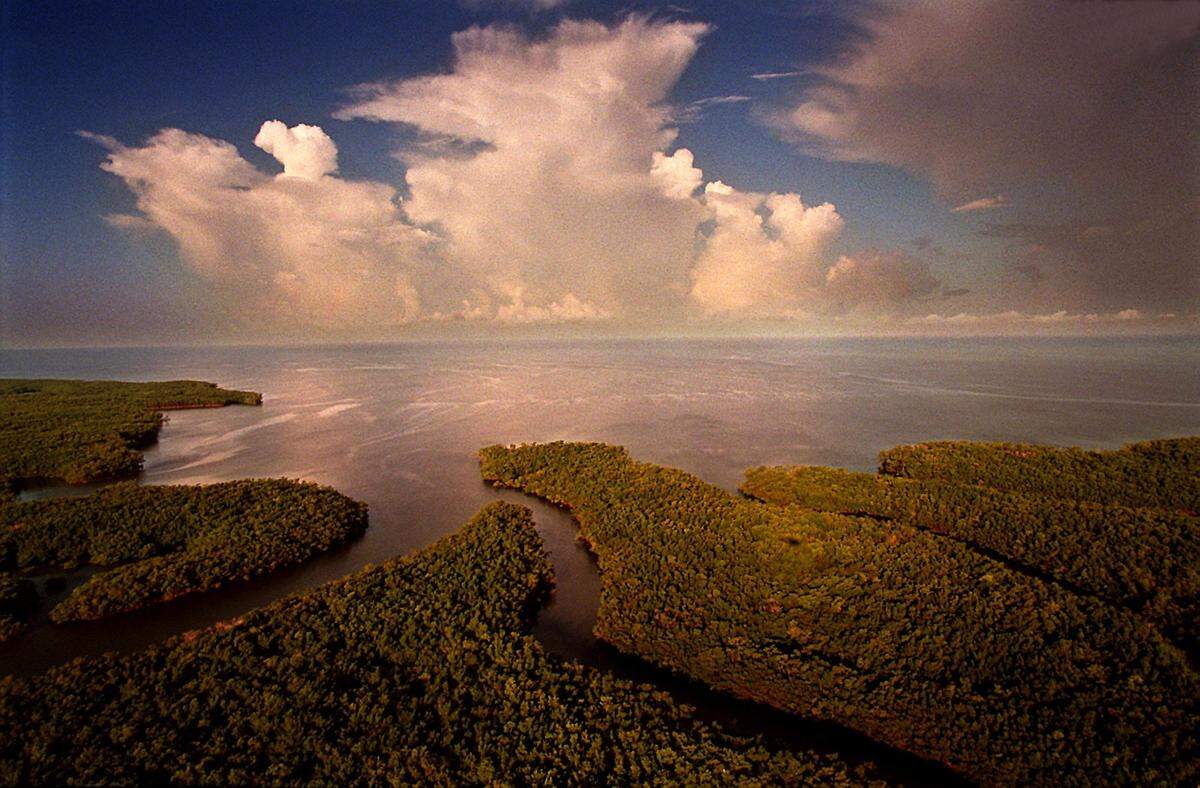
But the National Park Service warned that the more aggressive pumping of surface water complicates operations and needs to be monitored carefully. About two-thirds of water, according to park estimates, leaks from the park to the east or is lost to evaporation. To remedy that, the district wants to pump water back into the park once it leaks out.
But even a slight change in nutrients commonly found in farm fields or canals that contain stormwater runoff can cause heavy damage and choke marshes with cattails. It's part of the reason changes are so closely scrutinized.
"We do have concerns about water quality associated with more aggressive pumping," said Jed Redwine, a park service ecologist. "We are three decades deep into sending a message, and supported by voters, that we are going to rehydrate and make wet Everglades National Park that are likely to have effects on boundary areas. ... It's very important that this combined operations process [isn't] somehow thwarted by a late and urgent request for increased flood protection."
The district is also considering extending a 6-mile underground seepage barrier wall installed by rock miners to prevent leaking from rock pits another 15 miles.
But the barriers could cause problems for drinking water wellfields in that area that rely on cleaner water from the west. With a wall, scientists warn the wellfields could begin drawing more polluted groundwater from the urban east.
The agencies will also need to tackle the increasing need to balance the amount of freshwater needed in marshes to fight back saltwater intrusion from sea rise. Robert Johnson, director of the South Florida Natural Resources Center at Everglades National Park, estimates that for every foot of sea rise, the park will need another 300,000 acre feet of water. The Corps next expects sea rise to reach just over two feet by 2060.
The two projects also only represent a portion of the larger Everglades restoration effort that is being proposed. For those projects to work and raise the L-29 canal to nearly 10 feet, another 2.6-mile stretch of road will need to be elevated.
"The reality is we function within a network of authorities and it's taken a lot of coordination," Fernandez said. "Everybody wants to get across the finish line. And we're really doing our best to get there."
This story was originally published June 18, 2018 at 7:00 AM with the headline "Could raising a 90-year-old road fix South Florida's water problems?."