
FIU suspends former campus Republican leaders for 2 years over racist group chat
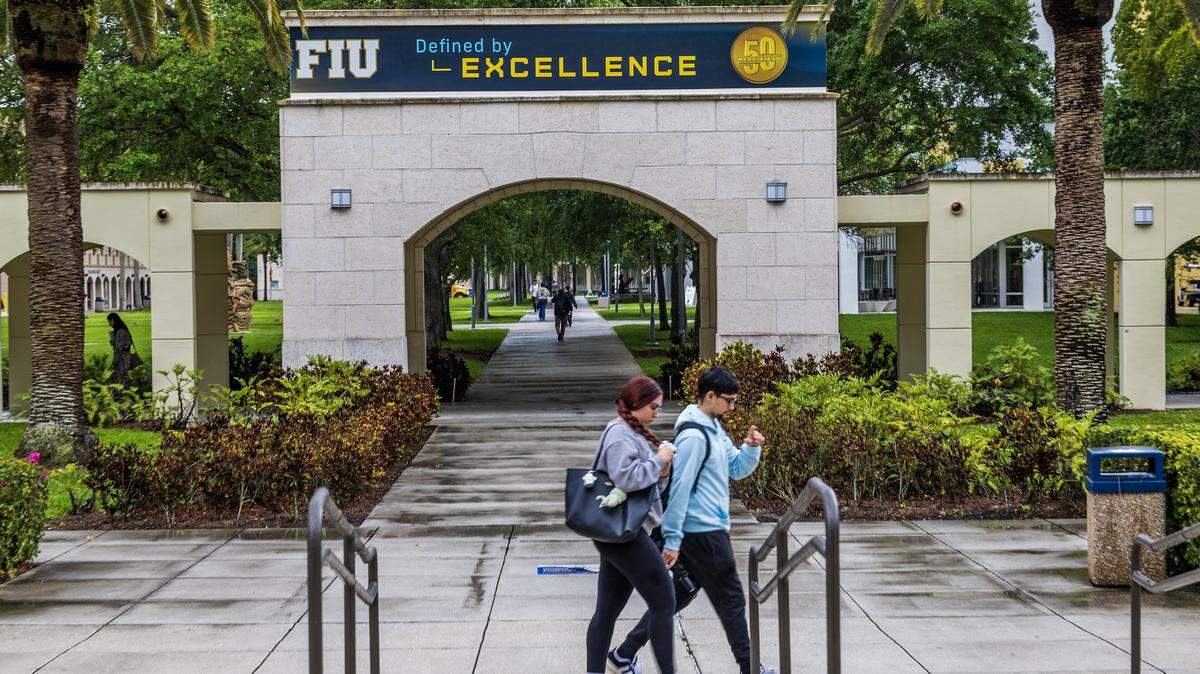
Two former campus Republican leaders have been barred from stepping foot on Florida International University’s campus, after the school suspended the students for two years over a racist group chat created by the Miami-Dade GOP’s then secretary.
Abel Carvajal, the creator of the group chat and a third-year law student, was found responsible for an “affirmative act which aids, attempts, promotes, conceals, or facilitates” violations of the Student Code of Conduct after a sanctions hearing last month, according to court records. He told the Miami Herald he has filed an appeal with the school contesting the decision.
Dariel Gonzalez, who was the FIU College Republicans’ recruitment chairman at the time, was found responsible for violating a part of the conduct code that bars “verbal or written abuse, threats, intimidation and/or coercion that objectively endangers the health, safety or well-being of others” and for driving while under the influence of alcohol and smoking marijuana on campus.
Gonzalez did not respond to a request for comment, but his attorney Anthony Sabatini said the charges related to marijuana and alcohol also stem from comments he made in group chats. Sabatini is representing the students in a federal lawsuit against FIU President Jeanette Nuñez accusing her of violating their First Amendment right to free speech.
The suspensions mark the most significant action the university has taken over the WhatsApp group, which was started last fall and within three weeks was filled with racist slurs, someone wrote dozens of ways of violently killing Black people and the chat was renamed after what one member described as “Nazi heaven.”
READ MORE: ‘Nazi heaven’: Inside Miami campus Republicans’ racist group chat
The chats roiled Florida’s Republican Party, drawing sharp criticism from top Republican and Democratic elected leaders in the state. After mounting pressure, Carvajal eventually resigned from his role in party leadership.
The university vowed that it would “not tolerate violence, hate, discrimination, harassment, racism or antisemitism” after the content of the chats were made public.
But as the weeks dragged on without public consequences for the FIU students involved in the chat, their classmates began protesting Nuñez over her response.
They accused her of applying a double standard toward student conduct, after a group of students received Code of Conduct charges after peacefully protesting the school’s partnership with Immigration and Customs Enforcement. FIU did not respond to a request for comment Wednesday.
The new suspensions, issued last week, ban the students involved in the group chats from campus and all University-sponsored events. The students must also reapply for admission if they hope to return to the school after the suspension lifts in May 2028.
They’re still trying to get the university or a federal judge to reverse their suspensions before then.
Chief District Judge Cecilia Altonaga dismissed their free speech complaint last week, arguing that they did not have the ability to sue since punishment was still pending as the university’s appeals process is ongoing. The students are appealing the decision to the Eleventh Circuit. Altonaga has not weighed in on the First Amendment questions raised in the lawsuit
Sabatini, who is also running for Congress, said the students will re-file their complaint in her court as soon as the campus appeals process is complete.
“I have absolutely no doubt whatsoever that we’re going to win when the case is ripe,” he said.
.jpg)