Visa crackdown leaves FIU’s foreign students silenced by fear
As reports of international students being detained, deported, or self-deporting continue to spread across the U.S., many at Florida International University are gripped by a growing sense of fear.
As of April 10, the Trump Administration has terminated the F-1 visa status of 18 FIU students, according to the university.
Miami New Times reports that 11 of the students are currently enrolled and seven are recent graduates on Optional Practical Training also known as “OPT,” where students with F1 can remain for a period of time if they are working in a field related to their studies.
Students who were involved in activist activities at FIU are being told by organizers it is in their best interest to stop participation. Others are scrubbing their social media to ensure their digital footprint isn’t problematic. The anxiety is affecting students who are permanent residents as well as student visa holders.
One Florida International University student in his early 20s says he is terrified and anxious about the potential impacts of the crackdown on political activism at universities.
“You can get in trouble for political views that have been deemed un-American,” he said. “The alarms need to be sounded.”
The student, who asked that his name be withheld, is from Brazil and is a permanent U.S. resident. He used to attend pro-Palestinian protests and speak about his political views during class discussions. But since the recent instances of students being detained, he has completely stopped his activism.
“It drives you crazy to not know what is a reasonable fear and what isn’t,” said the fourth year student.
“I don’t know what kind of evidence they bring up when you are held in ICE detention and you have to prove your legal aspect of you being in the country,” said the student, who has a green card.
He says he is staying away from any politically connected events, refraining from speaking out during class about his status and keeping it low key on social media.
“I have always thought of myself as being in a privileged position for being able to obtain a green card, but I’m not sure what that means anymore,” he said.
Almost every Thursday, he used to wear a keffiyeh, a traditional headdress, to show solidarity with Palestinians, alongside other students at FIU.
But now he says, “If I were to put it on, my mom would say, ‘Take it off before you leave the house, you don’t know what kind of trouble that could get you in.’”
Don’t put yourself at risk
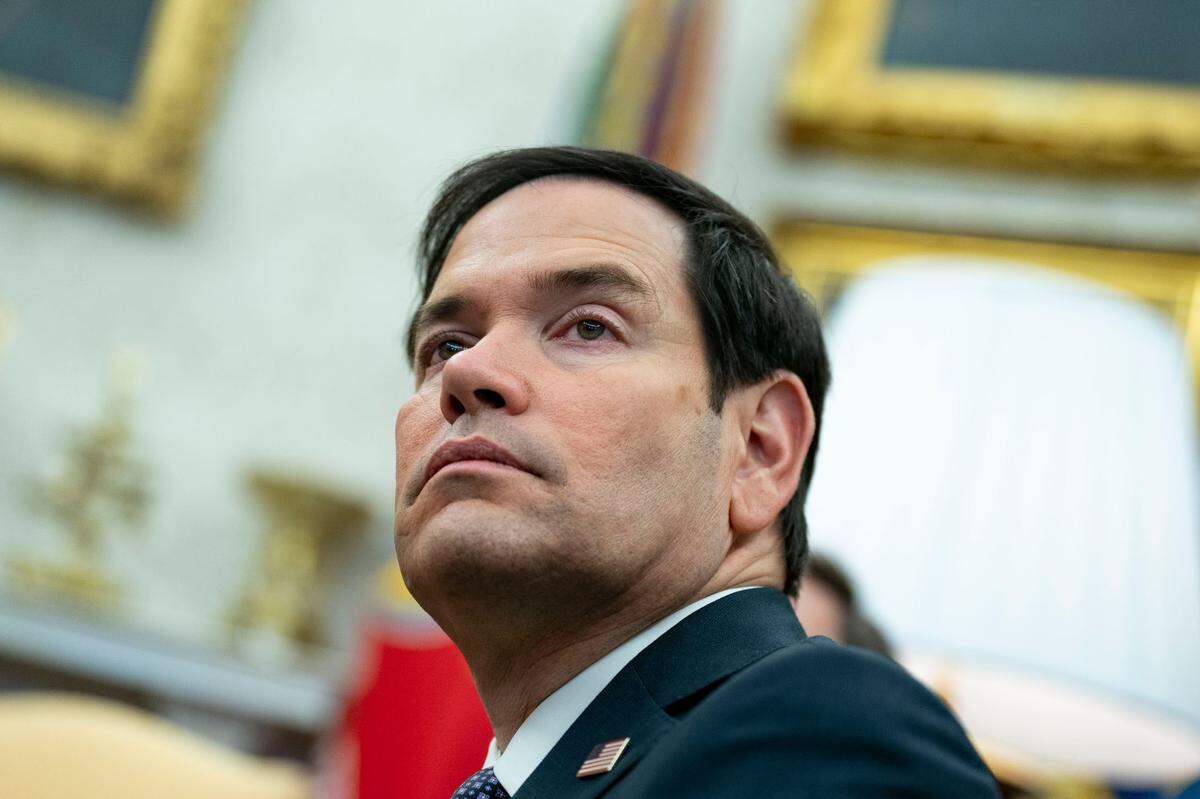
Secretary of State Marco Rubio put international students who participated in activities that are considered counter to the national interest of the United States by the Trump administration on notice last month.
“If you are in this country on a student visa and are a participant in those movements, we have a right to deny your visa,” he said.
According to data from Inside Higher Ed, at least 800 student visas across the country have been revoked by the State Department.
Activists at Florida International University, the University of Florida and Florida State University say they are hearing the fear and concern from foreign students who are worried about their participation in pro-Palestinian events.
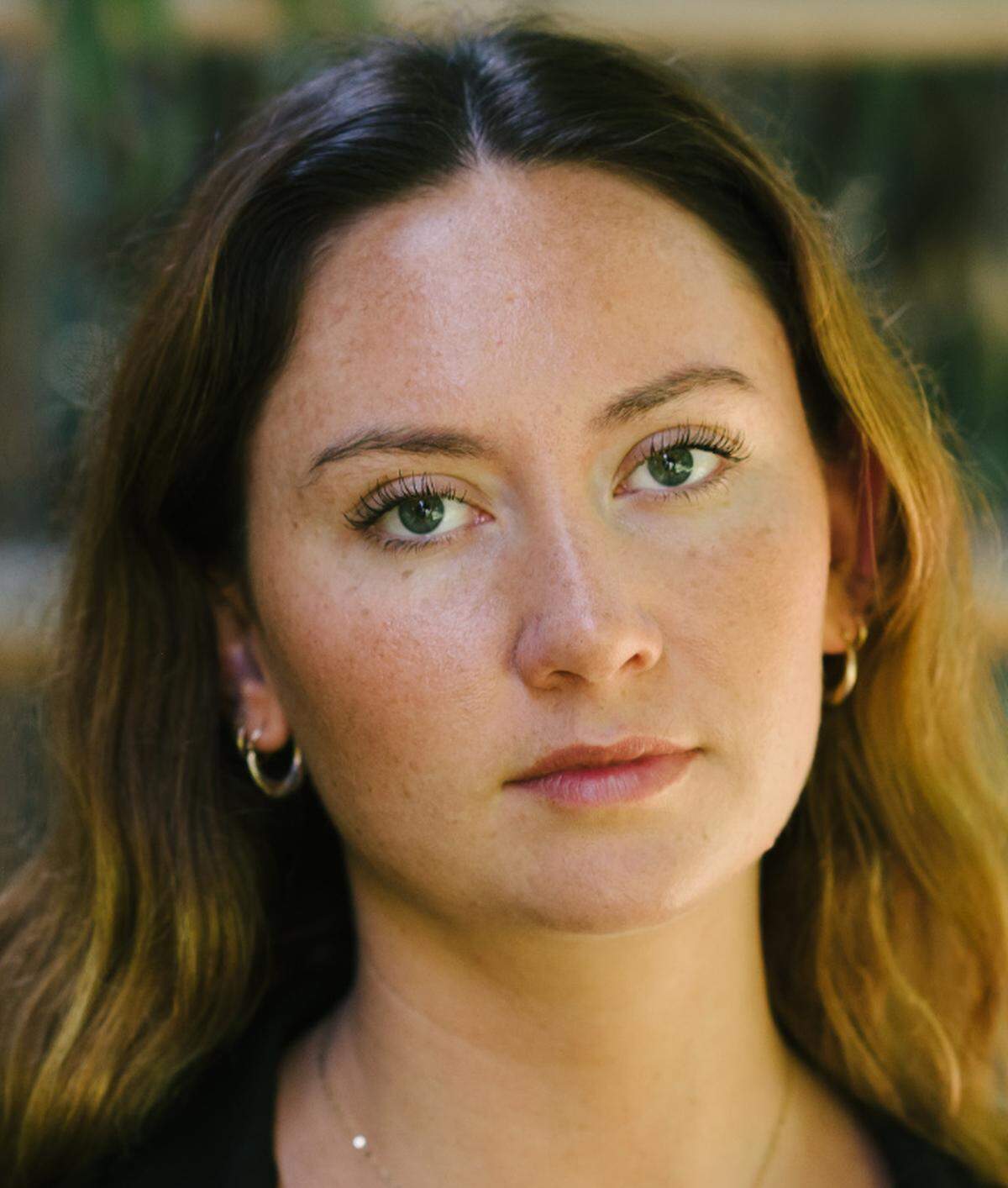
“We have advised them that, unfortunately, due to current legislation and the current political climate, that for their protection it is best to not to attend anything that could put themselves at risk,” said Bayan Abedulazis, the president of the Students for Justice in Palestine at FIU, who has been involved in political activism work in support of the West Bank and Gaza.
Among the student activists who have been detained by immigration officials nationwide are Alireza Doroudi, a doctoral student from Iran studying at the University of Alabama, and Tufts University doctoral student Rumeysa Ozturk, a Turkish national who was in the United States with a valid student visa and was pulled off the street by plainclothes police.
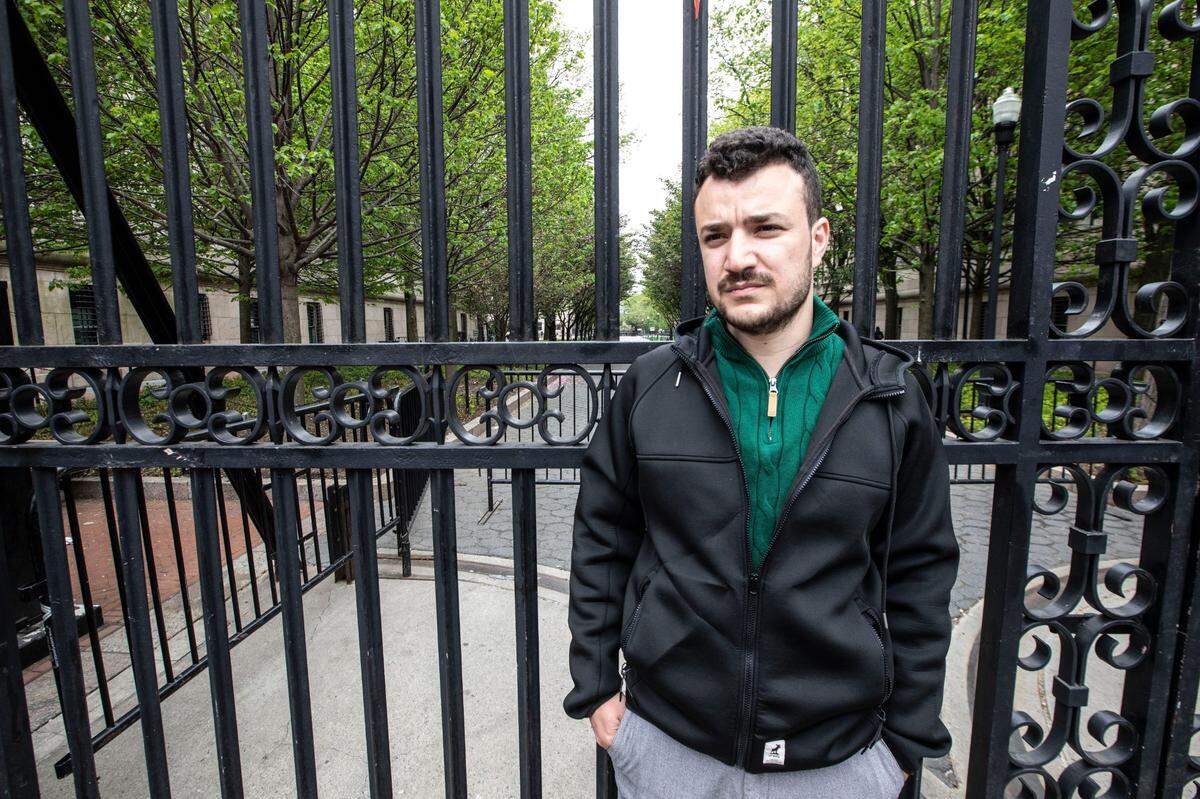
The case that caused the most uproar was the detention of Mahmoud Khalil, a Columbia University student who was detained by ICE and is now being held in a Louisiana detention center as his case moves through the courts. An immigration judge ruled Friday that Khalil can be deported, but more rulings are pending Khalil has not been charged with breaking any laws, but was a spokesperson for student activist during the pro-Palestinain protests.
Read more: ‘Give up and go home’: UF student’s self-deportation highlights ICE’s harsher enforcement
Student organizers at FIU reported that in late March, for the first time, uniformed FIU police officers were outside the room where they were holding a meeting. Officers often attend their protests, but have not previously attended meetings.
“It goes to show there is definitely a presence on campus that is surveilling students and Students for Justice of Palestine, especially,” Abedulazis said.
Alexander Casas, the chief of the FIU police told the Miami Herald that they often monitor events to ensure they are able to occur without hindrance, as these events have drawn protesters and counter-protestors in the past.
Students also say plainclothes police officers at FIU will often hang around the campus creating a greater sense of anxiety among students. FIU confirmed that they use “officers both uniformed and plain clothed, depending on the size and scope of the event.”
Ramie Altawil is a criminal defense attorney who has represented students across Florida who have been involved in political activity, including students at FIU and the University of Florida.
The recent student detentions and revocations of visas are a red flag for Altawil.
“The students whose visas were revoked were engaged in non-violent, protected free speech. It’s clear now: it’s their views, not their actions, that are being punished,” he said.
“What’s happening now should scare us all, because when free speech is punished, it’s a threat to our very freedom and democracy.”
Read more: Miami-Dade schools brace for potential immigration stings. Here’s what you need to know
‘Such a scary thing’
It’s not just student activists who are worried on campuses.
A brush with the law could have terrible consequences for international students.
This week, Felipe Zapata Velásquez, a third-year undergraduate student at the University of Florida, was arrested by the Gainesville Police for driving with a suspended license. He was then sent to Krome Detention Center .
According to ICE, Zapata Velásquez’s legal status as a student had been terminated in October, though University of Florida confirmed he was enrolled. Instead of waiting in detention until the issue was cleared up, he opted to leave the country.
Florida has already put in motion a plan to deputize state and local law enforcement to assist in immigration enforcement. Florida Atlantic University was the first higher education institution in Florida to seek to sign on to an agreement with federal immigration officials allowing the campus police to enforce immigration laws. The University of Florida police also recently signed on to this program.
In early March, Immigration and Customs Enforcement agents were on Florida State University’s campus to do a walk-through, according to an internal email shared with the Miami Herald.
At FIU, a 20-year-old student from India told the Herald that he has been discussing with his father how best to protect himself as a F-1 student visa holder. An F-1 visa allows people to enter the US to attend an accredited educational institution.
Although he is not a particularly politically active person, he says he was shocked to see attacks on free speech in the U.S.
“Getting deported because you have some opinion that might not align with the government, that is such a scary thing. I never thought that would happen in the U.S.,” said the student.
He says he has decided not to share any memes or anything else on social media that could jeopardize him, and plans to simply stop talking about politics in any way, although he considers himself politically moderate.
“If you go to an extreme to either side, it’s never good in any direction,” he said.
His parents even told him not to follow anyone on social media who is pro-Palestinian. He says he is scared and overwhelmed.
“I don’t want ICE knocking on my door.”
NOTE: This story was updated to include that Florida International University terminated 18 student visas.
This story was originally published April 10, 2025 at 4:47 PM.