
Florida graduation rates soar. Here are stats for South Florida and Tampa schools
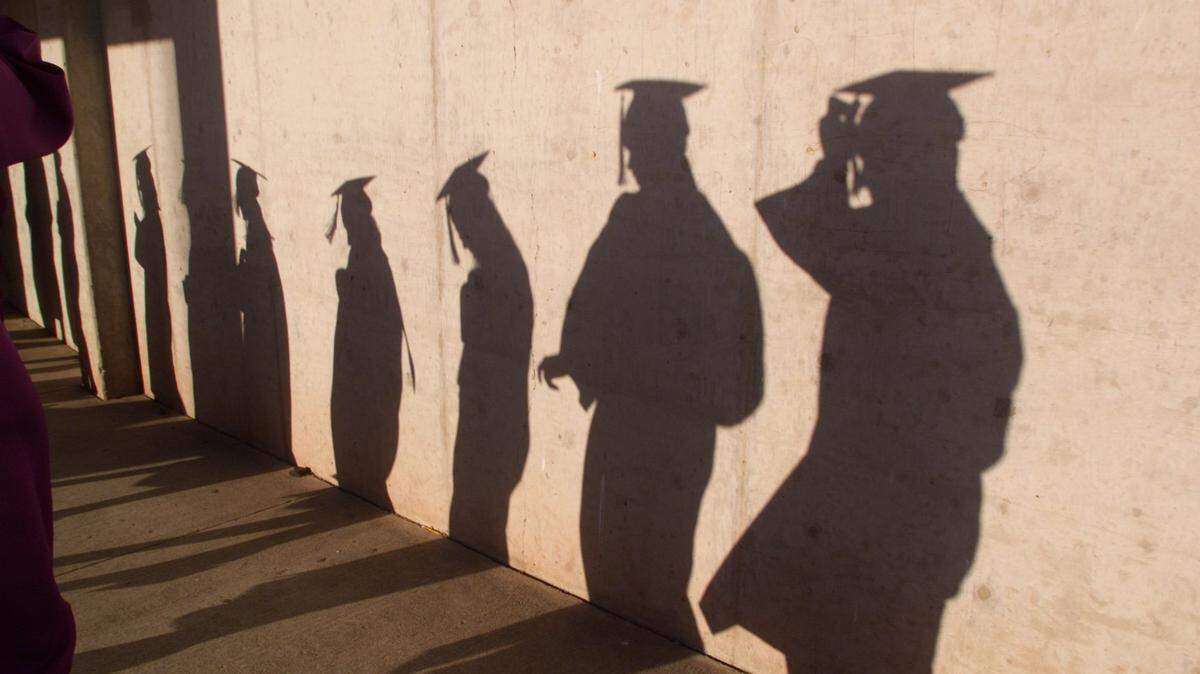
Florida’s statewide high school graduation rates increased in 2024, as did the rates for districts in the Tampa Bay area and South Florida, continuing longstanding trends, according to data released this month by the Florida Department of Education.
The statewide rate, 89.7%, marked a new record high, not counting two years during the pandemic when students’ exemption from standardized tests led to a bump in graduations. Save for 2022, when those tests came back and the artificial boost ended, every year since 2006 has seen an improvement in graduation rates, according to the state.
In South Florida, graduation rates for the two largest school districts increased. Miami-Dade County public schools reached their highest graduation rate this year, at 91.8 percent for the 2023-2024 school year, almost 2 percent higher than the state average.
Hispanic, Black and students with disabilities all saw a 1.5 percentage increase in graduation rates between the 2022-2023 school year and the 2023-2024 year in Miami-Dade.
“Achieving the highest graduation rate ever is a testament to the unwavering dedication, resilience, and hard work of students, educators, families, and community partners,” said Miami-Dade Superintendent of Schools Jose Dotres in a statement.
Broward also saw an increase in their graduation rate between the 2022-2023 and 2023-2024 years. The district’s overall graduation rate however is now at 89 percent, .7 percentage points below the state average.
Broward also saw slight improvements in graduation rates for their Hispanic and Black students. But students with disabilities in Broward saw graduation rates dip 1.6 percent from the previous year.
State data showed improvement across demographic groups, though Black, Hispanic and Native American students continue to graduate at lower rates than their white and Asian peers. Black male students had the lowest graduation rate, 82.5%, but that number was up from less than 80% two years earlier.
In Tampa Bay, the highest rate came from Pasco County, which graduated 95.5% of its students, according to the state, up from about 91% last year. After lagging slightly behind statewide rates last year, Pinellas County’s numbers also jumped, up from 87.7% to 91.5%.
Hillsborough County’s rate, 88%, remained lower than the state average for the second straight year. But it too saw improvements — up from 86.2% in 2023 — after two straight years of declines.
In Pinellas County, where about 85% of Black students graduated — more than 8 percentage points better than 2023 — the district cited its efforts to close the graduation gap between Black and non-Black students. Nearly a decade into its existence, the district’s Bridging the Gap plan has drawn some criticism from community members who say it hasn’t done enough to narrow the achievement gap.
There have been gains in graduation, though, and this year’s disparity between Black and non-Black students finishing school — 7.8 percentage points — was the lowest in school history, the district said in a news release, and was more than 10 points better than when the program began in 2016. Hispanic students last year graduated at a slightly higher rate than the district as a whole.
Monica Ilse, Pasco’s assistant superintendent for high schools, said she couldn’t point to a single factor behind the district’s graduation improvements in recent years or its jump of more than 4 percentage points this year.
She believes it’s a combination of factors: more precise data that helps teachers and assistant principals pinpoint struggling students, and for the district to intervene at struggling schools; “boot camps” to help students secure the necessary credits; the district’s increased investment — made just before the pandemic and perhaps now paying off — in getting off-track students into summer school beginning in ninth grade.
“Our teachers are intervening and helping kids and really looking at what kids aren’t getting in the classroom and reteaching that and giving them opportunities to insure that they’re successful,” she said. “I think it’s been a systems approach.”
You can access data on graduation rates across districts and categories in the state here.
This story was originally published January 17, 2025 at 10:29 AM.