Classical education may be rolled out at Miami-Dade school — first for conservative model
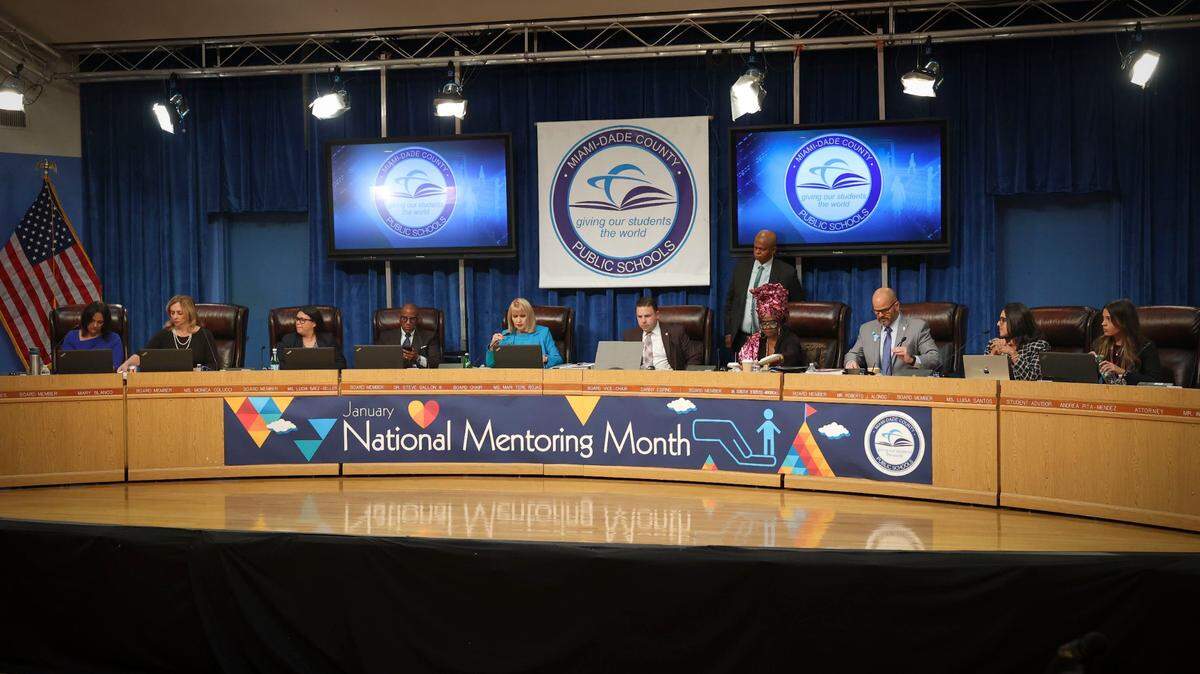
Miami-Dade Schools is considering implementing a classical education curriculum in at least one elementary school for the upcoming school year — introducing a politically debated education model and potentially displacing students and teachers if they do not wish to participate.
The tentative plan, provided to the board ahead of its Wednesday committee meeting, calls for picking a school, recruiting students, selecting a curriculum and training staff and faculty during the current school year and rolling out the curriculum over the next three years.
The district could also collaborate with the University of Florida’s Hamilton Classical and Civic Education Center — an academic center that was proposed during the 2022 Legislative Session by a group whose representative had a long history of working with conservative groups and advancing the mission of religious organizations. (The University of Florida received $3 million when Gov. Ron DeSantis approved the state budget.)
READ MORE: There’s a $3 million mystery behind University of Florida’s brand new academic unit
The model has been championed by conservatives, including DeSantis. Supporters of the model say it offers an alternative education to the traditional public school, which in recent years has been accused of focusing too heavily on discussions of race, gender identity and other social issues. Critics say the model’s spotlight on Western civilization teaches a whiter, glossier version of American history and leaves out more contemporary subjects, such as global warming.
District staffers maintain they’re exploring it to see if the curriculum model would be feasible. Chief Academic Officer Lourdes Diaz told board members Wednesday it’s just the “first layer to see what is potentially possible.” The plan does include a three-year implementation schedule to begin next school year, but that timeline could change.
Grade configurations, geographical locations and partners, if any, would be considered when determining the program’s feasibility, the district said.
School selection rules outlined
The education model, which DeSantis and other conservatives have championed, was first brought before the board in June by board member Monica Colucci, whom DeSantis endorsed in last year’s election.
The curriculum, which emphasizes a return to core virtues and subjects like math, science, civics and classical texts, puts a strong emphasis on Western tradition — or a historical focus on white, Western European and Judeo-Christian foundations — and demands a school culture of “moral virtue, decorum, respect, discipline, and studiousness among both students and faculty,” according to Hillsdale College’s Barney Charter School Initiative. Hillsdale College, a private college in Michigan with ties to DeSantis, is one of the most prominent proponents of the model.
In the last year, the model has garnered a backing in Florida, with new laws providing state funding for school districts to administer the Classic Learning Test as an alternative to the SAT and ACT college-entrance exams. The Bright Futures Scholarships criteria also changed to include the exam; earlier this year, the Florida Board of Governors approved the test as an option for all 12 schools in the State University System.
READ MORE: A few things to know about the classical education model for K-12 schools
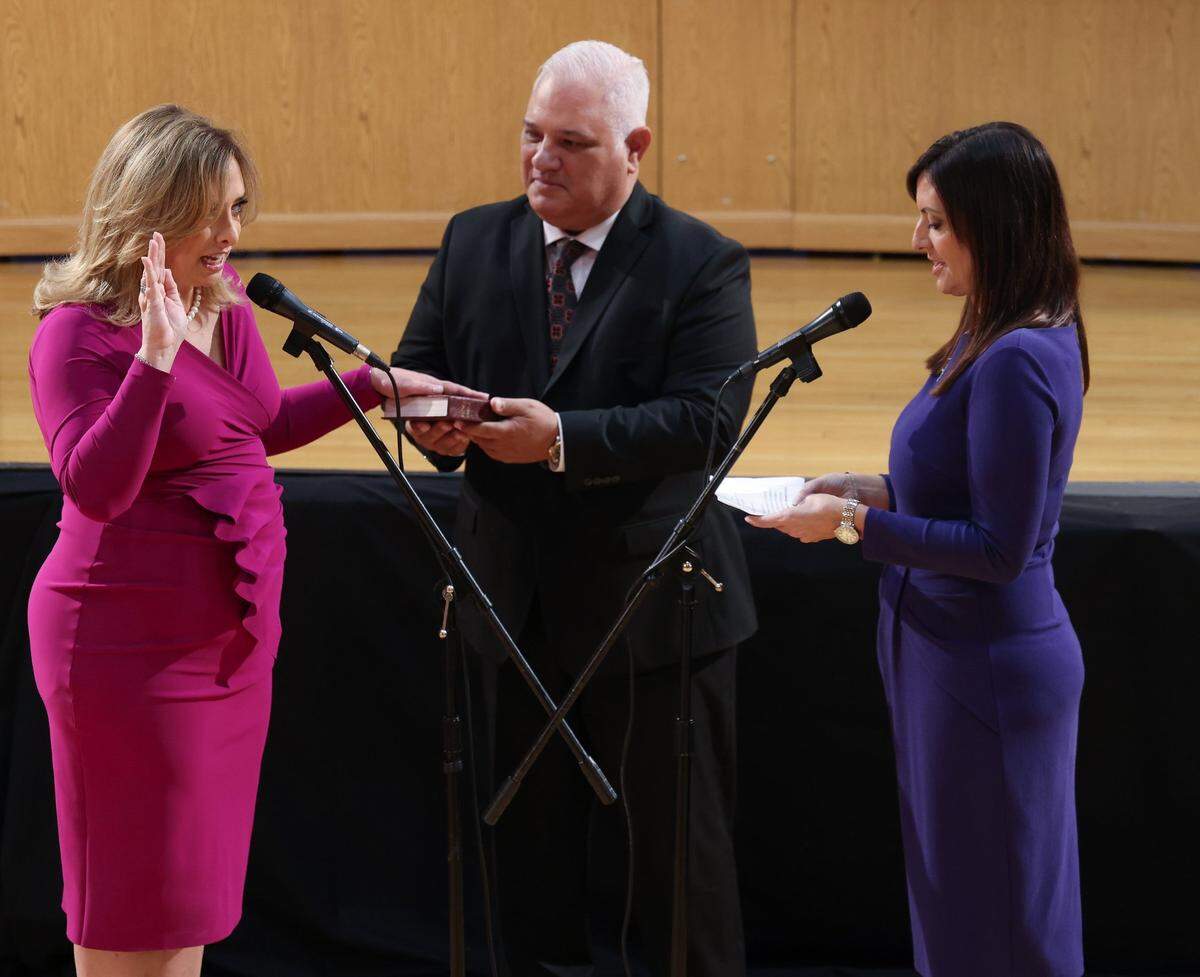
When she brought the proposal to the board in June, Colucci said she wasn’t “seeking to impose this curriculum on every student [and] not seeking to mandate it as the norm for the whole district.” Instead, she said, the program was meant to serve as a choice, “something for parents to consider.”
But the tentative plan — discussed for about 10 minutes Wednesday and with just one board member, Lucia Baez-Geller, asking questions — already has particulars attached to it.
Among them: the school would be located near an existing charter classical school because of the “large number of families who show interest” in the model, and students from outside the school’s zoned neighborhood could enroll “if seats were available.”
READ MORE: School Board OKs first step toward classical education model in elementary schools
Additional rules call for students at the selected school being able to transfer if space is available in nearby schools if the families do not wish to participate, and “a process to determine” if teachers want to remain at the school or transfer elsewhere.
Colucci did not respond to a phone call seeking comment from the Herald.
Cost estimates of classical model
Though the plan did include an estimated cost of $200,000 for “various core instructional materials” for 250 students, the total cost of implementation remains unknown, according to staff.
The scope of what the trial run will cost will be determined throughout the rest of the school year and the planning phase, they said. (According to the plan, additional costs could include professional development, facility upgrades and “school branding/advertising to promote” the model.)
Board member Baez-Geller, who in June questioned whether the curriculum boosted proficiency among students, said the tentative plan lacked information about how the program will be evaluated. Staff, for their part, said the model will be evaluated using state assessment data and the district’s progress monitoring data, which will then be compared to other schools with similar demographic and socioeconomic levels.
“We’re in the planning and discovery stage and depending on what the feasibility determines, we may or may not need to go to the board for that,” said Superintendent Jose Dotres. “But we will provide follow-ups.”
At present, there are no immediate plans to bring more information to board members.
This story was originally published October 6, 2023 at 12:00 AM.