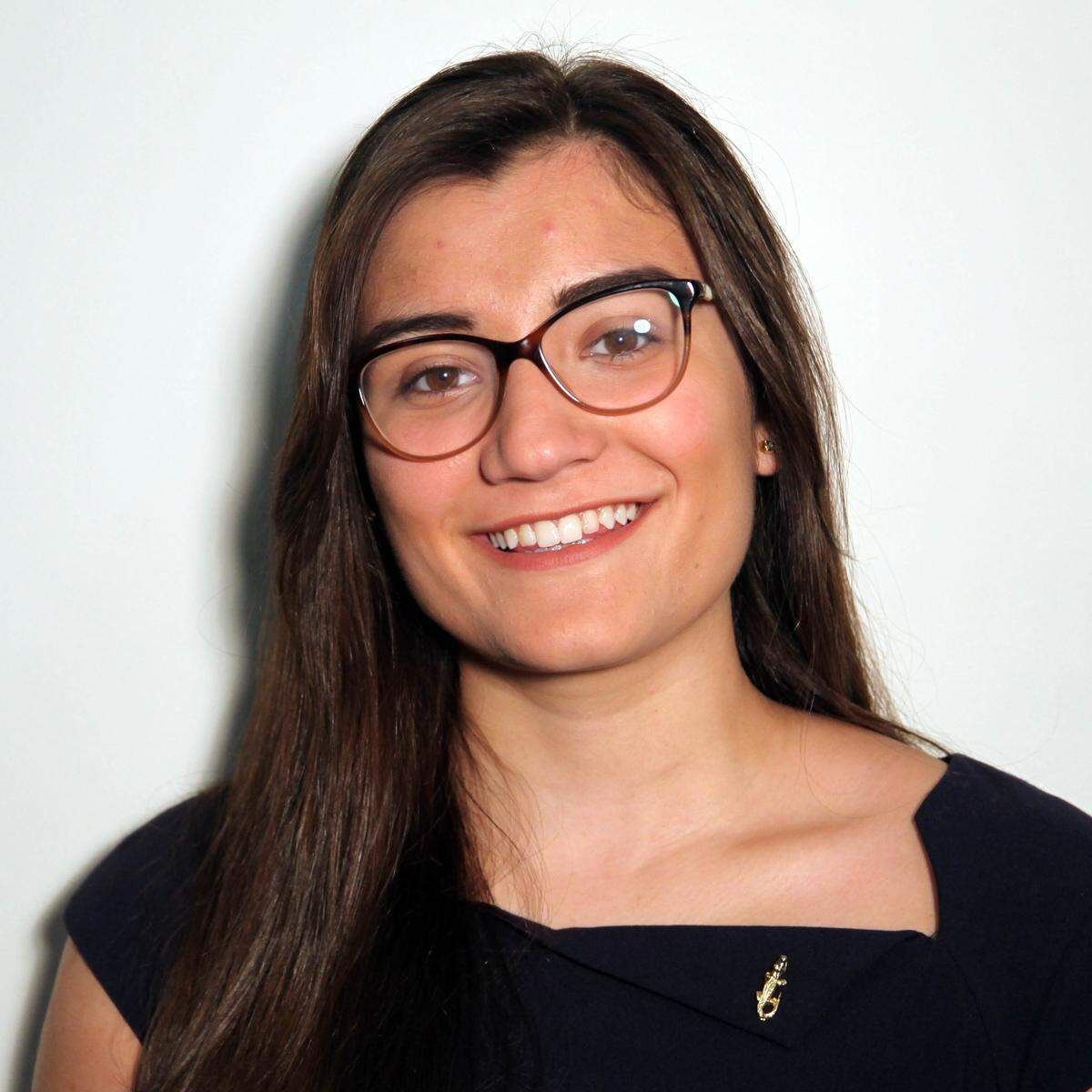
‘We’ve moved mountains’: Longtime head of Miami’s Black Archives to leave. Here’s what’s next
When Timothy Barber took over as executive director of Miami’s Black Archives in 2009, the institution in charge of collecting and preserving key documents of South Florida’s Black history was in the red.
Still, he agreed to a salary of $20,000 less than his predecessor’s, he said, and immediately got to work. He called each member who contributed about $25 annually to the Archives at the time and spoke to them.
“I found out people will only give you what you ask for. If you ask them for $25, that’s all they’re going to give you,” said Barber, 48. “So what I did was I created different levels of membership, and what I found was that people who had been giving $25 decided ‘I’m going to give $500 a year because I want to be a brick-layer’ or ‘I’m going to give $1,000 a year because I want to be in the founder’s club.’
“People upped their annual membership because they wanted to be a part of a specific group,” he added. “That’s really what saved us.”
READ MORE: ‘A history of defiance.’ How these six women became matriarchs of Black Miami
Now, after nearly two decades of working for the Archives, officially known as the Black Archives History and Research Foundation of South Florida, Barber, who has led the Archives since 2009, is stepping down.
Come July 1, the Miami native will become director of Florida Agricultural and Mechanical University’s Meek-Eaton Black Archives Research Center and Museum.
Barber earned his bachelor’s degree in English and his master’s degree in history at FAMU, the historically Black university in Tallahassee.
Founded in 1976, and named after the late Congresswoman Carrie Meek and founding director FAMU professor James N. Eaton, the FAMU center is charged with preserving African-American history and culture in the Southeastern United States.
“I feel really good,” said Barber, who will soon move to the state capital. “I’m working on closing out ... while I’m also trying to work on relocation. I’m preparing myself for this next chapter of my life and understanding the new job, so that when I walk in on day one I’m effective.”
READ MORE: Carrie Meek, pioneering Miami congresswoman and champion of Black communities, dies at 95
Kamila Pritchett, the operations and programming manager of the Archives, will become interim director.
“At this time, the Board has not made plans to conduct a search for an Executive Director,” Patricia Jennings Braynon, chair of the Black Archives Board of Directors, said Wednesday in an email to the Herald. She said Barber and Pritchett have worked together for several years and she “is well prepared to assume the helm of the Archives at this time.”
Arrived as intern
Increasing membership funds by cultivating relationships enabled Barber to stabilize the Archives’ financial picture in his early years as director.
Dorothy Jenkins Fields, Ph.D., the renowned historian of Miami’s Black community and who writes a column on Black history for the Neighbors section of the Miami Herald, founded the Archive in 1977.
An Overtown native, Fields also helped save the Lyric Theater, the oldest theater in Miami-Dade County, and the Chapman House, home to one of Miami’s first African-American doctors.
Fields mentored Barber when he first arrived at the Archives in 2003 as a graduate student of history at FAMU. (He also received an associate’s in electronic engineering technology from Bauder College in Atlanta.)
“I fell in love with the Black Archives the moment I met Dr. Fields. I admired her tenacity. I admired her work. She was doing it when it wasn’t a cool thing to do,” he said.
On Tuesday, Fields praised Barber’s accomplishment.
“This is an exciting opportunity for Tim. It’s professional growth he has earned,” said Fields, who worked as a librarian in Miami-Dade County Public Schools before dedicating her life to the Archives. “For many decades, he has made many personal sacrifices as he worked alongside me in helping to develop the Black Archives Historic Lyric Theater Cultural Arts Complex.”
“I predict this promotion is just the beginning,” she added. “With his talent, I’m sure more will come. I wish him the best.”
RELATED: Who was Miami’s first Black millionaire? Hint: He made his money in real estate
As he departs, Barber leaves the Archives in a solid financial state.
During his tenure, the Archives received multi-year operational funding through grants and a steady flow from the county’s Community Redevelopment agencies. The organization avoided layoffs, established an endowment and, since 2009, grew its membership from a few dozen to a few hundred, he said.
Under his leadership, the Black Archives officially merged with the Lyric Theater, which the Archives had acquired in the 1980s, forming the Historic Lyric Theater Cultural Arts Complex, 819 NW Second Ave. in Overtown. Before, the Archives used to be based at the Joseph Caleb Center, 5400 NW 22nd Ave.
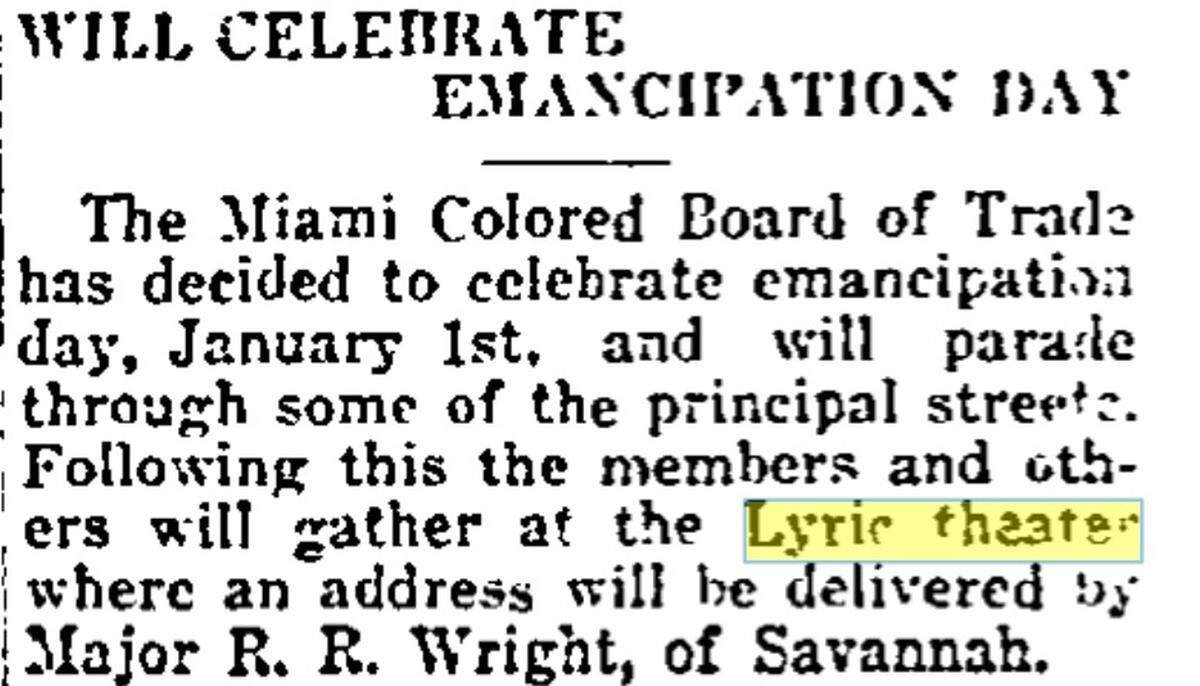
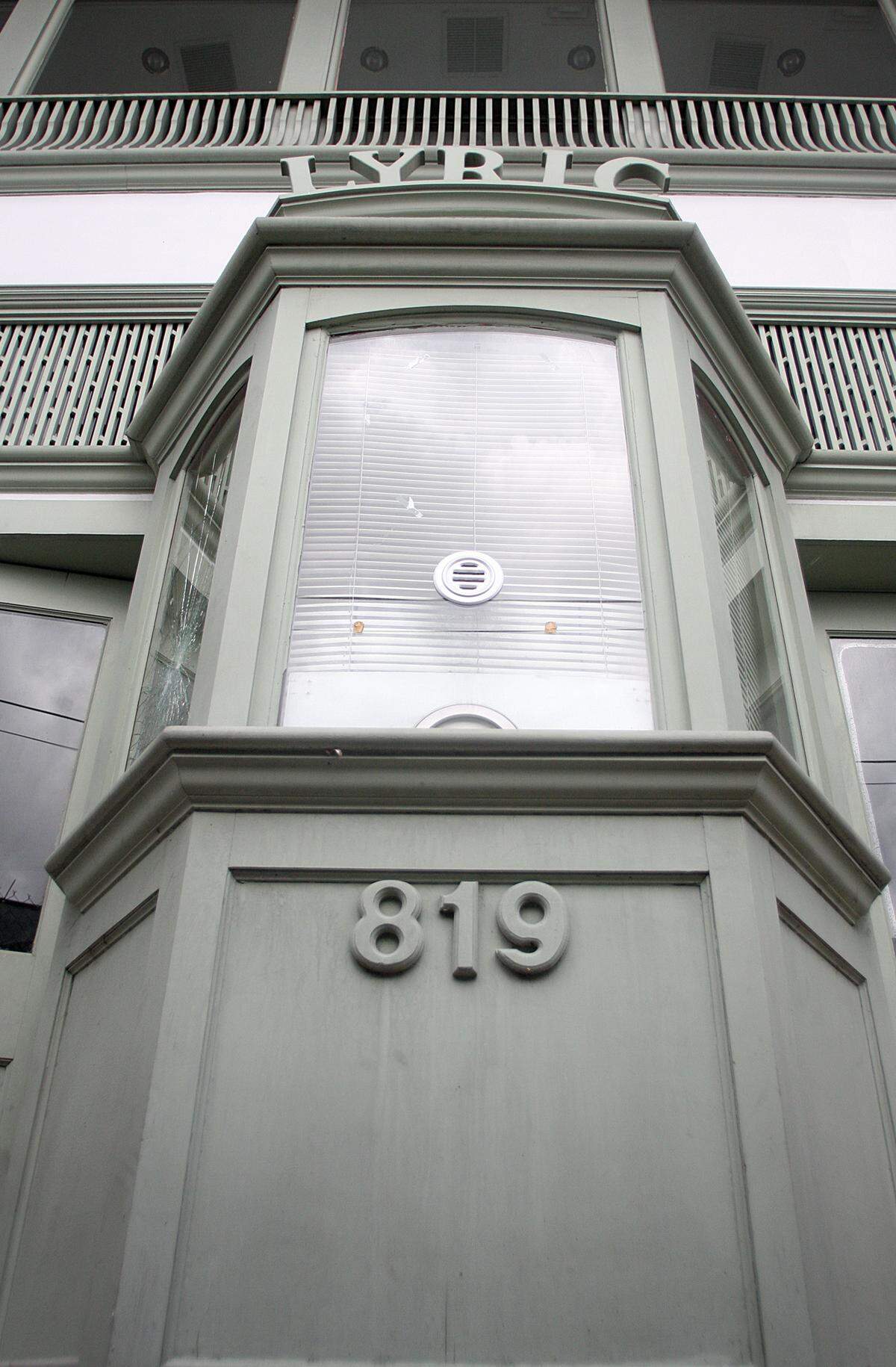
Barber oversaw the Archives’ advance into the digital age, uploading its collections online. The Archives also hosted exhibitions to ensure the stories of Black Americans remained at the forefront of people’s minds.
“We’ve come a long way as an organization in being relevant in today’s society,” he said. “We’ve moved by leaps and bounds. We’ve moved mountains.”
The story has been updated to reflect the board of the Black Archives hasn’t made plans to conduct a search for a new director and Kamila Pritchett will be the interim director. A previous version of the story said the board would decide after six months whether to hire Pritchett permanently or conduct a search.
This story was originally published June 15, 2022 at 6:00 AM.