
Florida to invest $89 million in workforce training for state colleges, school districts
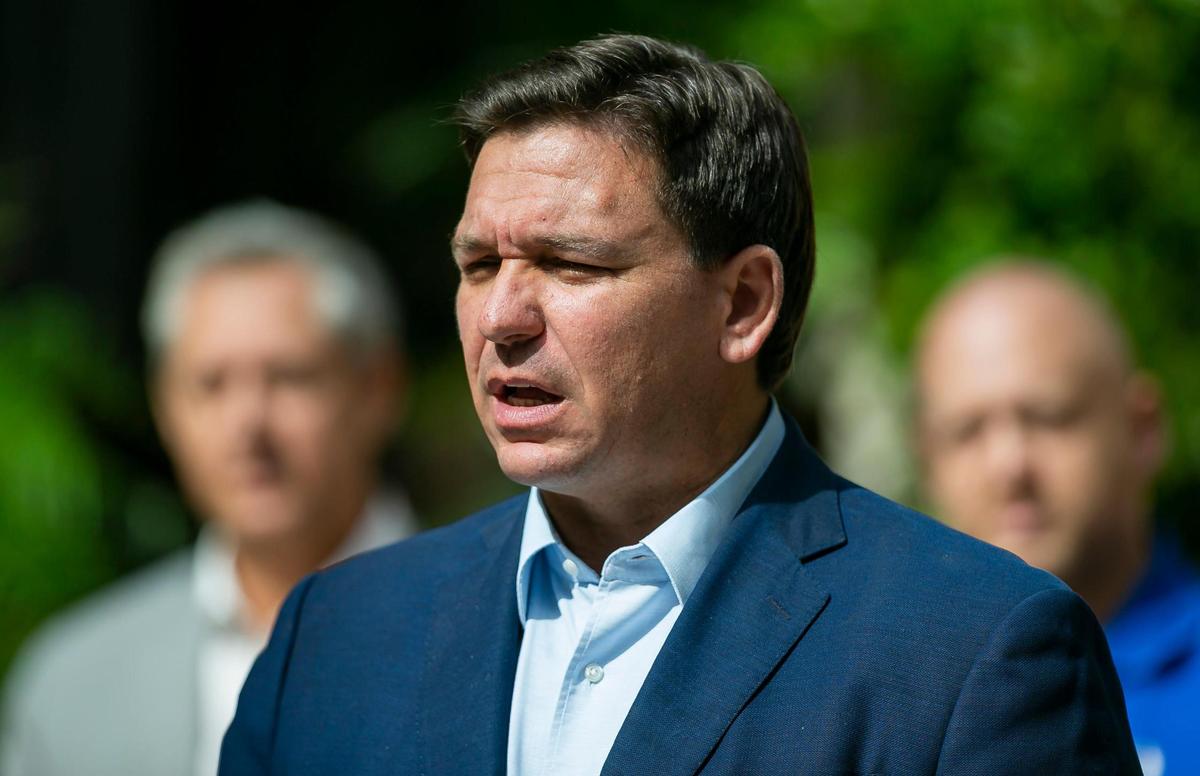
At a news conference Wednesday in Gainesville, home of the state’s flagship university, Gov. Ron DeSantis announced an $89 million state initiative to boost career and technical training for students who decide against a traditional college degree.
“Yes, we like the state universities, the state colleges, it’s great, but so much of the career and technical has moved out of high schools, where it used to be a staple,” the governor said. “It seems like over the last generation it was de-emphasized.”
The new investment will address that, he said, adding that the state has spent $3.5 billion on workforce education and training initiatives since he took office in 2019. The latest infusion of money is earmarked for state colleges and school districts.
DeSantis said the allotments include:
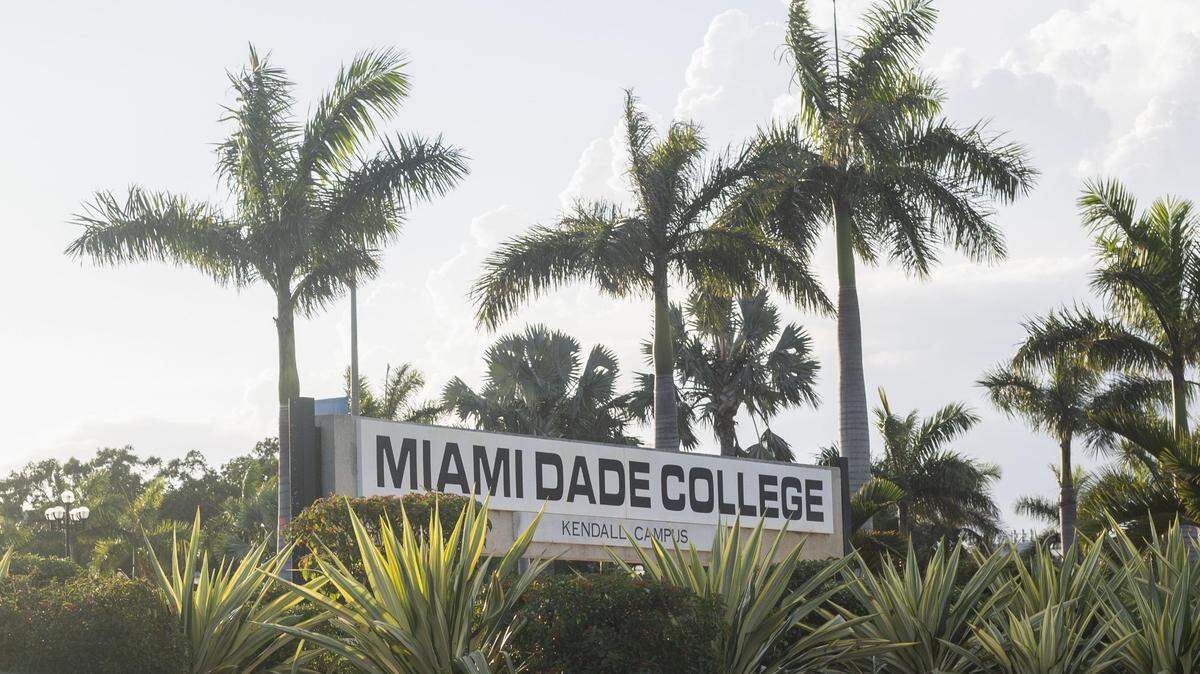
▪ $10 million to Miami Dade College, Northwest Florida State College, Santa Fe College, St. Petersburg College and Tallahassee Community College to create career and technical education charter schools for high school students. Students would graduate with a high school diploma, an associate’s degree and a workforce credential.
▪ $26.5 million to expand career dual enrollment in science, technology, engineering and math programs.
▪ $20 million to “accelerate” post-secondary pathways in cybersecurity and information technology.
▪ $12 million to increase registered apprenticeship programs.
▪ $9 million for critical workforce needs such as nursing, law enforcement and supply chain logistics.
▪ $12 million in “educator resources and data-driven supports for students and employers.”
DeSantis said these alternative pathways allow students to enter the workforce in high-demand fields without debt. To make the point, he returned to a term he has used many times before, “zombie studies,” referring to some college degrees that he says have little application in the work world.
“Our state universities, we don’t let them raise tuition, so you don’t go hundreds of thousands in debt, but some people do in these private universities,” DeSantis said. “Some of these degrees are zombie studies or other things that really don’t make a difference, and so they end up with a millstone around their neck and it’s harder to succeed when that happens.”
Apprenticeship programs
DeSantis also said the funds would allow high school students to participate in apprenticeship programs, including 50 new ones the state has added. He also said he has recommended an increase in the state budget for job growth grant funds and $534 million for workforce education.
Henry Mack, chancellor at the Florida Department of Education, said state data shows that graduates from career and technical programs, known as CTE, earn the same median lifetime earnings as those with undergraduate degrees.
“No longer is it opposed to traditional academics,” he said. “CTE is an equal, viable and awesome opportunity for prosperity.”
Paul Broadie, president of Santa Fe College in Gainesville, spoke about partnerships with private companies that hire students trained at the college and how the partners will hire high school students as interns.
“When we talk about economic and social mobility, it starts with our workforce,” Broadie said. “It starts with education at the center.”
This story was originally published February 3, 2022 at 3:15 PM.