He arrived as a teen with no papers. He’s leaving as head of Miami schools. His journey
With Alberto Carvalho announcing on Dec. 9 that he would be leaving as Miami-Dade Public Schools superintendent to head the Los Angeles Unified School District in California, the nation’s second-largest public school district, he will be saying goodbye to a career that began 31 years ago as a science teacher at Miami Jackson Senior High.
Carvalho’s journey typifies the American immigrant story. He came to this country alone when he was 17 with no papers, leaving behind his mother, father and five siblings in Lisbon, Portugal. He slept on the streets.
He wound up in Fort Lauderdale — lured by ads of sun and fun he saw in New York — and took odd jobs, including selling suits and busing and waiting tables, while putting himself through Broward Community College. A stint at a restaurant owned by the late Rep. E. Clay Shaw, who served in Congress from 1981 until 2007 and was a former Fort Lauderdale mayor, led Carvalho to get a student visa and work permit.
And a $2,000 loan from a nun led him to graduate from Barry University.
Here, then, are some of the highlights of Carvalho’s career:
1990: Alberto Carvalho is hired at Miami Jackson Senior High School as a physics teacher after graduating from Barry University. Then 25, he told Assistant Principal Enid Weisman, during the job interview, that he wanted to be a superintendent. He had never been in a classroom at that point.
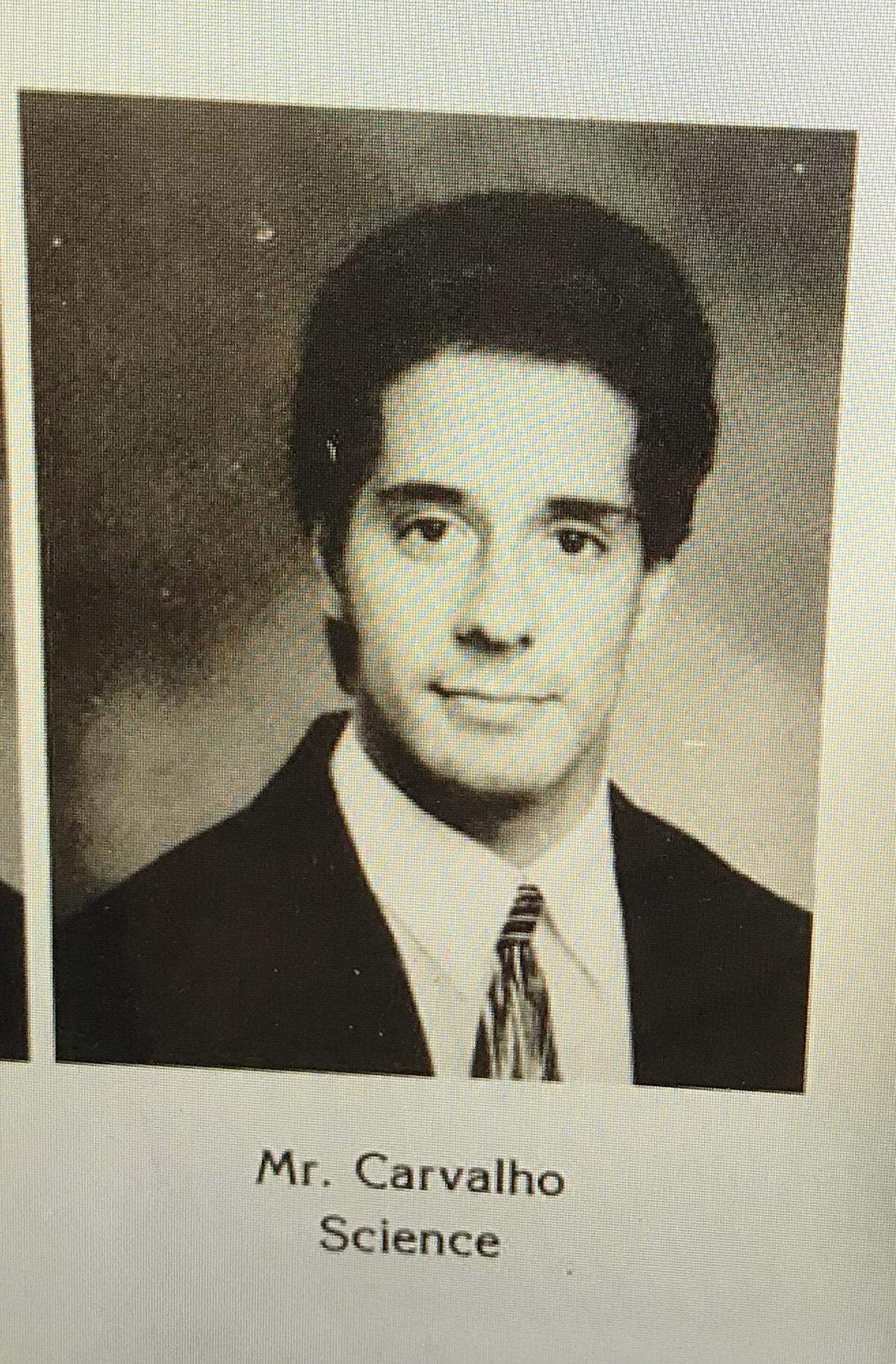
1996: He’s tapped, also by Weisman, to be assistant principal of William H. Turner Tech High.
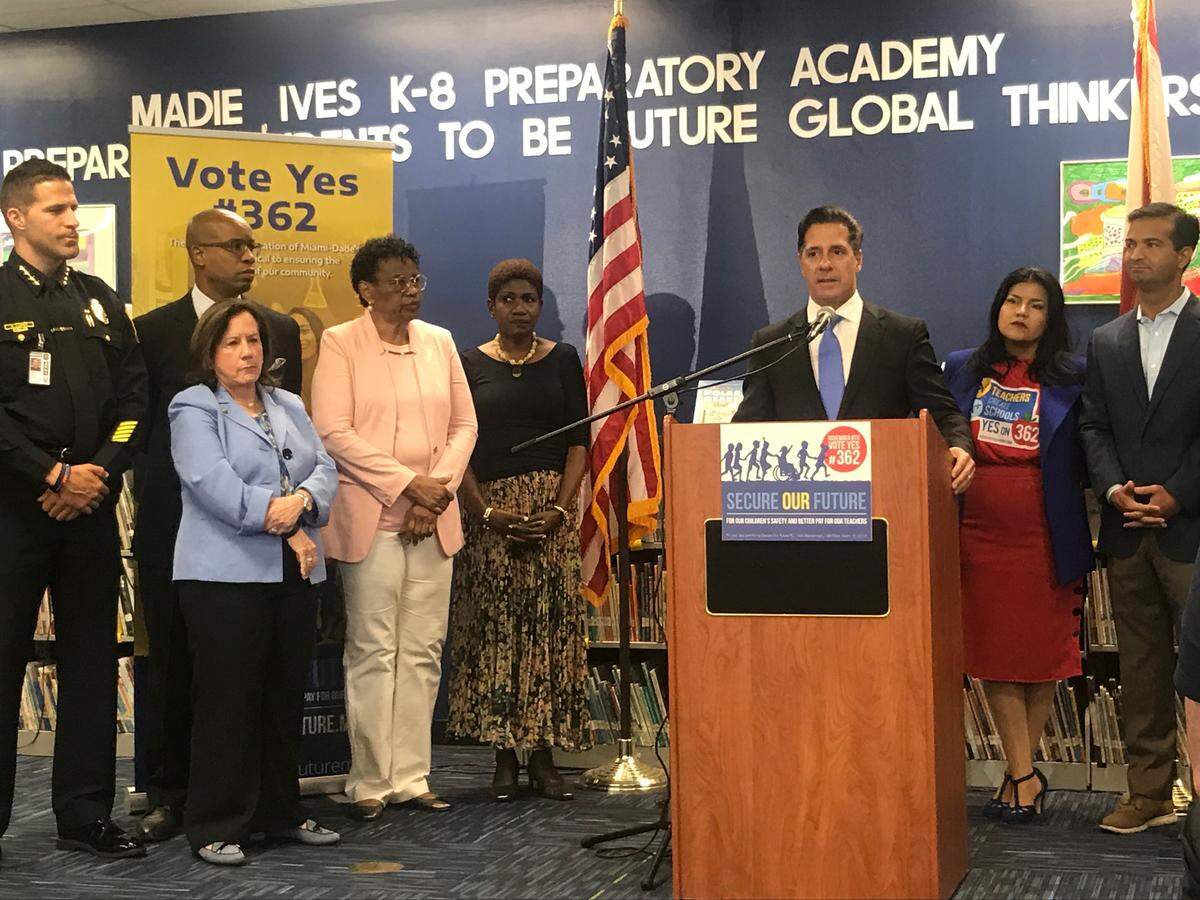
Sept. 10, 2008: Carvalho, then 43, is named superintendent of Miami-Dade Public Schools, just hours after the Miami-Dade School Board negotiated a $386,000 buyout with former Miami-Dade Schools Chief Rudy Crew. He was offered the superintendent’s job in Pinellas County the same day, but turned it down. His contract calls for a $275,000 salary.
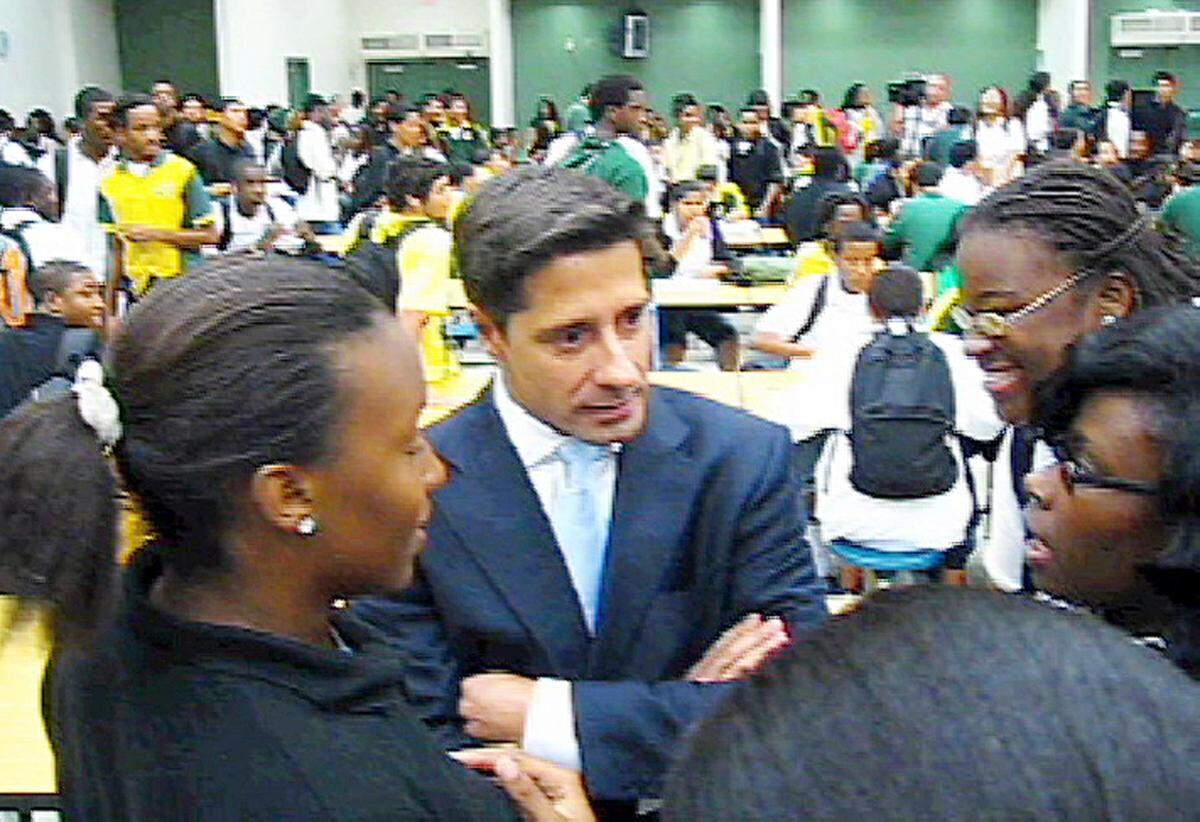
2009: The Primary Learning Center at the School Board Annex opens for two classes of pre-K and one class of kindergarten.
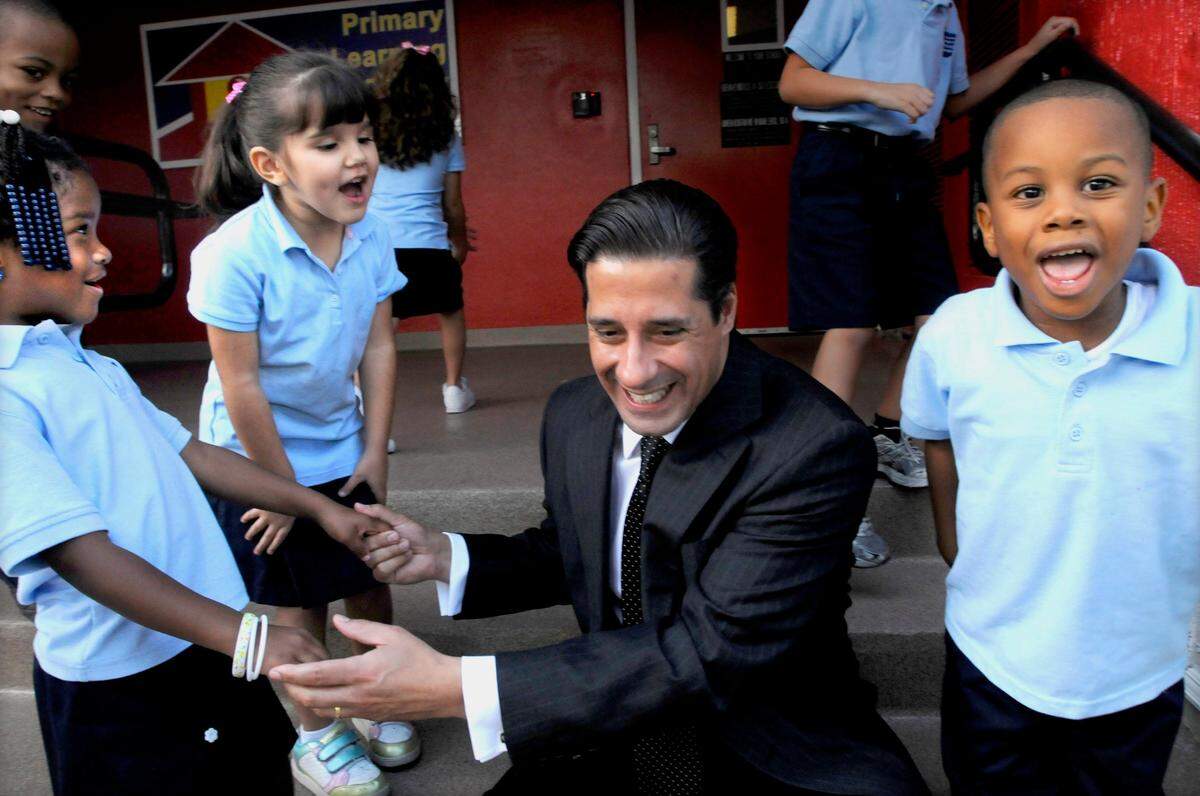
2010: iPrep Academy opens at 1500 Biscayne Blvd., at the site of the Primary Learning Center. In addition to students from pre-K to first grade, the school adds 11th and 12th grades. Carvalho founded the school, which he pitched as a place where students would work on laptops and use other forms of technology. He appointed himself principal. The school, now pre-K through 12th grade, has a 100 percent graduation rate.
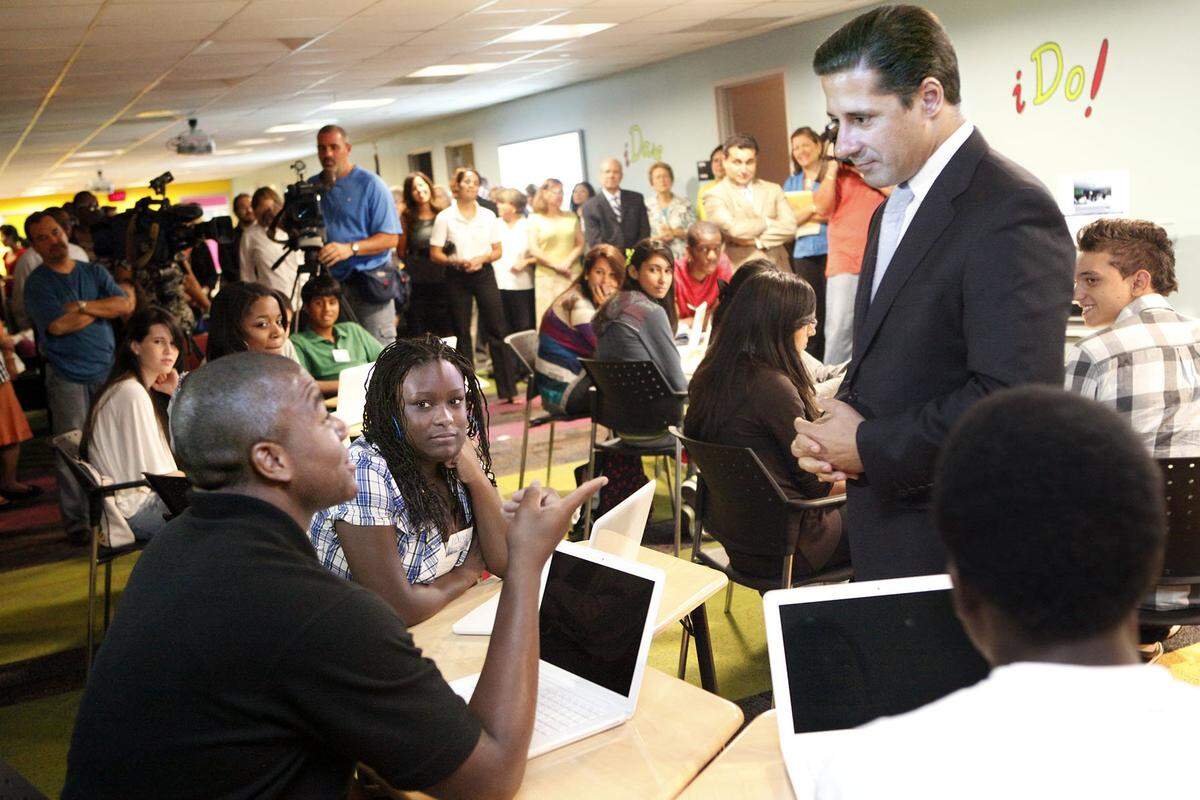
2012: The district wins the Broad Prize for Urban Education; the award recognizes the district’s gains in achievements among Black and Hispanic students. The accolade brings more than $500,000 in scholarships to Miami-Dade students.
2012: Voters approve a $1.2 billion bond referendum for Miami-Dade Schools to rebuild and repair aging school facilities.
2014: The district is named the College Board Advanced Placement Equity and Excellence District of the Year for expanding access to AP Exams and improving AP Exam performance; Carvalho is named Florida’s Superintendent of the Year and National Superintendent of the Year.
2016: Carvalho is named winner of the Harold W. McGraw Jr. Prize in Education for raising the district’s academic standards and improving its graduation rates. He is also named the Magnet Schools of America 2016 Superintendent of the Year, recognizing the district’s wide array of magnet programs.
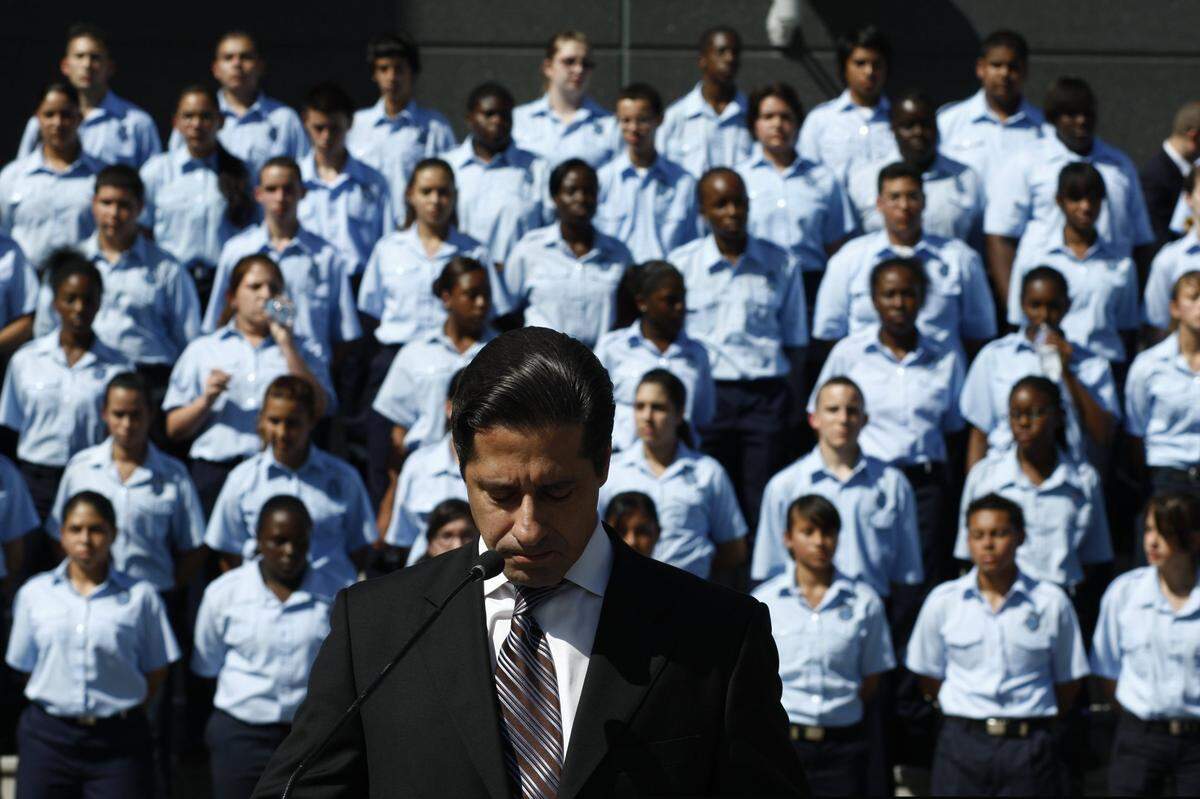
2018: Carvalho is named National Urban Superintendent of the Year by the Council of Great City Schools and receives the Green-Garner Award. The award is named in memory of Richard Green, the first Black chancellor of the New York City school system. The award comes with $10,000 in scholarships for Miami-Dade students.
2019: Carvalho is named the 2019 National Association for Bilingual Education Superintendent of the Year.
March 2020: Miami-Dade and Broward public schools announce they will pivot to online classes in response to the coronavirus.
August 2020: A software outage brings Miami-Dade Schools to a crashing halt on the first day of virtual classes for the 2020-21 school year. Carvalho calls it “one of the greatest disappointments.”
September 2020: A 16-year-old South Miami High student is arrested and accused of launching a cyberattack that helps shut down the district’s online classes.
October 2020: Miami-Dade Schools returns to in-person classes after schools pivoted to remote learning in March 2020 during the first weeks of the coronavirus pandemic.
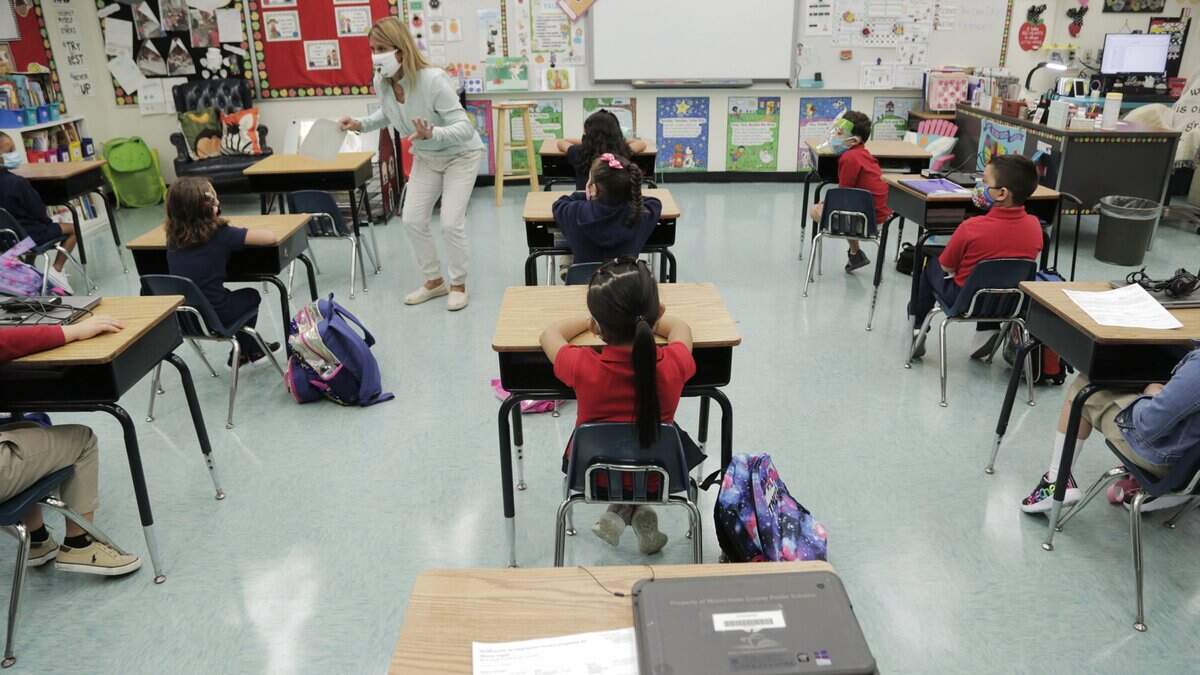
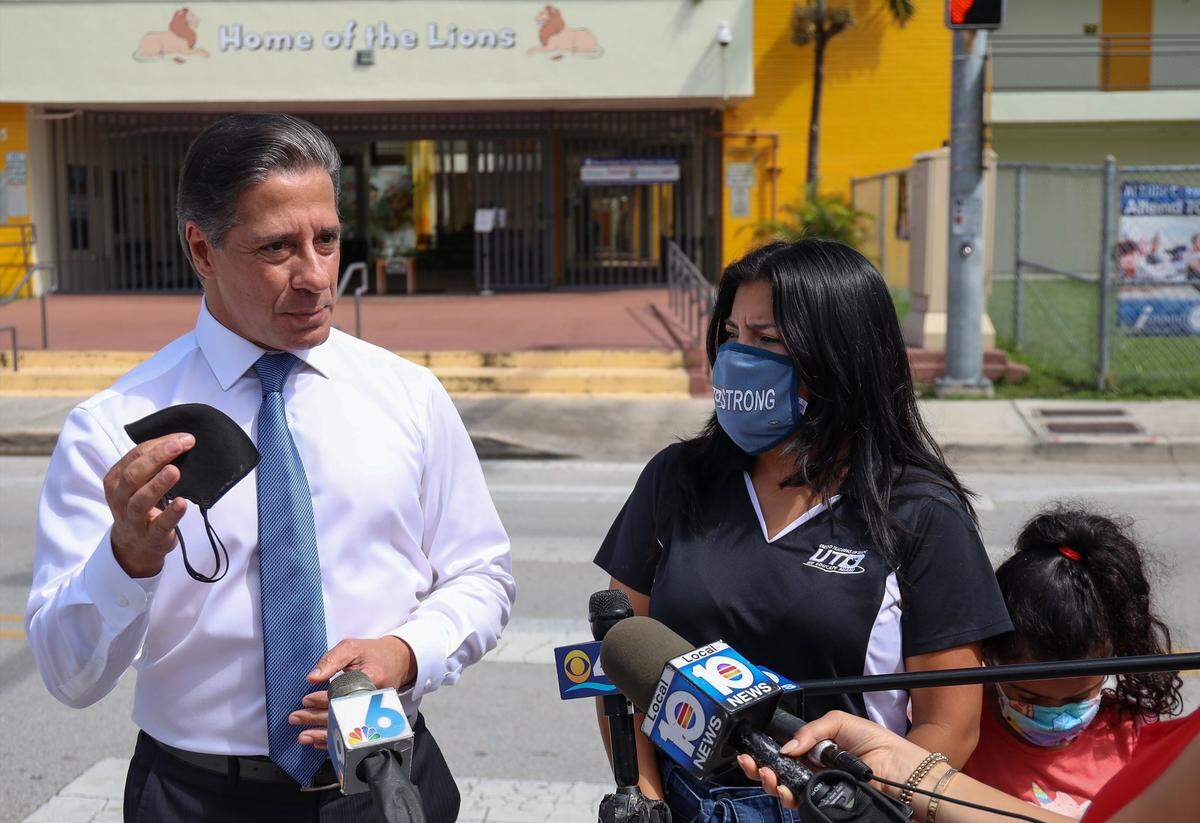
2020-21: Carvalho gains national recognition and status during the COVID-19 pandemic over his disagreements with Florida Gov. Ron DeSantis over mask mandates in schools and in-person learning.
March 2021: An Instagram account named “I have a lover” with the handle @superintendentofmiami surfaced featuring intimate selfies of Carvalho. At the time, Carvalho called it a “fake social media account, portraying illegitimately obtained images of me.”
June 2021: The Office of the Inspector General of Miami-Dade County Public Schools determines there were “no actual violations” in the $1.57 million donation solicited by Carvalho from the company that created the failed online learning platform for the district, but his solicitation of the donation creates an “appearance of impropriety,” the 82-page report says.
August 2021: Miami-Dade Schools reopens to in-person classes for all students.
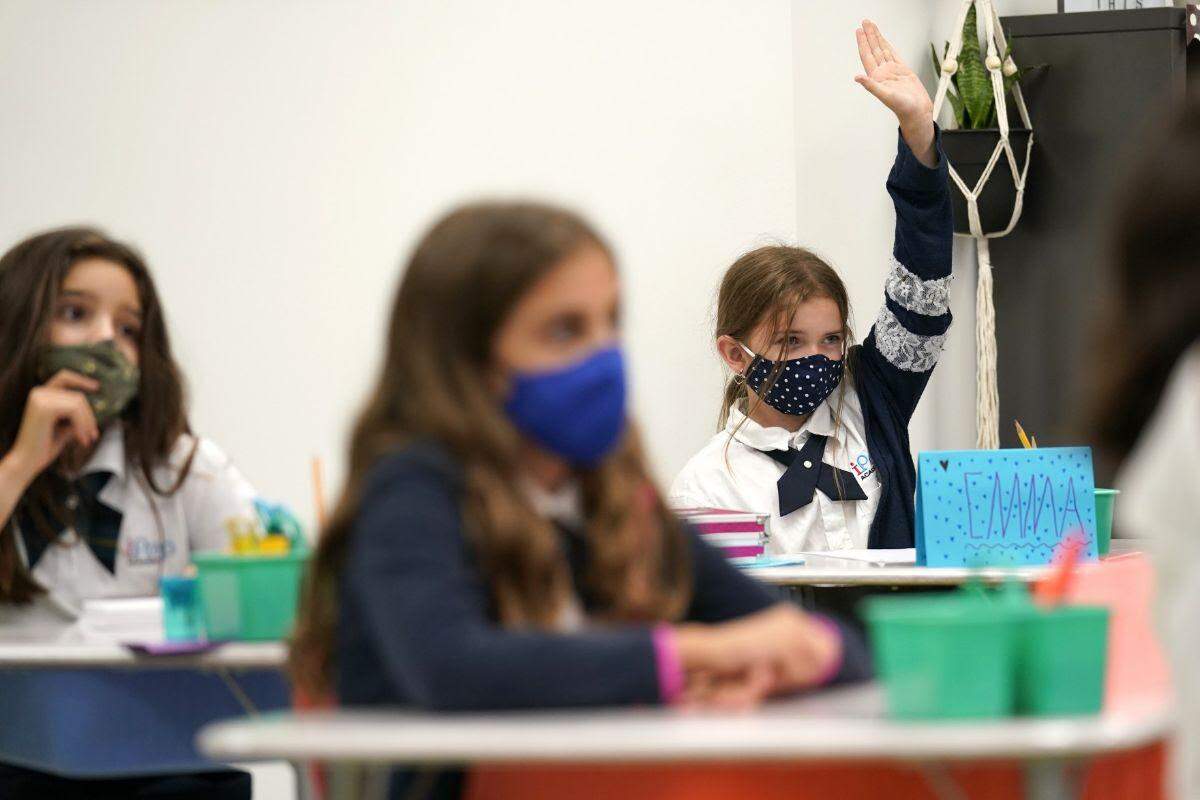
2021: Carvalho is awarded the Official Cross of the Orden de Isabel la Catolica (Order of Isabella the Catholic) on behalf of King Felipe VI of Spain for his role in expanding Spanish-language programs in Miami-Dade Schools. He also receives the Ordem de Mérito Civil by Portugal. Carvalho came to the United States from Portugal when he was 17 years old and did not have the proper immigration papers.
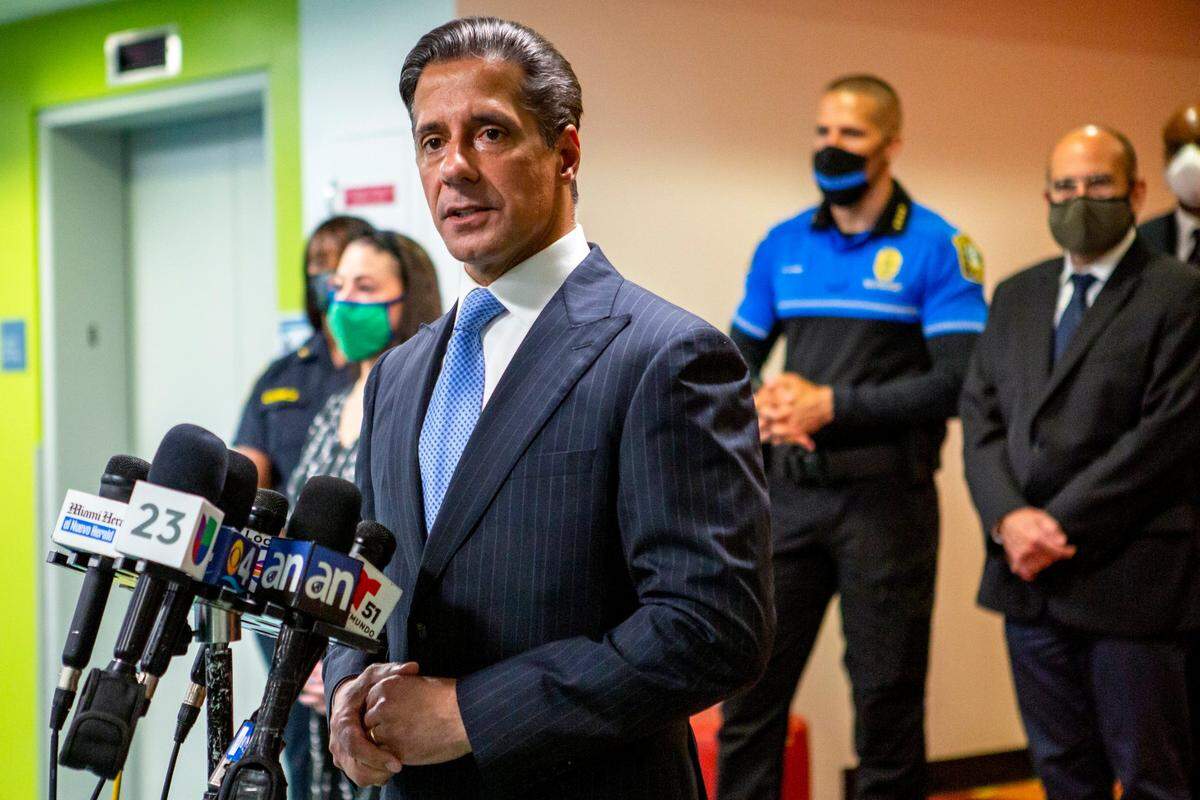
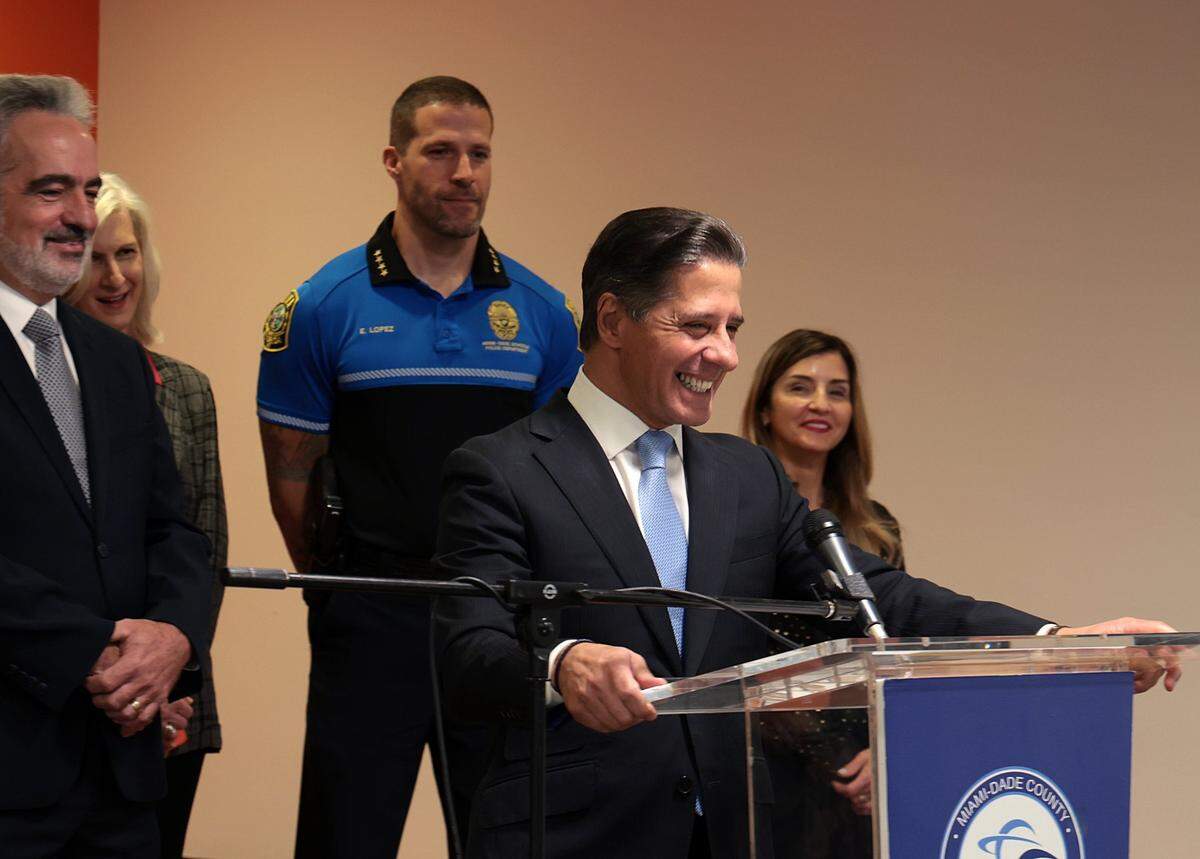
Dec. 9, 2021: Carvalho, 57, announces he’s leaving to become superintendent of the Los Angeles Unified School District, the nation’s second-largest school district after New York. Miami-Dade is the nation’s fourth-largest district. L.A. approves a four-year contract for him, with an annual salary of $440,000. He earned around $350,000 as Miami superintendent.
Sources: Miami Herald archives and Miami-Dade Public Schools. Information from stories by former Miami Herald Education Reporter Colleen Wright also was used in this report.
This story was originally published December 22, 2021 at 6:00 AM.