
Social issues, student struggles replace proms in yearbook pages of Miami high schools
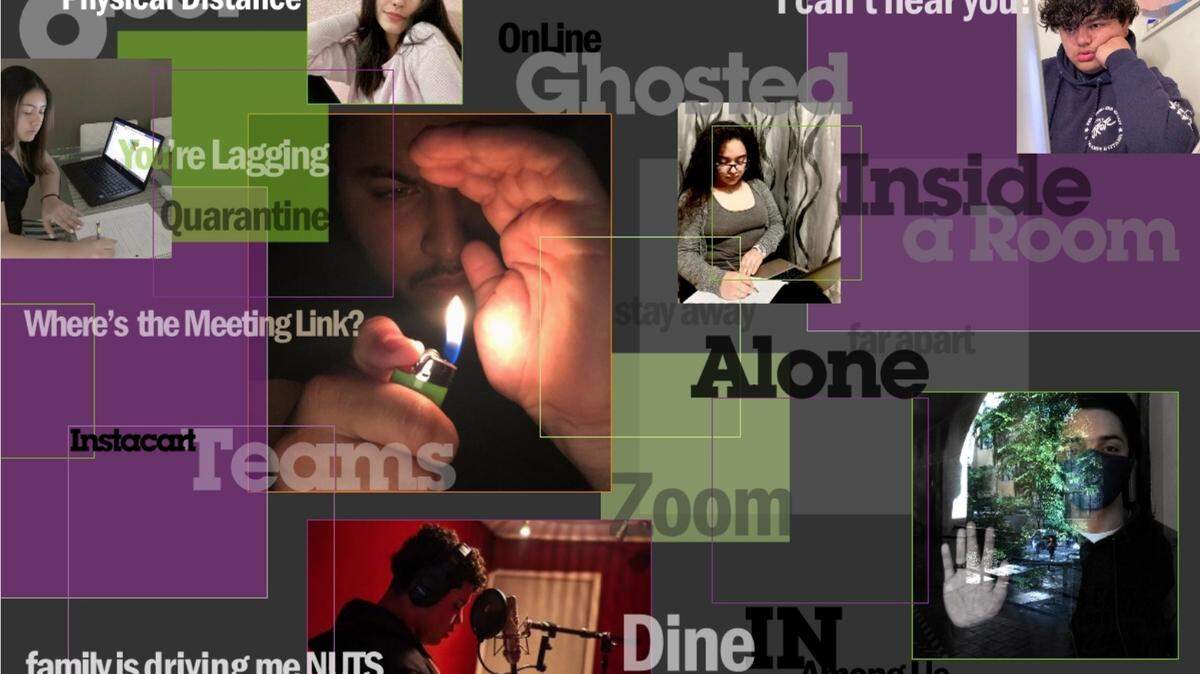
In its more than century of existence, Miami Senior High’s yearbook has come out despite two World Wars, several financial downturns, including the Great Depression, and, most recently, a global pandemic.
Normally, Miami High, founded in 1903 and Miami-Dade’s oldest public high school, is bustling with homecoming parades, pep rallies and enough senior activities to last a lifetime. The school’s first yearbook came out in 1914 and has been published every year since.
“We usually didn’t have to struggle for content. Usually we had too much content and we had to eliminate things,” said Idania Diaz, the adviser who oversees MIAHI, the yearbook.
But this wasn’t an average year. Like schools across South Florida, many of Miami High’s school events were canceled due to COVID-19. And many students were not in school, choosing instead to learn remotely to minimize the risk of contracting COVID. About half of the district’s 255,000 students took courses remotely during the school year.
As a result, high school yearbook editors across Miami-Dade had to find new ways to tell stories, from chronicling news events, including protests after George Floyd’s death, to broadening story lines to reflect what students were going through during the pandemic.
“We expanded the kinds of stories we tell. But this year, we included things like, ‘What are students doing now that they weren’t doing before?’ A lot of students have jobs, more than I’ve ever noticed before,” Diaz said.
Stories reflect COVID struggles among students, teachers
Yearbook editors also did not shy away from the difficulties brought on by the pandemic, including mental health issues and social isolation students faced from being away from their friends, their teachers and the structure of school. Teachers’ issues also were highlighted.
“My favorite thing about this book is that usually we’d never cover negative topics for students’ struggles. Whereas this year, we have to acknowledge that we and our student body have struggled during this time,” said Antonella Sira, yearbook editor in chief at Dr. Michael M. Krop Senior High in northeast Miami-Dade.
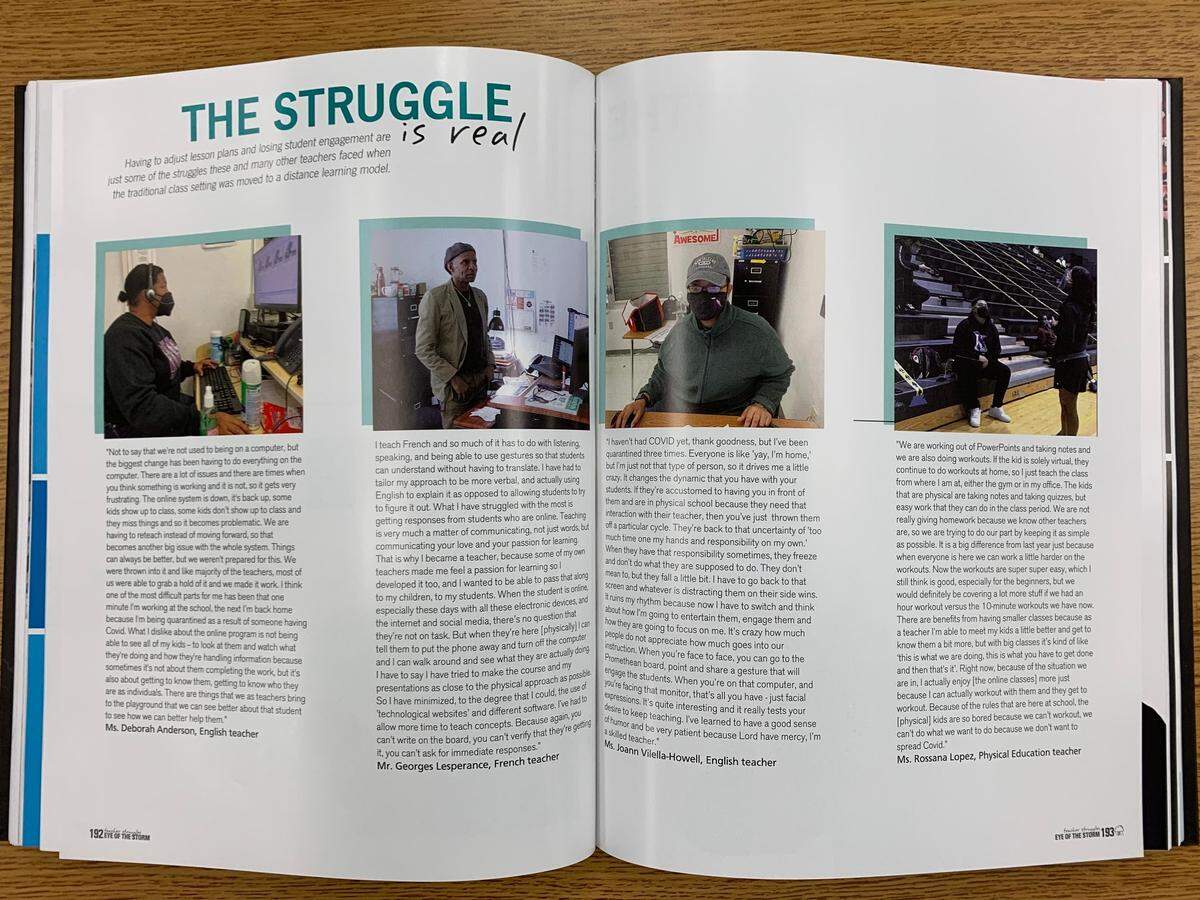
Krop’s editors created a section of the yearbook, which is titled Renaissance, that focused on student struggles. Called “Eye of the Storm,” the section covered topics such as mental health, athletes’ struggles (many did not have a season due to COVID), students and teachers who contracted COVID, and the financial hardships of students, faculty and staff.
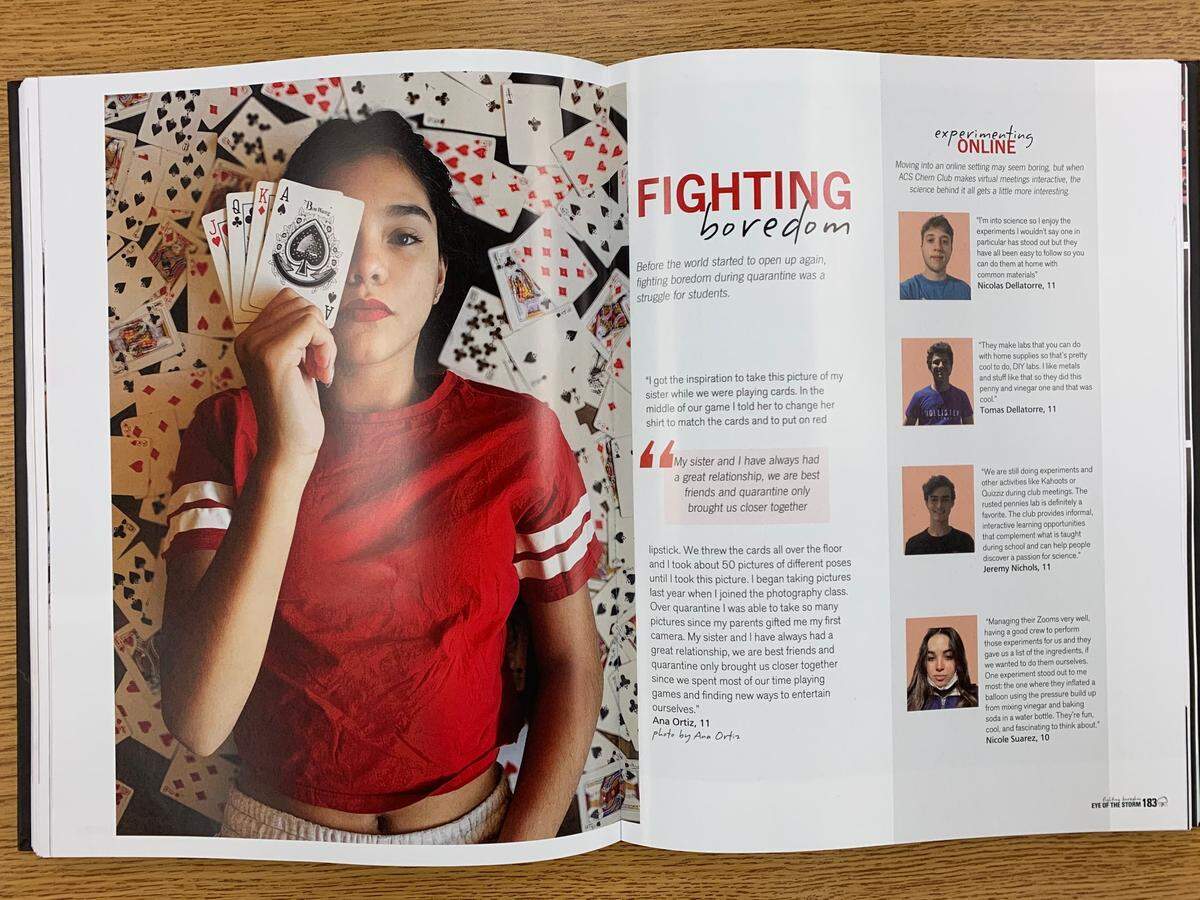
“This year, you have a lot of students at home [and] people whose families are out of work,” said Natalie Bilbao, Krop’s yearbook adviser. “This is a real problem this year, and it’s affecting a lot of our student body. So I think to not address it would be not really reflecting what the school year is and the reality of it.”
.jpg "IMG_7935 (1).jpg")
Finding students who were not on campus
Getting hold of people hasn’t been easy.
At Krop, like many schools, about two to three students per class attended it in-person; the other students took the class remotely.
Figuring out whether a student was in school or learning remotely was challenging.
“If we needed to ask one of the athletes a question, I would send someone to the class and it would turn out they’re an online student,” said Diaz at Miami High, a photography and graphics teacher.
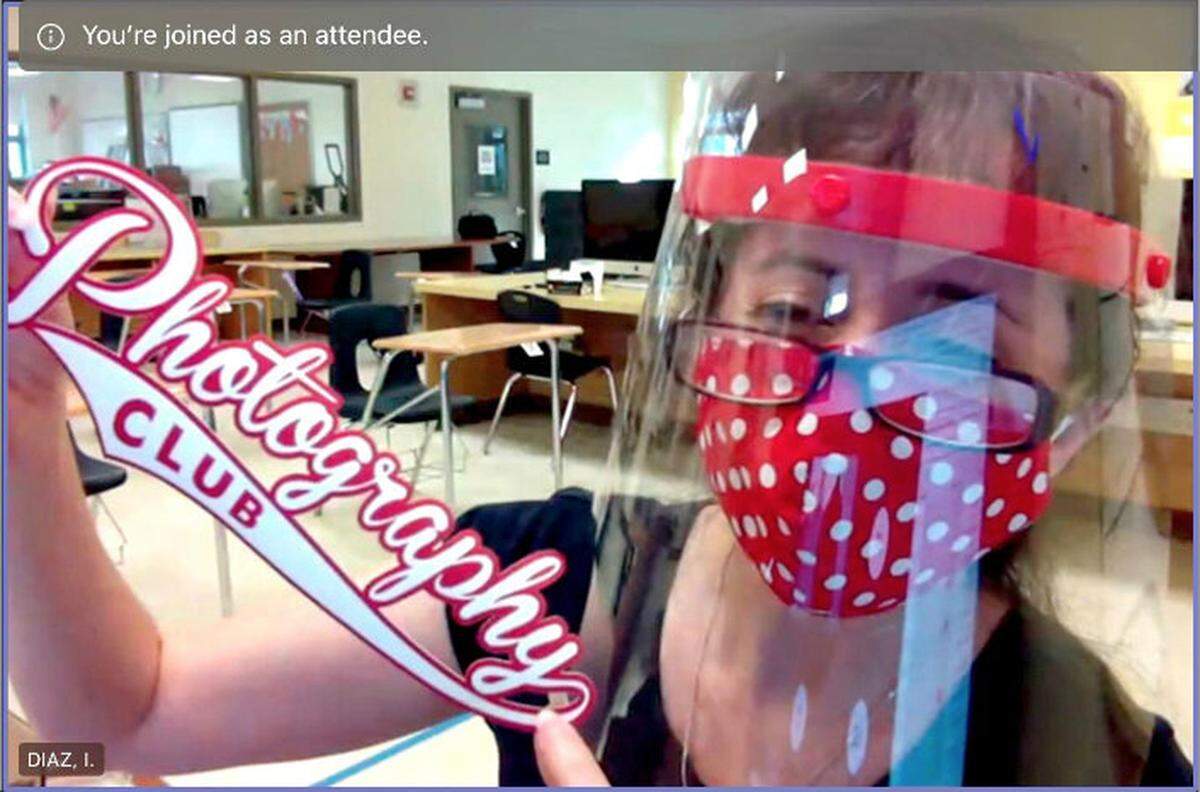
A short supply of yearbook staffers also compounded production cycles.
The Miami High yearbook staff began the school year with about 25 students and ended up with only five, who had to work around the clock to finish the book.
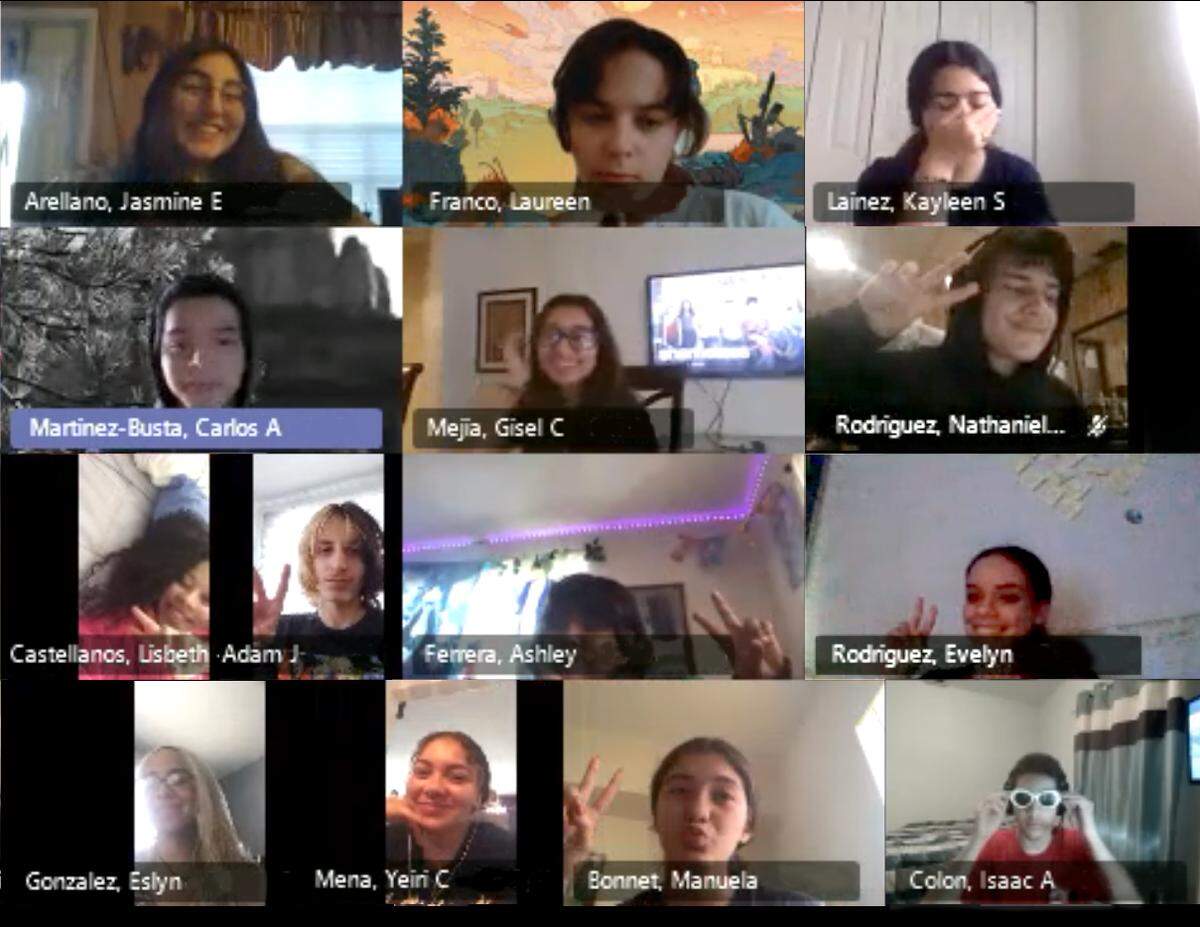
“Making a high school yearbook is like you have that big Indiana Jones boulder careening toward you and I am teaching the students how to run,” Diaz said. “We’re carrying an elephant this year and we got squished. One by one, the yearbook students got squished.
“They said, ‘You know what? I’m getting a full-time job and I’m not going to come to school anymore. I’m gonna stop showing up to class.’ So at the end of the school year, I had just a little handful of students who were taking up the pages that the other students didn’t do.”
Big news events played a role
To find out what students were doing, yearbook editors turned to social media, picking up trends such as students doing makeup during quarantine, getting jobs or learning to cook.
At Coral Gables Senior High, yearbook editors mastered interviewing students over video calls.
“Our content was produced by texting people, by calling people, and a lot of virtual interviews,” said Daniel Fernandez, editor in chief of the Gables yearbook, called Cavaleon. “This year wasn’t like we could just go into lunch or go into a classroom and pull a student out to ask questions. We really had to have a social media presence to make sure that kids knew that there was still going to be a yearbook.”
They shared over 50 polls in social media, asking students about what topics they wanted covered and how they were doing during the pandemic.
They also asked students about news topics such as the death of Supreme Court Justice Ruth Bader Ginsburg, who died on Sept. 18, 2020, and whose legacy was featured in the Gables yearbook.
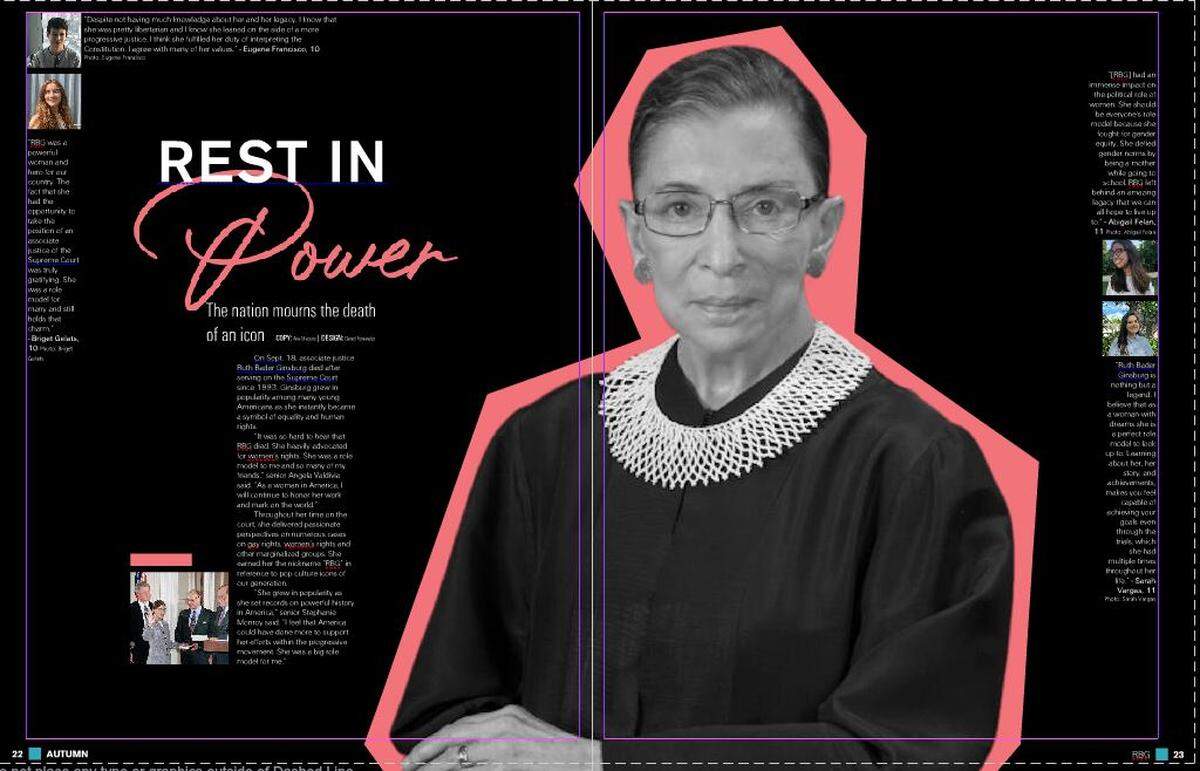
With so much news over the past year — from a presidential election, to the pandemic to a racial reckoning brought on by the death of George Floyd — yearbooks reflected current events in their pages.
“This year was very important to be historically accurate because many of these things aren’t going to be around for the next five to 10 years,” said Daniel. “I think it’s important that when you look back at this yearbook 20 years from now, [you understand] what was going on. What changed? Were people really wearing masks? Were teachers really dismissing classes? What did it look like this year to be a student in the middle of a pandemic?”
Gables High yearbook featured a spread on the Black Lives Matter movement in South Florida, interviewing students who attended protests after the death of Floyd, a Black man who was killed after a white Minneapolis police officer knelt on his neck for nearly nine minutes.
.JPG "Summer Miami Protests Spread 2021 (1).JPG")
At Miami High, stories about how students got new jobs during the pandemic were played up in the yearbook pages.
“Some of them had to work because of financial reasons, as their parents were struggling. Others did it because they just had the time now that they were at home,” said Diaz, the yearbook adviser.
Photography also played a bigger role.
“We had to get a little creative. There were things that we had set aside a spread for, but then it was canceled. So then we had to come up with another idea,” Diaz said.
“I also teach graphics and photography and one of the assignments I had them do was complementary color photography. Whenever something fell through, I had those images there to fill in the space.”
Beyond the schoolhouse
The editors at Gables High created four different covers: Miami Beach, Wynwood, Downtown and Coral Gables.
“That’s the first time that we’ve given students the opportunity to pre-order for unique covers and choose the one that they like the most,” said Daniel, the editor. “A lot of our photography had to broaden, not just between the walls of the school, but to our community or wherever you may be during the pandemic.”
In the end, the editors said, the yearbooks came out better, reflecting the lives of students — and the community at large — in a school year like no other.
“I think the pandemic inspired us to kind of get out there and do yearbook in a way that isn’t traditional this year,” Daniel said.
“There was nothing really traditional about the way that yearbook came to be,’’ he added. “We really had to think outside the box, and I don’t think that none of this would be prompted, without the circumstances that we were facing.”
This story was originally published June 8, 2021 at 12:49 PM.