
‘Notice the little things rather than the big picture’ — students reflect on COVID’s impact
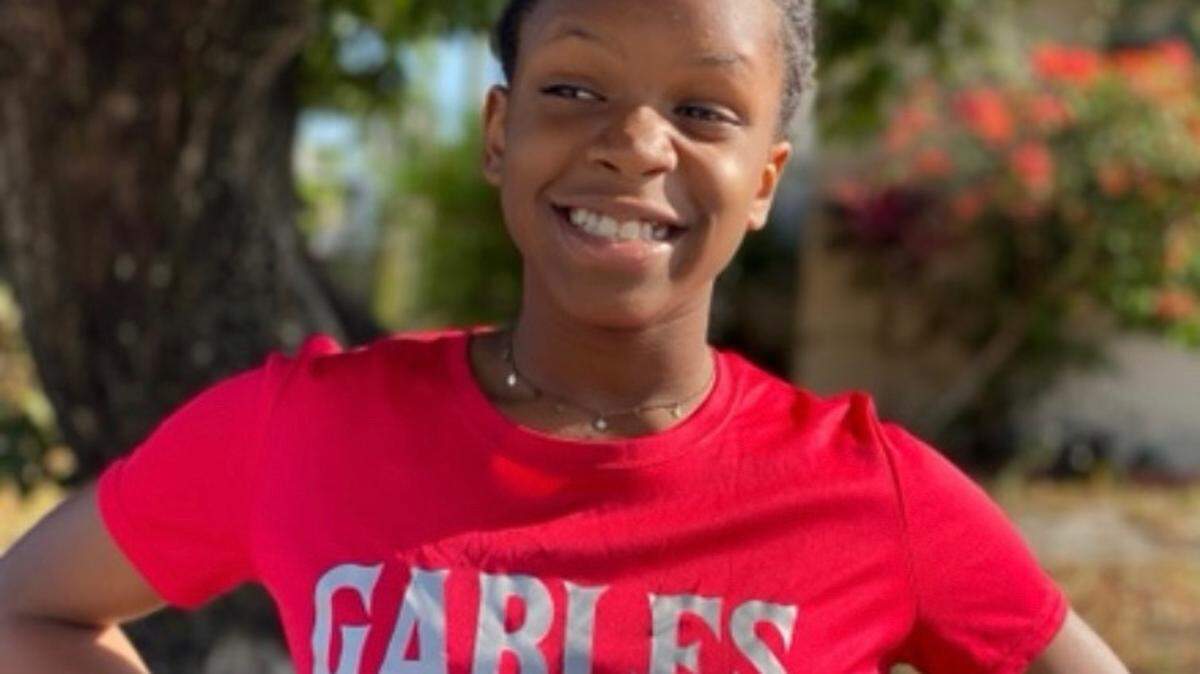
Here is a selection of essays from Coral Gables High School students who were asked to write their thoughts on “How Has COVID Impacted You?”
The essay contest, which drew 113 submissions, was organized by student Nicole Bohlmann and earned a Gold Award from the Girl Scouts of Tropical Florida.
The three winners: Leah Ullman, Kayleigh Guin and Samantha Correa.
The essays will be preserved in the State Archives of Florida, where they are accessible to the public.
“The voices and experiences of youth are often underrepresented in government historical records collections, and this collection provides insight into the experiences of high school students during a historic year,” said Secretary of State Laurel M. Lee.
The essays have “exceptional historical significance, “ State Archivist Beth Golding said.
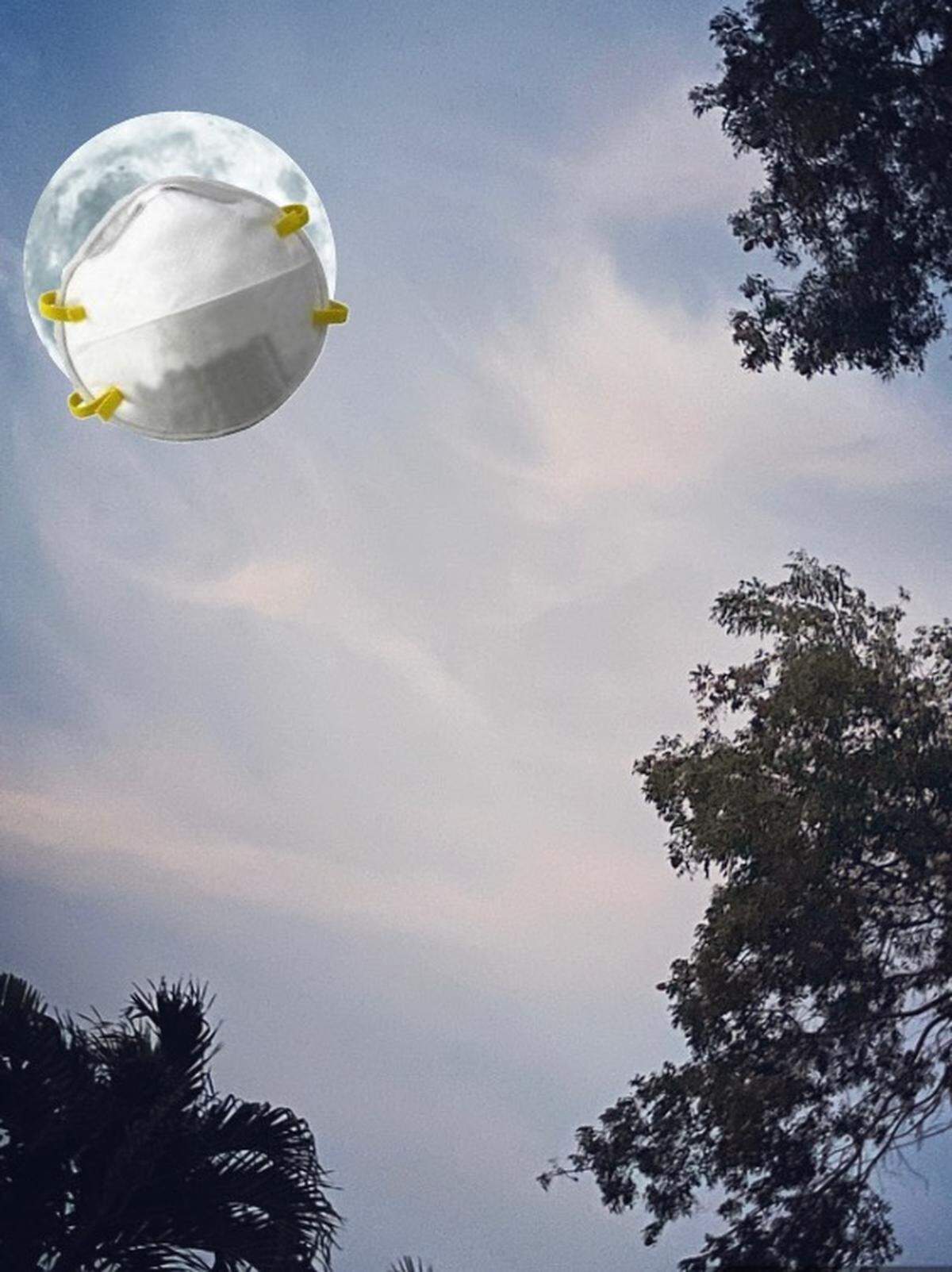
By Imgard Sophia Bonheur
The devastation of COVID-19 has severely affected my mental health. Junior year, from start to finish was difficult in managing the first year of the full-fledged International Baccalaureate program. It was difficult adjusting to all the deadlines prior to the onset of the pandemic and the shift online, so staying home took a turn that impacted my mental well-being when concerning factors like my focus, self-care and confidence in myself and my schoolwork.
Pre-COVID, my hour-and-a-half commute and school day served as a respite from the issues I faced at home. My stepsister abruptly returned from studying in Europe, and she and her daughter moved in with us. After we switched to virtual learning, I found it challenging to find a quiet time to study and complete assignments with the number of people at home. I became frustrated with my academic performance and lost motivation, which reflected in my schoolwork and during the testing season. Some days, I even felt like I could not get out of bed because of school-induced and family stress. Despite those days, I tried to adjust.
Added onto the issues I faced, social media served to be my enemy during the six-month long isolation. I started to see that my body confidence that I had built up for so long started to dwindle. I started comparing myself to other young women on Instagram and TikTok that had these aesthetic looking physiques. I hated to admit it, but I found myself saying “I want to look like that,” but soon realized that despite these thoughts, I could use my pessimism towards bettering myself and my health. With this, I used this attitude and turned it into one that would encourage me to get back to the things I loved to do in my free time: run. I run track but with the season cut short, I got out of running for a couple weeks trying to adjust to the online learning curriculum. Running gave me something to do and started to positively impact my attitude towards life, though this revelation didn’t come till around June. I got into fitness, looking to an Instagram of retired professional soccer players who ran a live workout stream on their page.
With my newfound interest, I found other aspects of my life falling into place. Over the summer, I participated in the LEDA (Leadership Enterprise for a Diverse America) program, and despite being virtual, it also brought some perspective to the adversity I faced during the pandemic (some of which included some financial issues as well). I and 100 other scholars engaged in intellectual conversations about the issues happening in the world from BLM to conversations about indigenous people and their land. These changes impacted me greatly, but I am committed to adjusting to the ‘new normal,’ taking the lessons I learned from this hectic year and applying them to my life moving forward and helping others get through similar tough times.
By Christy Nicole Concepcion
In January, I sat in my World History class as my teacher displayed the rising coronavirus cases in China. Never would I have thought that that would become the reality in the United States except, it did, and much worse. March 13, my softball coaches told me that even after the end of the season for the junior varsity team, they still wanted me to resume practice with the varsity team. My coaches seeing potential in me filled me with excitement. As soon as this early spring break was over, I was gonna hit the field. I never went to the field, instead I sat at home for months.
The first week of quarantine was nice. I kept a group chat with my Track and Field teammates which kept me entertained, but little by little, people stopped texting. Cases were rising, and instead of leaving me informed, the president’s conferences left my mind fogged with confusion. Everyday felt like the previous one. It made me realize how disorganized my life was and how I never prioritize self-care. Without school, sports, and homework filling in at least ten hours of my day, I did nothing, except scroll. Scroll through social media for hours on end. Feeding into my insecurities, I saw pictures and praise of what society thought were beautiful women. I envied the models with the tiniest waists, and hourglass shaped figures. Because I did not get to go outside into the real world, a facade was created in my mind. I felt guilt and disgust in my appearance more than ever because I did not look like Kendall Jenner, I did not look like Alexis Ren or Adriana Lima. Only negative thoughts filled my head, and I could only rely on social media to give me the boosts of dopamine I needed. That is until I decided to implement routines in my life to feel productive despite being home all day. Over time, my mentality changed. I realized that it is all in my head, my insecurities are created by myself. After changing my mindset, I learned to love myself and focused heavily on self-care and improvement.
Now after nine months of quarantine, I am more confident than I have ever been in my life and continue to work out and get stronger every day. I learned how to practice softball independently in my yard. I have found a passion for music which allows me to be on social media less and listening to music keeps me entertained when completing boring tasks. Overall, this pandemic and isolation was just what I needed. It allowed me to find purpose, use my time wisely instead of just filling in the voids with responsibilities and social media.
By DeeAnne Montero
Imagine 10 months feeling like two days, canceling both Thanksgiving and Christmas, not seeing your family for almost an entire month, staring at a computer screen for almost the entire day, or simply being expected to adjust to a life that is changing right in front of your eyes.
Staring at what was once a blank screen, I spent about half an hour trying to pick one simple event to write about this past year. However, that’s the thing, nothing is simple anymore. I can’t write about one simple thing because COVID-19 took the simplest things away from all of us. The pandemic has brought the most downfalls I’ve probably experienced in all of my living years combined. I remember being surrounded by masses of people in school the afternoon of March 13, whereas now I can no longer recall nor comprehend the sight, feeling, smell, or even the thought I once felt stepping onto those school grounds.
I will never forget the first birthday caravan out of many I took part in, due to the fact those were the only times I ever left home. How about the fact that the most exciting part of my day was going to the trash chute because I couldn’t go anywhere beyond my apartment doors, not to mention so many people were living their normal lives in the outside world.
Of course, just like everyone else, after some time I started to get comfortable and began to go out with friends thinking that wearing these overpraised masks will magically protect me from this monster. Until I got an email exactly one day before Thanksgiving that caused tears to unleash as I reread the following sentence: ‘Your test results came back POSITIVE.’ While everybody spent Thanksgiving at the dinner table similar to previous years, I ate in the opposite room far from my high-risk mother who I viewed in a Zoom meeting alongside the rest of my family members. Not being able to spend the holidays with the family I incredibly prioritize is something one can’t relate to until they are robbed from the same thing.
Nevertheless, I’m extremely grateful for COVID-19 because not only did it help me appreciate what I have but also made me grow as a person. A simple walk outside or family dinner is something I used to take for granted whereas now they are the most captivating activities I undergo. All of us became so ignorant of what life meant other than grand outings and social media.
COVID-19 has taught me to find the good in the worst of situations, to be grateful for things I would’ve never been appreciative towards, perceive life in a bigger lens than ever before, to expect the unexpected, but most importantly notice the little things rather than the big picture. Thus, the best things in life are the ones I already have, not the ones I seek or think I need. “The comeback is greater than the setback,” said Michael Ediale.
By Juan D. Vazquez
Do you know what was the effect of COVID-19? COVID-19 is a disease that was discovered in Wuhan, China, and is now spreading throughout the world. COVID-19 has severely changed this world. In my personal life COVID-19 has been affecting me since it was officially a pandemic. As a student, I had to go through many challenges just to be able to finish my school year.
Many students were told to finish school at home, but for me this was a challenge because I needed an electronic device to be able to contact my teachers, this was hard because I have many siblings that had to do the same thing, and in my family, we were only able to afford one electronic device and could not buy more for the rest of my siblings. However, there was an opportunity that allowed us to borrow electronic devices from the public schools of Miami, and this opportunity helped me, and my family overcome the first challenge.
However, the opportunity of having electronic devices has caused many more challenges in my life. One of these challenges was that I had to spend a tremendous amount of time behind a screen. These large amounts of screen time have affected me in a bad way. Too much screen time can cause computer vision syndrome which includes strained, dry eyes, blurred vision, and headaches. I was affected because after a couple of months I started feeling these symptoms and it got very severe, so I had to do something to start preventing more of these symptoms, I had to change my diet, buy gadgets to protect my eyesight, change my sleeping schedule, and more. Having an electronic device allowed me to be able to see the news easier and faster. But this was another challenge because this meant that I had to hear the effects of COVID-19 to the world.
One of the things that affected me the most was hearing the number of deaths caused by COVID-19, every night I had to go to sleep thinking about the people that had passed away. This caused me to have a mental breakdown and feel anxious because I didn’t know if I could have been the next victim. In my life many things have changed. From cleaning to socializing everything is different now. In my opinion I think that COVID-19 is one of the worst things that has happened in this world because many people will never be the same and many people have passed the way. Rest in peace COVID-19 victims.
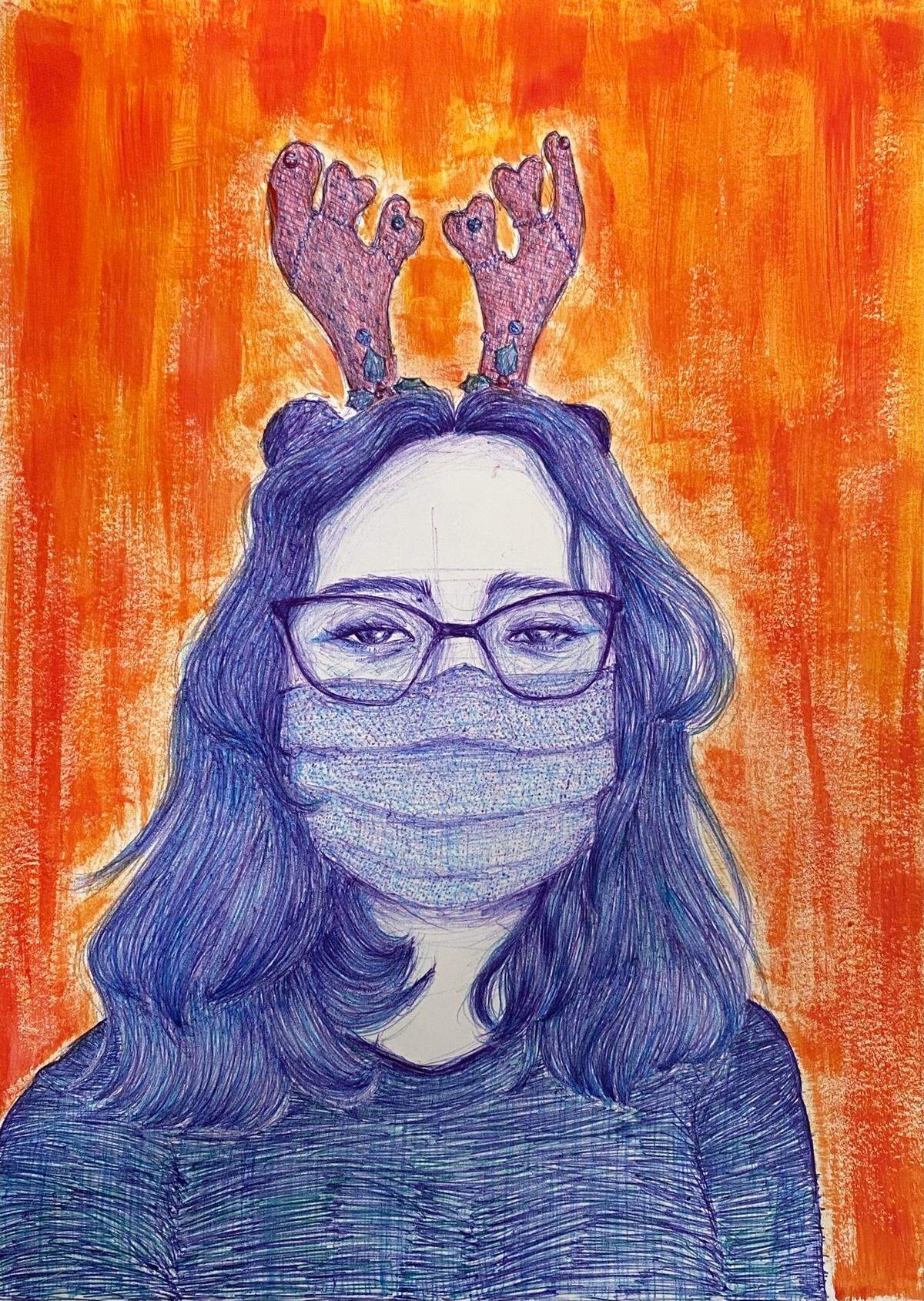
By Samantha Correa
I’ve finished a yearbook, started a magazine, got into college, endured an existential crisis (or three), explored the abyss of YouTube rabbit holes (I can now freely discuss Stoicism and the rise and fall of Shane Dawson), and... most importantly, I’ve grown into a stronger individual. Isolation has become such an integral device to define this point of human history — it’s bombastic, intrepidly loud, yet its presence silences us, the youth, into these odd bouts of concern and self-reflection.
My summer is a haze to me — a brief montage is the best way to describe it. There’s an opening shot of being in my room, plugged into my computer and cherishing Netflix Parties with my friends; a harsh cut to being outside in the rain, hoping to feel something profound before college submissions commence; a close-up of late nights speaking to my mother, my confidante and biggest cheerleader; Zoom calls to discuss passion projects I never thought I’d be able to accomplish beforehand; and, lastly, an out of sequence moment of me at school (sans a KN95 contrivance of foam and elastic) talking with my friends about how this virus was merely just that.
I want to say that I miss her: my past self. Small talk beckons me to assure perfect strangers, “yes, things were better back then without masks,” but I know, truthfully, this gawkily placed blip in the advancement of the human race was somewhat beneficial to my mental health. I’ve gotten to pause, for once in my academic career. I’ve gotten to hang out with my dogs more and catch up with my family.
I’ve also seen the long-term benefits that make this quarantine’s nature so contradictive; people have, within this danger, started to listen more. Political engagement is commonplace in our generation, and the elections had the largest voter turnout in history. The educational system has been obliged to consider mental health as a genuine hindrance in learning, and teachers are — fascinatingly— more emotionally aware of their student bodies. People have united to protect vulnerable populations, advocating for social distancing and safety guidelines with a blazon passion that can only be kindled by the roaring flame of humanity that is within all of us. The public is no longer afraid to stand up for the lives of the minority, whether in the context of health, gender, or religion.
Despite the jarring circumstance in which these virtues have been excavated from, I am encouraged to hope. I’m encouraged to strive to be better. I know that what lies ahead is a more conscious commonwealth that is able to show itself in light of adversity. I pray to see my loved ones soon, without a mask and open arms. But until then, we must persist. We must be active in our community and our schools and contribute to the advancement of a more engaged society, even if we have to do so with distance between us.
By Leah Ullman
COVID is the ruler of my days.
I feel trapped. I feel hurt by and around the world.
I’m not even sure how we got to this point. I know the cliché of the “apocalypse epidemic” has been overused in the preceding months, that’s my general connotation to it.
My life, right now, consists of staring at a screen, staring at another screen, and another, and then oh god, I don’t have any effort to break the cycle. Then the cycle repeats. I know other kids have been feeling the same. We get up, we see the moon leaving at the start of a new day, and before you know it, it’s back again. I’m thinking it was always this way.
“Ready?” a distant teacher calls, separate from my psyche.
I’m trying to convince myself I am. I haven’t concentrated very well either. Other impending lectures and quizzes and tests flood my senses. In this new world, days are blurred.
Desk-life has become more central to me. I know every inch of my desk, the small things that are there, used to be and might be in the future. The candles, made cold by the night, wait for me to light them every morning. I feel the cool of my water bottle — waking me up to the muggy Florida winter days. The endless ways I could pile and rearrange my books over and over again hoping that one would turn out just right. The handcrafted candle holder with cracks that the wax bleeds through greets me during chemistry.
I know this desk. I know this seat. I know where I am. It’s a small comfort, but it means something to me.
Sometimes I’ll distract myself out on the terrace with an iced tea and phone in hand. Feeling the sun, too, makes things feel normal.
COVID-19 feels like a baby that won’t stop crying and you can see the mom refusing to feed it, staring in its eyes, grinning into the faces of the unfortunate. It’s frustrating.
One good thing about this is that I’ve finally learned the streets of my suburb. I know which ones connect, the traffic (at what time), what neighbors usually walk their dogs and when, or what streets have the most decorations to look at on my bike rides. The one-plot-wide dog park on the corner opened up a few months ago, and I’ve learned who frequents it. I know the historic houses, the tiny places to get away from the chaos, and the best place to watch the sunset. All of it, together, paints a picture in my mind.
I feel a wave of certainty overcome me when I am home. No surprising situations, no fumbling to put on my mask as the waiter steps closer, no fearing someone is too close to me and frantically trying to build up the courage to just say “please move further away, thank you” in the most polite way possible.
My calico cat greets me at the doorway, her movements agile in anticipation of my arrival. She knows these streets as well as I do, exploring the mysteries of the night. I wonder if she ever is afraid. I wonder if she takes the same comfort in knowing she has a home.
Things here don’t change.
It’s a good thing to know.
By Camilo Gil
The coronavirus pandemic has greatly affected many of our lives, however not all these effects were negative, this pandemic has had some positive impacts as well. In my case, my family and I had planned to make a trip to Havana, Cuba, during spring break. Little did I know just how important this trip would be and how it would change me. We spent 9 days in Havana staying in the old house my parents own, however on March 27th at the airport to come back to Miami, we received the news that Cuban residents would not be allowed to leave the country even if they lived elsewhere. In my family of four, my Mom was the only person in these circumstances, which meant that while my dad, brother, and I came back to Miami, she would have to stay in the island until further notice, and so three of us came back to Florida.
At first, I was finding it very difficult to see the good side of the situation, until that moment I had not realized how important my mom’s role at home was, she took care of most chores, and from there on out I had to take care of some of those tasks to help my Dad who was left without a job which was very hard for him. I was used to talking with my mom daily about my experiences, and worries, and she even helped me with my studies and assignments, so from one day to the other I felt frustrated since it was very hard to communicate with her in Cuba and I missed her a lot, however little by little I realized that the situation was a blessing in disguise, although I had not noticed initially, not having my mom around made me more independent and gave me the chance to become closer with my dad, and even to take care of my brother. I cooked when necessary which I hadn’t had the chance to do before, and even proposed to my dad that we should remodel our backyard which we were able to do together.
Although I was able to learn how to study online, it helped me realize how important it was for me to attend school, and how I missed seeing my friends, and playing sports with them. By the time my mom got back four months later, and my dad was back to work I had already got into the habit of being more productive and helping around the house. This situation also impacted me in other ways. With all this free time I started exercising regularly, and reading interesting books and articles.
In conclusion, although this Pandemic has made life very difficult for everybody it is important to remind ourselves to look at the silver lining of the situation, and that despite the negative effects it caused, it can be a learning experience and make a positive and lifelong impact that can be beneficial in the long run.
This story was originally published May 1, 2021 at 7:00 AM.