What new COVID-19 safety features does your Miami-Dade, Broward school bus have?
After more than four months of their school door being locked, many students in Miami-Dade and Broward public schools will return to the classrooms this week. For many, their first attempt at the new normal will begin on the school bus.
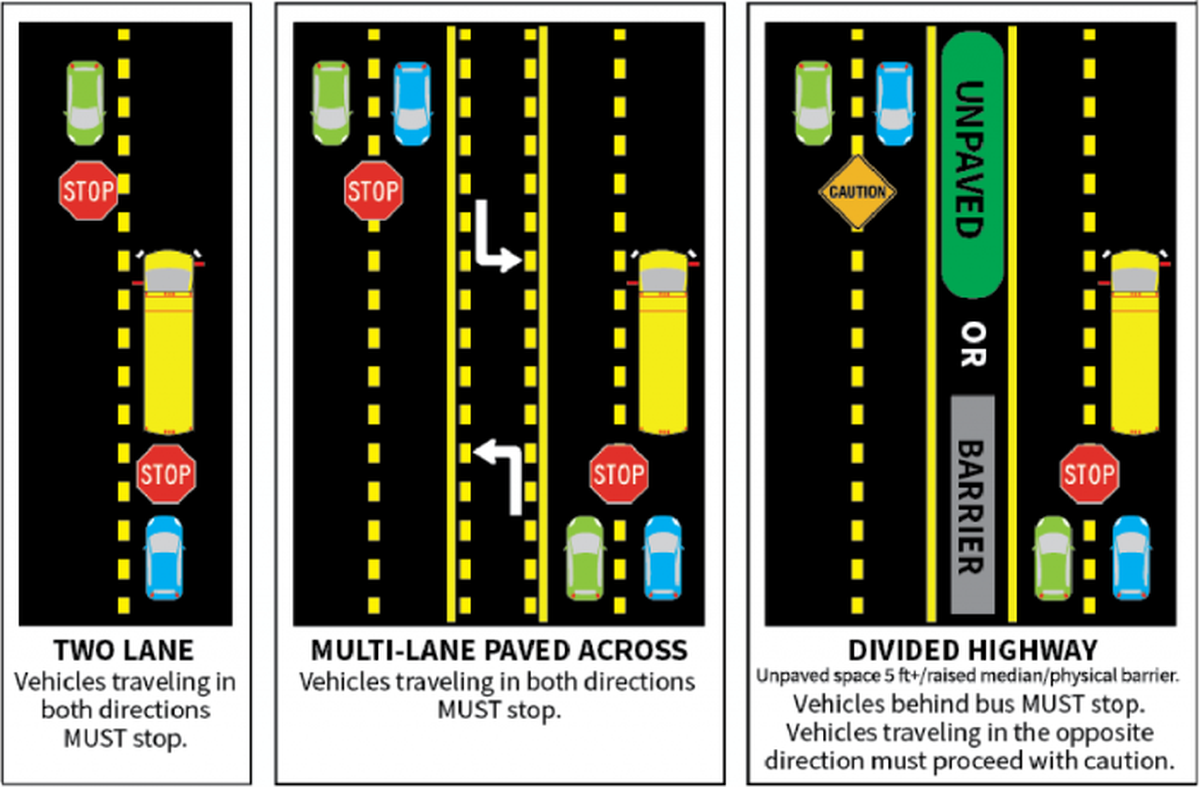
Some of the school bus safety practices will remain the same. People should never walk behind a school bus. Children and teens should wait for the bus on the sidewalk, away from the curb and not walk to the bus until it comes to a complete stop and its doors open.
Once inside the bus, they should remain seated at all times and parents should always know the bus route number and bus stop location.
But, as a result of COVID-19, many rules have changed when it comes to the school bus. Masks, seating assignments, and reduced busloads are just some of the new mandates.
Here’s what parents and students should expect when students hop onto a bus Monday in Miami-Dade and on Friday in Broward County:
Do students need to wear masks while riding the school bus?
Students, bus drivers and bus aides in Miami-Dade and Broward County public schools will be required to wear a mask/face covering that covers their mouth and nose at all times on the school bus, just like if they were in the classroom.
Remember, health experts say that COVID-19, the disease caused by the novel coronavirus, primarily spreads through small droplets from the nose or mouth. People release droplets into the air when they sneeze, cough, speak and shout. By wearing masks, you can help protect others from inhaling your potentially COVID-infected droplets, regardless of whether you have symptoms.
What happens if a student does not have a mask?
Students will not be allowed to board a Miami-Dade or Broward public school bus without a mask so parents should make it part of their routine checklist: Do I have keys? Wallet? Phone? And masks?
If a student does forget their mask one day, school bus drivers will have a limited supply of disposable masks they can give out, a Miami-Dade County Public Schools spokeswoman said.
Broward County Public Schools said that while parents are responsible for having their children carry and wear a mask, the bus driver will give one out if a student forgets.
Will students be socially distanced on the bus?
Keeping kids away from each other is hard, especially if their friends are nearby.
Miami-Dade County Public Schools is assigning a bus seat to each student and will not allow students to change or trade seats, according to the school district’s transportation website.
Based on the survey parents filled out over the summer, approximately 16,000 students have been assigned bus routes, according to Miami-Dade County Public Schools. The district says this could increase as parents opt to move their kids from online learning to in-person learning.
Both Miami-Dade and Broward school bus capacities will be reduced to one student per seat, following recommendations from the Centers for Disease Control and Prevention. Siblings who live together and attend Miami-Dade public schools will be allowed to sit together on the bus.
Broward will only allow 26 students per bus, or half the normal capacity.
Students are expected to stay at least 6 feet away from others while getting on and off the bus, according to the Miami-Dade County school district.
How often will the school buses be cleaned?
Miami-Dade school buses will be wiped and cleaned between routes, with school employees using hospital-grade germicide for sanitation, according to the district. Each of the district’s buses will have hand sanitizer so kids can clean their hands as they enter and exit the bus, according to the district’s reopening plan.
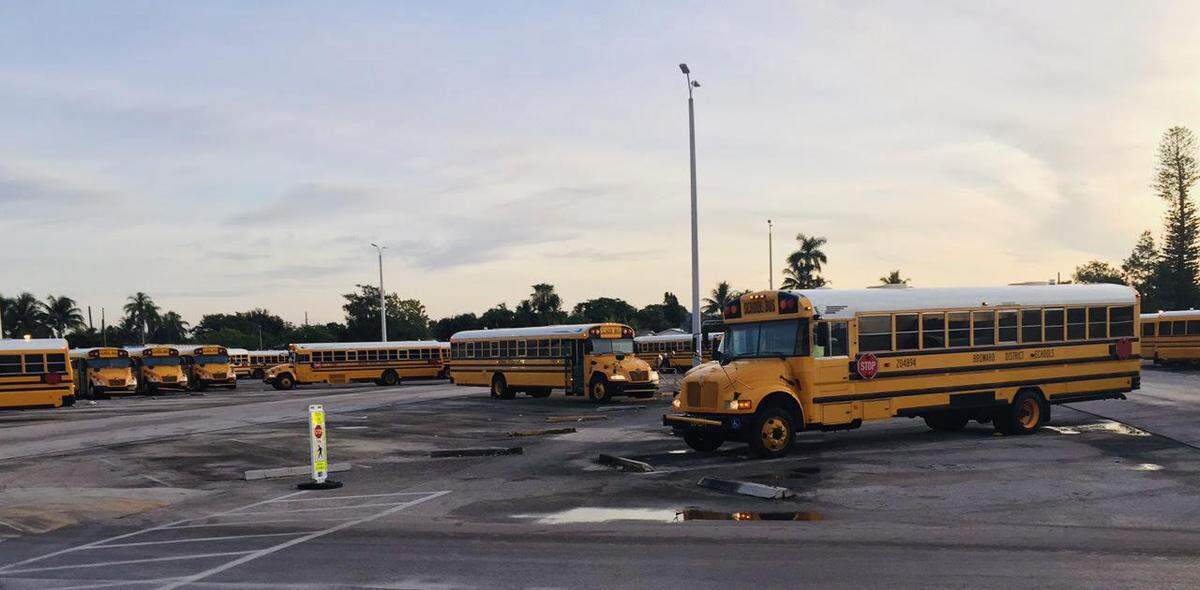
Broward school buses will be sanitized after each run and a deep cleaning using electrostatic sanitation will be performed every night, according to the district.
Buses from both school districts will have signs reminding of COVID-19 safety practices like washing their hands frequently.
What happens if a child has possible COVID-19 symptoms?
Health experts say most children and teens who fall ill with COVID-19 have mild symptoms or may have no symptoms at all.
But some children develop severe symptoms, requiring hospitalization, treatment in an ICU and even ventilators.
If a child or teen does fall ill with COVID-19, the most common symptoms are usually fever and cough, but they can include a runny nose and stomachaches, according to the CDC.
The reopening plans of Miami-Dade and Broward public schools mention that families should check their child’s temperature every morning and look for potential COVID-19 symptoms before dropping them off at school or letting them get on a school bus.
Sick children should not be taken to school. If your child shows possible COVID-19 symptoms while on campus, they will be taken to a designated isolation room for assessment and their parent or emergency contact will be called to pick the student up, the districts said.
If a bus driver notices that a student waiting for the bus has symptoms, or starts coughing or sneezing in the bus, the driver will report this to the dispatcher.
“Students will not be left behind or alone at a bus stop. The student will be required to wear a mask and all effort will be made to keep the student separated from other students,” Miami-Dade County Public Schools said in an email to the Miami Herald. “Drivers will be instructed to report the student’s condition to the dispatch office where the information will be relayed to school personnel. School Personnel will be required to receive the student once the bus arrives at the school.”
Broward schools says if a student gets on a bus showing symptoms, the bus driver will take them to school and then report the suspected case to school faculty and administration. If the symptoms show up after school, the bus driver will report it to school personnel.
What else should parents know about school buses?
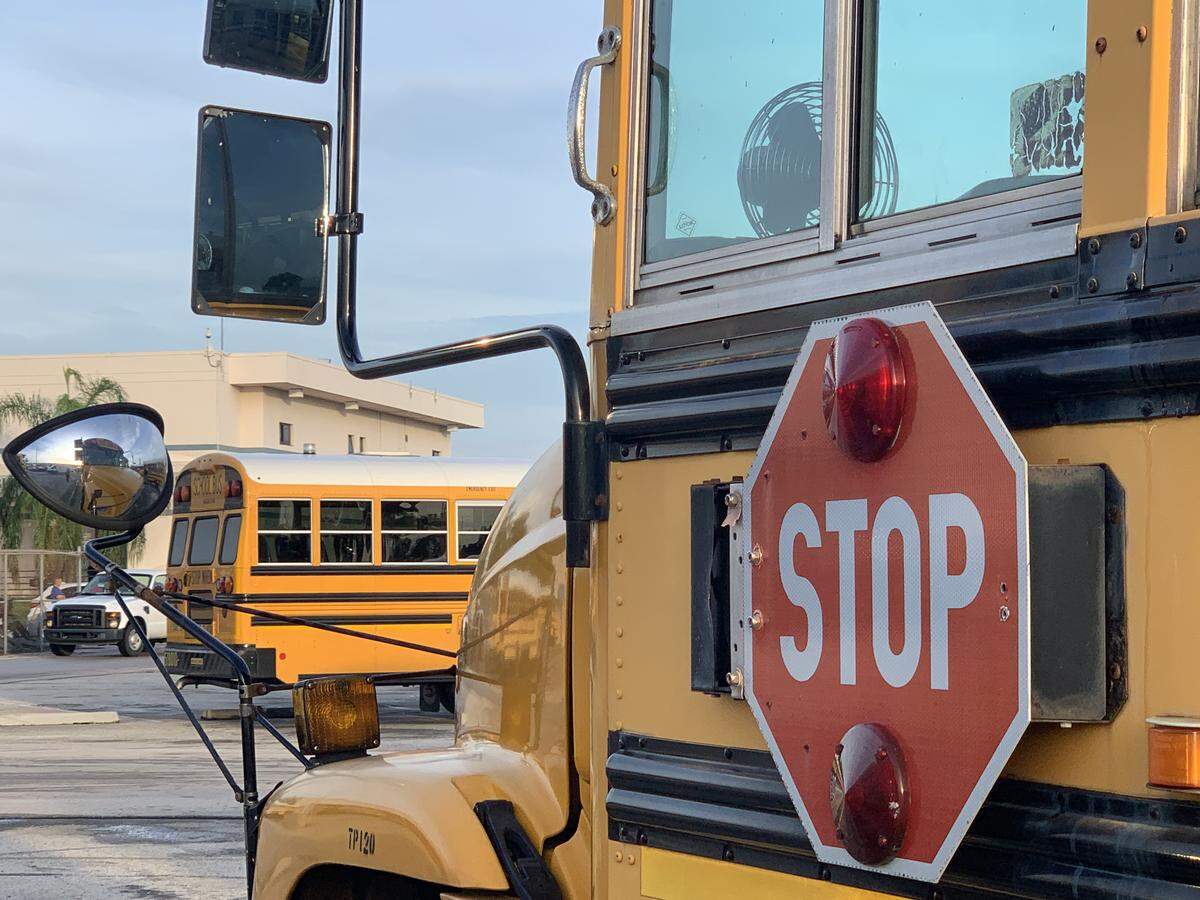
▪ The buses may run late during the first few weeks of school.
▪ To find out your child’s bus assignment in Miami-Dade County Public Schools, go to www.dadeschools.net and then log on to the Parent Portal. On the top of the parent portal screen, click “Bus Info.” Parents should check this periodically to have the most up-to-date information. Parents who are not able to access the Parent Portal or have additional questions should call their child’s school.
▪ Broward County Public Schools usually sends a transportation mailer to the student’s registered address before the beginning of the school year, listing the student’s bus route number, bus stop assignment location and the pickup and drop-off times. If you have not received the information yet, you should contact your school’s designated transportation liaison, according to the school district’s transportation website.
This story was originally published October 3, 2020 at 3:43 PM.