How can a peanut butter sandwich save the earth? Your kids can find out at virtual camp
Starting next week, summer camps in Miami-Dade parks will no longer be an option for South Florida families. But these virtual alternatives can give your kids a chance for some fun and ways to learn something new.
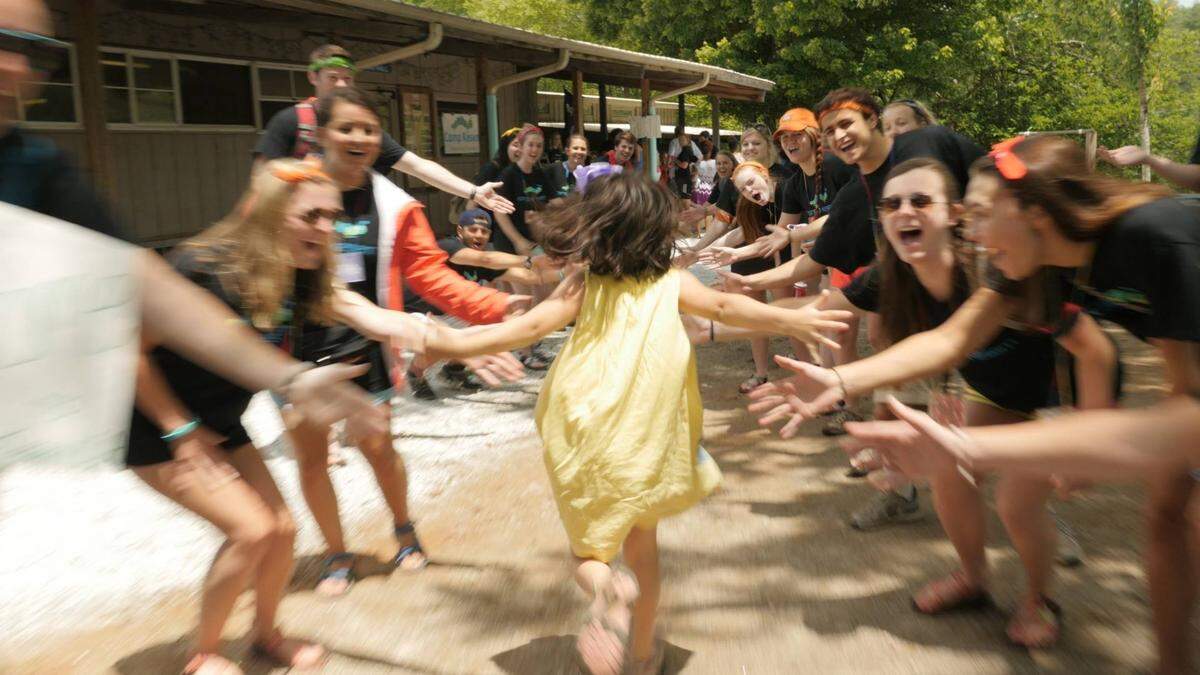
At Camp Kesem at Home, toddlers and teenagers who have experienced living with a family member with cancer will brighten each other’s days over a week of ice cream parties, cooking lessons and virtual cabin chats.
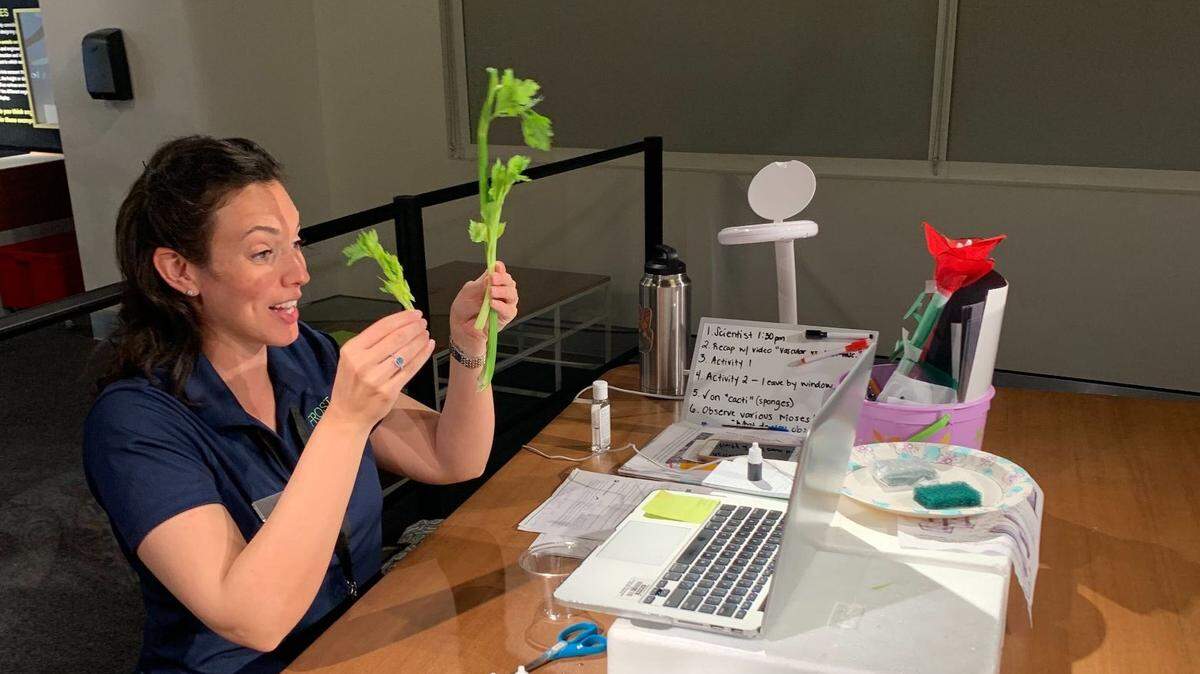
At Frost Virtual Summer Camp, kids from Pre-K to eighth grade will learn from local scientists and build three-dimensional, automated, exploding and submersive projects to help protect the environment.
“The kids will talk about how methane gas comes from cow burps and farts. That’s always a fun conversation,” said Frost Science Conservation Programs Manager Shannon Jones, who will be talking to campers enrolled this July and August about her fight for the environment.
But with great fun comes great responsibility, she said. Children at the camp will have the opportunity to learn how their actions can change the course of history.
“Eating less meat, for example, makes a big difference. If you have pasta for lunch and a peanut butter and jelly sandwich for dinner you are one step closer to saving the earth.”
Virtual camps are a safe replacement for in-person summer camps, which have been shutting down across Miami-Dade County due to the surge in COVID-19 cases.
Friday, July 17, was the last day of Miami-Dade’s Parks’ summer camps, instead of the planned end date of Aug. 7. Twenty of the county’s 36 camps had already closed due to positive COVID-19 cases among employees.
Two children caught the virus after attending camp at Live Like Bella Park near Homestead and one 7-year-old tested positive after attending the Miami Beach-run Flamingo Park camp in South Beach, the Herald reported.
The cities of Miami and Miami Beach closed their in-person camps on Friday.
In Broward County, the David Posnack Jewish Community Center Upper Camp in Davie was suspended in late June after confirming its fifth positive COVID-19 case.
Miami Beach has been offering virtual summer camps, including Zoom camps in dance, fine arts, computer coding and yoga. For more information, go to https://www.miamibeachfl.gov/city-hall<code_dp>/parks-and-recreation/programs/summer-<code_dp>specialty-camps/
Camp Kesem at Home
Trained college volunteers have been prepping for July’s Camp Kesem at Home for months, adapting their annual hands-on and feet-in-the-mud experience to the virtual reality of the pandemic.
The nationwide nonprofit founded at Stanford University in California has been active in Miami since 2013, delivering resources and care packages with teddy bears, T-shirts, games and crafts to children ages 6 to 18 living with cancer survivors, and fundraising to offer them a free week-long sleepaway camp on the University of Miami campus.
“This year it’s going to be all virtual,” said Sofia Sneathen, a college volunteer and the camp’s public relations coordinator. “But it’s going to be so much more than just virtual chats and calls.”
Sneathen, 20, and her team designed interactive activities that will connect campers to children with similar life experiences across the country.
Prerecorded YouTube videos will catapult them in Texas to learn the latest calligraphy tips and tricks and to Michigan to discover the superpowers of the animal world.
Volunteers will also meet with the children over live video calls every day from July 26 to July 30 to paint, play virtual games from the new Kesem at Home Activity Book and share their inspirational stories.
Sneathen, who participated in the program as a camper in 2009, said Camp Kesem is life-changing for both volunteers and participants. “When I was at camp, I made friends who lost their parents and I could relate to them,” she said. “At school, other people sometimes don’t understand what you are going through, but in this place the campers understand and are here for each other.”
Eleven years later, in a leadership role at Camp Kesem, Sneathen said she is still in touch with the volunteers who counseled her and is determined to fill the new generation of Kesem campers with the confidence that her “superhero role models” instilled in her.
“It’s really inspiring to see all these kids as young as 6 years old live through so many hardships,” Sneathen said. “I still learn so much from them.”
The programming for the upcoming virtual camp week is available on Camp Kesem’s website.
Pre-recorded activities do not require registration. Families with children who wish to participate in live activities should register at http://kesem.force.com/.
College students at the University of Miami looking to get involved can find more information at https://www.campkesem.org<code_dp>/get-involved/for-college-students.
Frost Science Virtual Summer Camp
For young aspiring scientists who’d rather get their hands on explosive chemical reactions and high-tech automated gadgets than read about them in textbooks, Frost Science is offering science-filled week-long virtual camps in July and August.
Frost Science Summer Camp was held at the Phillip and Patricia Frost Museum of Science in Coconut Grove for more than 50 years before the museum closed to the public in 2015, making way for the Phillip and Patricia Frost science museum in Ferré Park in downtown Miami. The new museum has a 3D planetarium and a 500,000-gallon aquarium.
This year, campers won’t be able to walk the halls of the museum, but Frost Science Virtual Summer Camp is bringing some of its wonders to their doorstep.
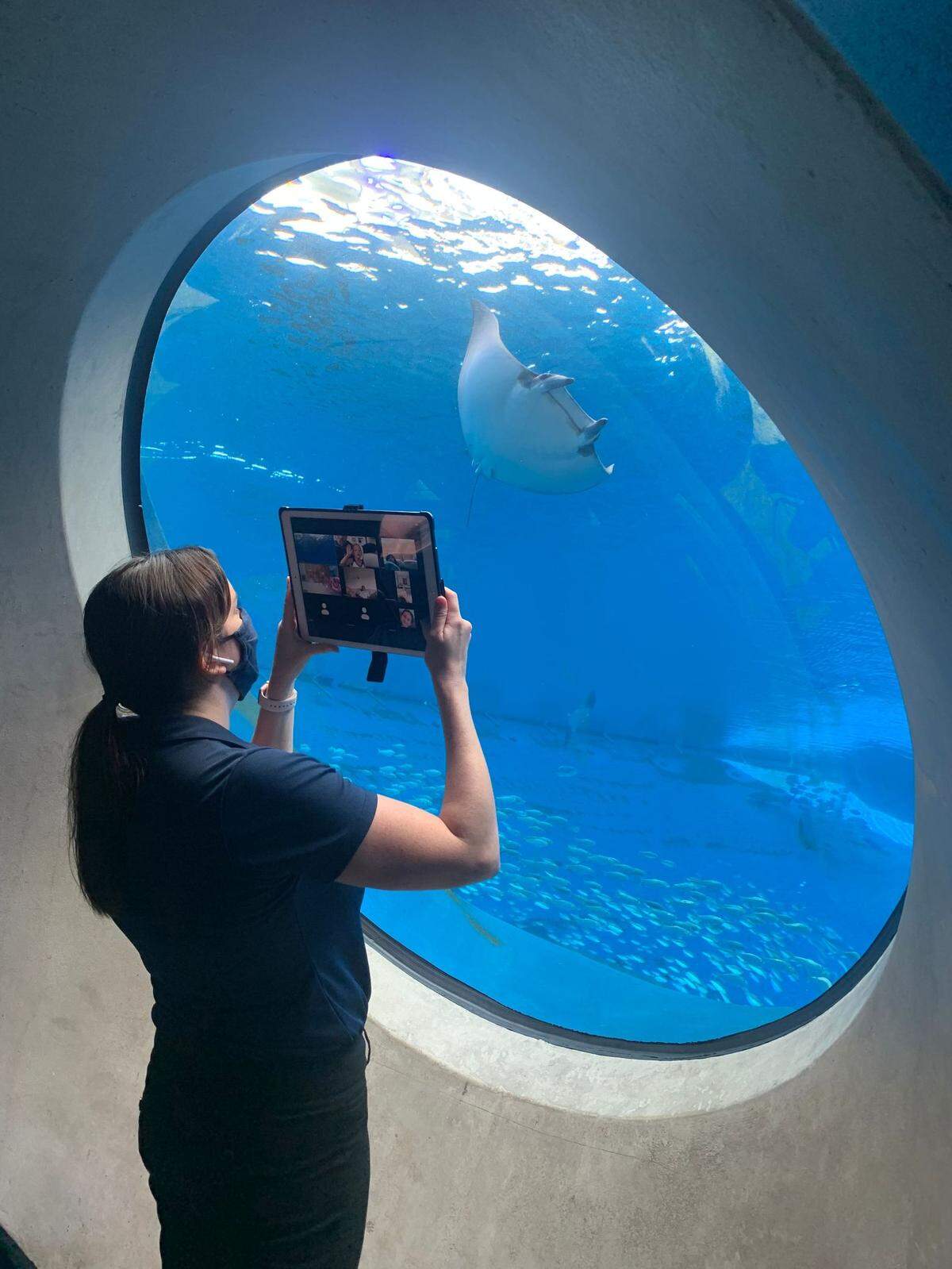
Pre-K to eighth-graders will participate in virtual museum tours, speak to local scientists about the environment and receive weekly toolkits containing the ingredients to create planet-saving projects under the guidance of experts.
Kids ages 4 through 11 will step into the shoes of engineers and meteorologists, learn to deconstruct household materials and explore the forces behind blizzards, hurricanes and tornadoes, while middle schoolers will meet with fellow campers and expert scientists to develop online “Science to the Rescue” campaigns to save endangered species and solve the world’s pollution crisis.
“The best compliment we’ve gotten so far is, ‘Oh, this isn’t like school!’” said the Frost Science Knight Vice President of Education Angela Colbert. “Kids see that it’s much broader than that... They really get to do inquiry-based discovery of science and its processes.”
Colbert said that even the most skeptical toddlers who participate in the program become impatient to become the next generation’s engineers, scientists and mathematicians after a week of camp.
In past camps, Colbert said younger campers constructed three-dimensional models of clouds from cotton balls and construction paper, made erupting volcanoes by mixing chemicals with professional-looking goggles and designed their own exoplanets,
And in early July, the older campers designed ocean-engineering themed projects, building original models of drifters to study ocean currents and underwater ROVs — robotic submersibles to observe the depths of the ocean.
Activities planned for upcoming weeks include building nesting boxes for endangered birds and tracking the local bee population with high-tech gadgets.
Although most weeks are already sold out, the weeks of Aug. 3 and Aug. 10 for Pre K-5th graders and the week of July 20 for 11 to 14 year-olds are still open for enrollment on the Frost Science website.
Shake-A-Leg virtual camp
If your kids enjoy the outdoors, check out Shake-A-Leg Miami’s virtual camp.
The nonprofit, active since 1990 in partnership with the city of Miami, offers water sports activities in Coconut Grove to almost 9,000 disabled children, military veterans and families looking to “find their inner strength” every year.
After two weeks on the water, Shake-A-Leg went virtual to ensure the safety of campers.
“If kids can’t go to camp, take camp to them,” a program spokesperson said Monday.
With the help of the University of Miami School of Communication, the program set up a new “Live @ 11” morning YouTube show where children can virtually explore Biscayne Bay and learn sailing fundamentals.
And for creative toddlers and teenagers, here’s more virtual art camp experiences:
Virtual Art Camps
- The Bass Museum in Collins Park in Miami Beach is offering Zoom project-based art classes for toddlers ages 4-6 beginning Monday, July 27, and children ages 7-12 beginning Aug 3. Register here: https://thebass.org/virtual-summer-<code_dp>art-camps/
- The Museum of Contemporary Art in North Miami recently went virtual with its Teen Art Force program, available for teens ages 13-17 every weekday from 4 p.m. to 6 p.m. Learn more here: https://mocanomi.org/teenaf/
- The Pérez Art Museum Miami is hosting PAMM Art Storytime and art project for preschoolers on the fourth Saturday of the month. Open to children 3-5 years old, it’s held at 11 a.m. Go to https://pamm.org/artstorytime
This story was originally published July 25, 2020 at 6:00 AM.