
How to deal with an angry child who screams, ‘I hate you!’
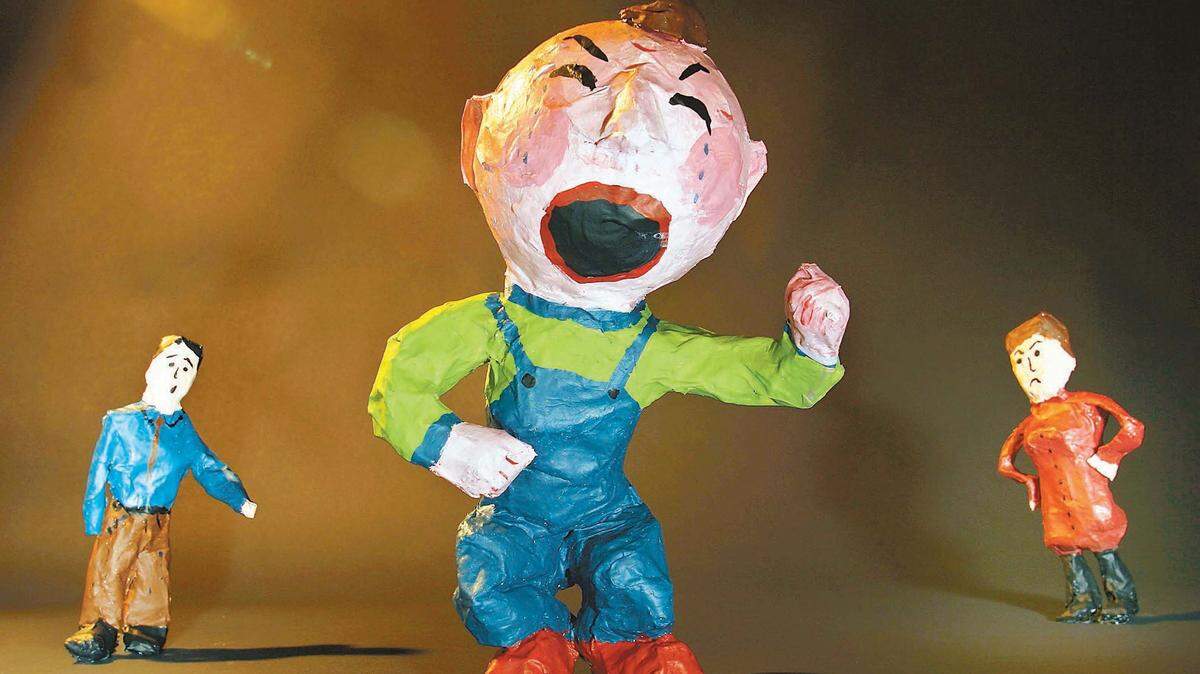
It happens to many parents. An angry child screams out a strangled “I hate you!” and for a moment, you’re stunned into silence as a tiny sliver of your heart catches and dies. But as hurtful as it may be to hear those words — and it may not be the last time you do — it’s important to understand that there are big emotions behind them, emotions your child may not yet be capable of verbalizing.

Rather than view the outburst as a personal attack, see it for what it truly is and figure out what your child is trying to say. Here are some suggestions to carry you both through the fraught moments:
▪ Stay calm. Recognize that this is not a personal attack on you but, rather, frustration with a situation. When a child says “I hate you” the goal is to hurt you. Your job? Kill it with kindness: The best way to counteract an “I hate you” is with an “I love you.”
▪ Consider age. Young children have limited verbal abilities, which means they can have a hard time expressing their feelings. They don’t know how to say “I feel angry because you won’t let me get that toy,” so they blurt out “I hate you!” Later, as they grow older, kids start to understand the power and effect those words can have, making them a favorite phrase for button-pushing tweens and teens.
▪ Acknowledge your child’s emotions. “I hate you” is often code for something else entirely, especially when kids feel overwhelmed or upset. Let your child know you can see they are upset, then try to connect the anger to the underlying cause by talking about what just happened. Maybe they said those words because you said no to a sleepover or to buying them an iPhone. Maybe they had a really bad day at school and are wrapped up in a flurry of feelings and don’t know what to do with them.
▪ Give them space. Reinforce that you hear your child and recognize that whatever you did or said is upsetting them. Saying “I hear you; you hate me right now,” is a great start. Then let them know that when they’re ready for a civil discussion — or a hug — you’ll be ready too. Sometimes saying nothing but staying close is a great way to get kids to unload. If it’s a teen saying the H-word, best to let the situation cool down by saying “I want to understand what’s going on, but as long as you’re talking to me this way I don’t want to speak with you. Let’s take a break and discuss it later.”
▪ Educate them about hate. Explain that hate is a strong word that hurts peoples’ feelings and point out examples from past experiences, maybe when someone said those words to them, as a way to build empathy and understanding.
▪ Problem-solve. Once the heat of the moment has passed, talk to your child about the underlying problem that led to their outburst. Brainstorm solutions, role-play different scenarios and write out alternative phrases they could use instead.
▪ Set boundaries. Discuss acceptable ways to express feelings and remind your children that saying “I hate you” is hurtful. Calmly explain that the next time they say it, there will be consequences. Have a conversation about other words they can use to express how they’re feeling, as well as what they think are fair consequences the next time they do use those words.
▪ Respond with empathy. Be sensitive, compassionate and empathetic, and do your best to put yourself in your child’s shoes. Avoid jumping to words that will likely spring to mind, such as “How could you say such a thing after all I do for you?” or “That’s it; You’re grounded!”
▪ Avoid the H-word. Just like you avoid the F-word, disregard the H-word by not engaging with it or drawing attention to it, especially when your children are toddlers. Like with other words, when kids see saying it is a way to grab your attention, they’ll use it again and again. Similarly, if they hear you using it, they’ll be more likely to repeat it.
▪ Rely on your support network. Hearing “I hate you” can be difficult and stir up a host of emotions. Vent to a friend (or your partner) and take comfort in knowing that this is, in fact, a normal aspect of growing up — and of parenting.
This story was originally published February 4, 2019 at 11:37 AM.