‘Justice was served.’ Killer of beloved Miami Northwestern athlete is sentenced
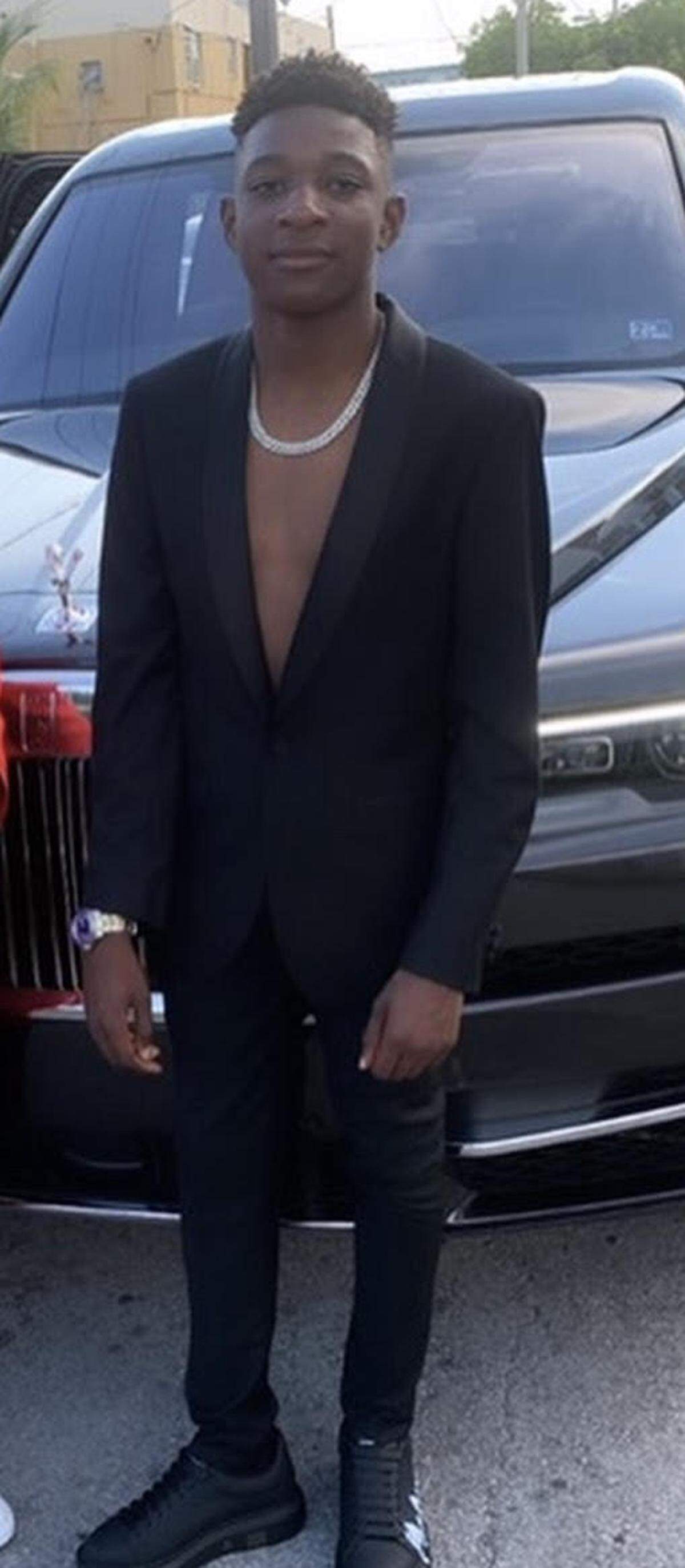
Nathalie Jean vividly remembers how ordinary Dec. 20, 2024, began. She and her daughter were putting up a Christmas tree when her son Yahkeim Lollar, 17, walked into the room and joked about the pink tree.
As Mariah Carey’s “We Belong Together” started playing, Yahkeim sang at the top of his lungs, Jean said. She and her daughter sang along, as if they were Yahkeim’s backup singers.
In that moment, Jean couldn’t imagine that just hours later, her son would be stabbed to death. And Jahara Malik, Yahkeim’s on-again, off-again girlfriend, would be the reason why.
Jean recounted the pain of choosing a casket for Yahkeim, affectionally known as “Keimo” — and seeing his body when he was transferred to the funeral home from the medical examiner’s office. Now, during both mundane and special times, she finds herself thinking, “I wish Keimo was here.”
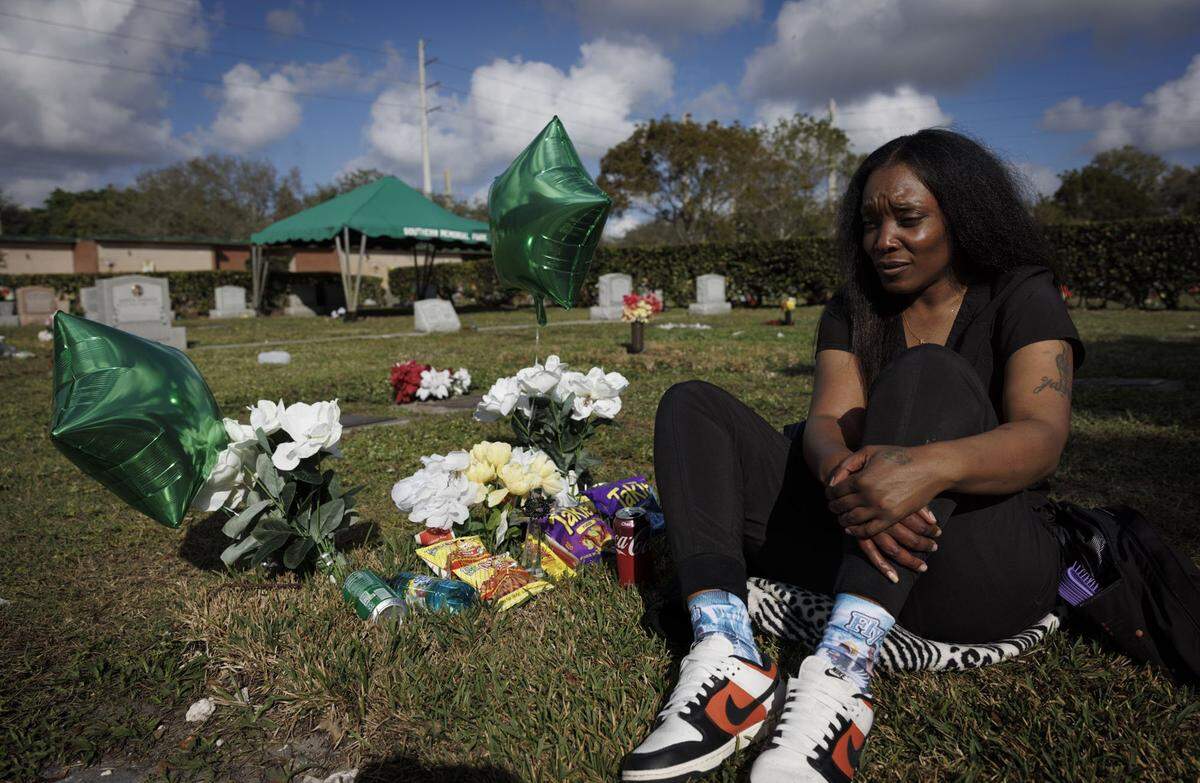
“That night Jahara took my son’s life,” Jean said in court. “Nobody could save my son. She gave my son a death sentence.”
Jahara Malik, 18, was sentenced to 17 years in a Florida prison followed by five years of probation. While on probation, Malik will have to write a letter every Dec. 20 taking accountability for the killing.
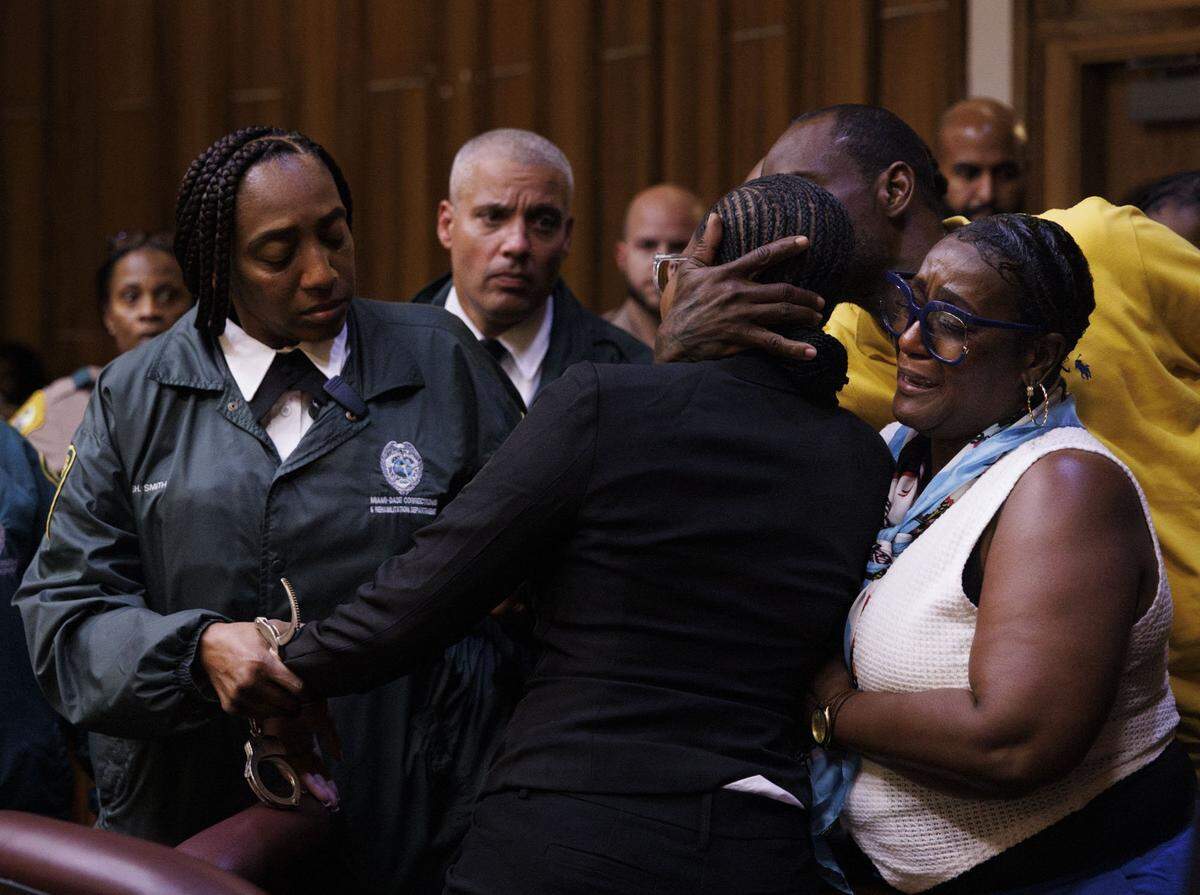
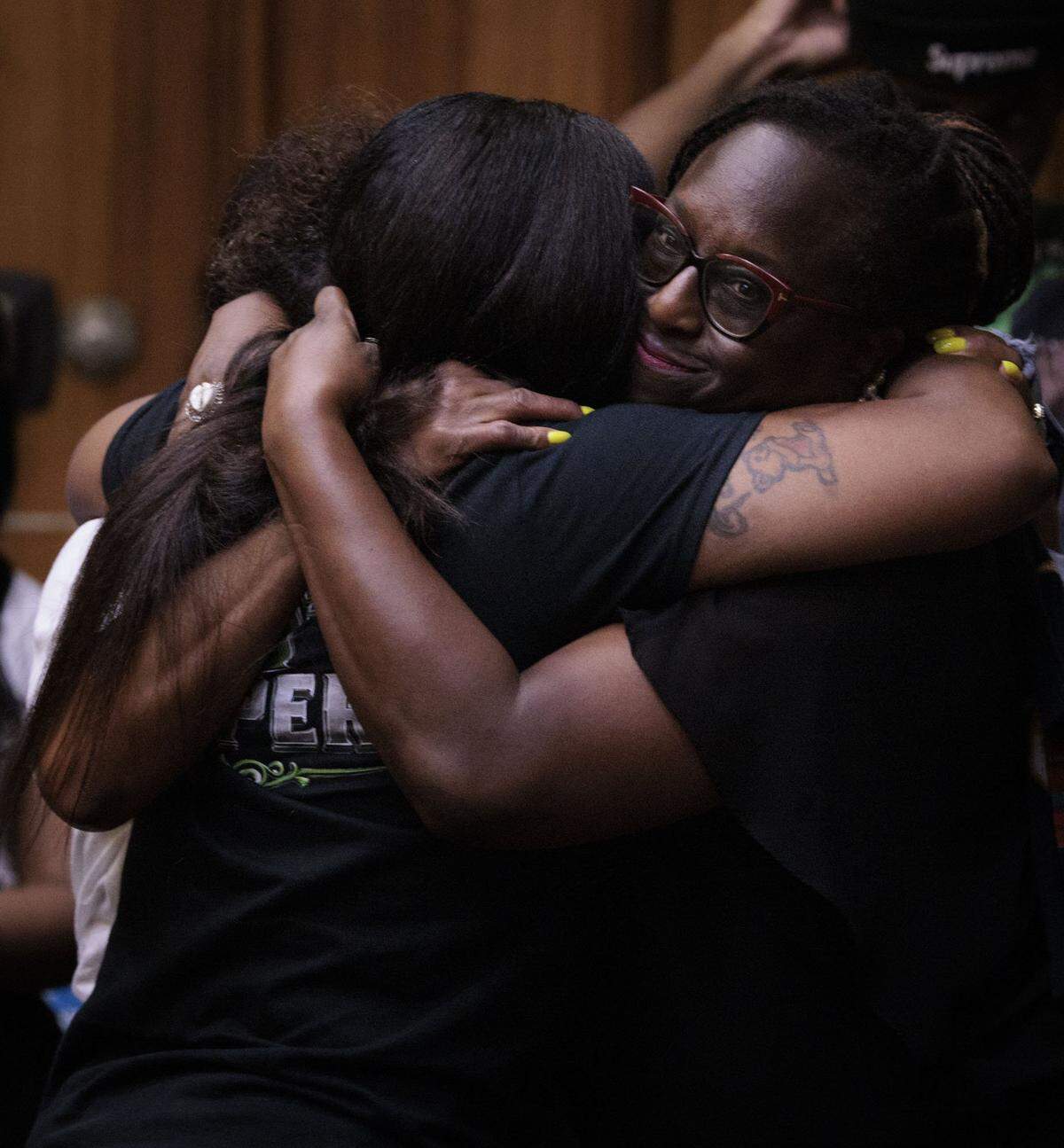
Malik cried as some of her sobbing family members embraced her following the sentencing. In March, Malik pleaded guilty to a manslaughter charge. Yahkeim was a beloved football player and junior at Miami Northwestern Senior High.
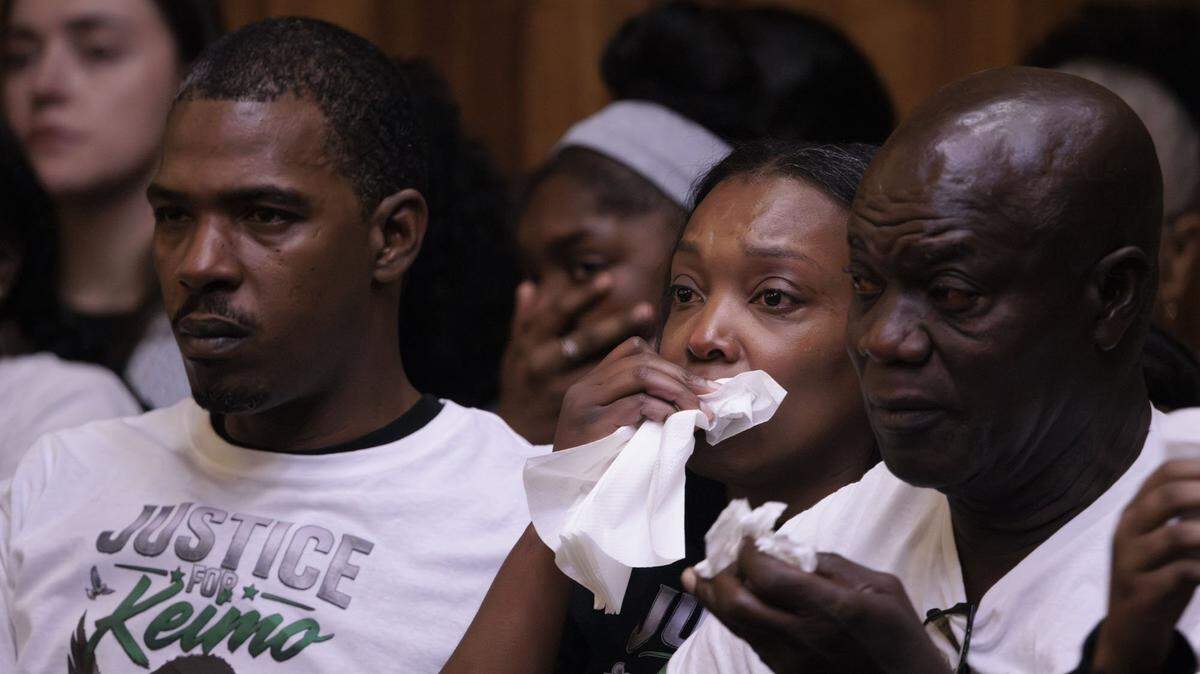
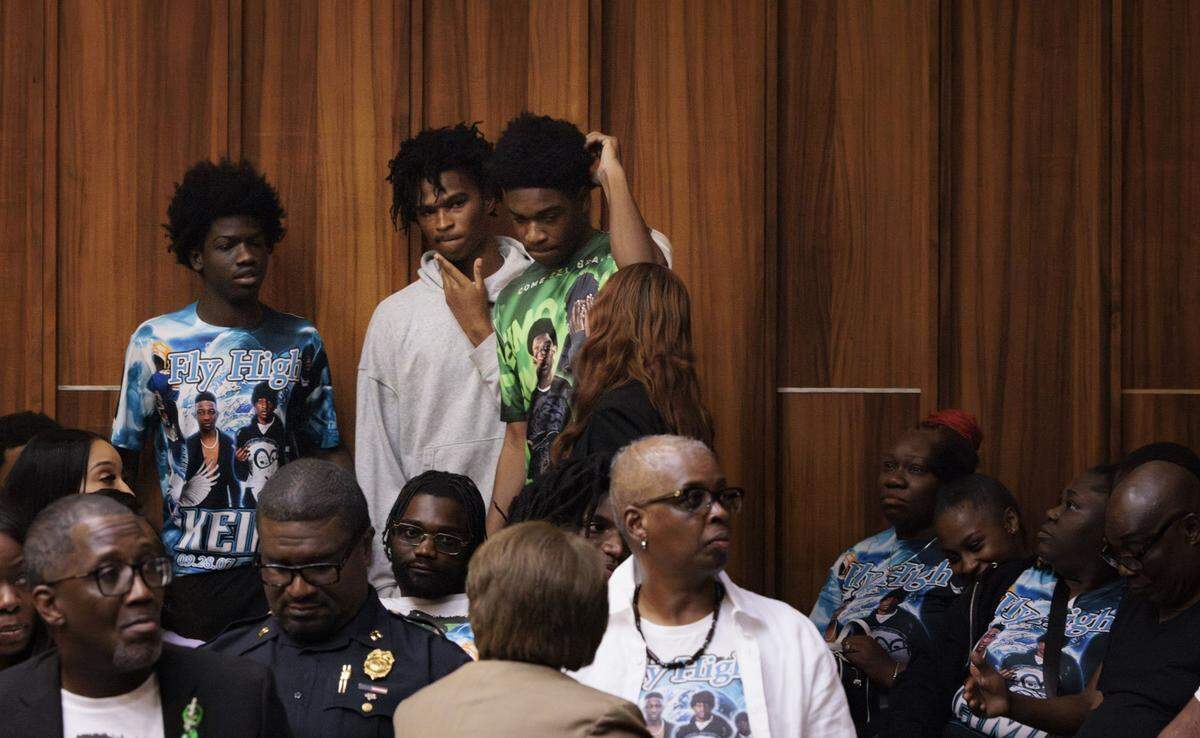
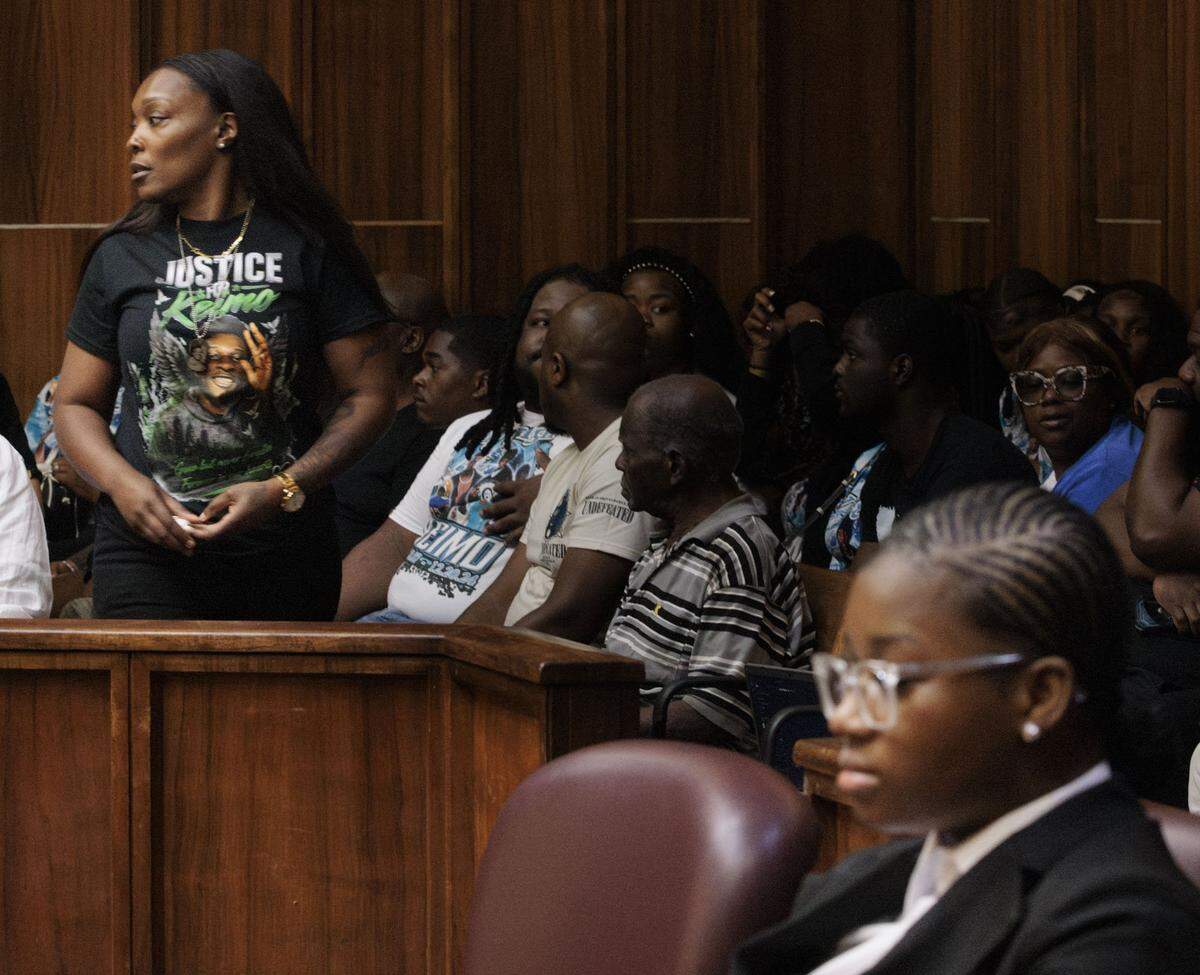
Dozens of Yahkeim’s family members, classmates and friends packed the courtroom, some wearing shirts bearing photos of Yahkeim. They sat quietly after the sentence was meted out.
READ MORE: Ex-girlfriend of Northwestern football player stabbed to death says she did it
“His life was taken way too soon,” said Miami-Dade Circuit Court Judge Christine Hernandez. “Your youth does not excuse the foreseeable consequences of the decision you made... The choices that you made affected the trajectory of all of their lives, the trajectory of your life as well as your family’s.”
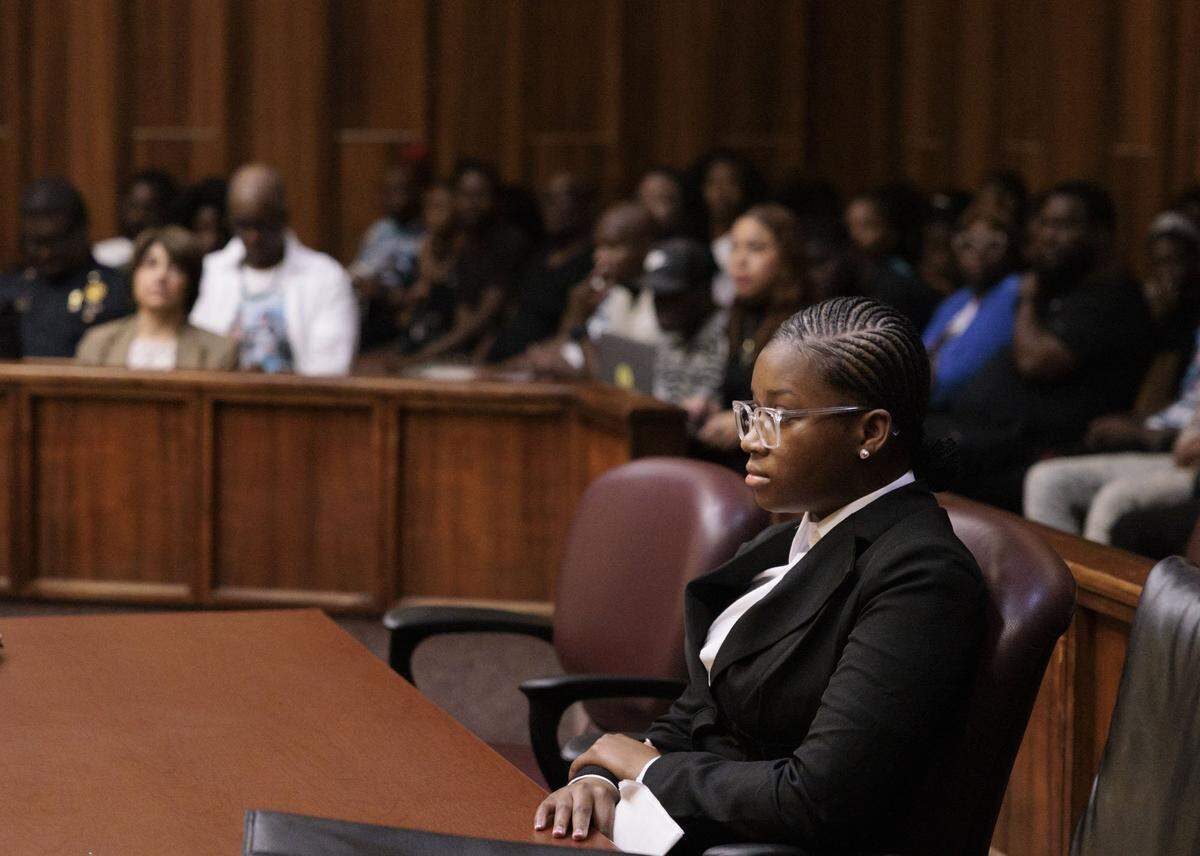
Wearing a black suit and tearing up, Malik admitted that she was at fault for Yahkeim’s death, saying she was reckless. She said she reflects daily on the damage that she caused — and said she feels like she is in her “own prison for the rest of her life.”
“I’m here to accept my consequences for what I had done,” Malik said. “I loved your son so much, and I never wanted this to happen to him... He was a good person and definitely should have been here.”
After the sentencing, Jean sang “Victory is Mine” as she walked down the courthouse hallway. She told reporters the family is glad Malik was held accountable and is looking forward to putting the criminal case behind them.
“I’m glad today my son can finally rest in peace knowing that justice was served,” she said.
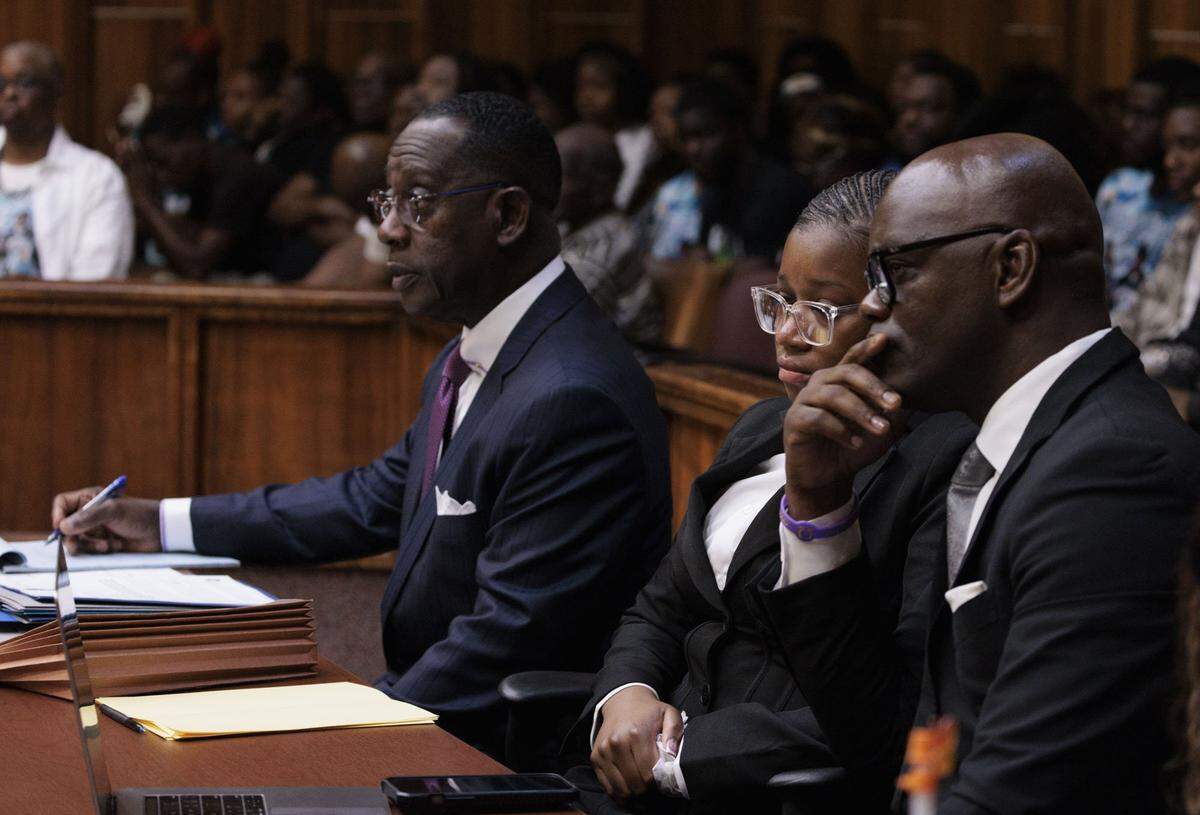
Malik’s attorneys had requested that Malik be sentenced as a youthful offender to Miami-Dade Corrections’ boot-camp program, which is available for people between 14 and 24 years old and focuses on rehabilitation through military-style training. Prosecutors asked the judge to impose a 20-year prison sentence followed by 10 years of probation.
Malik, who was 17 at the time of the stabbing, was charged as an adult with manslaughter. Malik told police she and Yahkeim were “horseplaying” late one night in a garage of his Little Haiti apartment complex when she stabbed him.
Prosecutors argued that Malik’s manslaughter conviction is so serious that it didn’t warrant a youthful-offender sentence. They pointed to Malik’s “history of violent outburst[s].”
On at least three occasions, Malik broke Yahkeim’s phone in a fit of rage. Once, before the stabbing, Malik chased Yahkeim with a knife during horseplay. And she had threatened an ex-boyfriend, telling him, “I want blood,” according to prosecutors.
Malik’s attorneys, however, highlighted how a psychologist believes Malik has PTSD, depression and anxiety — and determined the stabbing was an “isolated incident rather than a reflective pattern of delinquency or aggression.”
A life ‘stolen’
Yahkeim’s aunt, Zelda Beecham, said she mourns her nephew daily. She said she is reminded of his kind smile at family gatherings — and whenever storm season approaches because he would always help her put up her hurricane shutters.
Beecham was one at least 10 family members and friends who testified about the gifted student and talented wide receiver. They all urged the judge to sentence Malik to the maximum sentence — 30 years — for the killing of the Yahkeim, an aspiring stockbroker with dreams of reaching the NFL.
Beecham said she misses complimenting him on his fresh haircuts and giving him money to buy sweet treats and chicken wings, which were his favorite. But for Beecham, who was a police officer for three decades, Yahkeim’s killing is the worst thing that she has experienced.
“Nothing has skewed my view of life like she has,” Beecham said, shooting Malik a piercing stare.
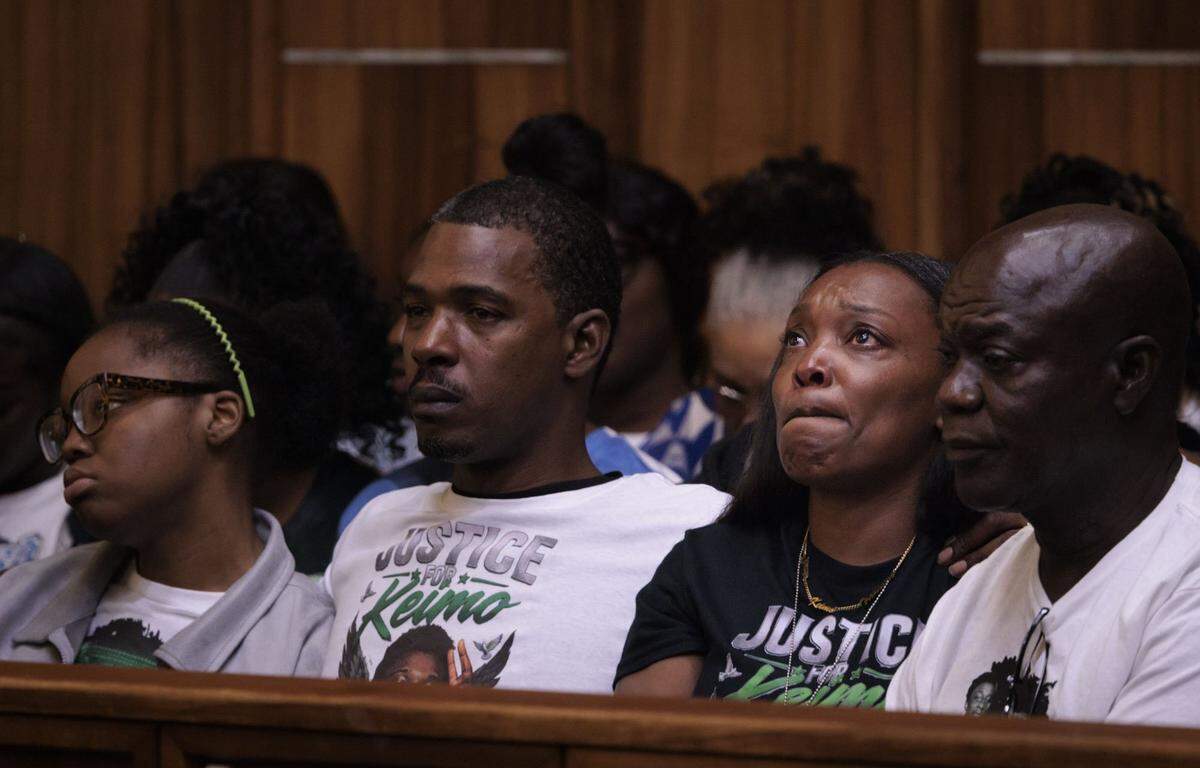
For Daveed Lollar Sr., processing his son’s killing has been challenging, but the court case, he said, has compounded his grief. He said he doesn’t understand why Malik wasn’t charged with second-degree murder.
“It’s more upsetting to me than anything,” Lollar Sr. said. “My son is gone, he’s not coming back. I don’t like how this case has been handled. ...I was robbed that night. He was taken from me.”
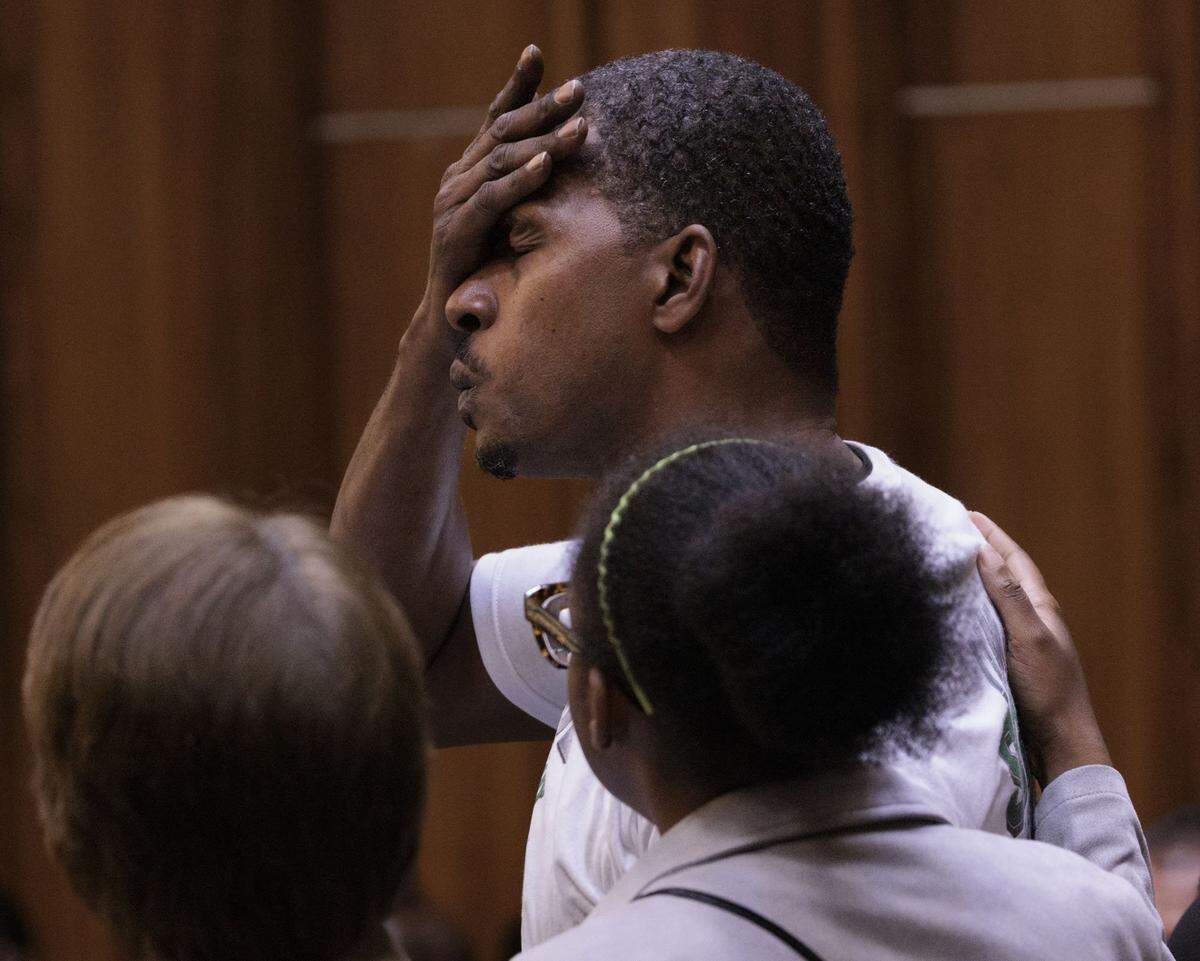
Darveed Lollar Jr., Yahkeim’s brother, recalled how his brother was kind and a friend to all.
“[His] future was stolen from him and from all of us,” Lollar Jr. said. “My brother will never graduate, have a career or have a family of his own.”
Surrounded by a group of Yahkeim’s friends and reading a letter on their behalf, Cierra Harrell said time stopped the day the student-athlete was killed. Their letter addressed Malik directly.
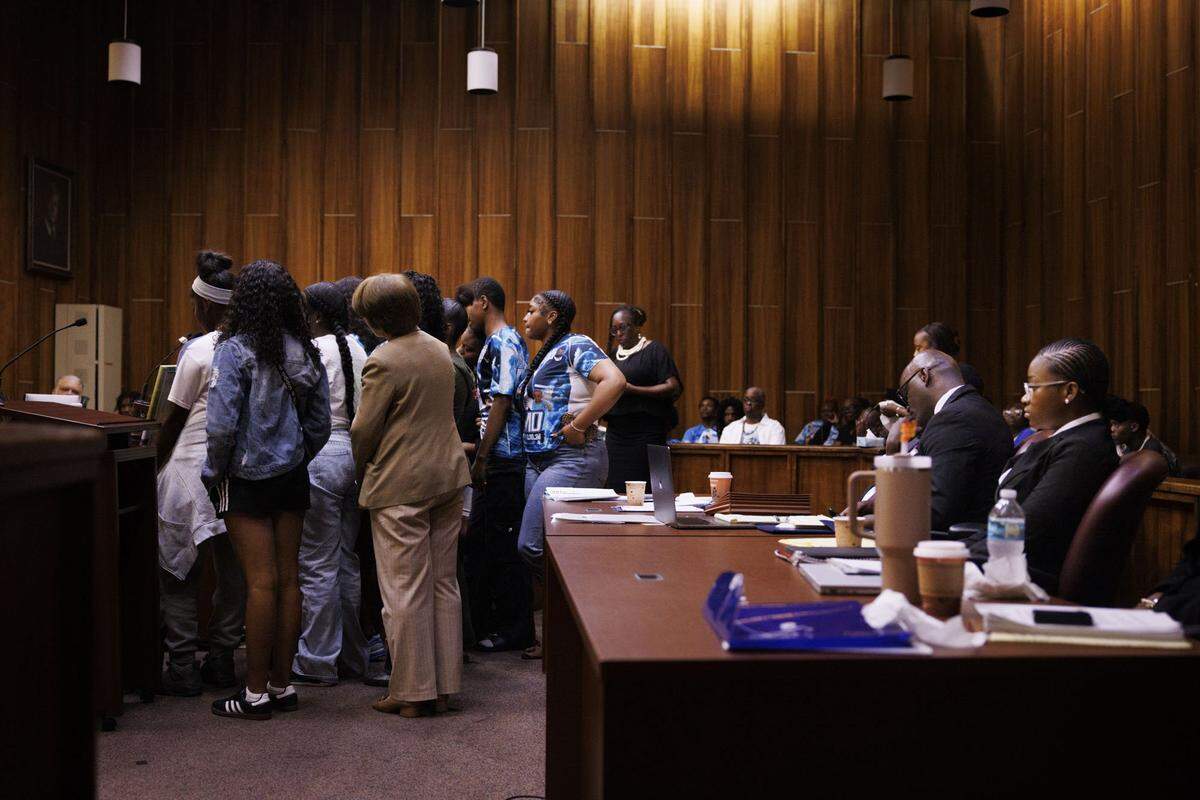
“Someone who should be here isn’t because of your actions. That is the truth,” Harrell said, reading the letter. “The people who love Keimo have to carry [the weight] of what you did every single day. Our friend should be here. He should be living, growing older, graduating, going to prom.”
The fatal stabbing
Just after 11 p.m. on Dec. 20, 2024, Malik called 911 saying Yahkeim had been stabbed in the third-floor garage of his apartment complex at Northwest Sixth Court and 61st Street. Paramedics found him with a knife wound to his chest.
Yahkeim died an hour later despite efforts by paramedics and medical professionals.
While on the stand on Tuesday, Miami Police Sgt. Juan Santos removed the knife, which appeared to be a small kitchen knife, from a sealed evidence packet. That weapon, he said, pierced through Yakheim’s hoodie and lodged into his heart.
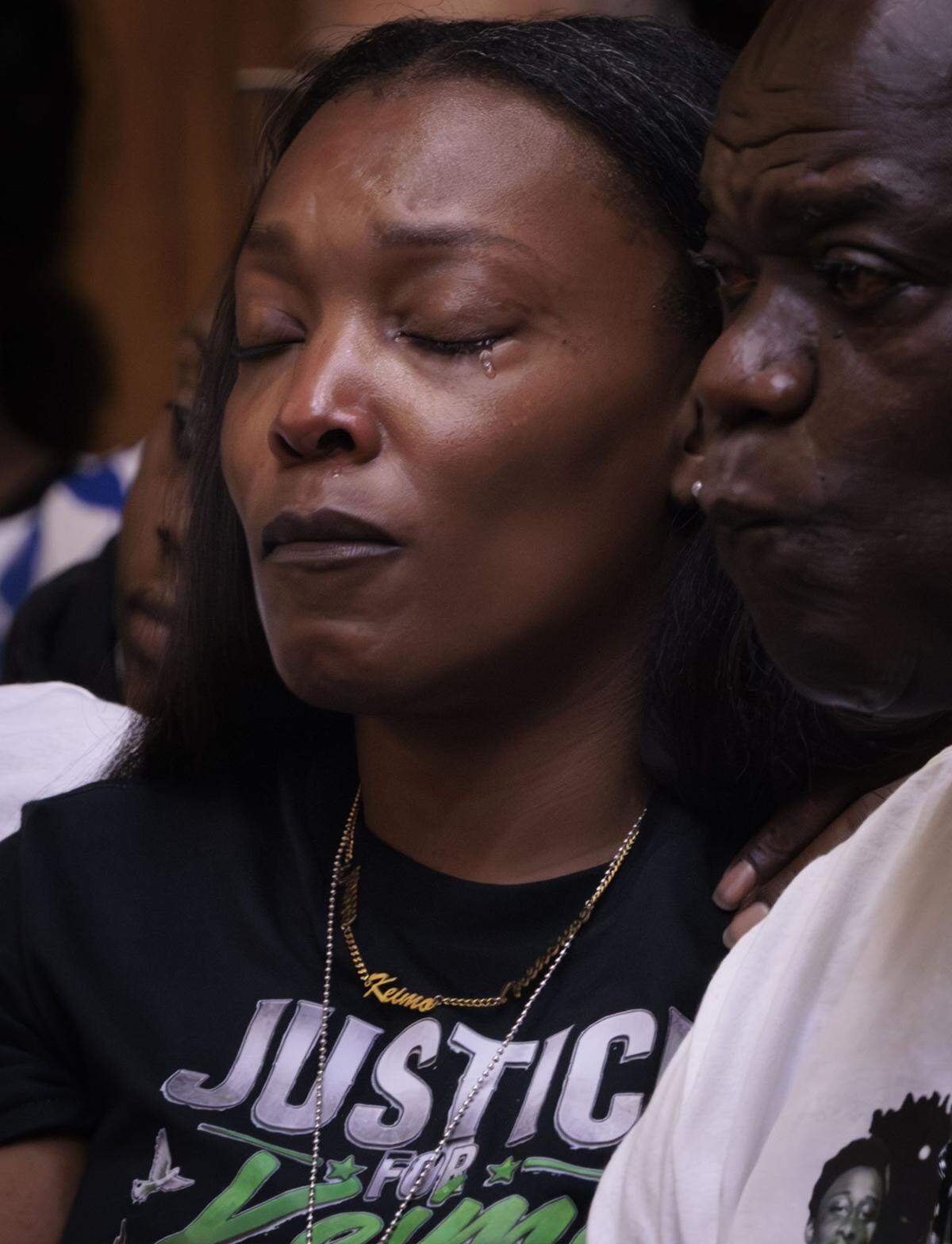
Several of Yakheim’s loved ones sobbed — and rushed out of the courtroom — when a 911 call, surveillance footage and photographs were shown during Santos’ testimony. The video showed Malik and a friend getting out of a vehicle in the parking garage, Yahkeim bleeding from his chest and Malik dropping a knife, according to police.
At the scene, Malik told officers that Yakheim bumped into her and walked into the knife as they were play-fighting. But the nature of Yakheim’s injuries indicated that wasn’t the case, Santos testified.
Santos also said surveillance footage captured Yakheim saying, “Jahara, don’t” or “Jahara, stop” before he was killed.
Malik was arrested in January 2025 after the Miami-Dade Medical Examiner’s Office ruled that Yahkeim’s death was a homicide.
This story was originally published May 5, 2026 at 7:15 PM.