Jury sees graphic photos of former UM football star Bryan Pata’s murder
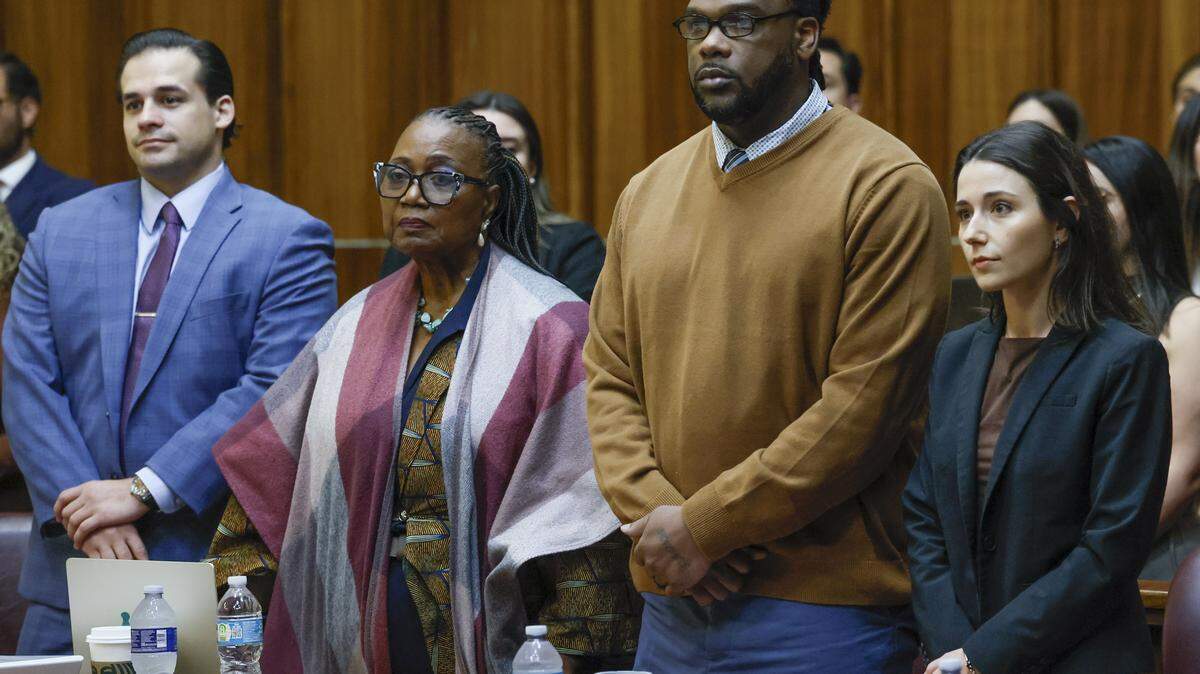
Jurors in the trial of the man accused of gunning down his University of Miami football star teammate almost two decades ago were shown photos of the crime’s aftermath on Wednesday afternoon.
Dr. Emma Lew, a now-retired forensic pathologist who was formerly with the Miami-Dade Medical Examiner’s Office, testified that Bryan Pata was killed by a bullet that entered the left side of his head, above his ear.
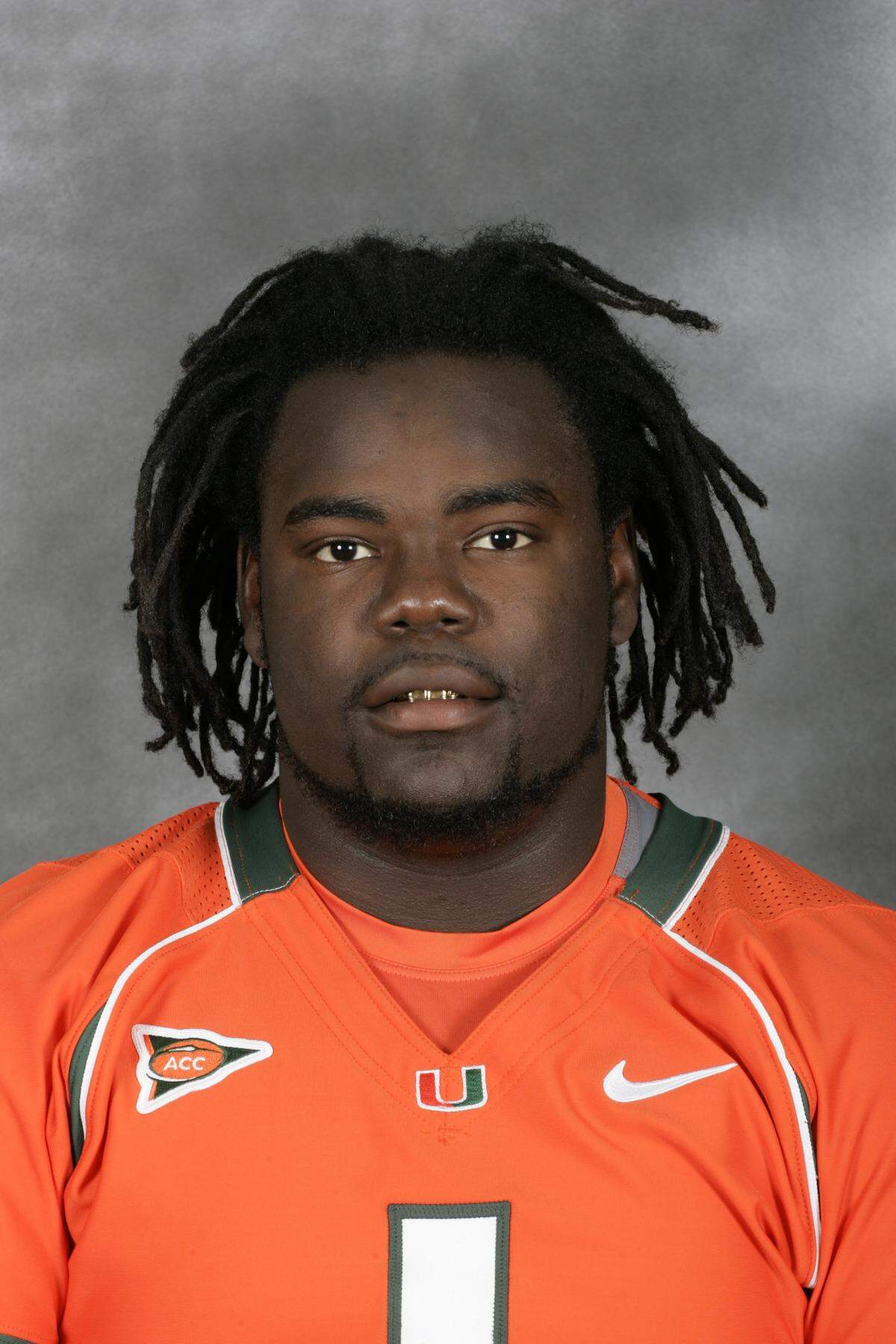
Pata, a 22-year-old Hurricanes star defensive lineman expected to be a top NFL draft pick, was shot and killed on Nov. 7, 2006, outside his home at the Colony Apartments in Kendall. The Miami Central High graduate had just returned from football practice.
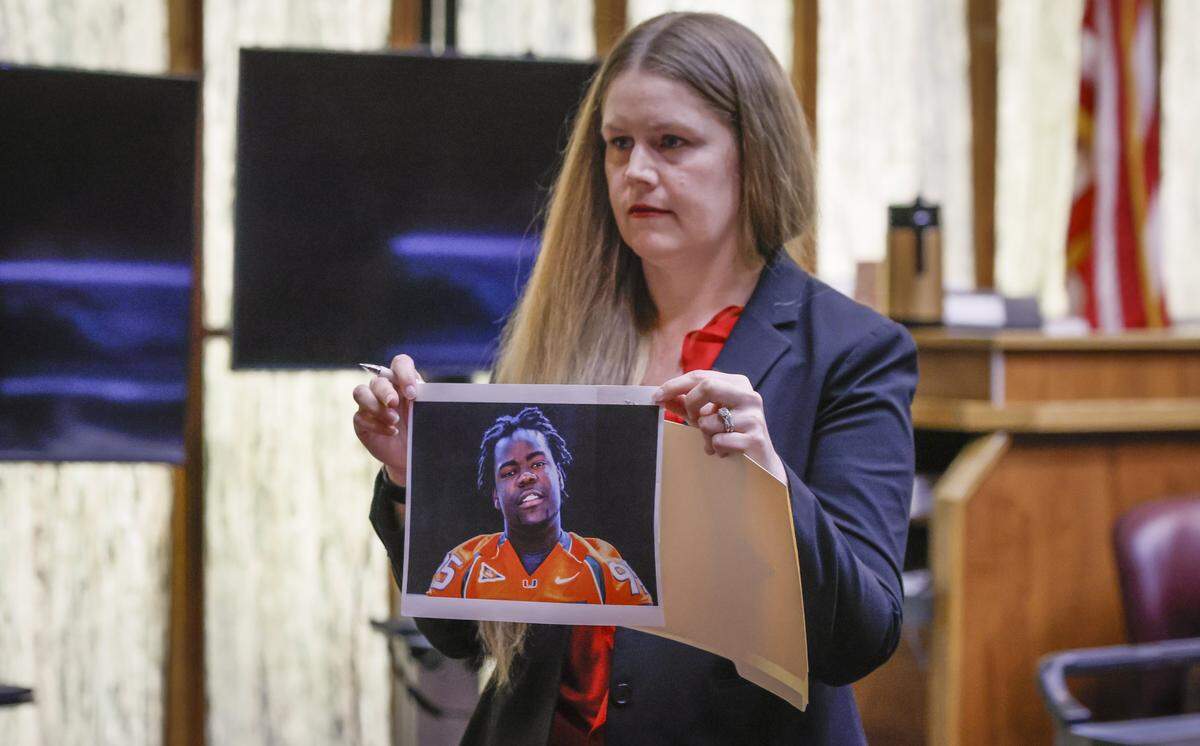
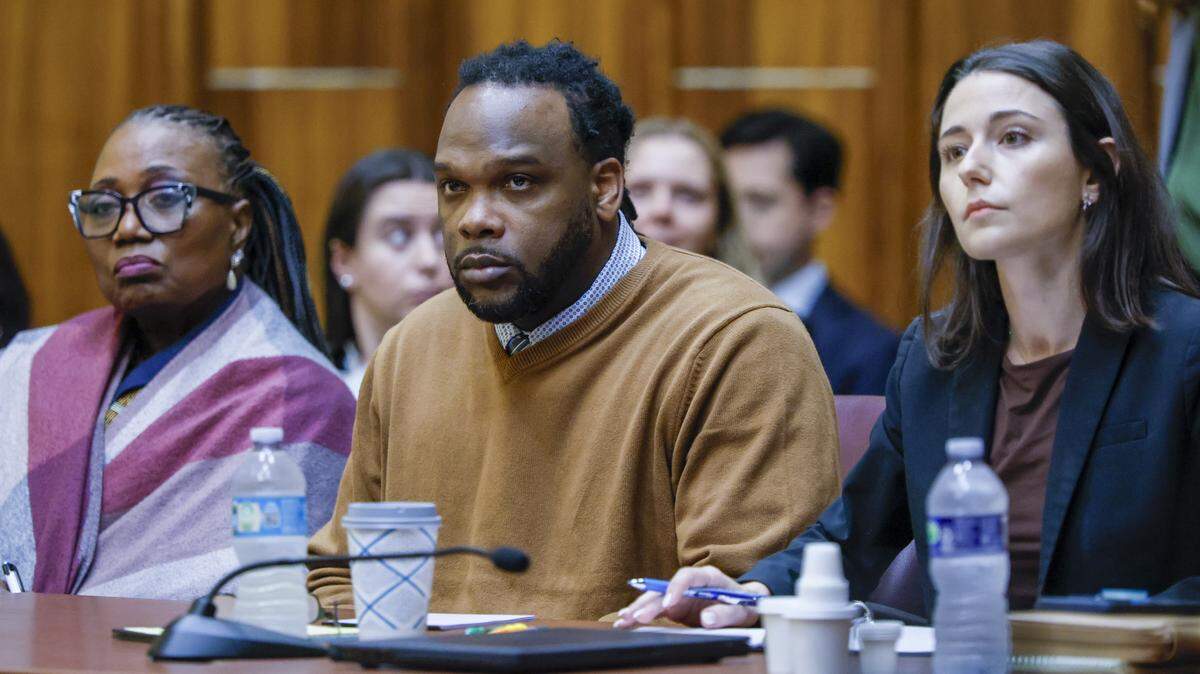
Rashaun Jones, 40, who is on trial, was arrested on a second-degree murder charge in 2021, 15 years after Pata’s death. He has pleaded not guilty.
Bullet wound to head
Lew, who responded to the crime scene on the evening of the murder and performed Pata’s autopsy, said the bullet caused Pata’s death — and also left him unable to move or speak when he was struck.
Pata was found slumped on the ground on a stretch of sidewalk when police arrived. The bullet, Lew testified, remained lodged in his body.
The photos showed the bullet wound on Pata’s head. One captured bullet fragments Lew removed during the autopsy.
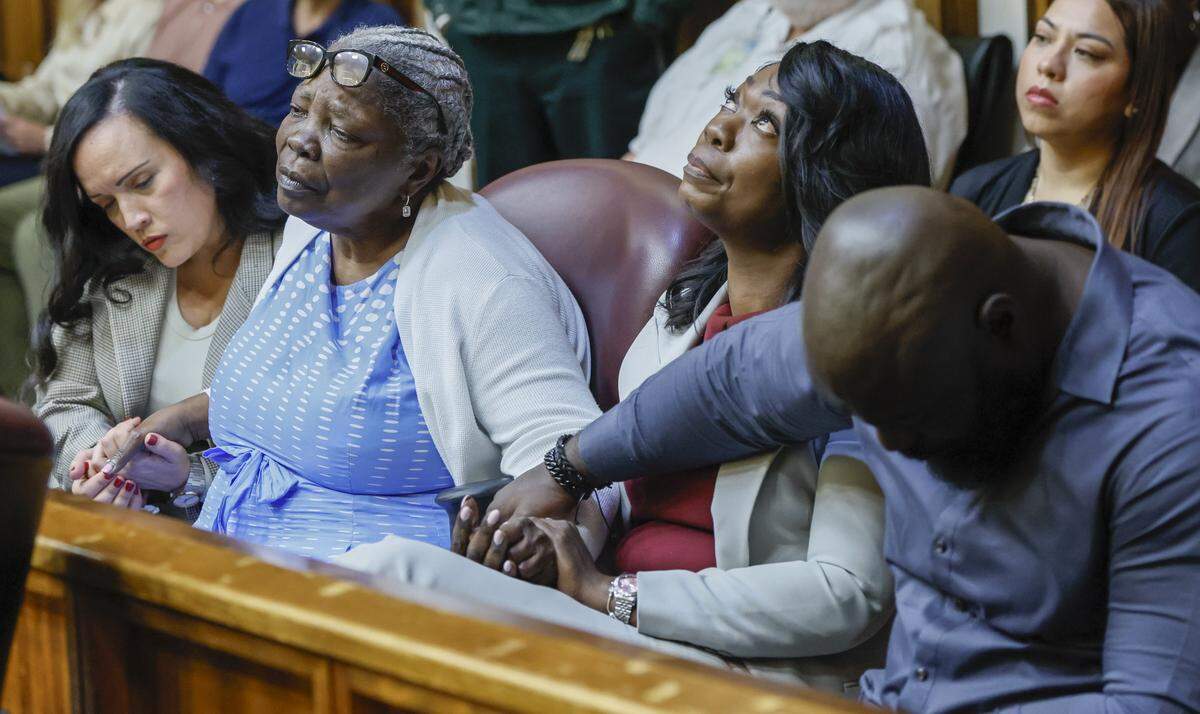
Several of Pata’s family members wiped their eyes, and one rushed out in tears during Lew’s testimony.
Lew explained to the jury the trajectory of the bullet, completing a demonstration with a cloth mannequin. Lew used a metal stick to show the direction the bullet traveled into Pata’s skull.
Lew, when cross-examined by Jones’ defense attorneys, said there was no evidence from the autopsy that indicated what the shooter’s height — or identity — was.
Jones’ cell pinged to tower: detective
Also on Wednesday, Miami-Dade Sheriff’s Office Det. Sergio Cremisini testified about sifting through Jones’ phone records. Hours before the murder, Jones had gotten a new phone number — and didn’t call anyone for several hours around the time of the murder.
Jones, who lived over a mile away from the Colony Apartments, connected to a different cell tower around the time of the murder. Cremisini, however, said that doesn’t definitively prove where Jones was.
The connection to the cell tower, Cremisini said, was “strange” but isn’t inconsistent with Jones being at home because that tower was in his coverage radius.
“I wouldn’t be able to explicitly say he was standing at the crime scene,” the detective said.
This story was originally published February 25, 2026 at 4:41 PM.