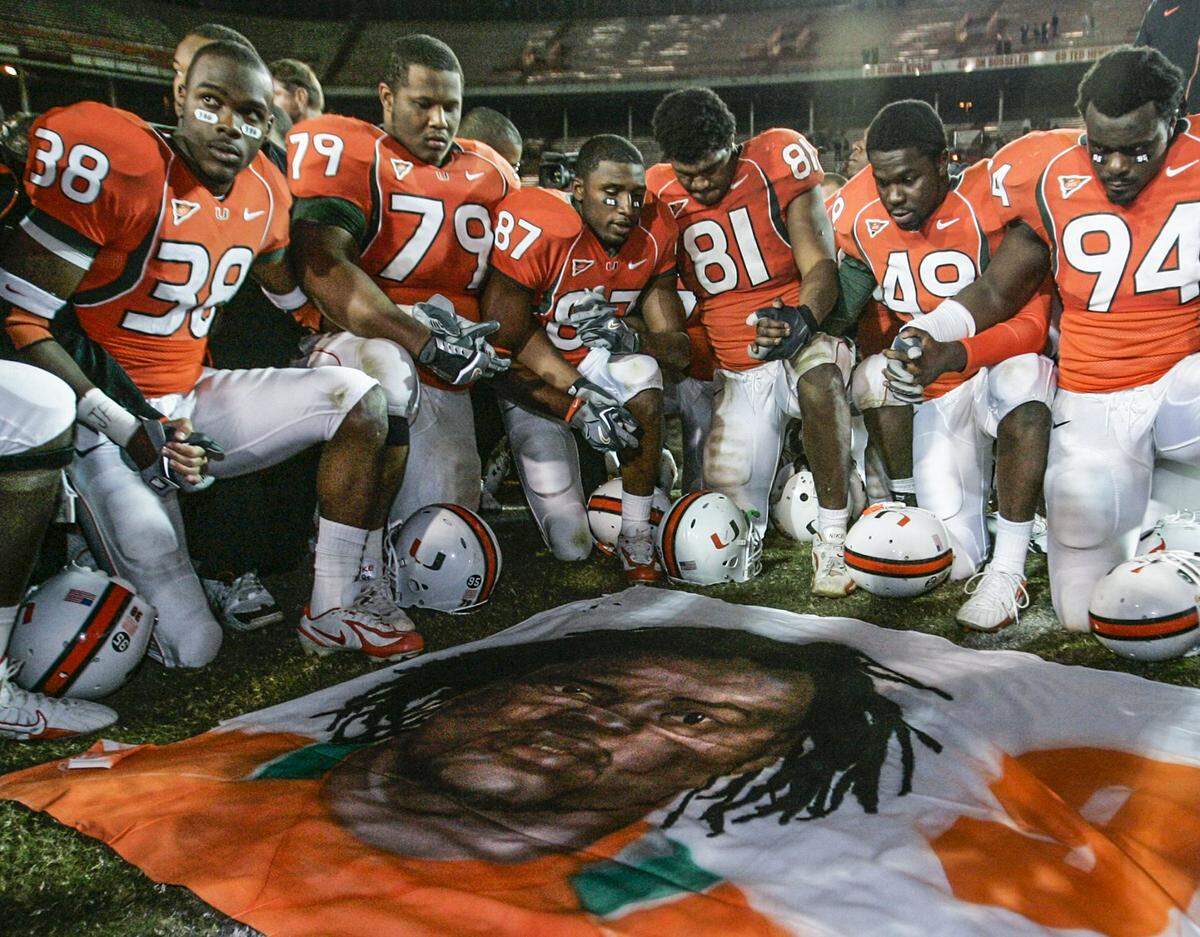
Did he gun down his UM football star teammate? Jury starts hearing evidence
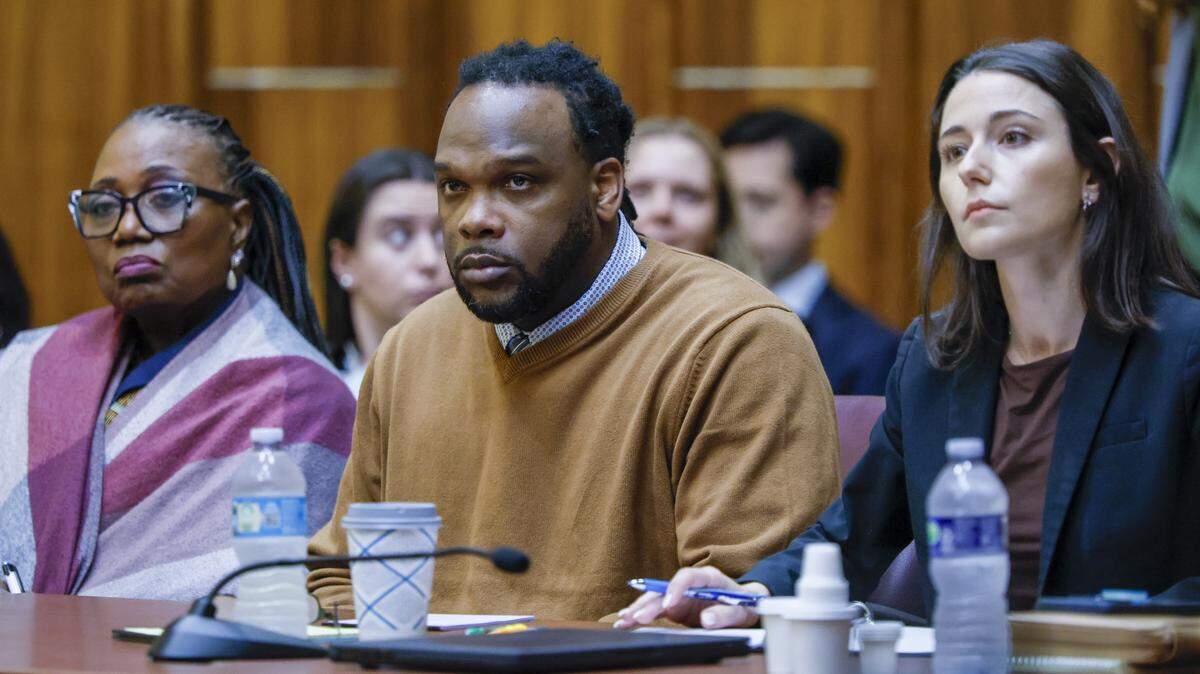
In a packed courtroom Wednesday morning, prosecutors said Bryan Pata was living out his childhood dream — as a star football player at the University of Miami, on his way to the NFL — when he was gunned down by his teammate.
“He was a University of Miami football player, NFL prospect, a larger than life college athlete...” prosecutor Kristen Rodriguez said during opening statements. “We are not here because of his life. We are here because of his murder.”
On Wednesday, Rashaun Jones, 40, faced the jury that will decide his fate. Jones, Pata’s former teammate, was arrested on a second-degree murder charge in 2021, 15 years after Pata’s 2006 death. He has pleaded not guilty.
Jones’ trial began after several months of delays, including a last-minute admission by Jones’ defense team on Tuesday that they uncovered new evidence linking his death to an ICE investigation, Haitian gang members and a hitman.
READ MORE: New evidence of hitman, Haitian gang in UM football star’s murder, defense says
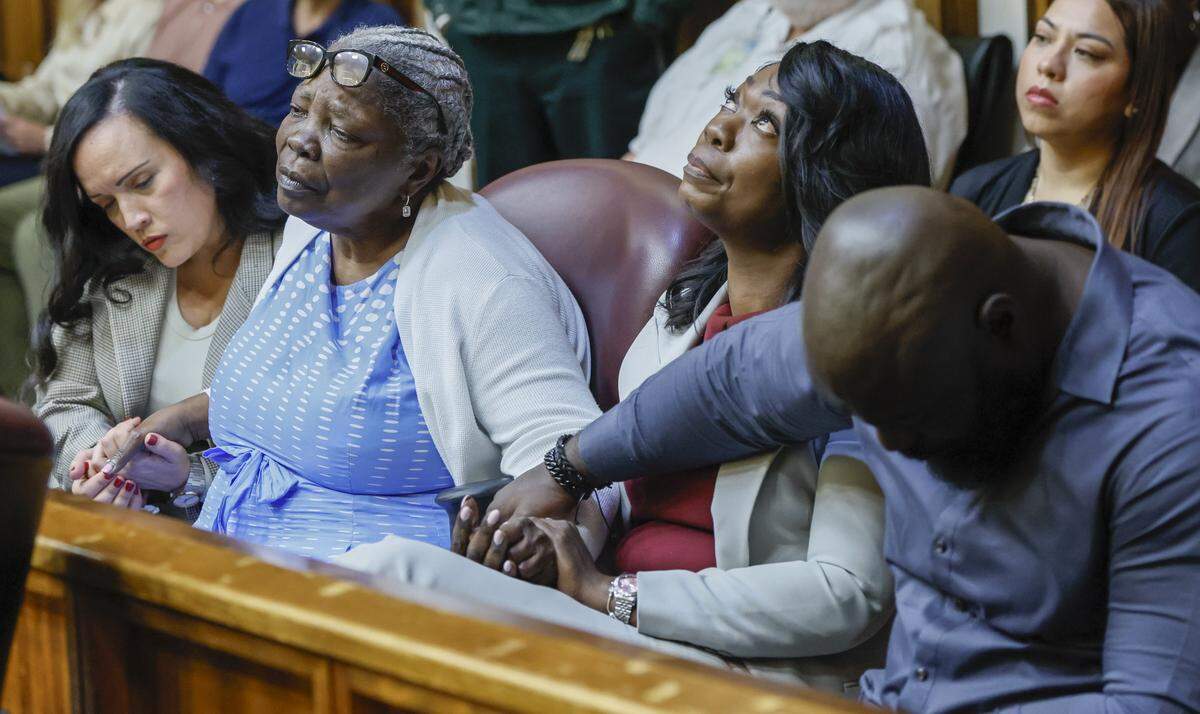
Pata, a 22-year-old Hurricanes star defensive lineman expected to be a top NFL draft pick, was shot in the back of his head and killed on Nov. 7, 2006, outside his home at the Colony Apartments in Kendall. He had just returned from football practice.
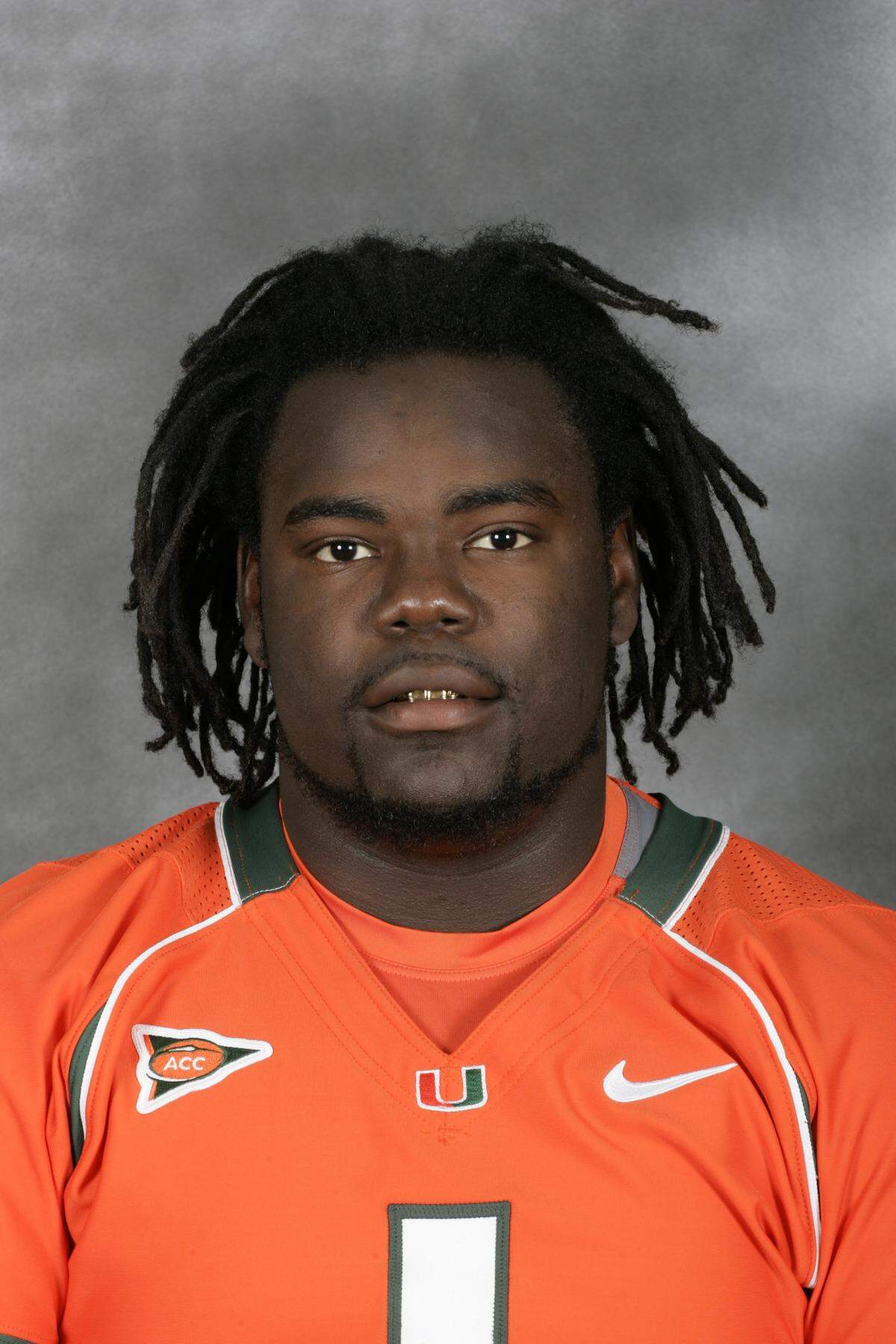
“What ensued at that point was an investigation into one of the most popular football players at one of the most popular teams in the city of Miami,” Rodriguez said.
Detectives were given a multitude of leads due to the victim’s high profile, but “they kept coming back to one person — Rashaun Jones,” Rodriguez said.
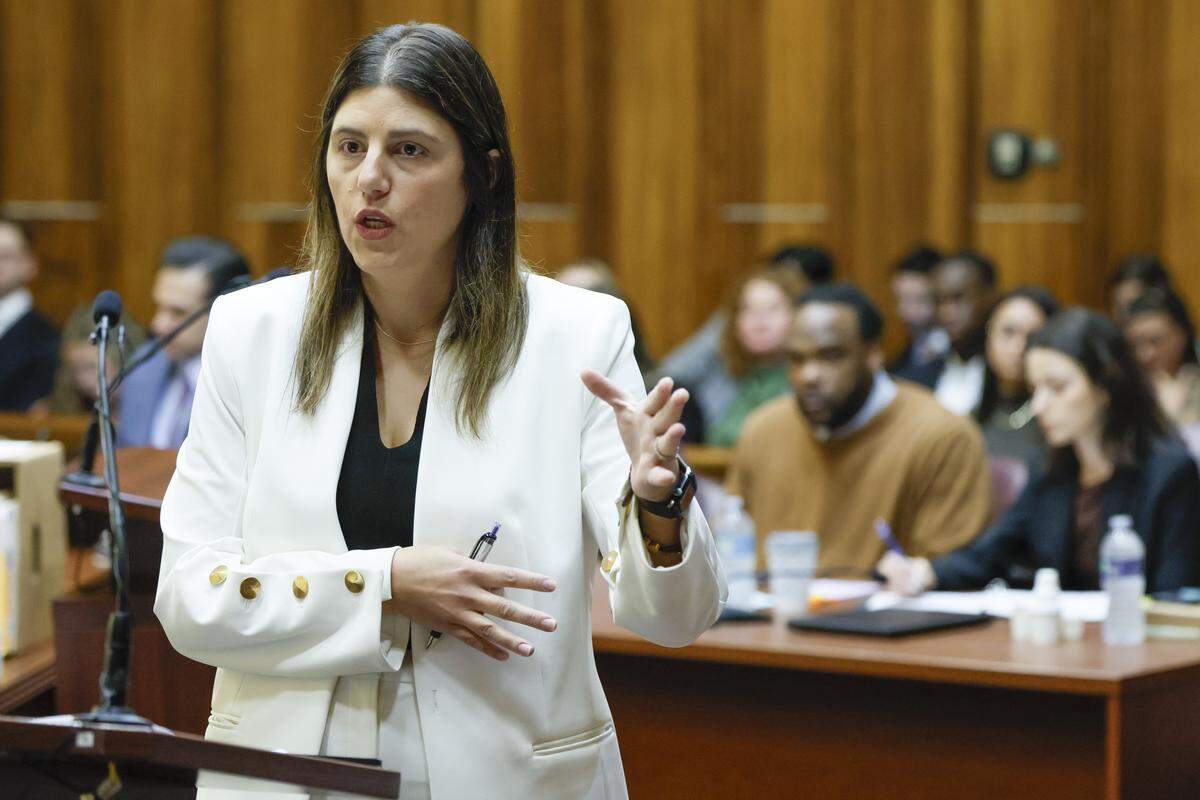
Jones, Rodriguez said, had two suspensions from the team, and his football dreams were dwindling. Meanwhile, Pata “has the girl, he’s got the talent, and he’s got the popularity,” the prosecutor said.
Jones, Rodriguez said, was jealous of Pata, noting he had a troubled relationship with his teammate years before the killing and had fought over a girlfriend.
Jones didn’t kill teammate: defense
Jones’s lawyers countered, however, that there isn’t anything that links Pata’s murder to their client.
Prosecutors do not have a murder weapon, fingerprints, surveillance footage, DNA or any witnesses of the shooting that can link Jones to Pata’s death, defense attorney Sara Alvarez said in her opening statement Wednesday. There is no “coherent motive” for why Jones would want to kill Pata, and police did not discover any new evidence linking him to the case that would explain the lengthy delay in prosecution.
“This case is different,” she said. “This is what the deliberate failure of justice looks like.” Pata’s killing “was an absolute tragedy, but Rashaun Jones is innocent.”
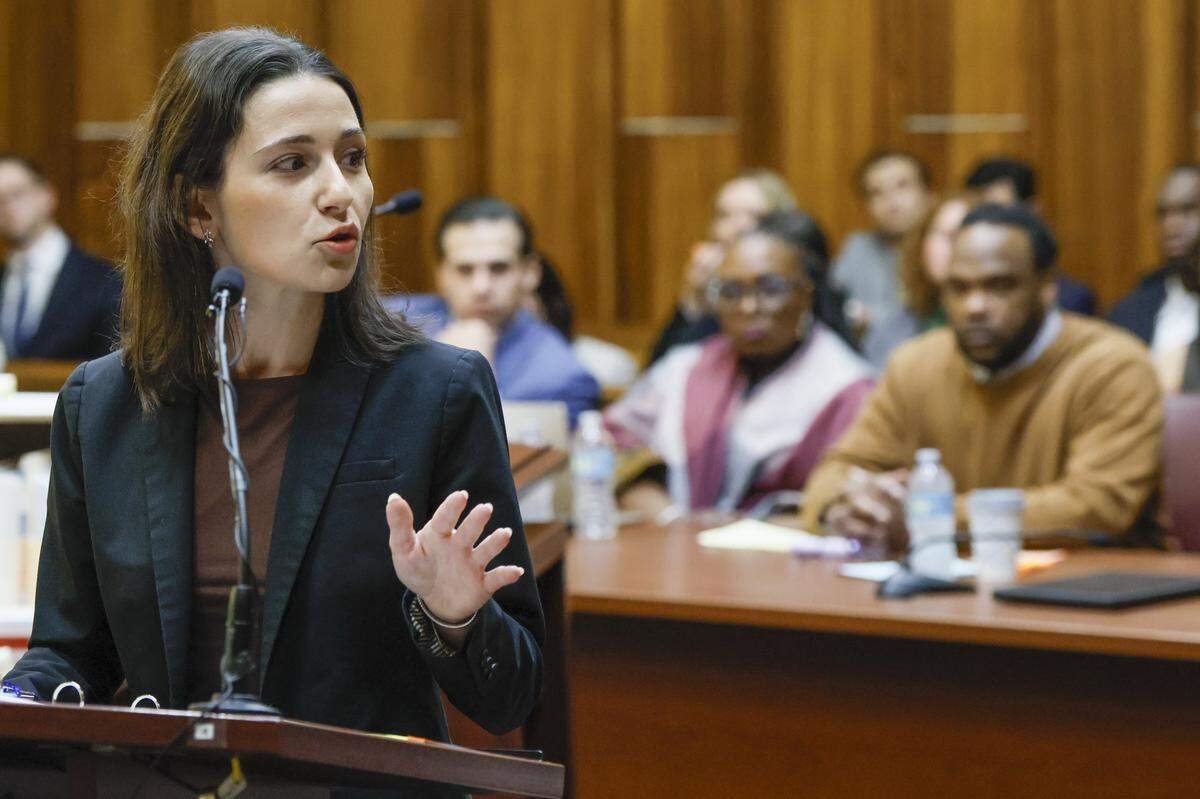
Jones is now on trial “because of pressure, not because of proof,” Alvarez noted. Prosecutors, she added, are asking jurors to perform “mental gymnastics” and “force those puzzle pieces to fit. Nothing ties Rashaun Jones to this in any way.”
The case had been one of South Florida’s most well-known unsolved killings. Jones’ arrest came after ESPN published an investigative piece about the case.
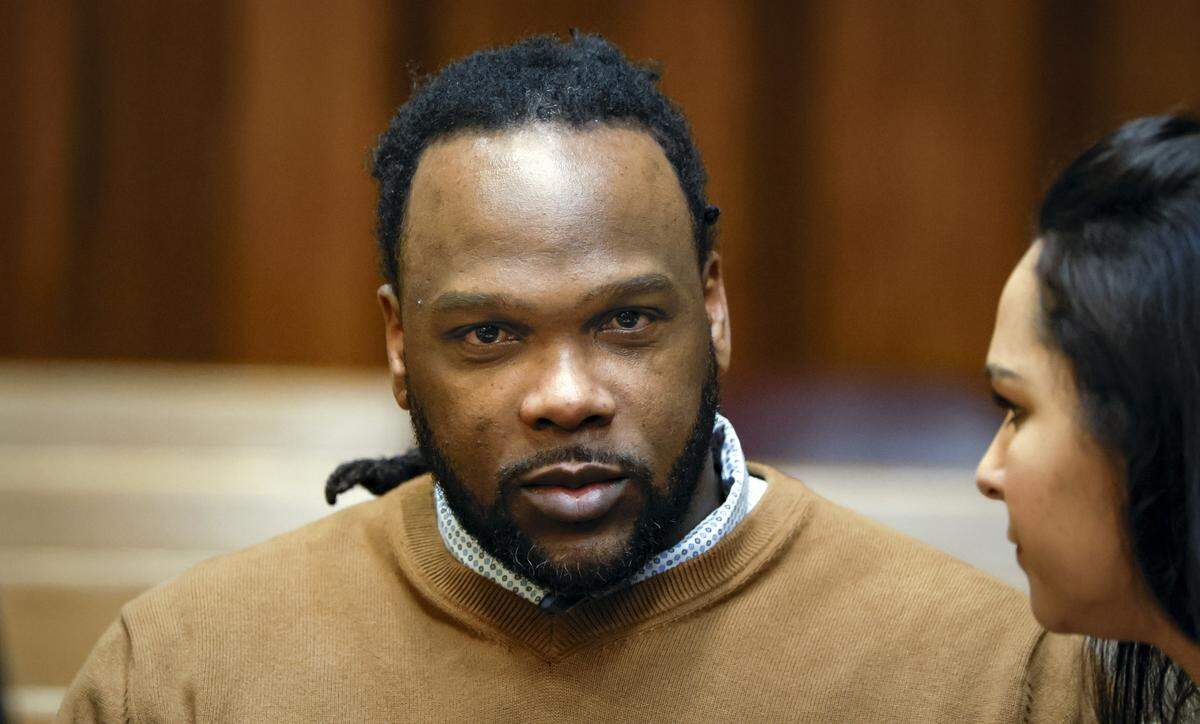
Jones’ trial was supposed to begin Tuesday morning but was delayed, as his legal team attempted to introduce new evidence to argue his innocence. They told Miami-Dade Circuit Court Judge Cristina Miranda they received information Friday night related to an Immigration and Customs Enforcement investigation involving a special agent who had intel from a confidential informant.
The informant said a hitman and Haitian gang members were involved in Pata’s killing. Pata, a graduate of Miami Central High, was Haitian American.
Nonetheless, Miranda did not delay the trial.
Mranda had previously barred Jones’ attorneys from presenting evidence related to other people confessing to the murder, allegedly placing a hit on Pata and threatening Pata before his killing. The defense also will not be allowed to elicit testimony about a fight at a Miami club involving Pata, several of his UM teammates and gang members months before the murder, the judge ruled.
READ MORE: New evidence of hitman, Haitian gang in UM football star’s murder, defense says
Two weeks ago, Jones rejected a plea deal offered by prosecutors that would have had him spending 15 years in prison. Jones has already served five years awaiting trial and would likely have gotten credit for the time served. Jones, however, said he wouldn’t take the plea deal because he didn’t kill Pata.
If convicted of Pata’s murder, Jones would face a life sentence.