Man who confessed to killing Hollywood cop sentenced to life in prison
The man who was 18 at the time that he shot and killed a Hollywood police officer will spend the rest of his life behind bars at a Florida prison, a Broward jury decided Monday.
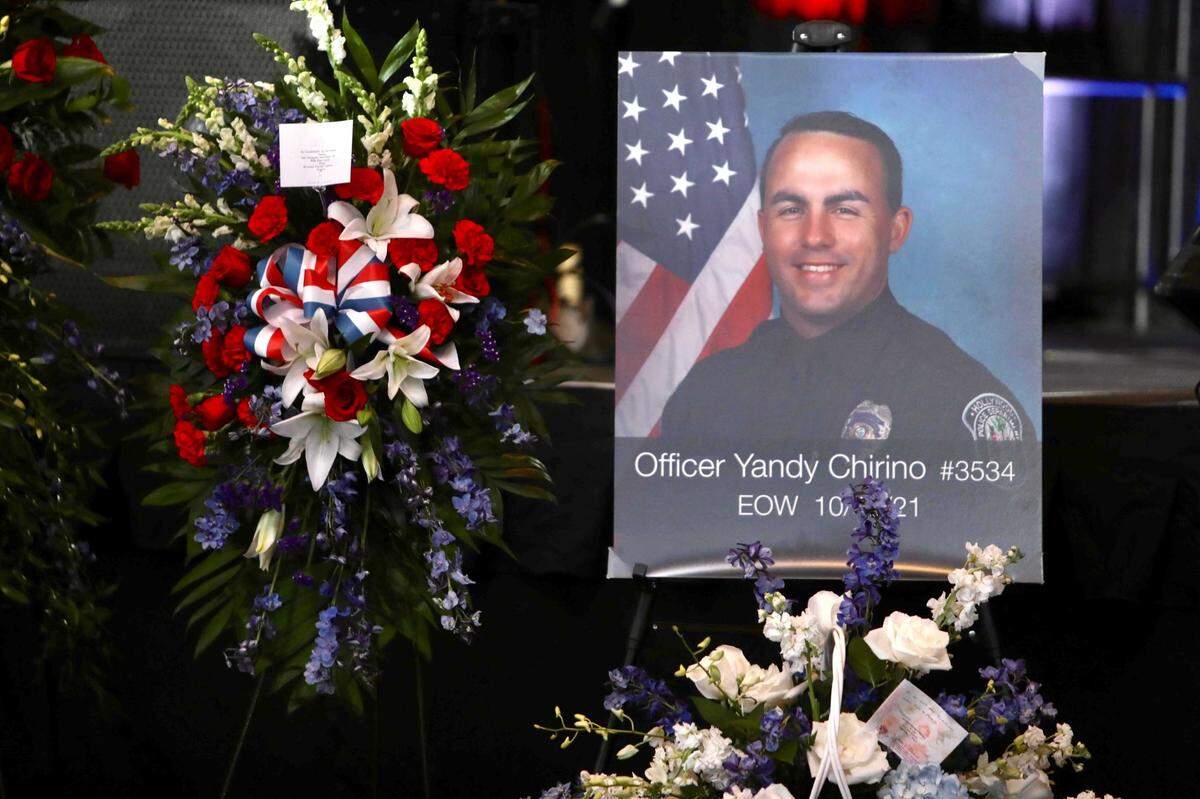
Jason Banegas, now 23, fatally shot Hollywood police officer Yandy Chirino, 28, during a scuffle in the Emerald Hills neighborhood of Hollywood on Oct. 17, 2021. Chirino, a cop of four years, had confronted Banegas, who was on a bicycle breaking into cars when Chirino tried to arrest him, prosecutors say. In October, Banegas pleaded guilty to all charges stemming from the killing.
Immediately after the verdict was read, Banegas’ family members sighed in relief. Some embraced each other as others tried to stop themselves from crying. Chirino’s family and supporters remained quiet, sitting in silence.
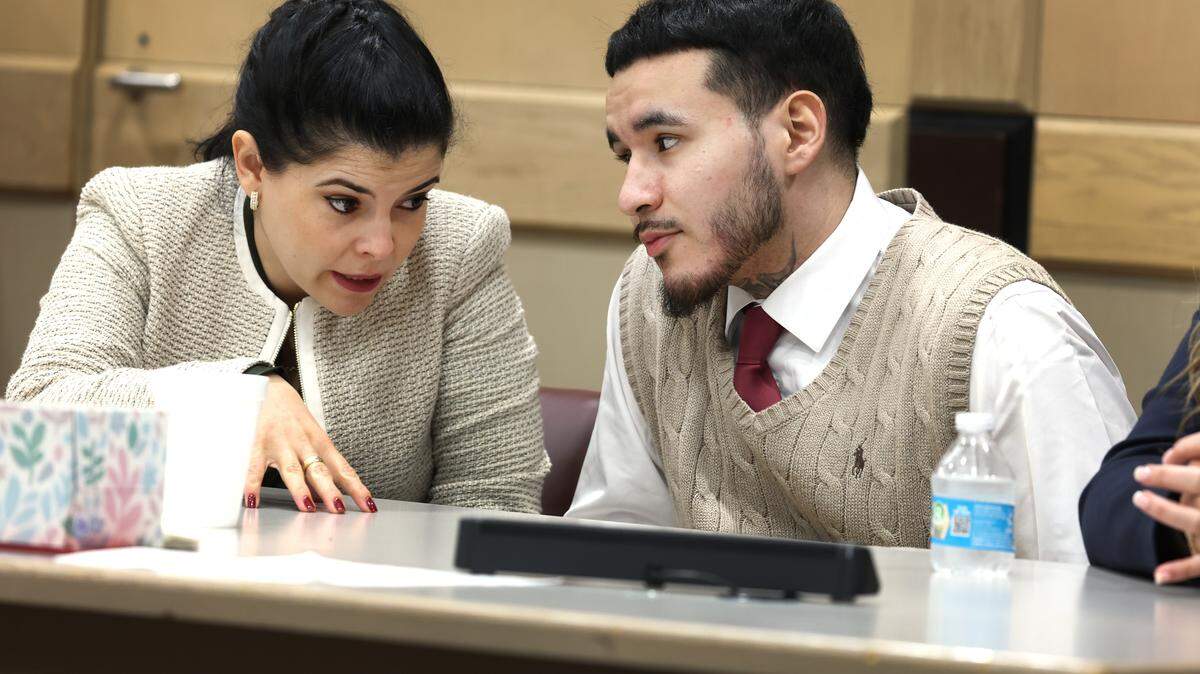
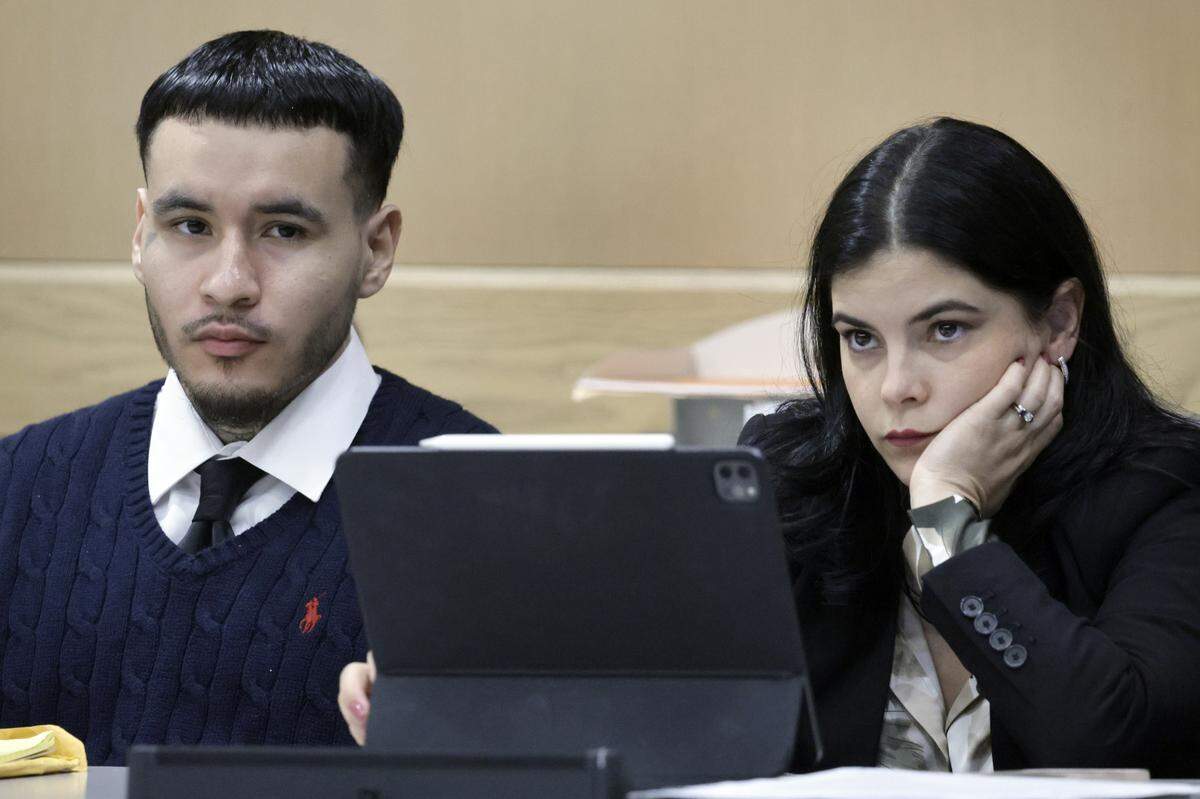
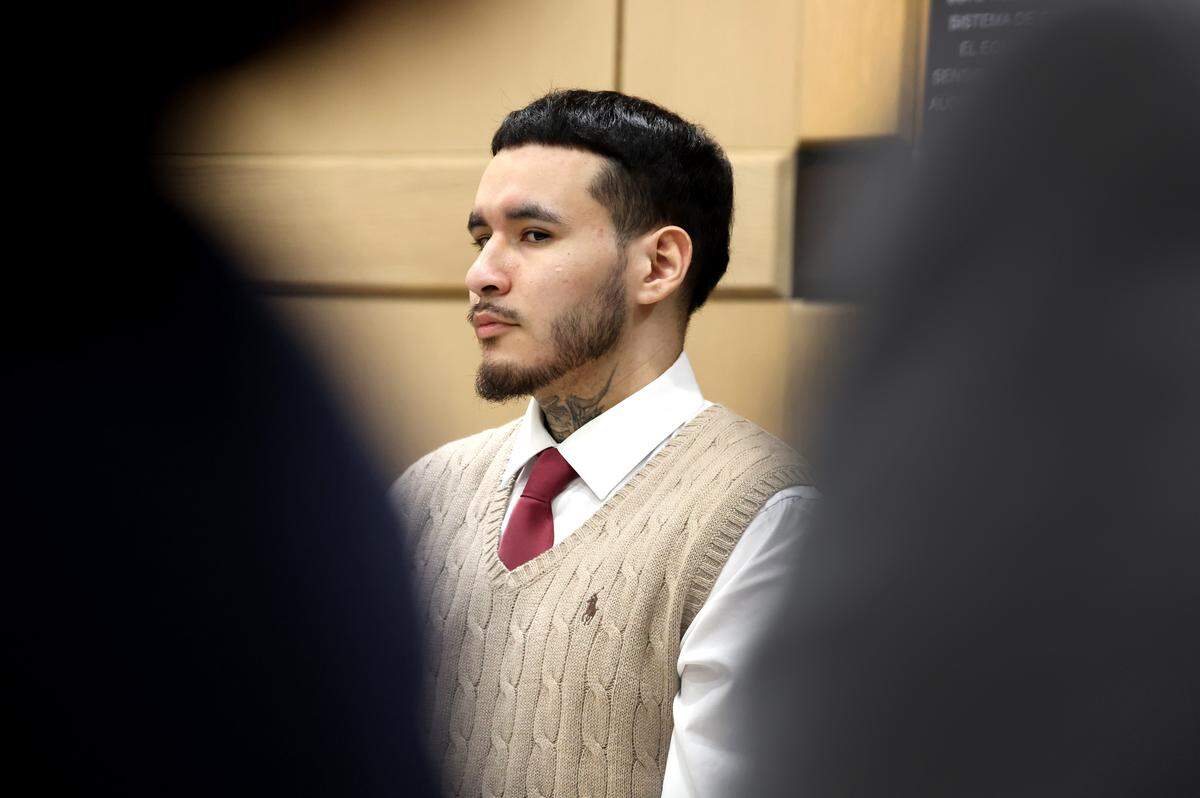
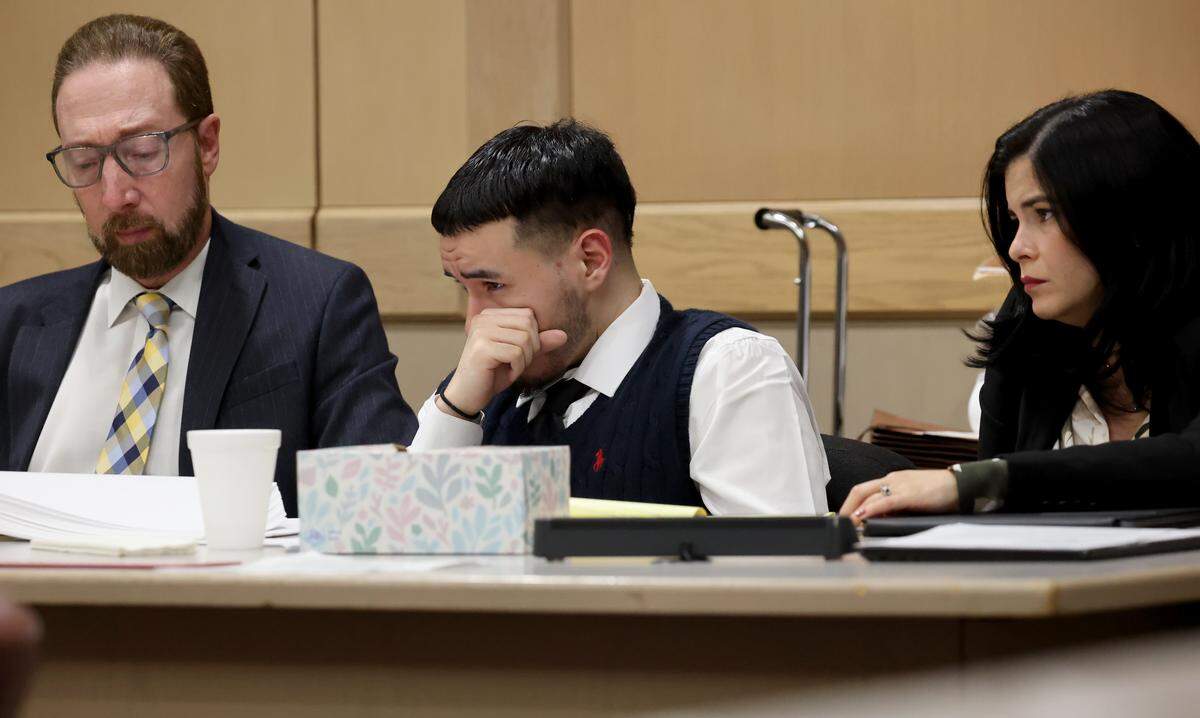
Banegas, dressed in a beige sweater vest with a cream-colored dress shirt and red tie, closed his eyes tightly when the verdict was read, as if grimacing.
Chirino’s supporters filed out of the courtroom quickly, with some crying and embracing each other.
Several of Banegas’ family members covered their faces from TV news cameras as they walked out. While heading to the elevators, one woman said to herself, “Oh my God, I’m so happy. Thank God.”
After the verdict, defense attorney Lien Lafargue told reporters that the jurors made the right decision in sparing Banegas’ life. The moments leading up to the verdict, she said, were “very emotional” — and she was “thankful that I was able to save his life.” Banegas is “not the monster he is portrayed to be,” Lafargue said.
“He was taught not to cry, but I think he felt it,” Lafargue said. “He felt relief that he’s not going to get killed. He doesn’t deserve to die. He was a child when this happened.”
Banegas will be sentenced on Feb. 18.
READ MORE: Man who killed Broward cop as a teen now pleads guilty. He’s facing death penalty
Banegas, prosecutors had argued, should be sent to Florida’s Death Row because he targeted Chirino — a police officer — when he shot and killed him. Defense attorneys argued that Banegas should instead spend the rest of his life in prison because of his troubled upbringing, which was filled with abuse, neglect and violence.
From the start, Banegas confessed to the car break-ins — and told detectives he shot Chirino in the face during a botched attempt to take his own life, according to court documents. The officer was supposed to be off the Sunday he was killed; Banegas had been recently released from a “high-risk” detention center.
Officer ‘deserved to live’
During closing arguments Monday, prosecutors detailed Chirino’s final moments, saying he suffered “mental torture” after Banegas shot him between his ear and jaw.
As the scuffle escalated, Banegas took out a Glock pistol and pulled the trigger, which Zaccor said was evidence of premeditation. Banegas’ 16-year-old sister had given him the gun, which she stole from a man earlier that year, according to police.
Even after shooting Chirino, who graduated from Coral Park Senior High and Florida International University, Banegas resisted arrest, prosecutor Stephen Zaccor added. Banegas told detectives that he resisted being handcuffed because he didn’t want to go back to juvenile detention, court records show. He had been placed on “conditional” release for drug charges.
“What I want you to focus on is the time,” Zaccor said. “How long that went on .... Officer Chirino was aware of what was happening.”
Banegas’ age and his difficult childhood — while sad — “doesn’t excuse or justify the murder,” Zaccor said.
“The appropriate sentence for the murder of Officer Chirino is death,” Zaccor said.
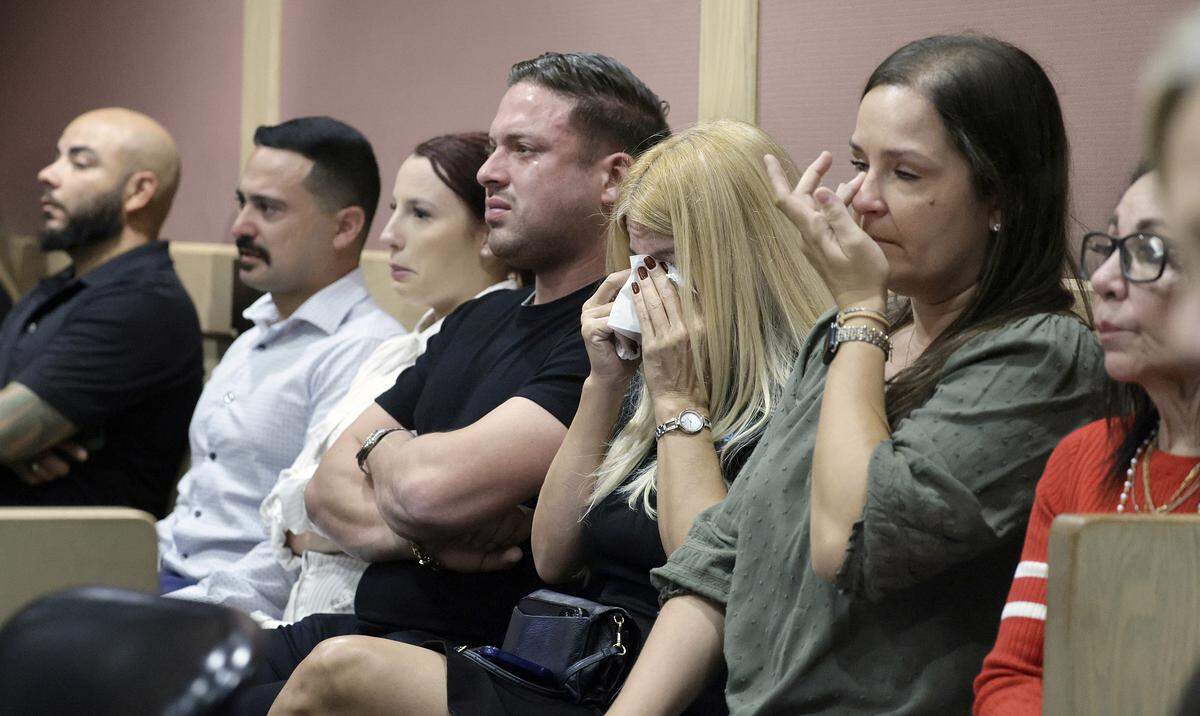
During the trial, fellow officers and loved ones of Chirino delivered grueling testimony about how their lives were changed by Chirino’s murder. Chelsea Howell, the officer’s girlfriend, told jurors that Chirino was “excited to head to work, joking, laughing being his goofy self” the day of the killing.
“I never imagined that could be the last moment I would ever share with him,” Howell said. “This isn’t a pain I will move on from. I will carry this loss with me forever.”
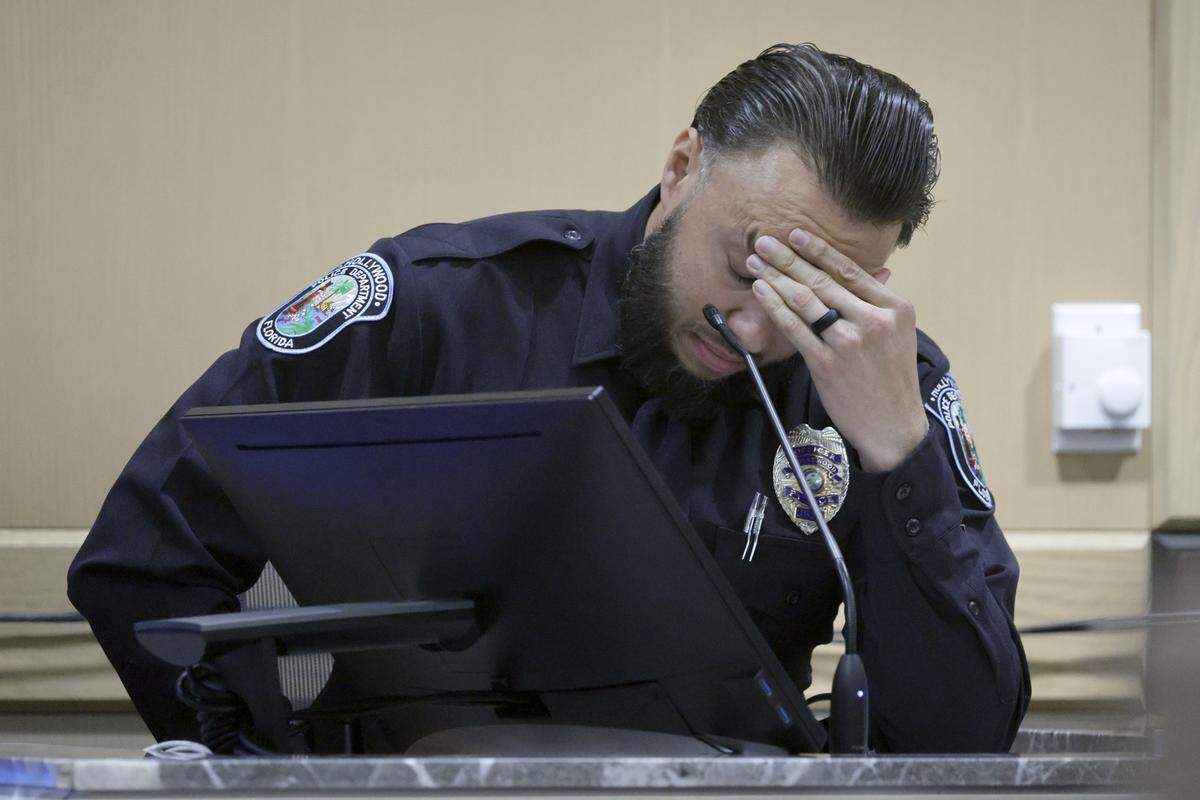
Officer Henry Martinez, Chirino’s best friend, gave emergency aid to Chirino while he was taken to the hospital. Martinez broke down as he testified about witnessing Chirino fighting for his life.
“His death didn’t just take a friend away from me,” Martinez said. “It took away a future. He deserved to live.”
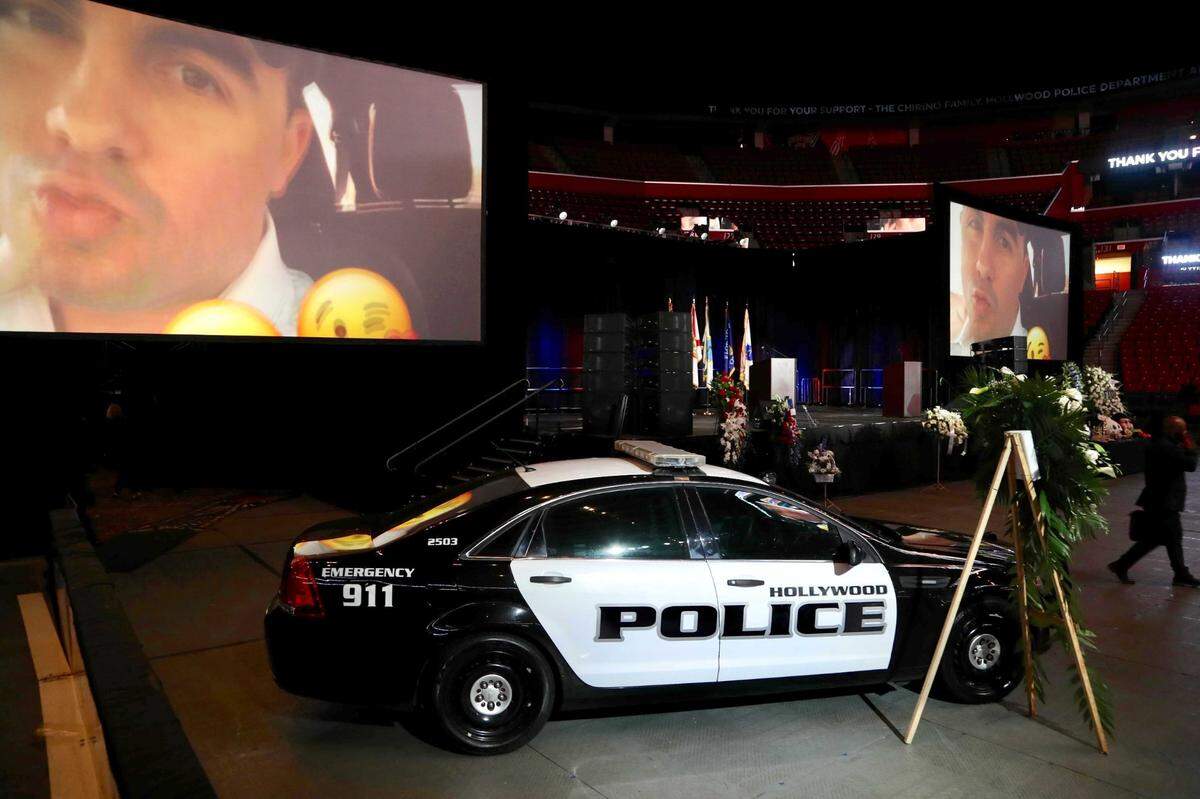
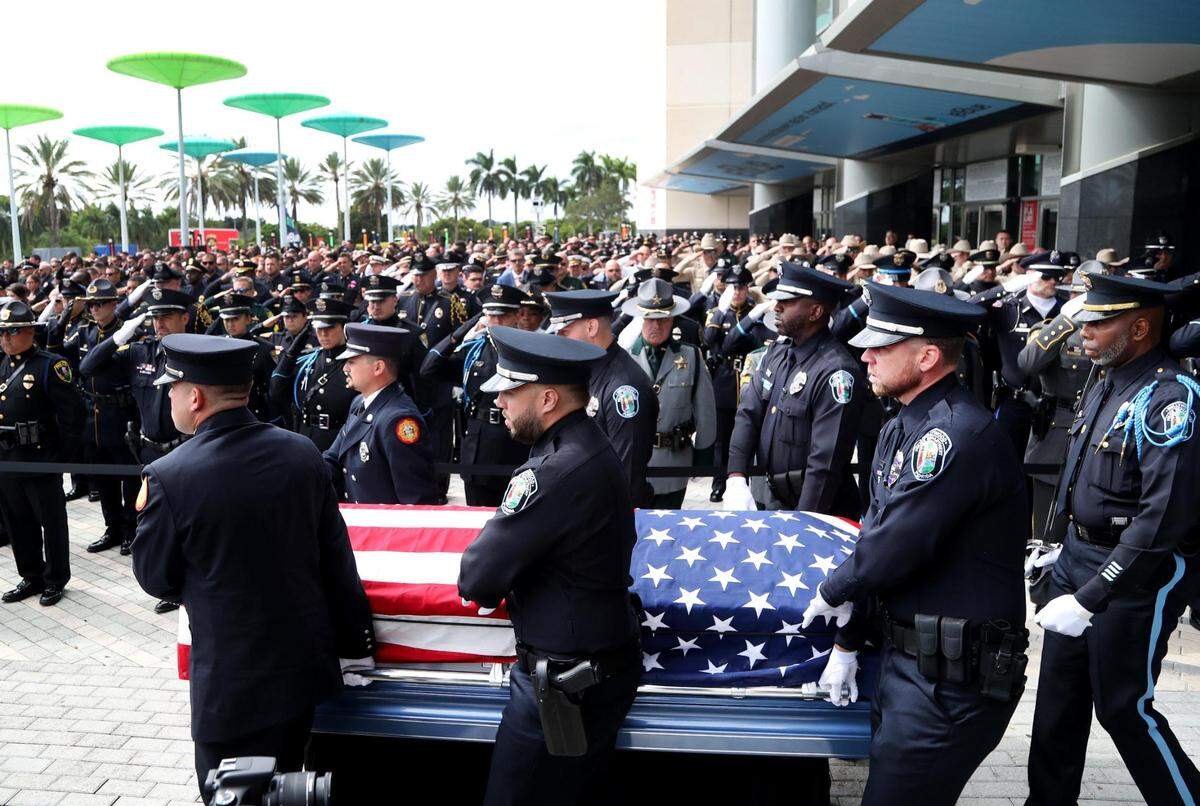
On Monday night, Hollywood Police Chief Jeff Devlin reacted in a statement to the verdict, adding that the department is dedicated to honoring Chirino’s legacy of service to the community.
“Officers have and always will hold the line between order and chaos in our society, and when one of us is murdered, it’s my belief that that individual should face the maximum penalty allowed by law, which is the death penalty,” Devlin said. “Although the verdict did not reflect that outcome, this murderer will spend the rest of his life behind bars without any possibility of parole.”
Bad home life, abuse
Banegas grew up surrounded by dysfunction in Miami’s Allapattah neighborhood, Lafargue said. He was raised by his mother, Ingrid, who was trafficked to the U.S. by his father, Omar, when she was 16. Omar physically and sexually abused Ingrid, and in turn, Ingrid abused and neglected Banegas and his siblings.
Ingrid, who struggled with substance abuse, would leave Banegas and his siblings unattended without food. That, Lafargue said, left Banegas, the oldest, “crushed with responsibilities,” including having to provide for his siblings. Banegas’ father vanished after he went to Honduras when Banegas was a child.
From a young age, Banegas and his siblings learned how to break into cars to look for money for food. He was first arrested when he was 10 years old and spent much of his childhood in and out of juvenile correctional facilities.
While in juvenile custody, Banegas witnessed violence and abuse, sometimes at the hands of correctional staff. A psychologist who testified on Banegas’ behalf told the jury the conditions inside Florida juvenile facilities were exposed in the Miami Herald’s 2017 investigation “Fight Club,” which publicized how guards were using honey buns and other treats to motivate the children to attack each other.
READ MORE: Lightning blasted his shoes off — and illuminated a pattern of abuse by staff
During the trial, Banegas’ sister Katherine took the stand and delved into the cycle of abuse at the Banegas household. The siblings, she said, were neglected by their mother and grew up around drugs and sexual predators. Katherine, who also had run-ins with the law when she was a juvenile, is now 21 and attending college.
“If Jason gets to live, even in jail, he gets to help people ... He gets to completely change. He doesn’t deserve to die,” Katherine said in tears.
Banegas’ brain also wasn’t fully developed for him to understand the gravity of his actions, Lafargue added.
“The death penalty is reserved for the worst of the worst,” Lafargue told the jurors before they reached their decision. “You are here to determine if this case is elevated [to that point.]”
The jury, the attorney said, had to decide how Banegas will die: whether from natural causes or violence in state prison — or by its command, with Banegas strapped to a gurney and lethal drugs flowing into his veins.
“Life in prison takes away all of your choices. He will never get out,” Lafargue said. “He will never walk on the beach and feel the sand on his toes. ... He will never get a hug from abuela whenever he wants.”
This story was originally published December 15, 2025 at 12:37 PM.