
Ghislaine Maxwell working on prison release application
Convicted sex trafficker Ghislaine Maxwell appears to be planning to ask the Trump administration to commute her 20-year prison sentence, according to a leaked email obtained by the House Judiciary Committee and viewed by the Miami Herald.
The email, written by Maxwell to one of her attorneys, came from a whistleblower at Camp Bryan, the women’s federal prison in Texas where Maxwell was transferred in July, a source on the committee told the Herald.
Maxwell’s transfer to the “minimum” security facility from the federal women’s prison in Tallahassee came after she met with Deputy Attorney General Todd Blanche, a move that some lawmakers suspect could be part of a deal that Maxwell has engineered in order to be released or pardoned.
In a letter Sunday to President Donald Trump, Rep. Jamie Raskin, a Democrat from Maryland, called upon Trump to provide answers about Maxwell’s preferential treatment, saying that the deference and servility to Maxwell at the Texas facility is so egregious that one of the top officials at Camp Bryan said that he is “sick of having to be Maxwell’s bitch.”
“Federal law enforcement staff working at the camp have been waiting on Ms. Maxwell hand and foot,” wrote Raskin, the ranking Democrat on the committee.
Maxwell, 63, was convicted in 2021 of sex trafficking and other offenses in connection with her former partner, Jeffrey Epstein. Evidence during trial showed that she helped recruit, groom and sexually abuse underage girls for both her and Epstein’s benefit.
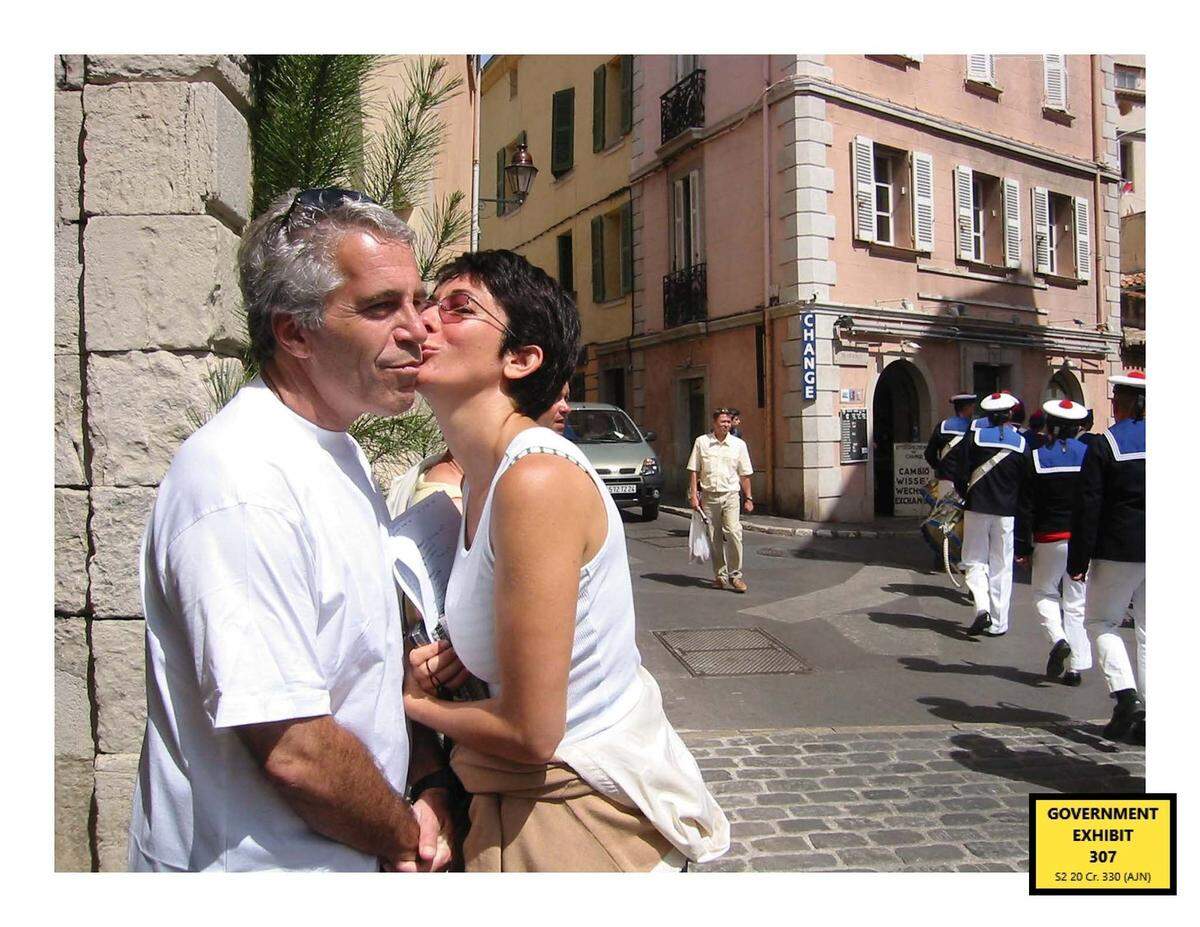
Epstein, a financier who cultivated friendships and business relationships with some of the world’s wealthy and most powerful people, including Trump, was found dead in 2019 in a federal prison in New York where he was awaiting trial on charges of sex trafficking minors.
Raskin claimed that Bryan’s warden is helping Maxwell with a commutation application by copying and scanning documents for her, and has facilitated Maxwell’s guests’ requests to bring computers into the prison — presenting a security risk and the “potential for Ms. Maxwell to use a computer to conduct unmonitored communications with the outside world.”
In the leaked e-mail, which has the subject line “commutation application,” Maxwell writes to her attorney that she “will send you stuff through the warden...I will need the brief back at some point to go through it. I am struggling to keep it all together as it is big and there are so many attachments.”
An unprecedented number of email leaks have occurred since Maxwell was transferred to the prison, including emails that were published by two British tabloids that led to Prince Andrew being stripped of his Royal titles last month. The source of the leaks is unknown, but the journalist who broke the Andrew story, Daphne Barak, conducted several prison interviews with Maxwell by phone with the help of Maxwell’s family.
Barak, who is based in Los Angeles, has said in interviews that she first interviewed Maxwell almost 30 years ago after the suspicious death of her publisher father, Robert Maxwell. She conducted several interviews with Maxwell in 2022 when the British socialite was housed at the minimum-security federal women’s prison in Tallahassee.
One of the interviews was done over a computer with the help of Maxwell’s brother, Kevin.
The federal Bureau of Prisons (BOP) has not provided an explanation for why Maxwell was moved, or why she is being given special privileges, such as better food and private exercise time. Bryan is a dormitory-style housing with limited to no perimeter fencing that provides recreational activities such as Pilates, yoga and “a puppy program.”
“Bryan is a different beat in every possible respect to [Tallahassee],” she wrote to a relative in emails obtained by the Judiciary Committee and first reported by NBC News. “The food is legions better, the place is clean, the staff is responsive and polite. I have not seen a single fight, drug deal, passed out person or naked inmate running around or several of them congregating in a shower. In other words, I feel like I have dropped through Alice in Wonderland’s Looking Glass.”
Her transfer has led to outrage, particularly from her victims.
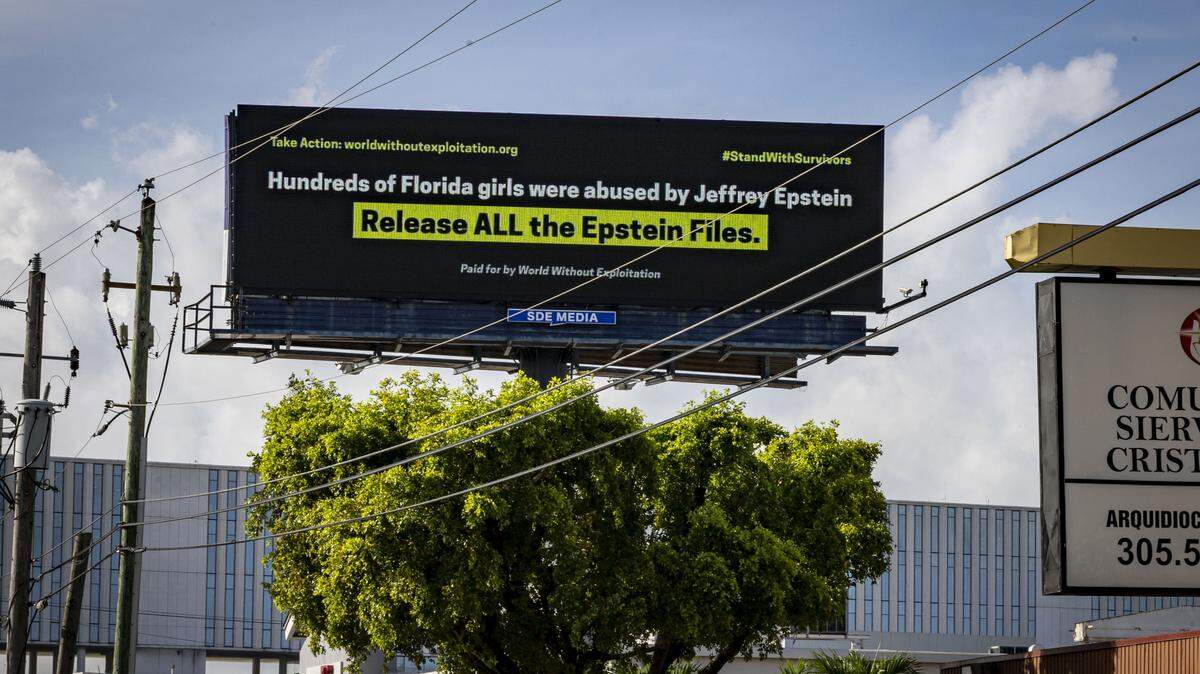
“There are over 1,000 victims. In any other circumstance, there would be no consideration for leniency. In the event she has an inside track to leniency, that flies in the face to why we have justice system,” said Lauren Hersh, executive director of World Without Exploitation, an organization working to end human trafficking and sexual exploitation. The group erected three billboards in Florida last week calling for the release of the Epstein files by the Department of Justice.
Raskin, in his letter to the president, said moving Maxwell to Camp Bryan was made “in apparent flagrant violation of BOP policies,” including one that prohibits the placement of sex offenders in minimum security facilities such as Bryan.
Justice Department instructions suggest that it would be up to Attorney General Pam Bondi to determine whether to notify Maxwell’s victims if Maxwell files a commutation application, taking into account “the seriousness and recency of the offense, the nature and extent of the harm to the victim, the defendant’s overall criminal history and history of violent behavior, and the likelihood that clemency could be recommended in the case.”
Last month, the U.S. Supreme Court denied Maxwell’s appeal by refusing to review her case, and her legal options are now limited. Her family and lawyers have said they may file a writ of habeas corpus, a motion that would present new evidence, such as government misconduct.
Her attorneys declined to comment Monday on her application for commutation.
Raskin has demanded that Blanche appear before the committee to answer questions about the prison transfer.
“The question now is precisely what did Mr. Blanche promise or suggest Ms. Maxwell might receive for this false testimony,” Raskin said.
On Oct. 30, California Rep. Robert Garcia, a ranking member on the House Oversight Committee, wrote the warden, Tanisha Hall, a letter asking about the conditions of Maxwell’s incarceration. “The Committee is particularly alarmed by compelling evidence that the Bureau of Prisons (BOP) has granted Ms. Maxwell preferential treatment while simultaneously stonewalling congressional oversight into her transfer and her ongoing conditions of confinement,” Garcia wrote.
Epstein, who received a lenient plea deal that allowed him to escape federal sex trafficking charges in 2008, also engineered a cushy prison term. An investigation of Epstein’s crimes published in the Miami Herald in 2018 revealed that he served just 13 months in a county jail -- but spent most of his waking hours in an “office” he set up in Palm Beach, where he welcomed visitors – including young women – 10 to 12 hours a day.
Staff Writers Ben Wieder and Claire Healy contributed to this report.
This story was originally published November 10, 2025 at 2:04 PM.