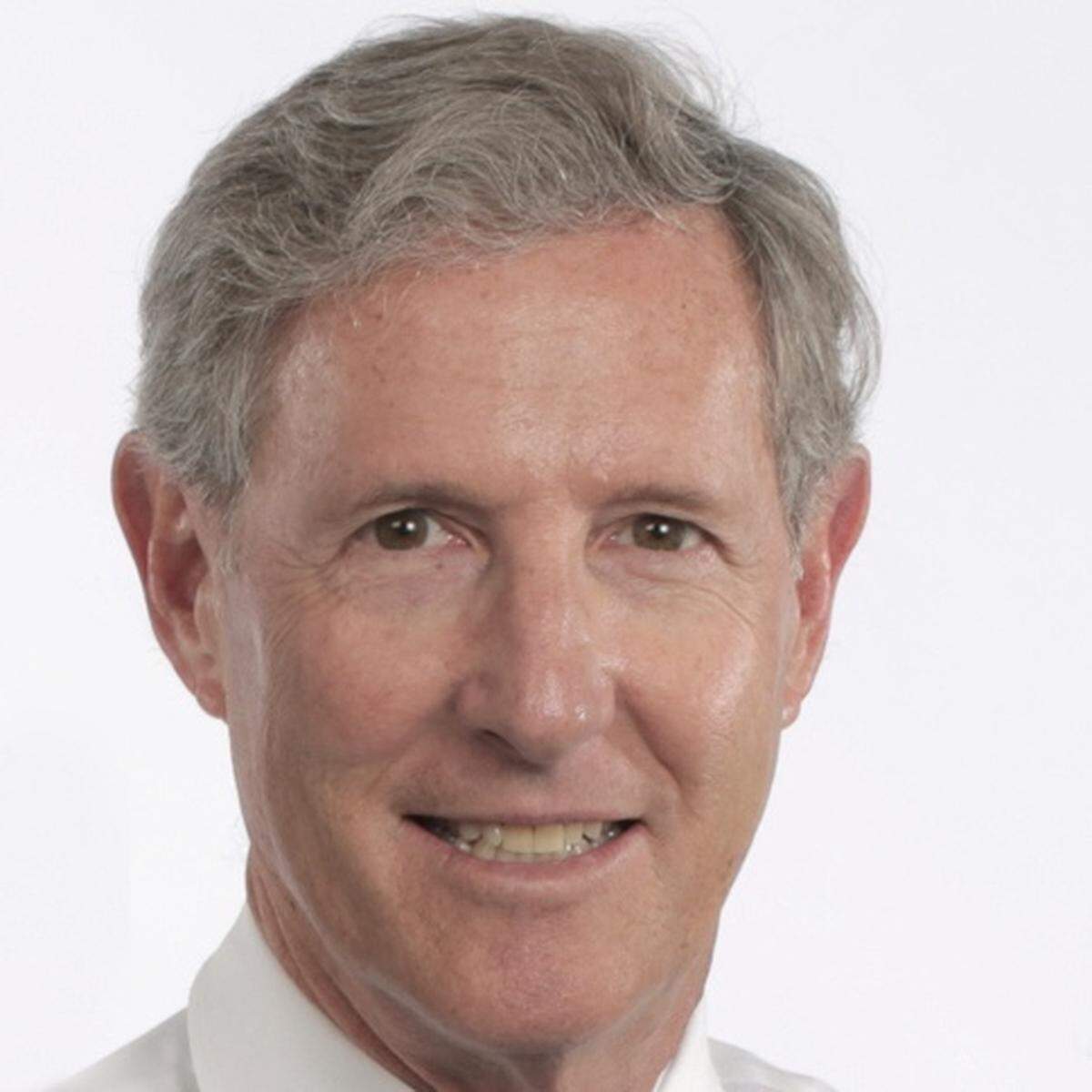
Miami doctor sentenced to 15 years for key role in Oxycodone painkiller racket

At 72, Dr. Daniel Alberto Carpman was hoping to avoid spending the rest of his life in prison for prescribing millions of Oxycodone pills to thousands of patients who resold the painkillers to drug dealers in the Miami area.
His defense attorney, Oscar Rodriguez, told a federal judge on Monday that Carpman would be staring at a “life sentence” or the “death penalty” if the judge gave him the maximum 20-year sentence for his critical role in a street racket that distributed the dangerous opioids. The lawyer asked for six years in prison, perhaps hoping for a miracle in Miami federal court, as Carpman’s family members and friends anxiously awaited the judgment.
U.S. District Judge Melissa Damian showed a smidgen of mercy and imposed a 15-year prison term, citing the Argentine-born doctor’s advancing age and declining health. But Damian, noting the deadly scourge of the opioid epidemic, said she was struck by the “staggering” number of Oxycodone pills that Carpman prescribed from his Miami clinic in a five-year conspiracy with a ring of Hialeah-based dealers.
“Everyone is aware of the severity of the opioid epidemic in this country,” Damian said. “The harm it is doing to our country is overwhelming.”
Carpman’s punishment on Monday followed a two-week trial in April, when a 12-member federal jury found the doctor guilty of conspiring with the street dealers to distribute more than two million Oxycodone pills to thousands of patients who were in on the pill-mill scheme that lasted from 2018 to 2023. He was also convicted of four related counts accusing him of distribution and dispensing a controlled substance. He has been held at the Miami Federal Detention Center since his trial conviction.
During his sentencing, prosecutors portrayed Carpman as the “el Chapo” of painkiller doctors in South Florida, saying no other case has come close to his for sheer volume. They say he doled out more than 19,000 prescriptions for 120 tablets of Oxycodone in maximum dosages of 30 milligrams on a monthly basis to patients.
“He didn’t care about the patients,” said prosecutor Alex Pogozelski, alleging that two of Carpman’s patients died of overdoses. “He did it for the money.”
Carpman’s lawyer tried to minimize the number of prescriptions, pills and patients. Even Carpman, a trained dermatologist who formerly lived in a Brickell Avenue high-rise condo, suggested his crime of associating with the Hialeah ring of drug dealers was a “mistake” in judgment.
“I admit my guilt for the small number of patients that were brought by them [to me]”, Carpman told the judge in Spanish, using an interpreter. “The great majority of patients at the clinic were not related to those” drug dealers.
“I am a decent individual who made a mistake,” Carpman said. “I am remorseful.”
His lawyer, Rodriguez, highlighted that he has taken care of his 100-year-old mother and disabled 70-year-old brother in Argentina since he immigrated to the Miami area in 2002 and obtained his Florida medical license.
At his sentencing, however, Pogozelski urged the judge not to be swayed by Carpman’s bid for sympathy, saying he deserved the maximum 20 years in prison.
At trial, Pogozelski, joined by prosecutor Chris Clark, said the doctor “struck a corrupt bargain” with the Hialeah dealers and “sold out his medical license to make $5 million” in consulting and other fees while “masquerading in a lab coat as a drug dealer” himself. They said most of his patients were recruited by the street dealers.
When Carpman was arrested in 2023, federal authorities accused him of writing thousands of the same Oxycodone prescriptions for elderly patients over and over, even though they didn’t need them to treat their pain. Instead, according to the FBI, the patients filled the prescriptions at local pharmacies and sold the powerful painkillers to the Hialeah-based distribution ring protected by a corrupt federal agent — one who practiced the Cuban religion of Santeria with the lead Oxycodone dealer.
The previous year, the Miami doctor got off lightly when he reached a settlement agreement with the Florida Board of Medicine for prescribing large doses of Oxycodone to a patient. Carpman paid a fine of $7,500 and administrative costs of about $10,000. A “letter of concern” was also placed in his file at the state Department of Health, but he was still allowed to practice medicine.
Linked to a network
Although Carpman was charged alone, his case was linked to a network of about 10 people implicated in a massive painkiller pill-mill racket that unlawfully sold millions of dollars worth of Oxycodone, the generic name for the highly addictive opioid, according to court records and prosecutors.
Almost all of those defendants — including a Hialeah doctor who was the racket’s alleged go-to physician before Carpman — already pleaded guilty and were sentenced to various prison terms. A U.S. Health and Human Services agent faced trial in 2023 on charges of conspiring to distribute Oxycodone, witness tampering and obstruction of justice, while protecting members of the pill-mill organization with tips on enforcement actions. A few cooperating members of that ring testified against the agent, Alberico Ahias Crespo, who was acquitted by a federal jury of the distribution-conspiracy charge but convicted of the corruption charges. Crespo was sentenced to eight years in prison in early 2024.
Crespo was sentenced to more prison time than the distribution ring’s leader, Jorge Diaz Gutierrez, who was like a father figure to Crespo. Diaz received just over six years in prison after pleading guilty to distributing painkillers and obstructing justice in a cooperation deal that also required his testimony at Carpman’s trial.
Crespo and Diaz were so tight that Diaz rented an efficiency apartment behind the agent’s Hialeah home and became his “babalawo,” or high priest, during Santeria religious rituals. But at trial, Diaz incriminated Crespo while testifying about numerous court-approved wiretap recordings of their cellphone conversations in the FBI-led investigation.
Operated Coral Way clinic
The Carpman indictment accused the doctor of operating a pain management clinic, Donate Medical Center, on Coral Way in Miami and illegally distributing and dispensing Oxycodone between September 2018 and March 2023. The indictment accused Carpman of distributing and dispensing “a controlled substance [Oxycodone] through prescriptions that were issued without a legitimate medical purpose by a practitioner acting outside the usual course of professional practice.”
The indictment was built upon a related Oxycodone conspiracy case, which resulted in the conviction of Diaz as well as his partners, Yandre Trujillo Hernandez and Juliedys Mirabal Gutierrez, who regularly interacted with Carpman. Another member of the ring was Diaz’s girlfriend, Anais Lorenzo.
Court records show that Diaz, Trujillo and Lorenzo distributed Oxycodone prescribed by a doctor who ran two pain management clinics, including East and West Medical Office in Hialeah. They collaborated with Dr. Rudolph Gonzalez-Garcia and then when he got in trouble, they joined forces with Mirabal in their drug dealings with Carpman.
Gonzalez-Garcia, who was charged in a separate healthcare fraud conspiracy case, pleaded guilty and was sentenced to eight years in prison. Four other defendants were also charged in his case, including three who pleaded guilty and served short prison terms.
At the same time, another Miami pain clinic, General Care Center, was targeted by the FBI and Health and Human Services. Eventually, about 10 defendants, including doctors, were convicted in that scheme, which involved Trujillo and Mirabal. Mirabal ended up receiving immunity from prosecutors because he agreed to cooperate early on in the investigation.
This story was originally published November 3, 2025 at 4:44 PM.