Did former Miami-Dade officer sexually abuse three young girls? Jury will decide
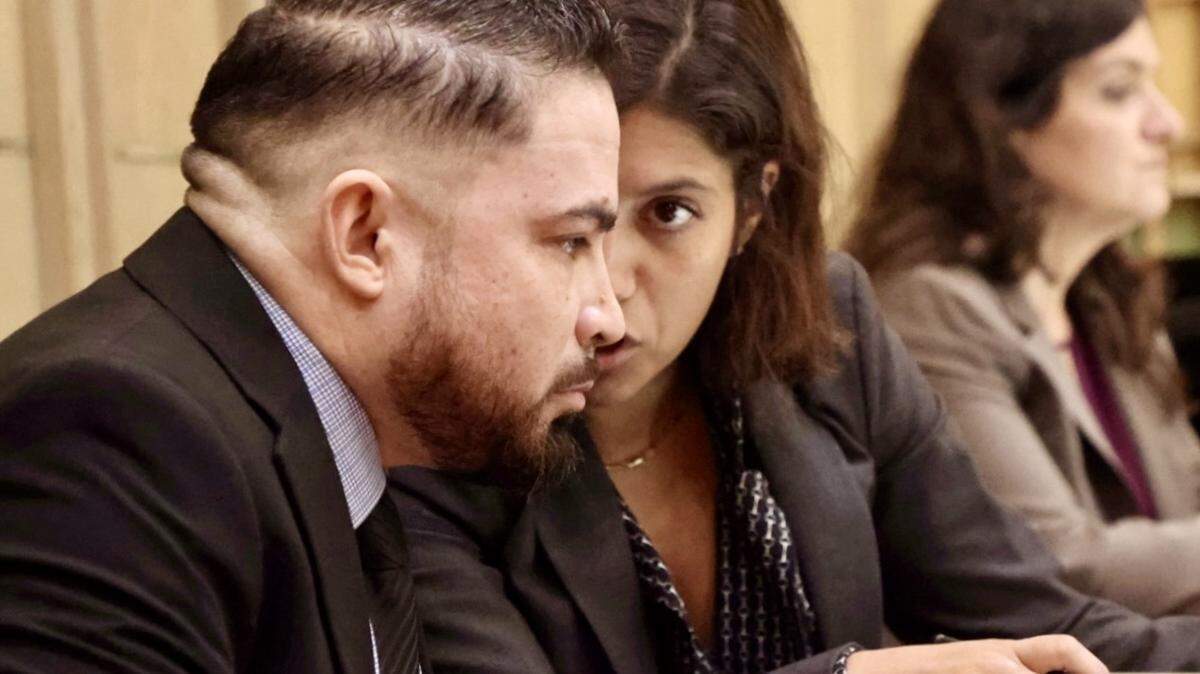
The trial of a former Miami-Dade police officer accused of sexually assaulting three children concluded Wednesday morning.
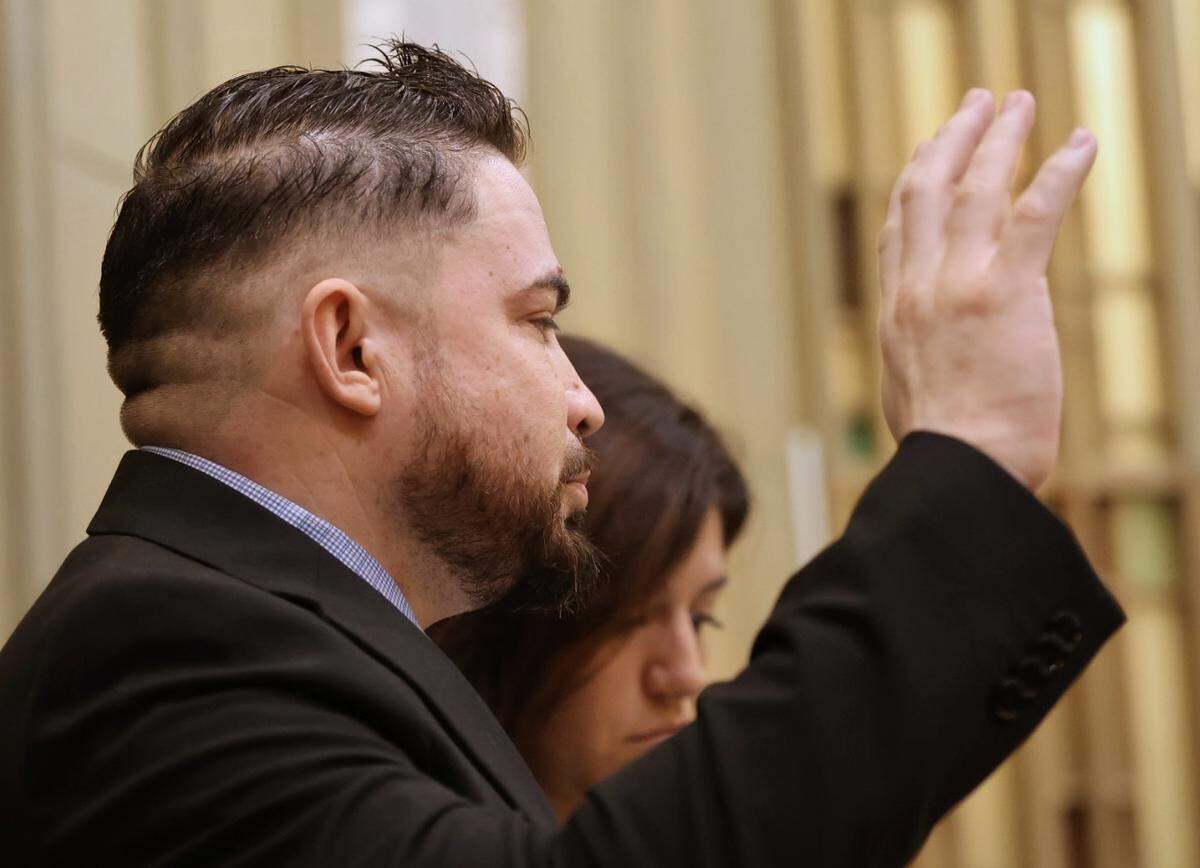
A jury will now decide whether Daniel Ramos-Aviles, 42, is guilty of the string of alleged molestations, which spanned more than a decade. Ramos-Aviles was arrested and charged in October 2023 with three counts of sexual battery on a minor, one count of lewd and lascivious molestation on a child and a count of lewd and lascivious exhibition on a child.
Ramos-Aviles, who worked at the then-Miami-Dade Police Department for just under 10 years, has been in jail without bond since his arrest. He was fired after he was charged.
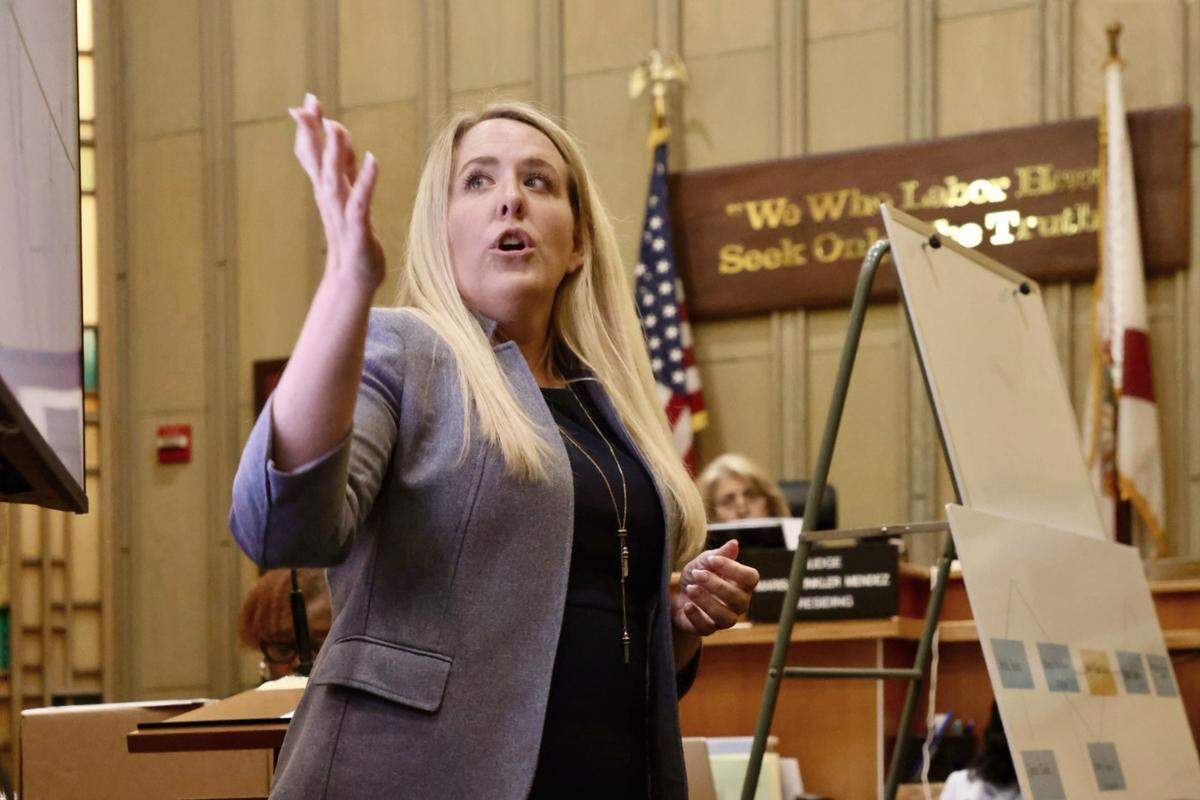
During closing arguments, prosecutor Bronwyn Nayci faced the jury as she emphasized how Ramos-Aviles abused children for years.
The case, Nayci told the jurors, relies on the testimony of the victims, who detailed the molestations and how they were traumatized by them. Investigators didn’t have DNA or surveillance footage in this case.
“That doesn’t mean a crime didn’t happen,” she said.
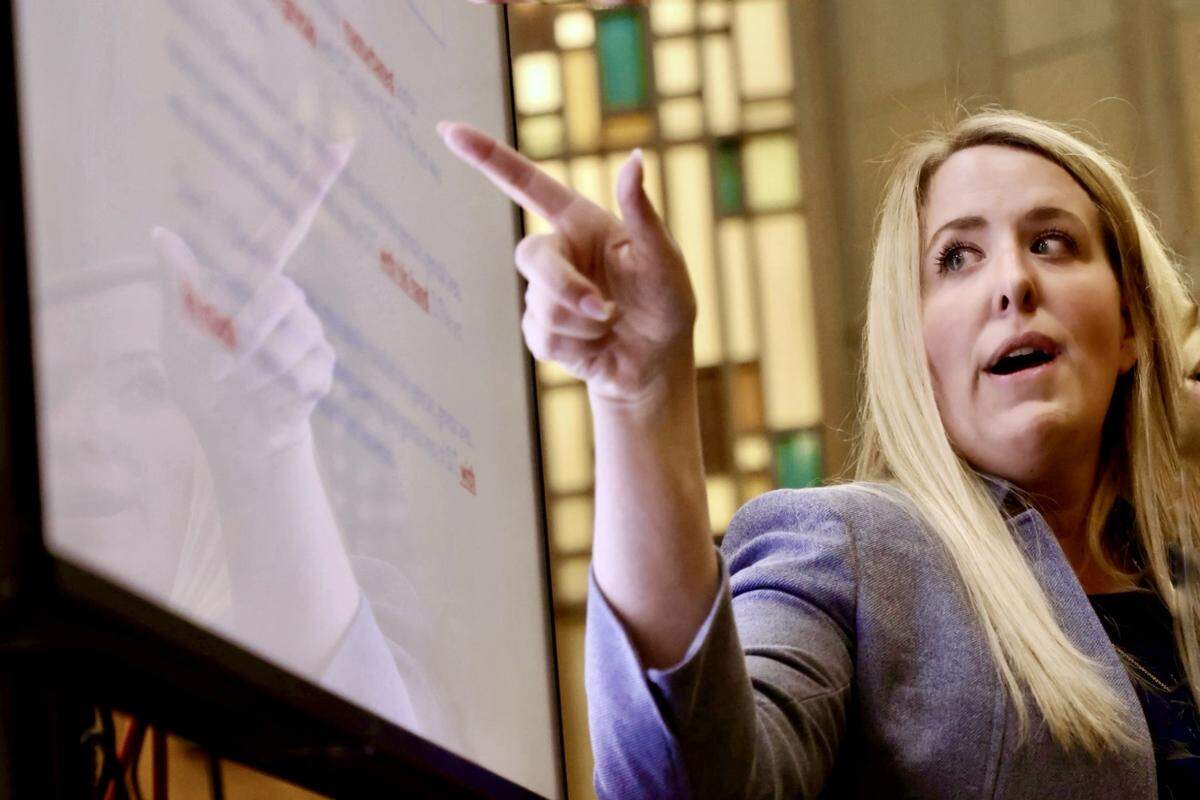
Nayci then recounted parts of each of the children’s accounts: One girl confided in her brother that Ramos-Aviles had exposed himself to her during a hide-and-seek game. Another girl said she was watching TV the first time Ramos-Aviles performed a sexual act on her. One girl, at both ages 4 and 6, told her mother that the former officer had sexually abused her.
Some of the incidents occurred years ago, but Ramos-Aviles’ “bad acts,” Nayci said, came to light in 2023, when the mother of of one of the girls reported the molestation to police.
The girl first disclosed the illicit activity to her mother when she was 4 but further explained it when she was 6, and displayed what Ramos-Aviles would do on a bunny stuffed animal toy, according to Nayci. The girl told her mother that it “happened a lot.”
After the allegations surfaced, another victim told her mother that Ramos-Aviles had molested her when she was younger, Nayci said. She said she was 6 years old the first time, and the abuse continued with Ramos-Aviles doing it “every chance he got” until she was in 4th or 5th grade. The third victim, Nayci said, was in the pool when Ramos-Aviles first touched her inappropriately.
At one point, Ramos-Aviles hid under the covers of a bunk bed and told two of the girls to remove the blanket, revealing his private parts, Nayci said. On several occasions, he fondled himself in front of the children.
“If you believe [the minor victims], you should find the defendant guilty,” Nayci said, referencing the girls’ testimony. “It all adds up and gives you a complete picture. No reasonable doubt.”
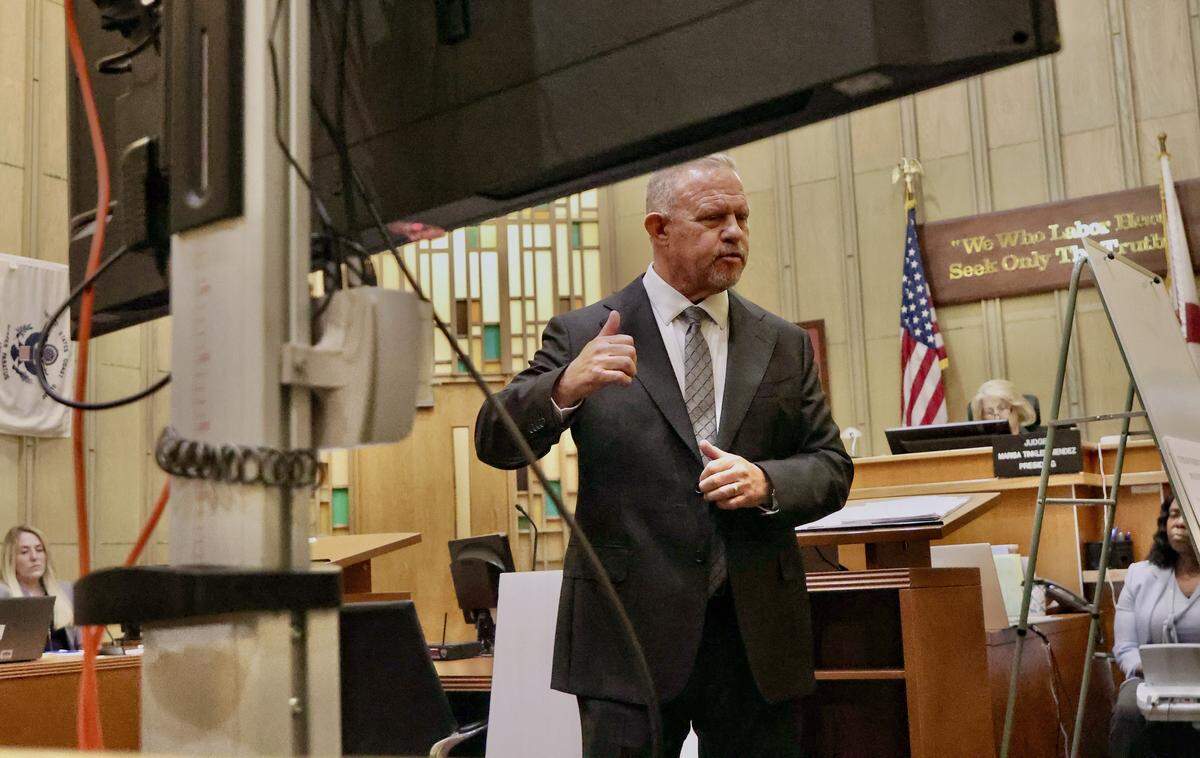
Facing the jury, defense attorney Scott Kotler held a print-out of the jury instructions, pointing out the language about reasonable doubt. Reasonable doubt, he said, can arise from evidence — or lack thereof.
“This is what you need to think about when you go back to that jury room,” he said. “...You don’t have to find him innocent.”
The case against Ramos-Aviles, Kotler said, has no physical evidence, texts or confessions. It’s based on the testimony of three girls.
Kotler highlighted flaws in the investigation: The lead detective, he said, received no formal training on child sexual abuse investigations. The detective, he said, was “in such a rush to reach a conclusion” that she interviewed one of the victims, who lived out of state, over the phone. He also said the girls’ testimony had inconsistencies.
“Think back to what you heard or didn’t hear from that stand,” Kotler said. “This case relied on testimony, testimony that the state has piled on from [three victims] into a single case.”
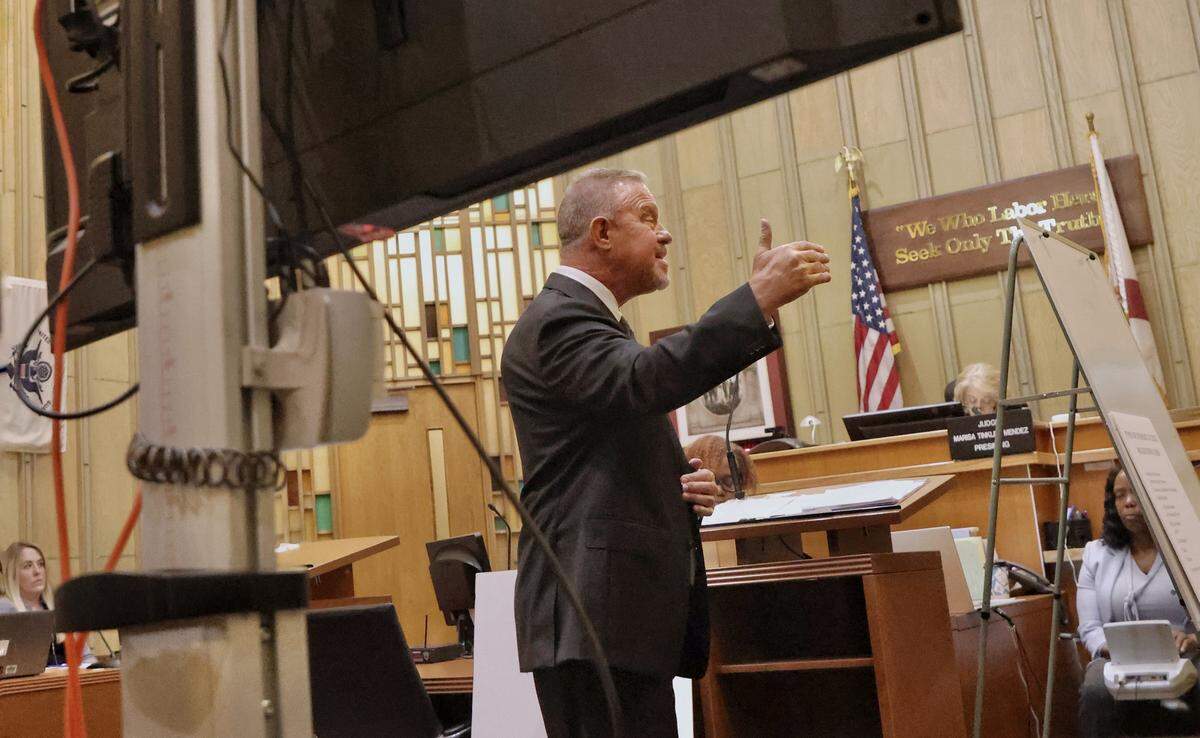
In responding to the defense’s closing argument, prosecutor Natalie Snyder said the testimony of the girls is enough proof.
“It is quite a coincidence that four people came forward and accused this man... of molesting them as children,” she said. “The only thing they have in common is that this man was in their life at one point.”
Several of the girls and their families didn’t know each other, Snyder said, but they shared similar statements of what happened to them at Ramos-Aviles’ hands.
“And that’s evidence.”