Suspect in Miami hit-and-run unconscious for weeks after hospital clash with cops
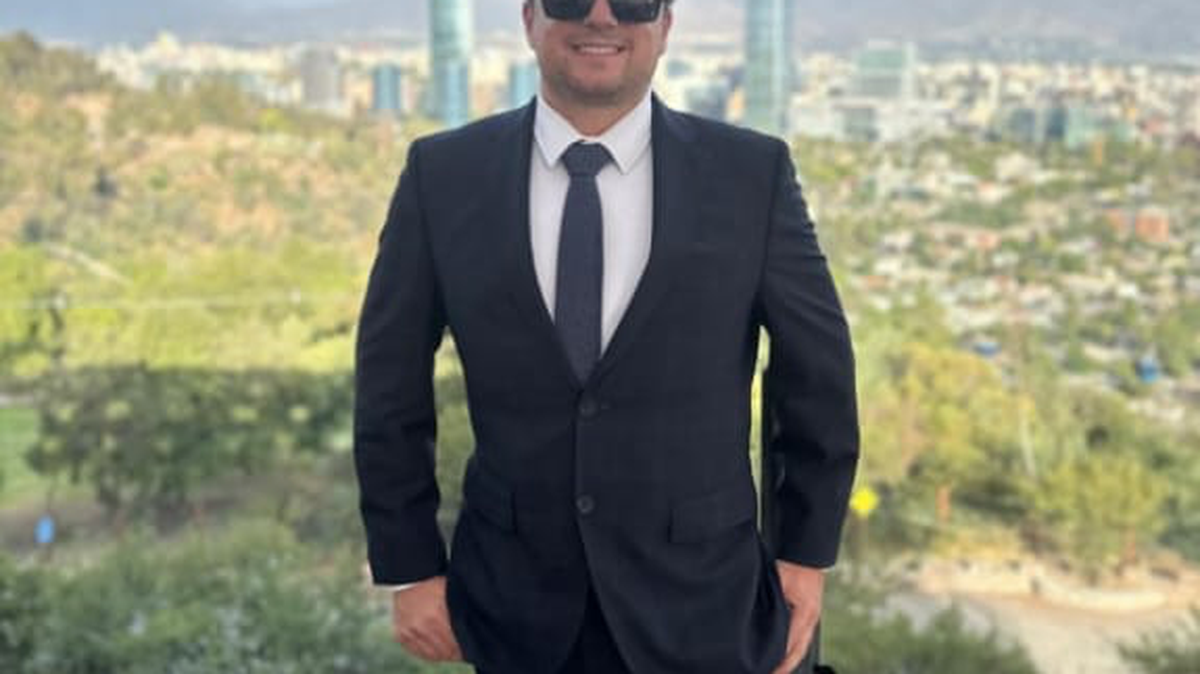
A driver accused of running down and killing a Shenandoah father out for a jog has been unconscious and hospitalized since police struck him with Tasers and doctors sedated him two weeks ago as he thrashed about trying to get out of bed, the family’s attorney says.
In a letter last week to the driver’s mother, Jackson Memorial Hospital said that Andres Roberto Fiallo Estupinan’s condition had declined so rapidly that he was in “critical” condition. He had been initially admitted for a foot injury after residents tackled him as he fled from the scene of the horrific hit-and-run.
Attorney Bradley Horenstein said police and hospital personnel wouldn’t allow him to see his client for a week. The lawyer said he was finally able to visit Estupinan after a judge ordered police to allow him behind the curtain of the Intensive Care Unit on June 16. Horenstein, who said the two still haven’t spoken and that Estupinan was struggling with emotional problems prior to the crash, called his client’s declining health troubling.
“I don’t know if it’s because he was Tasered. I don’t know if it’s because he was sedated. But it’s alarming for sure,” Horenstein said. “He went in with a broken ankle and nothing else.”
Estupinian has not yet been formally charged but witnesses and police say he was behind the wheel of a Volkswagen Jetta that struck jogger Andrew Loretta, 50, so severely on the evening of June 10 that it severed his legs. Estupinan is accused of then careening his car into an ice cream truck and other vehicles, then trying to run away before being detained by witnesses at nearby Shenandoah Park.
After the crash, he was hospitalized with a broken foot. His condition has deteriorated rapidly since. Jackson Health System sent Estupinan’s mother in Chile a letter last week saying she should rush to her son’s bedside. The letter provided to the Miami Herald and signed by the hospital’s Trauma Intensive Care Unit, says Catalina Lourdes Estupinan Saltos should be considered for a humanitarian visa because her son is in “critical” condition.
Why Estupinan’s condition turned so grave is a mystery.
Miami Police have refused to discuss the case. They won’t say if the officers used Tasers to subdue the suspect, which is confirmed in a medical report provided to the Miami Herald. They won’t even admit an officer has been sentry outside Estupinan’s curtained room since he was admitted to Jackson on June 10, as Horenstein contends.
Horenstein said when he was finally permitted to see Estupinan, he was stunned. A thick hose was inserted down his throat and bandages across his face held it in place. The attorney said he was unable to communicate with his client and that when he visited again later in the week, nothing had changed.
Victim’s family, friends in shock
In Miami’s Shenandoah neighborhood just off Coral Way, the sudden death of Loretta, a married telecommunications executive with two teenage children, has devastated his family and dazed neighbors. Friends and family said his passions were soccer and jogging, that he moved to Miami from California in 2000 and that he spoke English, Spanish and Portugese.
Family members around the state called Loretta “selfless” and said he was always there for anyone who needed help.
“I can’t speak enough about what a great leader he was for his family. We’re all really hurting,” said cousin John Loretta, who lives in Kendall.
“Everybody’s heartbroken. It’s still very fresh,” said another cousin, St. Petersburg resident Kristin Joy Loretta.
A GoFundme page set up for Andrew Loretta had raised more than $188,000 as of Wednesday. In a post on the site his wife said she was “heartbroken.”
“It all just makes me cry in a bittersweet way - to feel so much love while in so much pain - is the most overwhelming thing I’ve ever experienced,” she wrote.
Did mental problems contribute?
Estupinan, a 36-year-old Chilean, is in the U.S. on a work visa, his attorney said. Horenstein said his client recently graduated from Boston University with a master’s degree and was living in Coral Gables. Horenstein said he had a job, though couldn’t identify what type of work it was, two weeks ago when police say he crashed into Loretta just before sunset near the corner of Southwest 21st Avenue and 18th Street.
Estupinan’s arrest report that day said he was speeding and that his driver’s license had expired. It also said he was charged with two felonies, leaving the scene of a deadly crash and leaving the scene of a crash involving serious bodily injury. Despite the arrest affidavit, a Miami Police source this week said Estupinan will not be officially charged until they determine he’s recovered sufficiently or is released from the hospital.
Though police won’t discuss the chain of events that led to Estupinan’s condition, witness and written accounts indicate he may have been suffering an emotional breakdown before the fatal crash and the confrontation at the hospital that left him in his current state.
In the weeks leading up to the crash that ended Loretta’s life, Estupinan was receiving telemedical psychological help from a doctor in Chile, according to Horenstein and his medical records. The attorney said two days before the crash, a cousin tried to get the suspect in the hit-and-run some help at Coral Gables Hospital, which ultimately released him.
“The psychiatrist felt he needed to see a doctor,” said Horenstein, who added his client might have been depressed but that his family said he didn’t appear distressed or suicidal.
A five-page psychiatric evaluation of Estupinan from June 14 says the patient became so agitated at the hospital that he tore out his line, jumped out of the bed naked while handcuffed and swore before he was “tased by PD [Miami police officers] multiple times which did not have any effect.”
Estupinan was so disturbed, a doctor wrote, that he thrashed himself against a vent on a wall and set off a hospital alarm. “Finally the patient was held down, given IM meds and subsequently intubated,” a psychiatrist wrote.
One doctor, according to the evaluation, said that in at attempt to subdue Estupinan he was given ketamine, fentanyl and midazolam introvenously. The drugs are typically used for sedation and pain management. The doctor said it worked, but that Estupinan became angry and threw himself around repeatedly as doctor’s tried to wean him from the sedation.
The report also says that because of abnormal heart activity, high blood pressure and paranoia, Estupinan had been prescribed three powerful drugs generally used for treating psychiatric problems. Valproate is used to stop seizures. Sebroquel manages hallucinations and risperidone is used to treat bipolar disorder and schizophrenia and general regulates mood swings and behavior.
Horenstein said in the two weeks since he was hospitalized and charged, Estupinan hasn’t spoken to anyone or been before a judge. The attorney said the hospital called his client’s father Wednesday to inform him that they were about to perform a tracheotomy on his son.
“The system is broken and civil rights are illusory if this is how a defendant can be treated while in police custody in this country,” said Horenstein. “It’s terrifying that this can happen in America in 2025.”
This story was originally published June 26, 2025 at 12:47 PM.