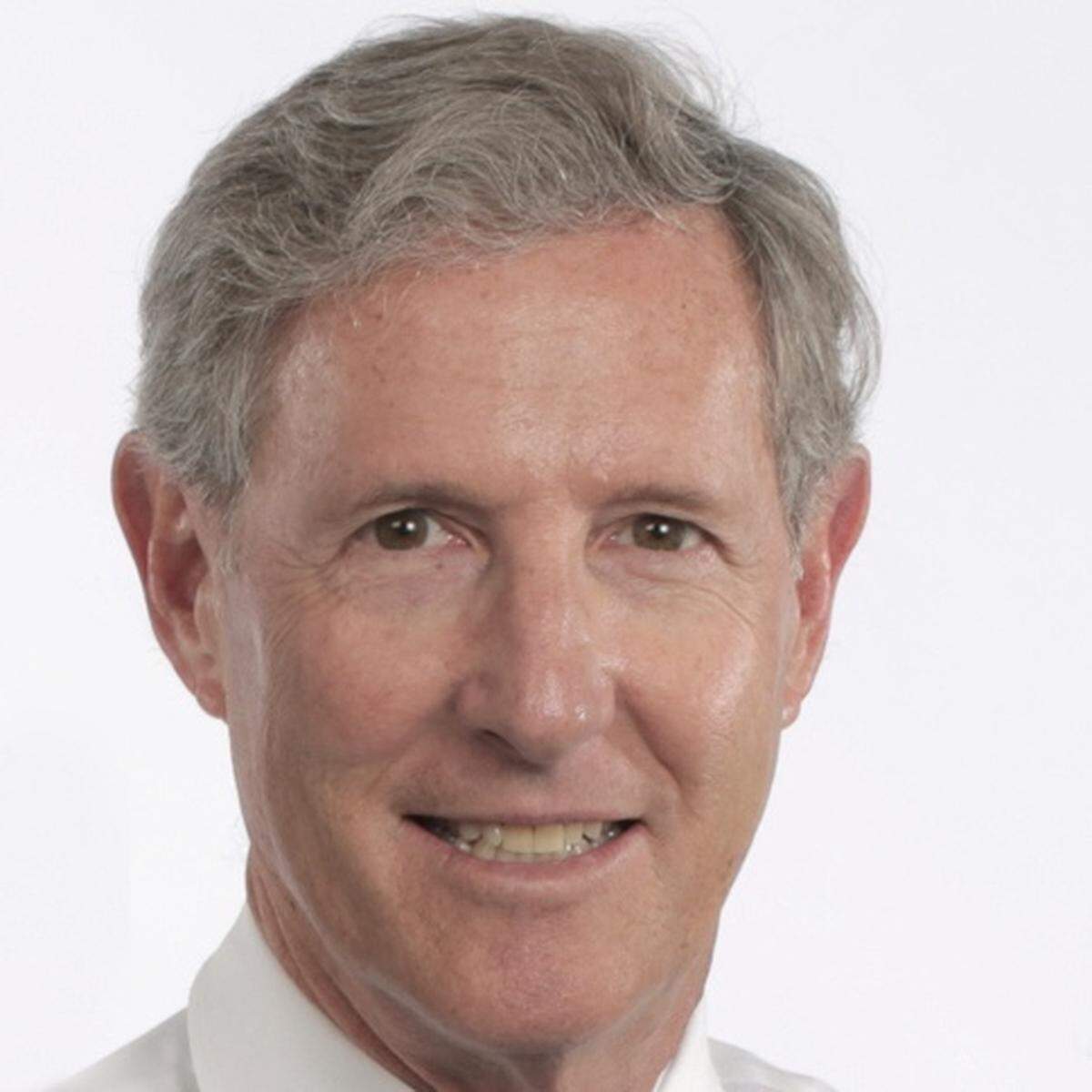
Renowned Mexican scientist pleads guilty in Miami to being an agent for Russia
An internationally recognized scientist from Mexico pleaded guilty Tuesday to acting as an unregistered agent for the Russian government, including spying on an FBI informant in the Miami area.
Hector Cabrera Fuentes, 37, was arrested in February 2020 just before the COVID-19 pandemic swept the nation and has been held without bond at the Federal Detention Center for two years.
Cabrera was leading a double life — as a cardiac scientist and a foreign agent — while also being married to a woman in Russia and another in Mexico, according to court records. A Russian official directed Cabrera to target the local informant and take photos of his car, license plate and parking location because he was believed to be providing intelligence on Russian spying activities to the FBI, records show.
“The manner in which the defendant communicated with the Russian government official and his undertakings in this case are consistent with the tactics of the Russian intelligence services for spotting, assessing, recruiting, and handling intelligence assets and sources,” according to a factual statement filed with Cabrera’s plea agreement reached between his defense attorneys and federal prosecutor Michael Thakur.
As part of his plea deal in Miami federal court, Cabrera faces a four-year sentence on a single charge of acting as an agent of the Russian government in the United States without notifying U.S. authorities. He will be sentenced on May 17 before U.S. District Judge Donald Middlebrooks.
Cabrera was arrested by FBI agents after he was stopped Feb. 16, 2020, at Miami International Airport by U.S. Customs and Border Protection officers who inspected his cellphone before his scheduled departure for Mexico.
Before his arrest, Cabrera’s primary employment was as a researcher with the National Heart Centre Singapore. He also had a “joint appointment” at Duke-NUS Medical School, which is a collaboration between Duke University and the National University of Singapore.
All of Cabrera’s appointments were suspended, a spokesperson for Duke-NUS told the Herald.
At a previous court hearing on his pretrial detention, Cabrera said he was making $7,500 a month as a researcher at the National University of Singapore and another $5,000 a month from a part-time job with an Israeli company in Germany, along with holding about $100,000 in bank accounts in Mexico, Singapore and the United States.
Cabrera had also published more than 100 scientific articles and is recognized as a leader in the field of cardiac disease, according to his defense lawyers, Ronald Gainor and Amber Donner.
According to an FBI criminal affidavit, Cabrera arrived with his Mexican wife in Miami on Feb. 13, 2020, rented a Chrysler sedan and drove to a Miami-area condominium complex the following day.
The affidavit says Cabrera visited the complex to spy on a resident at the “direction” of an agent with the Russian Intelligence Service, which operates under President Vladimir Putin. It turned out that the resident was a confidential source for the FBI’s counterintelligence division who provides information on Russian spying activities in South Florida.
Before he was asked to leave the complex, Cabrera’s wife took a photo of the federal informant’s car and license plate. The plan was to turn the photo over to his Russian handler on his next visit to the country, according to court records.
“The defendant’s travel companion, at the request of [Cabrera], took a photo of the specified U.S. [informant’s] car,” according to the factual statement filed with Cabrera’s plea deal. “A WhatsApp message from the defendant’s travel companion to the defendant contained a close-up photograph of the specified U.S. [informant’s] car.”
Cabrera, who was visiting Miami on a business and tourism visa, told FBI agents during questioning after his arrest that he had met with the Russian intelligence agent in Russia several times in 2019 and that he instructed him to rent a unit at the condo complex in Miami to do surveillance on the FBI informant.
Cabrera’s cellphone showed that there had been interaction between him and his Russian handler, according to the affidavit. Cabrera also told the FBI agents that he had a second wife, who is Russian with two daughters. He said he visited with them on his trips to Russia while he met with the Putin government’s intelligence agent.
The agent instructed Cabrera not to tell his Russian wife that he was meeting with him. He also promised Cabrera that he would help the Russian wife and her daughters get out of Russia.
“We can help each other,” the Russian agent told Cabrera.
This story was originally published February 15, 2022 at 5:59 PM.