The Herald flagged PPP loans made to a Tampa drug dealer — then he got a bunch more
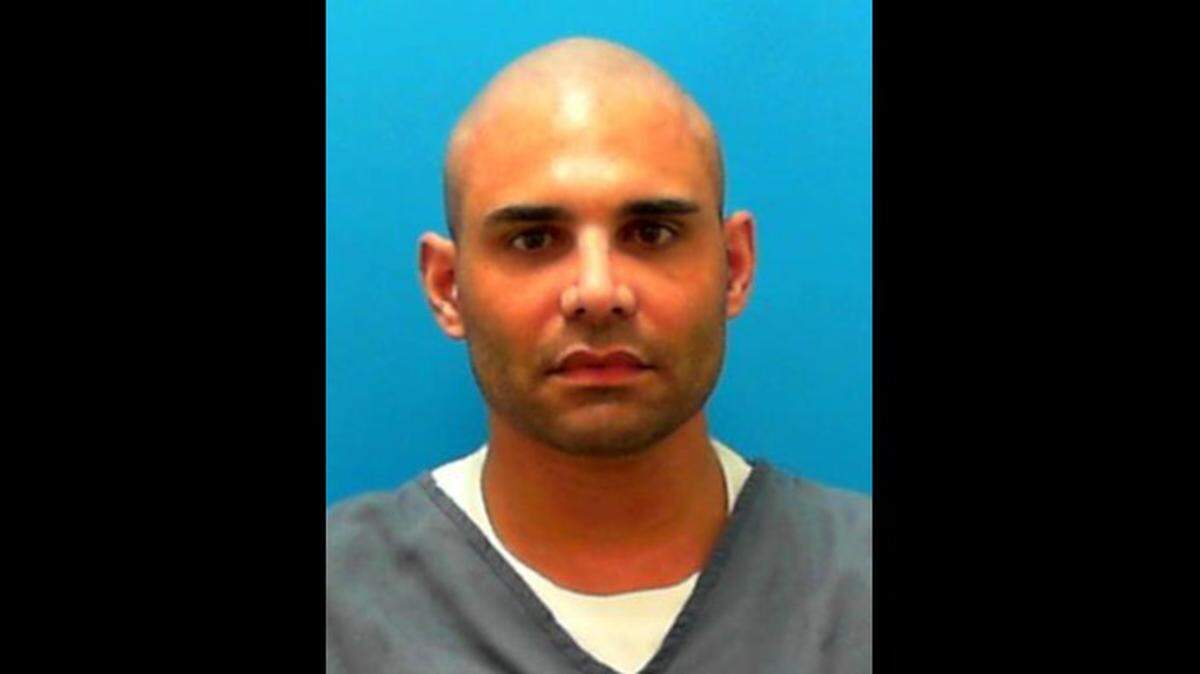
Tampa physician assistant Anthony Yarand was featured in a 2020 Miami Herald investigation after his businesses received numerous Paycheck Protection Program loans even though he was facing a slew of drug charges.
But the negative publicity and his ongoing legal troubles didn’t slow Yarand down.
Businesses tied to him were approved for even more cash in 2021.
That is despite the fact that business owners facing felony criminal charges were barred from receiving cash from the federal COVID-19 relief program.
In total, businesses tied to Yarand, who owned a dermatological clinic and skincare line, were approved for more than $1 million from the program, with nearly 60% of that total coming in 2021 after the Herald spotlighted Yarand’s questionable loans, according to the latest data from the U.S. Small Business Administration, which administered the program.
The small-business loans, a signature plank in the federal government’s COVID-19 relief efforts, were forgivable if used for payroll and other approved expenses and nearly $650,000 of the money Yarand’s businesses were approved for has been forgiven.
While some approved loans that appear in the data were canceled by banks before borrowers ever got the funds, the fact that Yarand’s businesses were granted forgiveness for many of the loans they were awarded suggests that they received most of the funds they requested.
The $800 billion program relied on banks and other lenders to vet and approve prospective borrowers. The lenders didn’t put up any of the cash themselves, but they were given a fee for each loan they approved on a sliding scale based on the size of the loan.
That Yarand’s businesses continued to get approved for these new loans, in some cases by the same lenders that approved the first loans in 2020, raises the question of what, if any, due diligence these firms did before approving the funds. Banks also had to approve requests for loan forgiveness, and all of Yarand’s requests for forgiveness were approved after the Herald’s story was published.
While the program undoubtedly kept many struggling businesses afloat, the example of Yarand’s businesses illustrates why the program was beset by so much fraud. The SBA’s Office of the Inspector General estimated that $7 billion in loans went to potentially ineligible or fraudulent recipients in just the first year of the program.
The majority of loans Yarand’s businesses were approved for were greenlit by online Financial Technology, or FinTech, lenders or their partner banks. These lenders have been associated with a high share of fraudulent lending in the program and two of the lenders that approved more than a third of the cash Yarand’s businesses were awarded, Cross River Bank and Celtic Bank, are currently under investigation by the House Oversight Committee’s Select Subcommittee on the Coronavirus Crisis for approving a disproportionate number of fraudulent PPP loans. Harvest Small Business Finance, which approved two loans in Yarand’s name, was the largest partner for Womply, a digital marketing platform turned PPP loan facilitator that is also under investigation by the same committee.
The loans Yarand’s businesses were approved for in 2021 came as his case was picking up steam in the Hillsborough County court system. Yarand pleaded guilty on Aug. 10, 2021, to nine drug-related charges, including drug trafficking and was sentenced to two years in prison.
Two days later, the two $20,000 PPP loans taken out in Yarand’s own name were forgiven.
‘A complete con man’
Anthony Loren Yarand’s dermatological clinic, Anthony Loren Skincenter, was, to all appearances, a success. The clinic boasted of being a “Top 3% Injector” in the United States, according to Allergan, the manufacturer of Botox and other injectable dermal fillers. And Yarand launched a line of Anthony Loren skin care products in 2013.

But he managed to alienate some business partners along the way.
Physician assistants are required to have a supervising physician review their records and sign off on their work.
Derek Eichler, who was friends with Yarand at the time, agreed to be Yarand’s supervising physician in November 2011.
“I had been around him with patients and he was really good at what he did,” Eichler said.
Eichler said they agreed he would be paid 10% of Yarand’s proceeds as a fee for his work.
But as Yarand’s business boomed, Eichler’s revenue remained flat. He grew suspicious and ultimately broke off the relationship and filed suit against Yarand in 2017, saying he was owed money. Yarand countered that their contract didn’t specifically indicate that Eichler was due 10% of his proceeds as a fee. He later argued that Eichler’s complaint was past the statute of limitations and that a complaint filed with the Florida Board of Medicine that Eichler’s primary practice was more than 75 miles from Yarand’s office meant that he hadn’t legally provided the services he had agreed to. The suit is pending.
“In retrospect, he was a complete con man,” Eichler said.
Two other doctors sued Yarand and an attorney in 2011 after they had invested in what was to be a series of dermatological clinics offering Botox and similar treatments. Yarand was ultimately dropped from the suit, but a jury found in favor of the two doctors, ordering the attorney to pay more than $550,000 in damages.
Yarand’s businesses began to apply for PPP loans in the spring of 2020. Anthony Loren LLC and Skinfully Yours LLC, were approved for a total of $117,363 by Cross River Bank in late April and early May 2020. Both listed the address of Anthony Loren Skincenter on their applications. Three more businesses tied to Yarand listing the same address were approved for another $207,559 in May and June through different lenders.
A newly created business called Your Face is Hot LLC, listing Yarand’s home address, was approved for $108,045 in July. The business filed its first incorporation documents with the state of Florida on June 4, 2020, well after the Feb. 15, 2020, date by which businesses were supposed to have been created to qualify for loans in the program.
The program was closed in August 2020 but reopened in January 2021. By that point, the Herald’s December 2020 story featuring Yarand had been published, but two of Yarand’s businesses were approved anyway for second rounds of funding in January by Cross River Bank, totaling $178,074. In February, U.S. Bank approved Anthony Loren Skincare LLC for a second $67,385 PPP loan after approving the business for a first PPP loan in the same amount in June 2020.
In total, businesses tied to Yarand were approved for PPP loans totaling nearly $585,000 in 2021, including a Daytona Beach company, Uneek LLC, that was reinstated in February 2021 after failing to file annual reports with the state of Florida in 2020 and 2021. The company’s most recent annual report lists Yarand as one of its managers and the business address was changed to the location of Yarand’s clinic soon after the PPP loans were approved.
Yarand was also approved for two $20,833 PPP loans in his own name in April and May of 2021 by Harvest Small Business Finance, both of which were forgiven two days after he pleaded guilty to the drug charges.
The Herald contacted all of the banks that awarded loans to Yarand’s businesses. None of them were willing to discuss Yarand’s loans or how they vetted the eligibility of prospective borrowers.
Yarand’s clinic now appears to be closed and Yarand’s license was suspended in October. Yarand’s lawyer didn’t respond to a request for comment.
‘Flashing lights’
Yarand now calls a prison cell in Okaloosa County home, but at the time of his March 2019 arrest, Yarand lived in the cul-de-sac of a gated affluent suburban community in Tampa Bay called the Retreat at Carrollwood.
Yarand had bought the house a year earlier and soon after began to attract notoriety among his neighbors due to his unleashed pit bull and a steady stream of vehicles showing up to his house at all hours of the day, said Jeff Ziegler, a neighbor and former St. Petersburg police officer.
Sometimes, Ziegler says, young men would be dropped off in the middle of the night by cabs and knock on neighbors’ doors looking for Yarand.
“It was a quiet neighborhood, people would be outside, kids would be playing,” Ziegler said. “You could have put flashing lights on your house and drawn less attention to yourself.”
In February 2019, officers from the Hillsborough Sheriff’s Office received a tip about a “cosmetic doctor named ‘Anthony Loien’ who was distributing methamphetamine and other illegal substances to young males in the Tampa Area’‘ who lived in the Retreat at Carrollwood, according to a search warrant.
Sheriff’s deputies quickly pieced together that the complaint referred to Yarand and searched a trash can in front of Yarand’s home soon after, finding a marijuana edible and a glass pipe that tested positive for meth.
When Hillsborough County Sheriff’s deputies broke down Yarand’s door three weeks later to execute the search warrant, they found just under 170 grams of meth and smaller quantities of heroin, cocaine, and ecstasy in a safe in Yarand’s bedroom, along with $6,800 in counterfeit cash. They found marijuana, steroids and more counterfeit cash elsewhere in his home. Yarand said at the time that he used the fake cash for poker games and that the drugs were not his, but belonged to an ex-friend.
Yarand remained in the neighborhood as his case slowly moved through the Hillsborough County Court system but ultimately sold the house in July 2021 for $620,000 and bought an $869,000 lakefront home a couple miles south.
Yarand went to prison three months later.
This story was originally published February 10, 2022 at 7:58 AM.