
Video, cell records, bullets: How cops built case against Miami ‘suspected serial killer’
The video clip is as chilling as it is clear: A black Dodge Charger slowly drives next to a homeless man sleeping on the sidewalk in Wynwood. Then, a burst of light erupts in the dark — muzzle flashes from a pistol fired from the open driver’s side window.
The homeless man’s body spasms, mortally wounded by the seemingly random attack.
The clip was among a batch of surveillance video evidence released Friday as Miami-Dade prosecutors and Miami police announced murder charges against real estate agent Willy Suarez Maceo in the killing of two homeless men in Miami.
The charges had long been expected against Maceo, 25, who’d already been named as suspect in the murders and the shooting of a third homeless man who survived. Maceo had been in jail since December on the attempted murder charge.
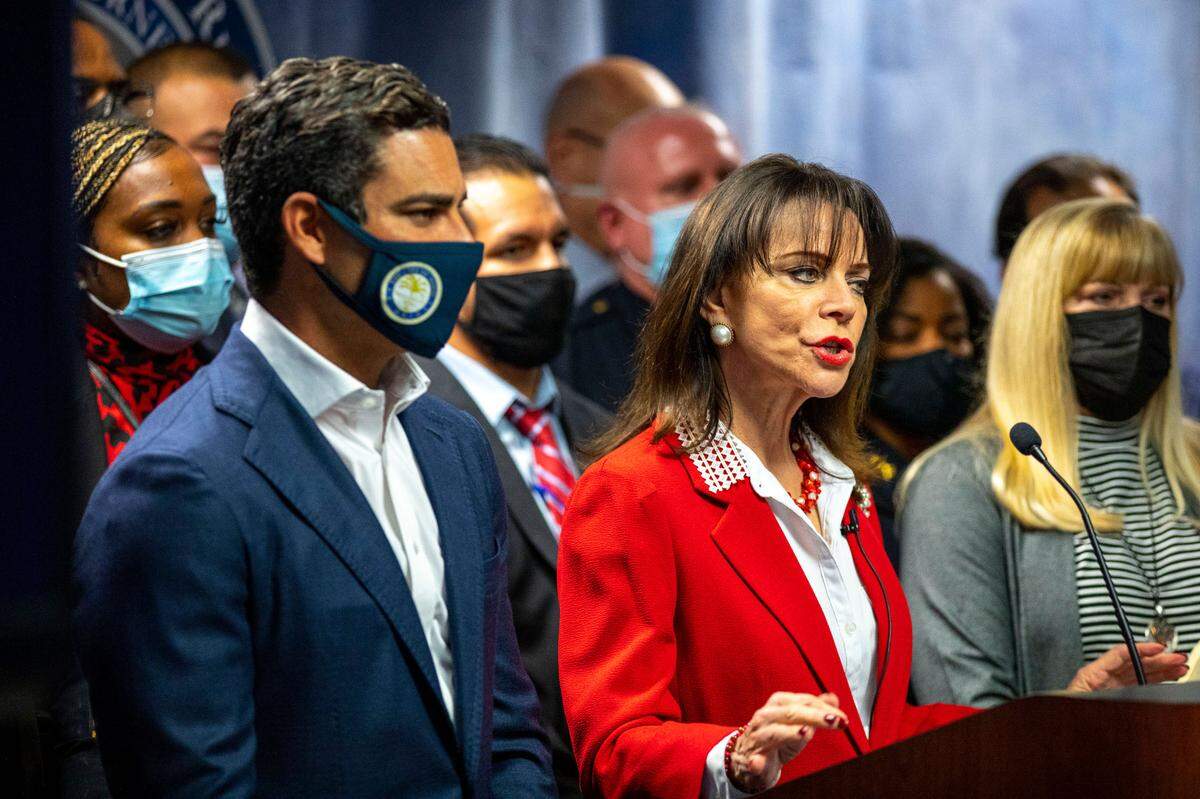
“These seemingly random killings have been solved,” State Attorney Katherine Fernandez Rundle said at a Friday press conference.
Maceo’s defense attorney declined comment Friday. The motive behind the killings remains a mystery. Maceo had no criminal history, but did have a history of mental illness.
The Miami Herald last month reported that Maceo had been sent to a hospital for a mental-health evaluation more than a year ago after he was acting erratically at his parents’ home in Kendall. Police officers seized his Glock, but later returned it to him after the department’s legal bureau decided he was not enough of a risk for court intervention.
The Glock was the same one seized by Miami police and believed used in the December attacks, according to police reports.
On Friday, prosecutors outlined a compelling, if circumstantial case, based on hours of video surveillance footage, cellphone records and the analysis of bullets.
The first killing was of Manuel Perez, 59, who was stabbed to death on Oct. 16 at 27 SE First St., in downtown Miami.
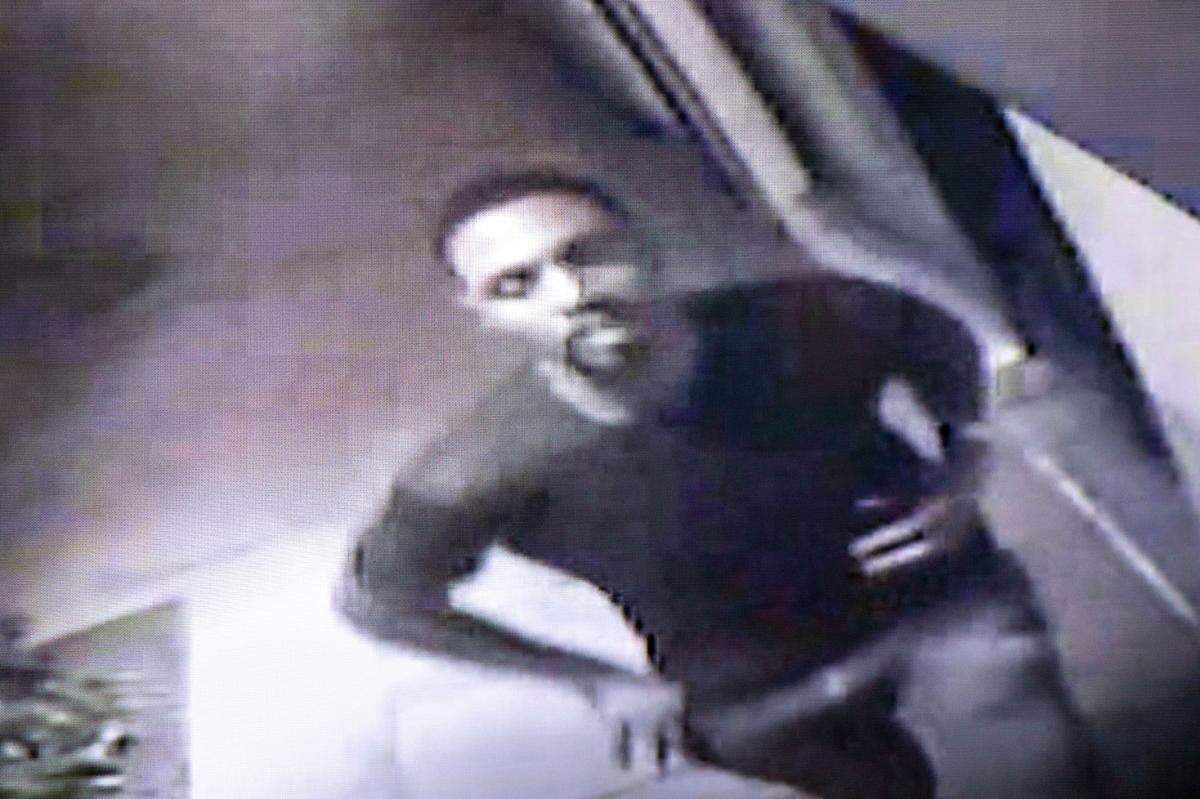
According to prosecutors, video surveillance showed Maceo’s distinctive black Dodge Charger parking nearby, then him getting out and walking toward where Perez was sleeping. Moments later, video showed, Maceo ran back to his car and drove off. Witnesses also saw the attack, identifying a thin, clean-shaven Black man wearing a black shirt running from the scene, according to an arrest warrant.
Surveillance captured a clear image of the suspected killer — it was released, at the time, to the media but detectives were unable to identify the killer.
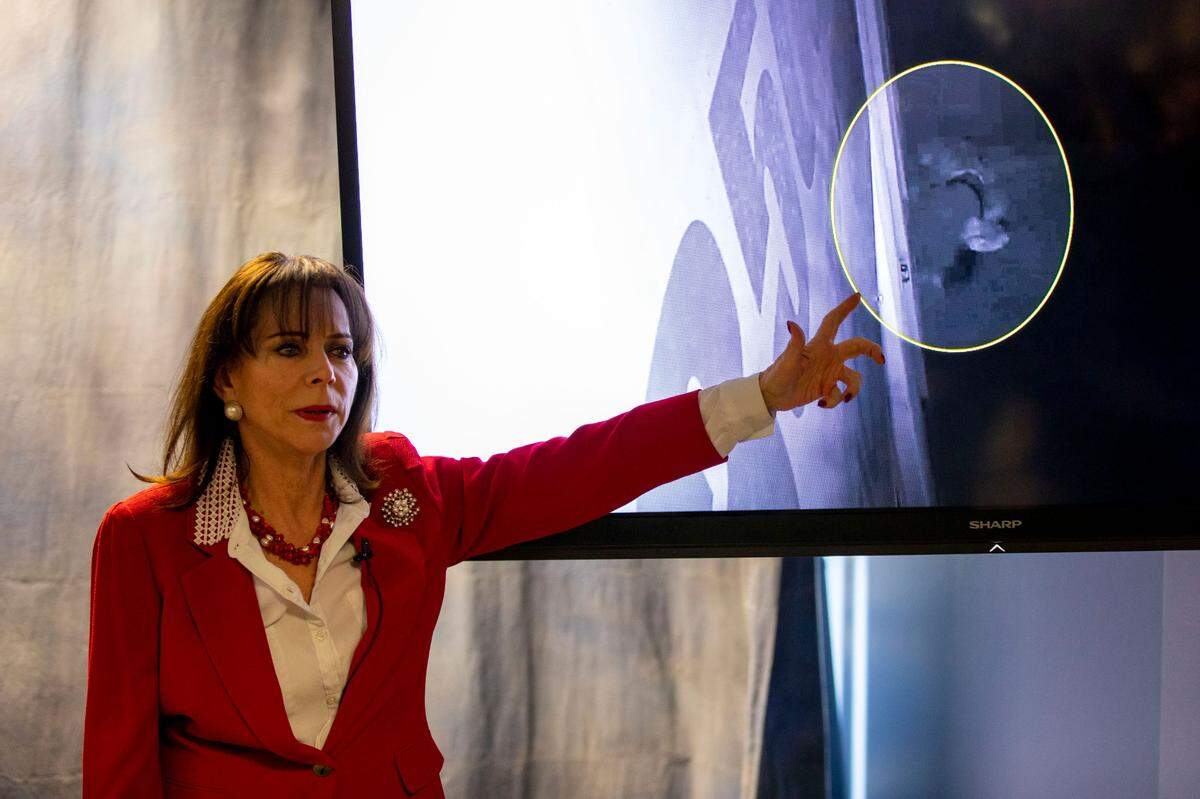
Then, on Dec. 21, a man named Jorge Jardines was shot in the face on the 400 block of Southwest Fourth Avenue. He survived. Two hours later, in Wynwood, was when the killer — from the Dodge Charger — opened fire from inside the car, killing Jerome Antonio Price, 56, as he slept.
“These three individuals were individuals with mothers and fathers and sisters, and for whatever reason, they found themselves on the streets,” said Ron Book, the chair of Miami-Dade Homeless Trust.
Although the clip was too dark to see the shooter, the license plate was visible enough to identify Maceo’s car. Detectives soon detained Maceo at his real-estate office — he had the Glock on him when he was taken into custody, police said.
Maceo was initially arrested for the attempted murder of Jardines, as Miami homicide detectives worked exhaustively to build the murder cases. Among the evidence they uncovered in the ensuing weeks, according to an arrest warrant by Detective Ebony Robinson and prosecutor Ruben Scolavino:
▪ Detectives found surveillance video of Maceo, who was living with his girlfriend nearby, leaving her building wearing a long-sleeved black jacket, khaki pants and red-and-silver sneakers on the night of the shootings. He was seen walking near the area where Jardines was shot and wounded.
▪ Footage then showed him getting into his Dodge Charger, which is the same vehicle believed used in the murder two hours later in Wynwood. “We literally followed the suspect’s footsteps,” Miami Assistant Police Chief Armando Aguilar said of the video evidence.
▪ After the attacks, surveillance showed, Maceo returned to his girlfriend’s apartment. She later told police he wasn’t home during those hours — and phone records showed she’d been on the phone with him while he was out, the warrant said.
▪ Cell records also showed Maceo’s phone was near both shooting scenes. A shoe print, consistent with Maceo’s sneakers, was also found near the first shooting scene.
This story was originally published February 4, 2022 at 8:45 AM.