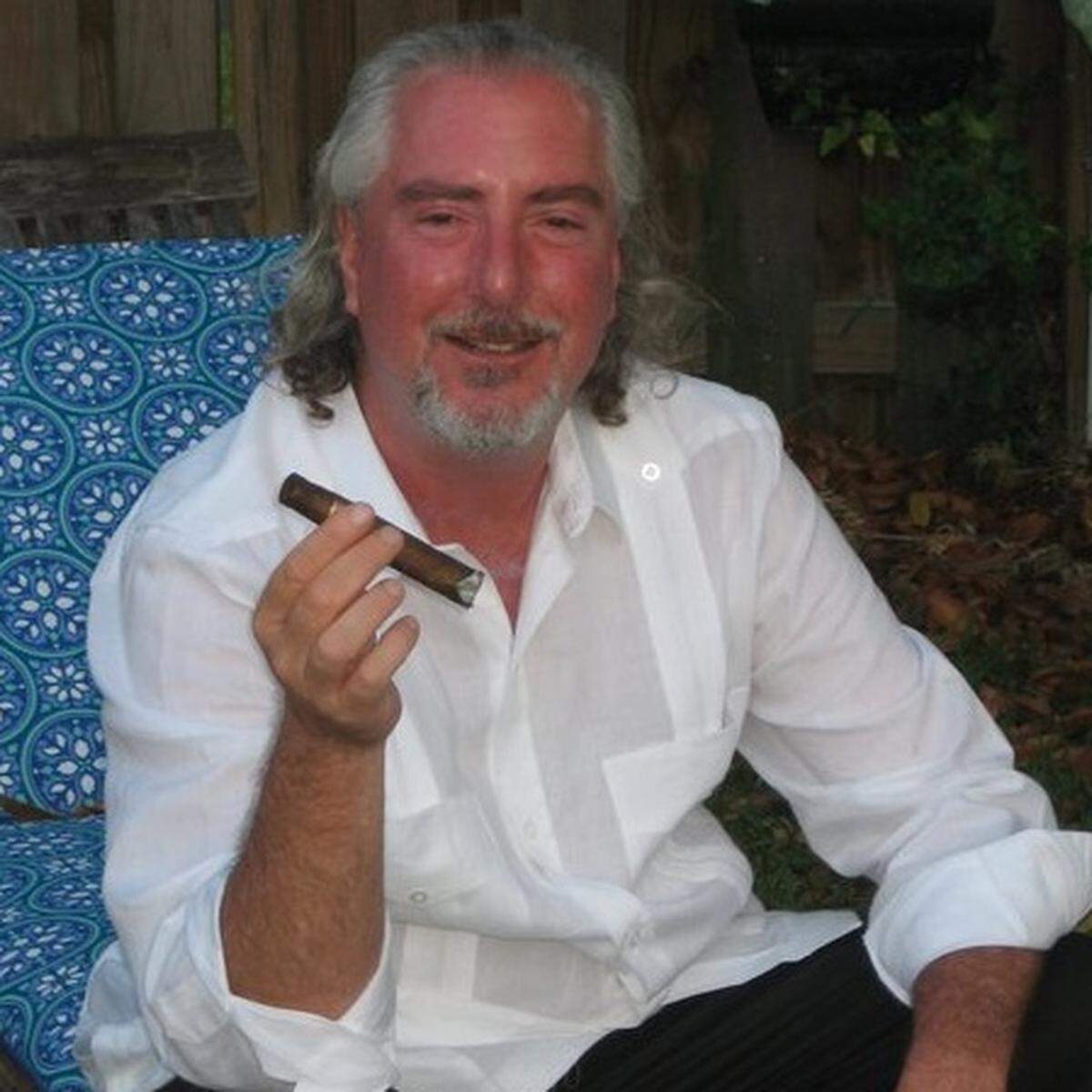
Lawsuit: North Miami’s most senior cop stripped of stripes over stance on Kinsey shooting
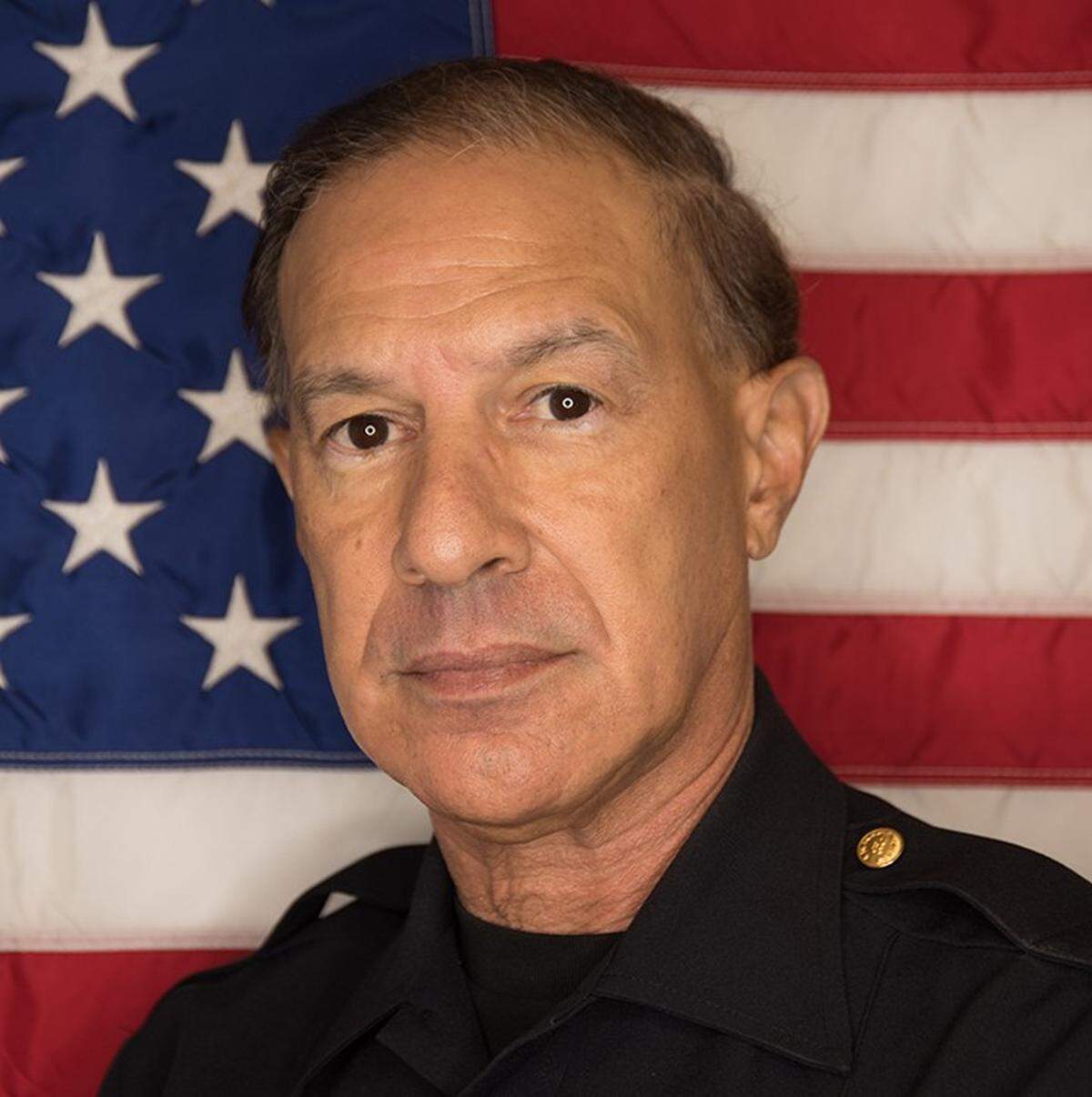
For the first 43 years of his career, Neal Cuevas did everything right. The decorated cop worked his way up through the ranks from a young patrol officer in North Miami to assistant chief. He was in charge of SWAT for two decades. He was the department spokesman and union representative.
But all that ended, Cuevas claims in a newly amended whistleblower lawsuit, after he wrote a blistering memo supporting a fired police commander that touched the third rail of North Miami policing: The 2016 police shooting of behavioral therapist Charles Kinsey as he lay on his back in the middle of the road, hands raised and begging police not to shoot, while trying to protect his severely mentally ill client.
Since his lawsuit was first filed four years ago, the city has demoted Cuevas twice. He was knocked down to sergeant in 2017 after his memo defending former commander Emile Hollant. Two weeks ago, Police Chief Larry Juriga demoted Cuevas again, this time to street patrol, which requires police academy training — a move now added to the whistleblower complaint.
In addition to the hit to his reputation, Cuevas has lost hundreds of thousands of dollars in pay and benefits the past four years, his attorney says. With 47 years on the job, he ranks among the most senior police officers in all of Miami-Dade County.
Cuevas, who also filed an age discrimination case in federal court last month, wouldn’t comment on the lawsuits or chief’s allegations. But his attorney Michael Pizzi said his client has been “gutted like a fish.”
“The guy’s file was spotless for 43 years and ever since he wrote that memo, every six months he’s written up for something,” said the attorney. “It’s clear as day that they are retaliating. They’re clearly trying to get rid of him because he’s been there a long time and he’s part of the old guard.”
Juriga refused to comment on Cuevas’ status this week. But in a memo announcing the officer’s demotion, the chief listed four reasons. He claims that Cuevas failed to respond to and supervise a scene where a depressed person threatened to hang himself in 2019. A year later, Juriga says, Cuevas’ explanation of events during a domestic violence call didn’t match what was on his body-worn camera. Later in 2020, Juriga said Cuevas failed to properly train a probationary police officer. And finally in 2021, the chief said Cuevas let an officer take a manila envelope to her vehicle without explaining what was in it.
“He has also shown a troubling pattern of being unable to or having a reluctance to properly perform his duty as a supervisor, and therefore, has exhibited negligent supervision in instances ranging from critical instances to basic administrative duties,” Juriga wrote in the report. “This pattern strikes at the heart of his ability to function effectively as a police officer...”
Long unresolved lawsuit
The lawsuit remains unresolved after so many years for a myriad of reasons. The first judge the item went before dismissed it, then retired. The judge who replaced him then reinstated the lawsuit in late 2019. Then COVID-19 hit and depositions had to be delayed. Pizzi said he’s also amended the lawsuit several times to reflect disciplinary actions against Cuevas and the recent demotion.
For as long as most people can remember, Cuevas was the face of the North Miami police department. When a dead baby was found in a dumpster in 2014, Cuevas told the public about it. That same year he was front and center when 7-year-old Calder Sloan was electrocuted in his home’s swimming pool because of faulty light wires.
But that ended after July 18, 2016, when Kinsey, an unarmed Black man, was shot in the leg and injured from a bullet from department sharpshooter Jonathan Aledda.
The memorable photo of Kinsey laying flat on his back and wearing a bright yellow shirt with his hands raised as his client sat upright playing with a toy truck in the middle of the road just before the shooting, put North Miami in a glaring international spotlight. Cellphone video that captured the incident rocketed worldwide on social media sites.
The shooting was during an extremely sensitive time for police departments. A series of police shootings of unarmed, mostly young Black men had set off protests around the globe bringing to light what many thought was systemic excessive force by police.
The fallout and change in North Miami policing was fairly swift.
Aledda, though he was never jailed and has since left the department, was convicted of culpable negligence. Police Chief Gary Eugene and Hollant lost their jobs. North Miami police now wear body cameras and have since undergone sensitivity and use-of-force training at the recommendation of an oversight panel brought in by city leaders.
Kinsey, meanwhile, settled a lawsuit with the city for an undisclosed amount and now runs a landscaping business. The severely autistic man he was protecting, Arnaldo Rios, was last known to be living in upstate Florida after changing assisted living facilities several times.
Objections over firing
It was the suspension and firing of Hollant — the commanding officer at the scene of the Kinsey shooting — that most frustrated Cuevas. The commander was let go after an Internal Affairs probe concluded he had misled investigators about his actions that day.
Hollant claimed he missed the gunfire because he had walked back to a patrol vehicle to retrieve binoculars, which he needed to get a clearer picture of Kinsey and Soto Rios. But the Internal Affairs probe took testimony from two officers who said the commander was gone less than 30 seconds and was standing next to them looking through binoculars when Kinsey was shot.
Two weeks before Hollant was fired, then-Assistant Chief Cuevas wrote a 7-page memo criticizing the IA report, arguing “it fit a predetermined outcome” and that investigators picked out partial statements from witnesses to bolster their case. He also noted that the Miami-Dade State Attorney’s Office had concluded there was “no intent by Commander Hollant to mislead or obstruct investigators or command staff regarding his involvement in the police shooting.”
Cuevas also said it would have been impossible for Hollant to be gone only 30 seconds while retrieving his binoculars. A dry run after the shooting determined the walk from the scene to his vehicle would have taken almost a minute-and-a-half.
“I strongly recommend that you rightly direct this Disposition Panel to revisit the evidence provided to it, and reconsider its irrational conclusion,” Cuevas wrote in the June 2, 2017, memo.
It’s those statements, Cuevas believes, that has had him on the outs within the department for the past several years.
“By officially standing in opposition to the city’s illegal conduct in scapegoating a North Miami Police Commander, city officials made an affirmative decision to retaliate against Cuevas,” the whistleblower complaint alleges. “The city did so by the concerted conduct by police employees and senior city officials to disseminate documents that contained unsubstantiated derogatory information pertaining to Cuevas...”