Denied: Prince Andrew loses bid to get sex suit tossed from New York court
A lawsuit brought against British royal Prince Andrew accusing him of sexually abusing a girl under the age of 18 numerous times can go forward, according to a ruling Wednesday by a federal judge in New York.
The suit brought by Virginia Roberts Giuffre alleges that Andrew abused her on multiple occasions between 2000 and 2002 when she was under the age of 18. Giuffre has previously accused deceased financier Jeffrey Epstein and his ex-girlfriend Ghislaine Maxwell of abusing her and trafficking her to the pair’s high-powered friends, including Andrew. The suit alleges that Andrew’s abuse occurred at Epstein’s New York mansion and private island in the U.S. Virgin Islands, Little St. James, as well as Maxwell’s London home. A picture of Giuffre, Andrew and Maxwell taken in Maxwell’s London home has become notorious.
Andrew sought to get the suit tossed, arguing that Giuffre’s claims were not specific enough and duplicative, that the law under which Giuffre had brought suit was unconstitutionally amended and that he was protected by a 2009 settlement Giuffre had entered with Epstein to resolve a lawsuit she had brought against the financier for alleged abuse and sexual trafficking.
U.S. District Judge Lewis A. Kaplan wrote in an exhaustive 44-page opinion that he was obliged to take Giuffre’s word at this point in the proceedings and to accept plausible interpretations of legal questions that would allow the suit to go forward.
“As is well known to lawyers but perhaps not known to the lay public, the defendant — by making this motion — placed upon the Court the unyielding duty to assume for the purposes of this motion only — the truth of all of plaintiff’s allegations and to draw in plaintiff’s favor all inferences that reasonably may be drawn from those allegations,” Kaplan wrote. “In consequence, the law prohibits the Court from considering at this stage of the proceedings defendant’s efforts to cast doubt on the truth of Ms. Giuffre’s allegations, even though his efforts would be permissible at trial.”
Kaplan’s ruling focuses most heavily on Andrew’s claim that he is protected by the 2009 settlement, which Kaplan writes is the “crux of defendant’s motion.” The ruling introduces some context surrounding the settlement, notably that it was entered into after Epstein had signed a controversial non-prosecution agreement with federal prosecutors in Southern Florida that shielded him and his alleged co-conspirators from further prosecution. Notably, Epstein’s deal required him to pay for attorneys to represent his victims if they chose to sue him in court, including the attorney who represented Giuffre in her 2009 suit against Epstein, Robert Josefsberg.
.jpeg "Virginia Roberts 01 Epstein EKM (2).jpeg")
Epstein’s deal with prosecutors in Southern Florida, which allowed him to plead guilty to two state solicitation charges, one involving a minor, and ultimately serve 13 months in a county jail, was the subject of the Miami Herald’s 2018 Perversion of Justice series. The reporting led federal prosecutors to give Epstein’s case a fresh look and bring charges against him in July 2019. One month later, Epstein was found dead in federal custody in what has been ruled a suicide.
Kaplan’s ruling focuses on a key phrase in the 2009 settlement indicating that “any other person or entity who could have been included as an Epstein defendant” would be protected from liability. Andrew’s attorneys had argued that the British royal would be covered by such language because Giuffre’s 2009 complaint against Epstein alleged that she had been sexually trafficked to several of Epstein’s high-powered friends, including “royalty,” though Andrew was not mentioned by name in either Giuffre’s lawsuit or the agreement.
Kaplan ruled that the language in the agreement could be interpreted in numerous ways and that it was inappropriate to block the suit from moving forward at this point when the meaning was so ambiguous.
“Accordingly, the determination of the meaning of the release language in the 2009 Agreement must await further proceedings,” Kaplan wrote.
Andrew has maintained his innocence and said in a 2019 BBC interview that he had no recollection of meeting Giuffre, and said he believed the photo had been doctored. He also claimed that he was incapable of sweating, a claim that Giuffre’s lawyers have asked him to provide medical evidence of in the suit.
The judge had expressed skepticism about Andrew’s claims at a hearing last week, outright rejecting some of Andrew’s claims and pointing out passages in the 2009 Epstein-Giuffre argument that would seem to weaken Andrew’s assertion that it protected him from the lawsuit.
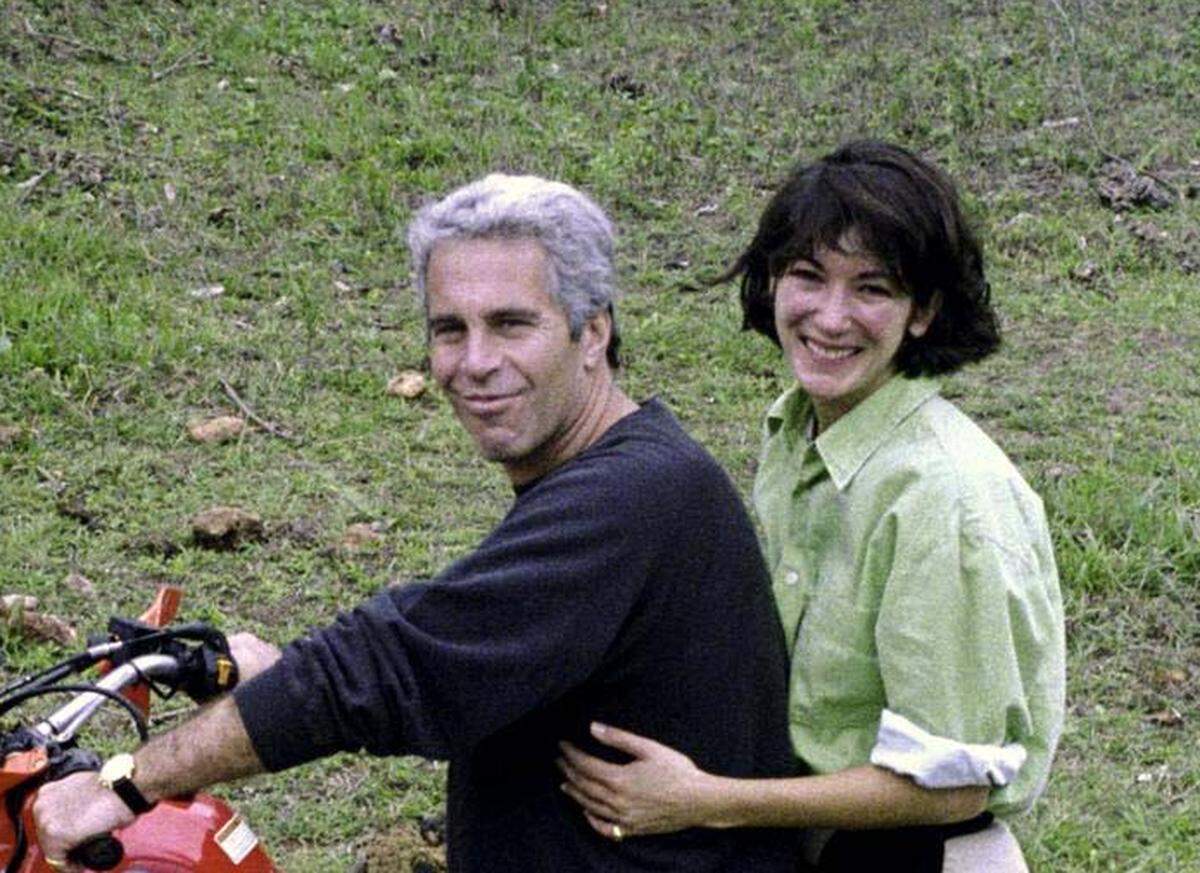
The hearing came days after Maxwell, Andrew’s old friend, was convicted on five of six counts related to the sex trafficking of minors.
Giuffre had welcomed the verdict and said at the time that she hoped to see others punished for their roles in Epstein’s enterprise. “Maxwell did not act alone,” she said in a statement. “Others must be held accountable. I have faith that they will be.”
Maxwell’s verdict has since been called into question, after jurors who reached the verdict spoke to the media and indicated that they had themselves been victims of sexual abuse and that they had helped convince the jury to convict Maxwell.
News reports have indicated that at least one of the two jurors had not indicated that he had been a victim of sexual abuse on a questionnaire that prospective jurors were required to complete ahead of the trial. Maxwell’s lawyers have requested a new trial and are scheduled to submit their first motion arguing their case next week.
This story was originally published January 12, 2022 at 12:18 PM.