Daughter of Broward congressional candidate pleads guilty to COVID relief fraud
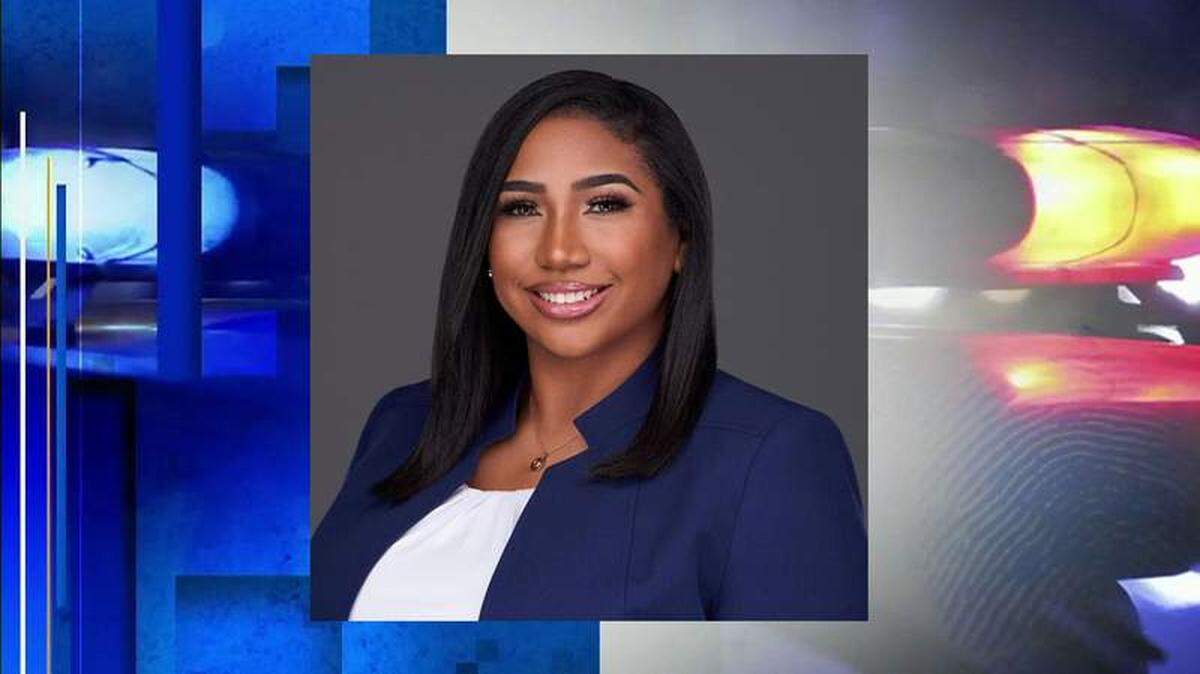
One day after her father appeared to be winning a Democratic primary race for Congress, Broward County political consultant Damara Holness pleaded guilty Wednesday to stealing $300,000 from a federal government program designed to aid small businesses hit hard by the COVID-19 pandemic.
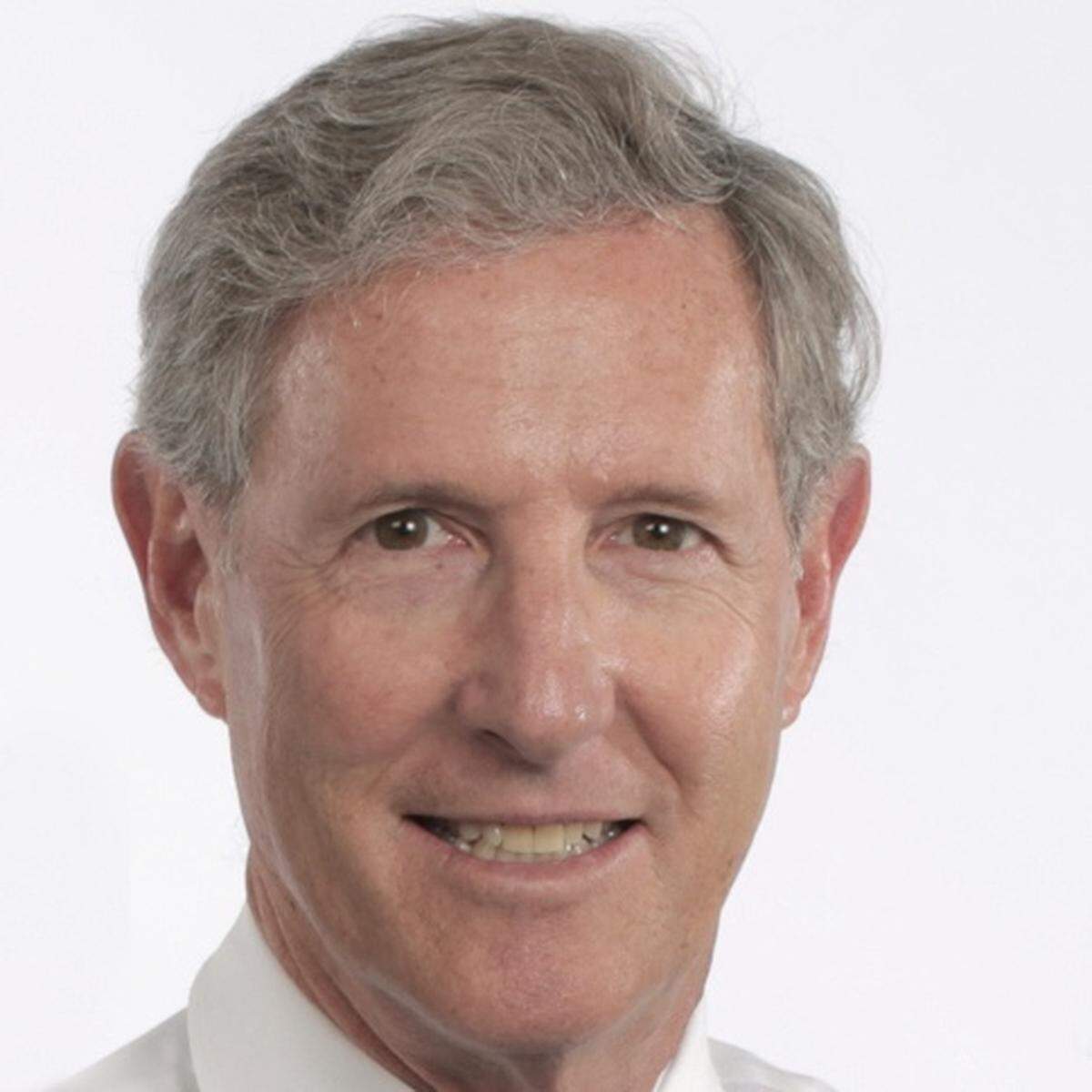
Holness is the 28-year-old daughter of Broward commissioner Dale Holness, who was narrowly leading the Democratic field to fill the late U.S. Rep. Alcee Hastings’ vacant seat after Tuesday’s special primary and may now face the Republican winner.
Damara Holness was charged with one count of conspiring to commit wire fraud in August. As part of her guilty plea to that charge, she admitted lying about the financial needs of her Plantation consulting business to qualify for a federal Paycheck Protection Program loan guaranteed by the Small Business Administration as part of Congress’ massive pandemic relief package.
Holness, who has been free on bond since her arrest, faces up to 20 years in prison for her fraud conviction at a Jan. 20 sentencing before U.S. District Judge Rodolfo Ruiz in Fort Lauderdale federal court. But given the amount of money she stole from the government, Holness is likely to receive a prison term between three and four years under federal sentencing guidelines.
Holness is represented by defense attorney Sue-Ann Robinson, who after her client’s arrest described her as a single mother who “despite having a high-profile parent has had to chart her own path personally and professionally.”
After she was arrested, her father distanced himself from his daughter’s troubles with the law.
Dale Holness, who served as Broward’s mayor last year and ran against 10 others in the Democratic special primary on Tuesday, said in a text message after her arrest that he and his daughter “have been estranged for many years.”
“She has made it clear to me on multiple occasions that she is an adult and as such has conducted her own affairs,” Holness wrote in the text message to the Miami Herald. “I have no details as to how she conducted her business or what she did with her business.”
“If she has done wrong, I hope she learns from this and uses it as a lesson as to how to better conduct herself in life,” he wrote.
Yet Florida public records show Damara Holness ran her political consulting business in the same office as her father’s real estate business, All Broward Realty, at 4325 West Sunrise Boulevard in Plantation. Asked about the same address for both businesses, Dale Holness told the Herald: “She never conducted any business in my office nor did she have keys to my office.”
Damara Holness was among thousands of small business owners in Florida and nationwide who turned to the federal government for a helping hand during the pandemic, but authorities say she cheated the system by lying about her company’s financial profile and payroll.
The COVID-19 relief program, approved by Congress last year when the coronavirus pandemic swept the nation, was designed to help struggling businesses apply for loans that are guaranteed by the Small Business Administration and ultimately forgiven. Since its inception under the CARES Act, the $650 billion program has been credited with helping small businesses pay employee wages and cover other overhead costs, but it has also generated dozens of cases of fraud in South Florida, one of the hot spots in the country.
Last year, when Damara Holness was serving as president of the Broward County Democratic Black Caucus, she applied for a $300,000 loan for her company, Holness Consulting Inc., according to a criminal information filed in Fort Lauderdale Federal Court.
To justify her company’s request, Holness claimed in the loan application that her company employed 18 people and spent an average of $120,000 a month on payroll, the information says. In fact, according to federal prosecutor Jeffrey Kaplan, she had zero employees and no payroll expenses. She was accused of using fraudulent payroll tax forms to support her loan request.
A bank in Georgia, which reviewed her company’s application approved the loan and wired the $300,000 to the political consultant’s account in South Florida.
Once the money hit the bank account in July 2020, Holness spent the next few months creating a paper trail to make it appear as if Holness Consulting had employees and was spending PPP money on legitimate, approved expenses, Kaplan alleges in the information.
Holness then issued checks from her company’s bank account made out to other people who agreed to endorse and return them to the political consultant, the information says. She cashed the checks, paid a few hundred dollars to each of the check endorsers and then kept the rest of the cash for herself — about $1,000 per check, FBI agents uncovered during their investigation.
Fraudulent activity became commonplace during the coronavirus pandemic after Congress passed legislation in 2020 allowing small businesses and unemployed workers to apply for financial benefits under the CARES Act.
Most of the COVID-19 relief schemes revolved around the Small Business Administration’s Paycheck Protection Program, which was meant to help businesses decimated by shutdowns caused by the rapid spread of the coronavirus. The program allowed for the loans to be forgiven, if borrowers followed criteria laid out by SBA. Determined to inject money quickly in the faltering economy, the U.S. government waived many traditional requirements that lenders normally check before issuing business loans.
As the nation’s No. 1 fraud capital, South Florida has led the financial crime wave that followed the passage of the CARES Act, according to federal prosecutors.
In South Florida, that’s included a businessman using PPP money to buy a $318,000 Lamborghini, a nurse alleged to have lied about his business to get $474,000 that was used in part to pay a Mercedes-Benz lease and child support, and a North Miami suburban couple that claimed to be farmers to qualify for $1 million in relief benefits.
The U.S. Attorney’s Office in South Florida has charged more than 60 people in COVID-19 relief fraud cases, mostly involving the PPP program, making it the nation’s leader in such prosecutions. Those fraud schemes have totaled loan requests for more than $80 million. Nationally, one study released in August estimated that up to 15 percent of PPP loans may have been fraudulent.
This story was originally published November 3, 2021 at 3:51 PM.