
Miami mother pleads guilty to torture-murder of adopted daughter Nubia Barahona
A Miami mother will spend the rest of her life in prison after pleading guilty Friday for her role in the starvation, torture and murder of her adopted daughter in a case that rocked Florida’s child welfare agency.
Under the plea deal, Carmen Barahona, 69, will testify against her husband, Jorge Barahona, who faces the death penalty if convicted of abusing and murdering his 10-year-old adopted daughter, Nubia.
The actual sentencing will be deferred until after Carmen Barahona’s cooperation with prosecutors is complete. If she doesn’t follow through and cooperate truthfully, Barahona could still face the possibility of the death penalty.
The plea deal was finalized nine years after a Miami-Dade grand jury indicted Jorge and Carmen Barahona over the horrific death, and the years-long torture and abuse of Nubia’s twin brother inside the family’s Westchester house.
“By allowing her to enter her guilty plea today and assist in the prosecution of her husband, we are one step closer to helping the surviving child victim in this case see justice prevail for him and his deceased twin sister, Nubia,” Miami-Dade State Attorney Katherine Fernández Rundle said in a statement Friday.
Carmen Barahona pleaded guilty to first-degree murder and multiple counts of aggravated child abuse.
Dressed in a red jail jumpsuit reserved for high-profile inmates, her silver hair pulled back in a ponytail, Barahona answered questions from the judge in a quiet voice. Afterward, Barahona tearfully embraced her defense lawyer, Kellie Peterson; the attorney later declined to comment.
If Barahona sticks to the story she told Miami-Dade homicide detectives, she’ll tell jurors that she watched her husband grow increasingly paranoid and violent with the twins, regularly binding them and leaving them in a bathtub, beating them mercilessly. She acknowledged never getting help for the children, despite their mounting injuries and awful living conditions.
“Why couldn’t you call 911?” a detective asked her, according to a copy of her 2011 sworn statement released Friday.
“Because he had been securing them and they had all the marks on their [bodies],” Carmen Barahona said.
A detective later pressed Barahona on why she didn’t come forward to authorities in January 2011, after she came home to find Nubia missing for good — and a section of old carpet mysteriously gone.
“What are the chances in 20 years that the carpet’s missing from that floor is the last day that you see her there?” Detective Lisa Morales asked her.
“I understand that,” Barahona said, insisting that she believed her husband’s story that he had taken the girl to his sister’s house for good. “But I never, I never thought of it that way.”
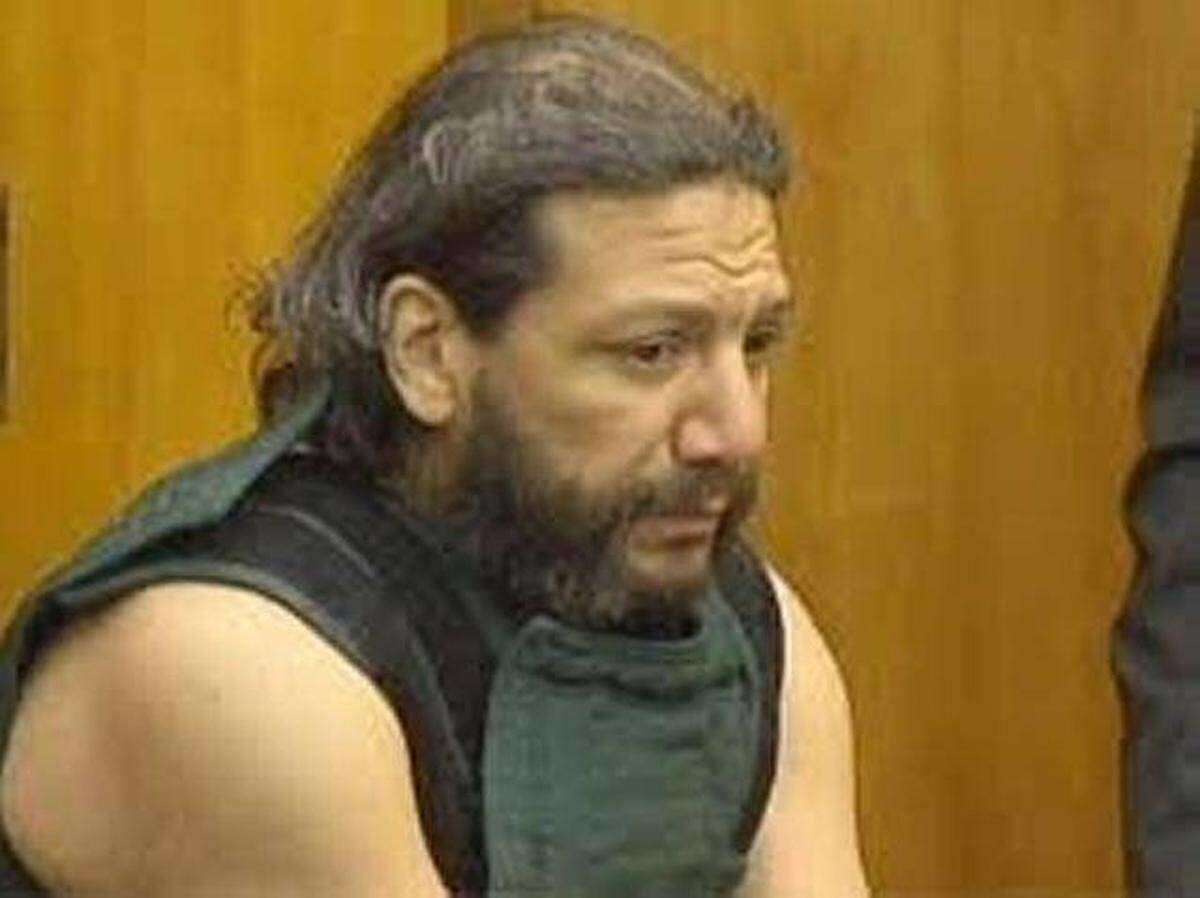
Jorge Barahona, 52, has pleaded not guilty. His trial is scheduled to take place in April. Barahona’s defense lawyer, David Peckins, declined to comment on Friday.
The killings drew widespread headlines after police found Nubia’s chemical-soaked body in the back of Jorge Barahona’s pickup truck along Interstate 95 in Palm Beach County on Feb. 14, 2011. A boy, Victor, splashed with chemicals and severely injured, was found inside the cab, and his adoptive father was passed out nearby.
The public soon learned of the appalling existence of Victor and Nubia, a girl who had suffered from a host of medical issues.
Jorge Barahona had become convinced the twins were poisoning his meals, and were to blame for bullying two other adopted children living in the home.
One day, Carmen Barahona told police, she came home from work to find the twins taped to bar stools. “I can’t let these kids hurt the other ones,” Jorge Barahona allegedly told her.
Soon, the children were being confined to a recycling bin, then the bathtub bound by their hands and feet.
Victor later told a caretaker about months of terrible abuse. Among the acts he described: Jorge Barahona several times wrapped a plastic bag around his head, choking him until he nearly passed out. He said the man once glued his eyes shut, and once made him eat a cockroach.
At mealtimes, Victor said, he and his twin could eat only bread and milk, maybe once a week in the bathtub, while the other children in the home dined on shredded beef, rice and beans. Any leftovers from the “good food” would go to the family’s dog.
During her police interrogation, Carmen Barahona minimized her role in the years of abuse, saying she was scared to cross her increasingly erratic husband — because he often beat her too.
“Every day it seemed like he was getting more annoyed,” Carmen Barahona said. “He would get this glassy look in his eyes sometimes.”
Carmen Barahona’s granddaughter, however, told police that the woman was also involved in the abuse. In a witness statement released in 2017, the girl described allegations of torture by both parents — including one occasion when they wrapped a rope around Victor’s neck and both pulled on it “until he was about to faint.”
The torture of the twins, and Nubia’s death, cast intense scrutiny on the Florida Department of Children and Families, which had received numerous abuse complaints against the Barahonas. Florida wound up paying Victor Barahona, Nubia’s twin brother, more than $5 million in settlement money.
A grand jury report later concluded that DCF gave the Barahonas “a pass” every time allegations of abuse surfaced. For example, three times between 2006 and 2010, employees at Blue Lakes Elementary called the state’s child-abuse hot line with their concerns about Nubia’s health and behavior. The Barahonas, months before the murder, pulled the twins out of the school.
But a blue-ribbon panel formed to investigate the death found that none of the complaints were provided to the psychologist who evaluated the Barahonas’ fitness to adopt the twins, who had been in their care as foster children before they were adopted.
Nubia was one of 477 children who, over a seven-year period, died of abuse or neglect after their families had come to the attention of Florida’s Department of Children and Families. The agency’s lapses were chronicled in the Miami Herald series Innocents Lost.
This story was originally published February 21, 2020 at 12:09 PM.