
Defense asks if shooter Nikolas Cruz can skip hearings, then quickly waives motion
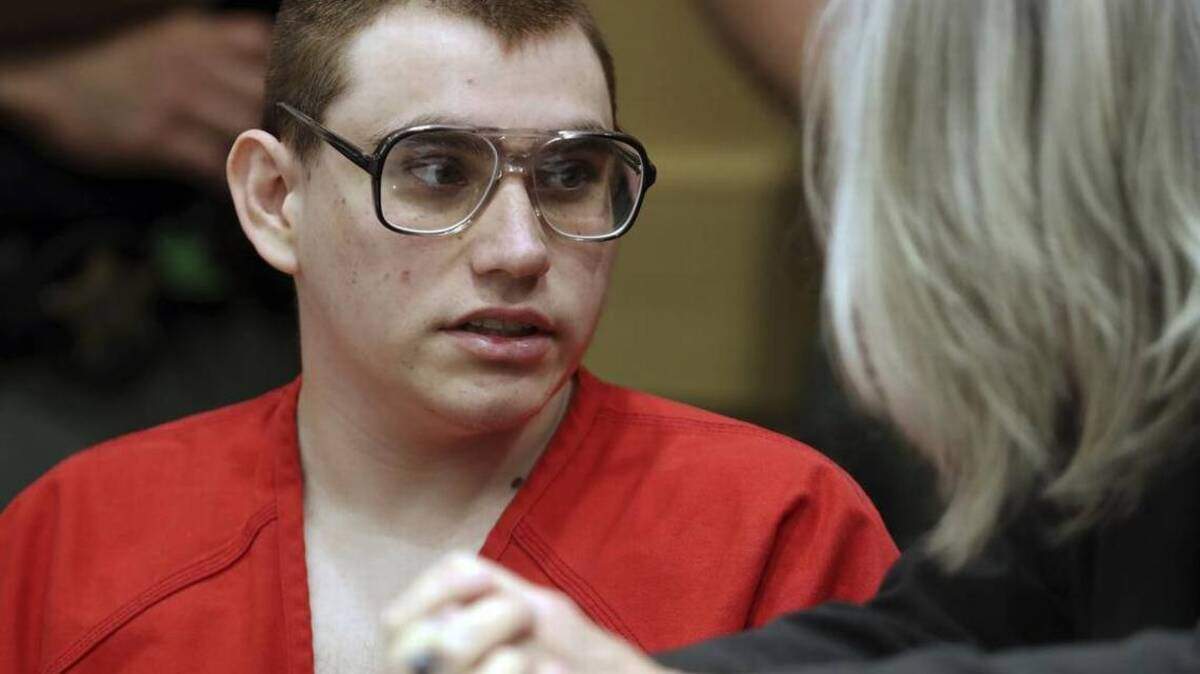
Defense attorneys for admitted killer Nikolas Cruz asked a judge Friday to decide whether their client could remain jailed during pretrial hearings, then quickly waived the motion before the judge made a formal declaration.
When state prosecutors said they had no issue with Cruz not attending future hearings as long as substantive issues weren’t at stake, Broward County Circuit Court Judge Elizabeth Scherer said she’d make that determination on a case-by-case basis.
The issue arose when Broward County public defenders representing Cruz asked Scherer if Cruz could be excused from a hearing Friday over whether Cruz’s visitors log at the Broward County Jail was public record.
When the judge agreed to let Cruz leave the court after a series of questions, his attorneys said there was no need and he remained for the rest of the hearing. Scherer said she would decide on a hearing-by-hearing basis whether the defendant had to remain in court. Cruz has attended most hearings leading up to his trial.
Cruz, shackled at the waist and clad in a red jumpsuit, wore thick glasses to Friday’s hearing at the Broward County Courthouse. Slightly fidgety, with bushy hair and appearing heavier, he sat with crossed hands as state prosecutors and his attorneys sparred over whether the names of mental health experts visiting Cruz should be made public.
Public Defender Joseph Burke argued that public records laws in Florida were created for the public to oversee government actions and that disclosing the names of mental health experts, some who may never be called to a witness stand, doesn’t reveal anything about a government action. Cruz’s attorneys have argued that identifying mental health experts could tip the state off to defense strategies.
Assistant Broward County State Attorney Steven Klinger said there was no current exemption for jail visiting logs and that public records decisions were to be made by state legislators, not the court. Scherer said she will decide by Monday. Also arguing on behalf of keeping the visiting log public were lawyers for the news media and for the Broward Sheriff’s Office.
Prosecutors are seeking the death penalty against Cruz, 20, for the Feb. 14, 2018 mass shooting at Marjory Stoneman Douglas High. Armed with an AR-15 rifle, Cruz fatally shot 17 students and staff members, wounding 17 more.
Faced with overwhelming evidence against him — including surveillance footage, eyewitnesses and a video-recorded confession — his defense team has said Cruz will plead guilty, if the state waives execution as a possible sentence.
The Broward State Attorney’s office is still seeking the death penalty in what is Florida’s worst school shooting. The Public Defender’s Office is hoping jurors will one day spare Cruz execution because of his long-documented past of mental-health troubles, which included killing animals, emotional outbursts and a fixation on weapons and violent imagery.
With hundreds of witnesses and thousands of pieces of evidence, the gargantuan case has plodded along through the legal system, with frequent bickering between lawyers over the turning over of reports, records and other evidence.
This story was originally published April 5, 2019 at 3:56 PM.