
Herald’s ‘Perversion of Justice’ receives Anthony Shadid Award for Journalism Ethics
The Miami Herald’s widely acclaimed — and still evolving — investigative reporting into a secret plea deal struck by a future Trump Cabinet official that helped an affluent Palm Beach serial sex abuser avoid prison time was announced Thursday as the recipient of the 2019 Anthony Shadid Award for Journalism Ethics.
Awarded by the Center for Journalism Ethics at the University of Wisconsin-Madison, the prize recognizes the Herald’s in-depth reporting on Palm Beach multimillionaire Jeffrey Epstein’s mysterious plea deal ahead of a 2008 sentencing, executed by then-U.S. Attorney Alexander Acosta.
“Perversion of Justice,” a three-part series published in November 2018, included on-the-record interviews with some of Epstein’s previously unidentified victims — at the time, there were about three dozen victims between 13 and 17 years old — and details about the behind-the-scenes communications between Epstein’s legal team and Acosta’s U.S Attorney’s Office to dispose of the case without notifying those victims.
Epstein pleaded guilty to a charge of solicitation of prostitution and a charge of procuring someone under the age of 18 for prostitution — instead of being prosecuted for federal child sex trafficking crimes that could have sent him to prison for the remainder of his life.
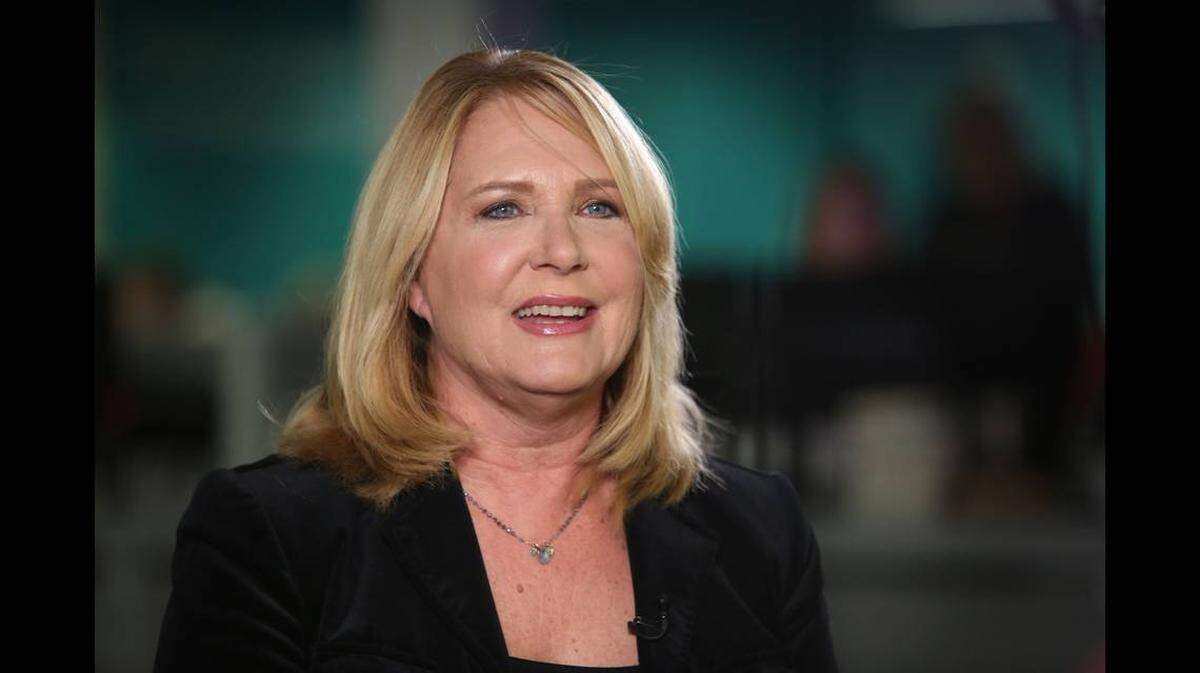
Palm Beach Circuit Court Judge Deborah Dale Pucillo, who presided, was intentionally given few details about the crimes. Acosta approved a plea deal that gave Epstein federal immunity.
The series was authored by Herald investigative reporter Julie K. Brown, with photography and video by visual journalist Emily Michot. In February, Brown received the prestigious George Polk Award for her reporting on Epstein’s plea deal. Her reporting has sparked renewed interest in the case and national news coverage scrutinizing the plea deal. Last month, a federal judge determined that the deal violated the Crime Victims’ Rights Act, which says victims are entitled to know the status of their case.
The Miami Herald reported on Wednesday that the victim whose case was included in the plea deal wrapping up the prosecution didn’t know that it was her case on the docket — until a reporter told her lawyer 10 years later.
Since the Herald’s reporting on the plea deal and the strides prosecutors took to keep the agreement hidden from victims and a presiding judge, the Justice Department Office of Professional Responsibility has opened an investigation to search for any prosecutorial misconduct involved in the secret negotiations that led to the agreement. Meanwhile, a bipartisan crowd of lawmakers has lobbied for legislation to open a separate probe, and others have called for Acosta’s resignation from his position as labor secretary.
On Tuesday, President Donald Trump said he had “complete confidence” in Acosta.
“The Herald’s in-depth accountability reporting had an immediate impact, including a recent verdict confirming prosecutors broke the law,” said Lucas Graves, associate professor with the UW-Madison School of Journalism and Mass Communications and chair of the Shadid Award judging committee. “The Herald team told the stories of dozens of young women who were victimized first by a wealthy sexual predator and then by the justice system. We are proud to recognize the care they took in their reporting and the challenge of the ethics choices they faced.”
The award is named for UW-Madison alumnus and Pulitzer Prize-winning reporter Anthony Shadid, who died in 2012 while on assignment in Syria for The New York Times.
This story was originally published March 21, 2019 at 2:15 PM.