
Raped as a child in Miami, he's facing deportation after testing positive for weed
Axel Noguera came to Miami when he was just 3 years old, his family fleeing crushing poverty in Argentina only to live in the shadows as undocumented immigrants.
Then, at age 11, Noguera suffered a savage childhood trauma. A family friend in Little Havana secretly molested and raped him. The sex predator was eventually sent to prison for 12 years and Noguera and his family were granted visas under a program that allows crime victims to stay in the United States.
But now, more than a decade after he was the victim of a horrific sex crime, Noguera is facing deportation from the only city and country he really knows. His lawyer says Noguera's plight stems from a series of mistakes fueled by the trauma of his childhood ordeal. As an angry teen, he racked up a series of minor arrests, none of which resulted in convictions. Then, when he applied for residency, Noguera failed to get psychiatric treatment and twice tested positive for marijuana.
The tipping point: Noguera was arrested on a charge of stealing a car, then was taken into immigration custody before he could stand trial.
His rapist, meanwhile, will soon be free.
"The irony of the case is that he will most likely be deported whereas the perpetrator will be getting out of jail anytime soon and he will be allowed to remain because he is a Cuban citizen," said his Miami immigration lawyer, Evelyn Alonso.
The rapist, a Cuba native named Armando Rodriguez, is also being monitored by immigration agents. But Rodriguez, scheduled to be released next year from a Florida state prison, likely won't be deported — because of the nations' long-strained relationships, the island rarely accepts back its nationals.
Noguera's case is an unusual one but his attorneys and other critics says it also highlights the harsh consequences of the Trump administration's immigration policies, particularly it's hard-line pursuit of deportations. Now 21, Noguera has been held in a detention facility in Orlando. On Wednesday morning, a court denied him bond while his case moves through the immigration system.
The Miami Herald does not normally identify victims of rape, but Noguera and his family agreed to speak publicly to highlight what they believe is the unfairness of his story.
Noguera's father said his son has no one to go back to in Argentina: "He doesn't even know the language. He doesn't speak Spanish well. He doesn't have anywhere to live. We sold everything there to come to the United States. It's going to be a very precarious situation."
Noguera's case comes amid increasing controversy over President Donald Trump's tough stance on undocumented immigrants, an issue that helped get him elected. In recent months, authorities at the U.S. border have aggressively prosecuting adults caught at the border, even those with minor children — leading to the separation of 2,000 kids from their families, and stirring images of the youths housed at camps.
The backlash has turned into a political firestorm, with high-profile members of Trump's own party calling for an end to the practice. Some 1,000 unaccompanied minors are being held at a camp in Homestead.
Noguera's case, meanwhile, has gone unnoticed.
He was detained by Immigration and Customs Enforcement (ICE) agents after an arrest for stealing a car but before he could go to trial. He was picked up at a Miami jail, something that has happened with increasing frequency across the country, including South Florida.
"It's a major violation of due process. Before the state releases someone to immigration, the state should insist the person be allowed their day in court," said Juan Carlos Gomez, the director of Florida International University's Immigration & Human Rights Clinic.
An ICE spokesman noted that Noguera "has no current lawful status in the United States and his case is pending review with the Executive Office for Immigration Review.
"ICE takes seriously its obligation to enforce the nation’s immigration laws, and the enforcement actions ICE employs are intended to accomplish this fairly and efficiently," said the spokesman, Nestor Yglesias. "ICE does not exempt classes or categories of removable aliens from potential enforcement.”
The Noguera family originally came to the United States on tourist visas in December 2001, during Argentina's economic meltdown. Because of the condition in their home county, they decided to stay illegally in South Florida. Axel Noguera, one of three brothers, was 3 years old at the time.
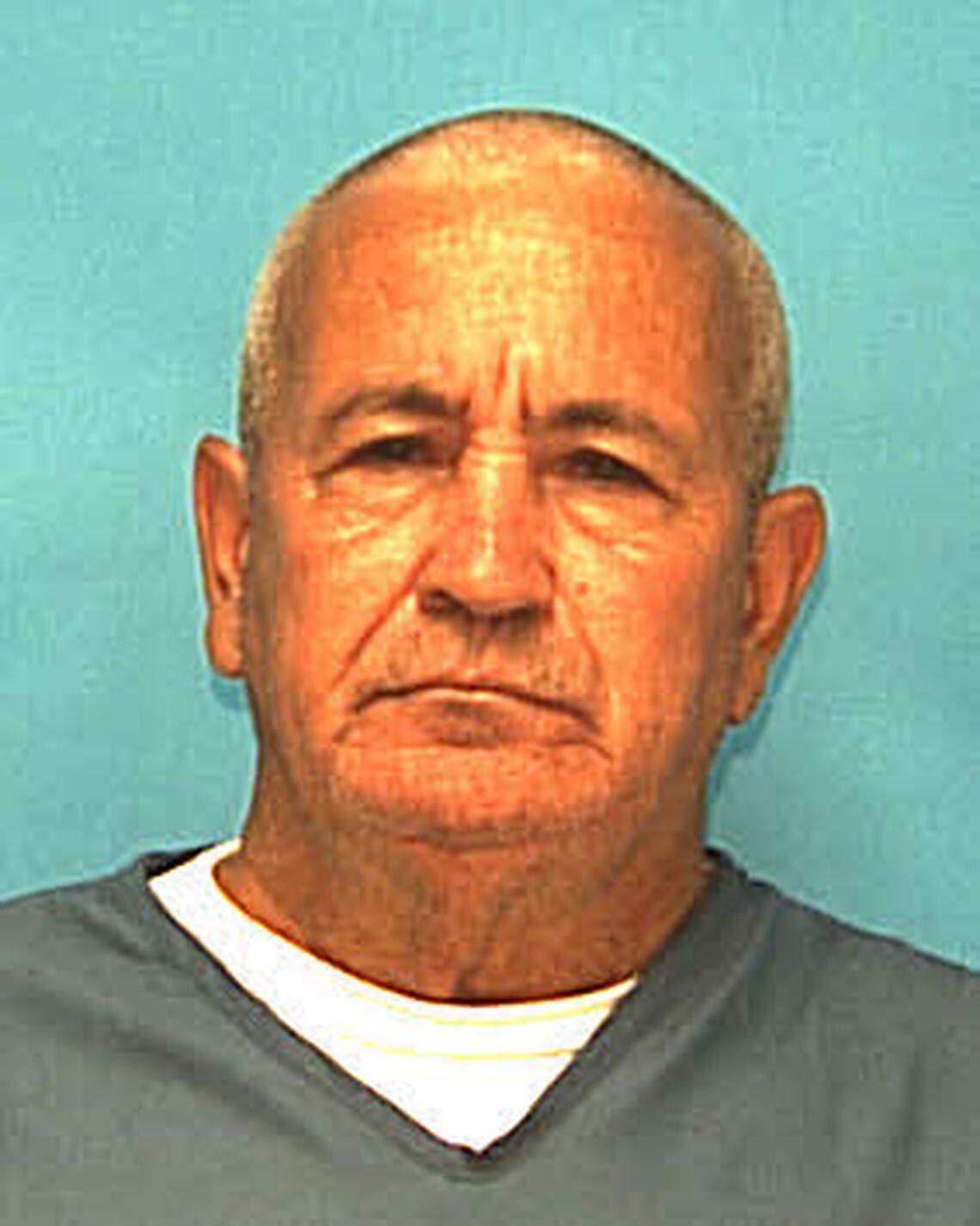
By 2009, the family was living in Little Havana when they met Armando Rodriguez, a man in his 60s who often hung out at the house. The Nogueras considered him a family friend.
What they did not know was that Rodriguez was a pedophile who was was convicted of lewd and lascivious assault of a child in 1991. He was convicted and received probation, which he violated several times; he was also arrested for failing to register as a sex offender. By 1998, his probation was complete.
Rodriguez was born in Cuba. It is unclear if immigration authorities targeted him for removal after that first sex-offense conviction, but Cubans were rarely ever deported in the years before diplomatic relations resumed in 2015. Even now, the country is considered "recalcitrant" and will not accept back most of its nationals; only 164 Cuban nationals were returned to the island during the last fiscal year.
Currently, more than 36,000 Cubans in the United States are facing orders of removal for convictions of crimes or immigration violations.. Most of those are living freely on parole.
Rodriguez was arrested again in 2009 after the Nogueras learned that he had been molesting Axel inside their home.
He wound up pleading guilty to sexual battery of a minor and was sentenced to 12 years in prison. His scheduled release date: May 20, 2019. Because of his crimes, the state of Florida could seek to have him indefinitely committed to a locked-down treatment center for sexual predators; a jury and judge would decide whether to send him there.
In the event that Rodriguez, 69, is not committed to the sex-treatment center, immigrations authorities have placed a "detainer" hold on Rodriguez. But unless Cuba agrees to take him back, he would be paroled out onto the streets.
As for Noguera, his childhood was tormented by what he endured, said his parents, who asked to not be identified. He received mental-health treatment at the Kristi House Child Advocacy Center, which treats victims of sex abuse in Miami-Dade County, but the abuse weighed too heavily.
"He never wanted to talk about it," said his father. "He hasn't had a normal childhood."
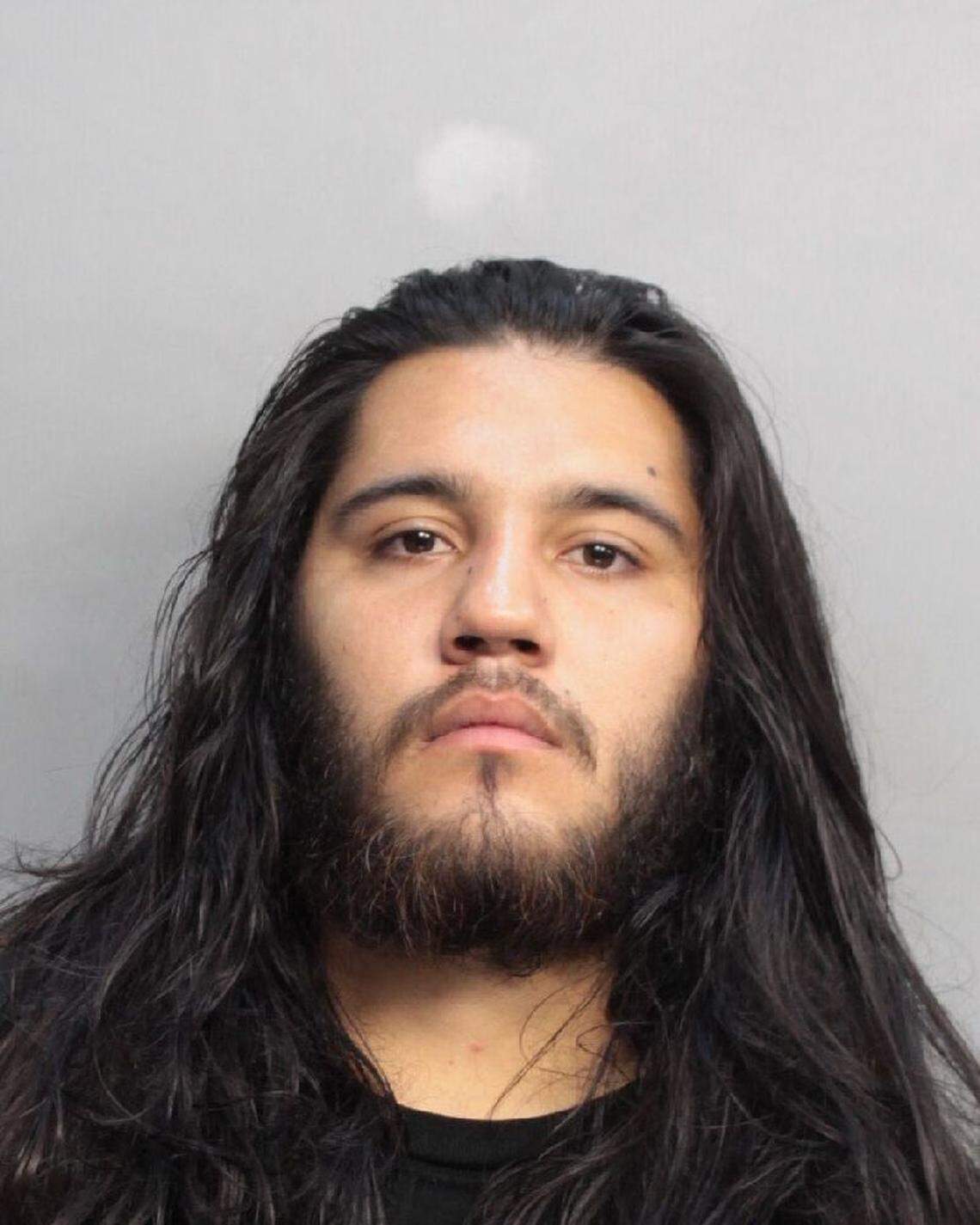
Noguera and his family were allowed to stay in the United States under the "U" visa program, which allows undocumented immigrants to stay in the country legally if they have "suffered mental or physical abuse and are helpful to law enforcement or government officials in the investigation or prosecution of criminal activity."
The visa was sponsored by the Miami police department.
Only 10,000 such visas are granted each year, and they last five years. But visa holders are generally given green cards to stay as legal permanent residents unless they commit "any act that would count as a ground of inadmissibility," according to the U.S. Department of Homeland Security.
Noguera, an avid skateboard who wanted to own a skate shop, turned to marijuana to help him deal with his trauma, according to his parents. He also could not stay clear of the law. He notched his first arrest at age 16. The charges of burglary and grand theft auto were dropped, state records show. Another arrest for criminal mischief a year later was also dropped.
It was his arrest in April 2015 that proved most problematic.
A Miami police officer saw Noguera, riding his bicycle, buy two baggies of marijuana for $15 at a known drug hole in Little Havana. Noguera was charged with third-degree felony purchase and possession of marijuana. He was 18 years old.
Three months later, he agreed to probation and was granted a "withhold of adjudication" for the felony, which in Florida doesn't count as a technical conviction. The federal government considers withholds to be convictions and can use the crime to deport someone.
His victim visa expired one month after he took his plea. But according to his lawyer, the marijuana case is not what got his bid for legal permanent residency denied.
Under the process, Noguera was required to take a physical — and failed a drug test. He was ordered to seek mental-health therapy for his "psychological issues and related marijuana use," said Alonso, his lawyer.
Yet he failed a second drug test. Even as his parents and brothers were granted green cards, Noguera became undocumented.
"He continued to use marijuana to cope with the trauma of being raped as a child and that's the reason he's not being allowed to stay in the country," Alonso said.
He continued lashing out, developing a skin-picking disorder and even trying to kill himself. He was also arrested three times for domestic altercations, cases that were all dropped.
It was in January 2017 that Noguera was arrested in Fort Lauderdale for driving a stolen Honda Civic. "I just wanted a ride home," he told a police officer when he was pulled over. Noguera posted bond and was released to await trial. But he skipped out on a court date in December, forcing a judge to issue an warrant for his arrest.
So on March 3, detectives from Miami-Dade's warrants bureau went to Noguera's home to arrest him. He remained jailed at the Turner Guilford Knight Correctional Center for five days, before ICE agents whisked him away from the jail.
Since his detention, Noguera has been transferred to various immigration facilities.
"He's very pessimistic. He doesn't want to live anymore," said his mother. "If he leaves, I don't want to live in this country anymore. He doesn't know anything about Argentina."
This story was originally published June 19, 2018 at 10:03 AM with the headline "Raped as a child in Miami, he's facing deportation after testing positive for weed."