‘We want you here.’ Closed Kendall synagogue finds new home at Temple Beth Am
For the past 45 years, hundreds of Jewish families in southwest Miami-Dade County found their religious home at Temple Beth Or, where they attended services and celebrated life’s milestones.
The synagogue, which was at 11715 SW 87th Avenue in Kendall, had its peak membership in the 1990s at around 250 families. After years of declining membership and financial hardship, Temple Beth Or’s leadership made the decision to sunset operations last year. But today, the temple’s legacy lives on.
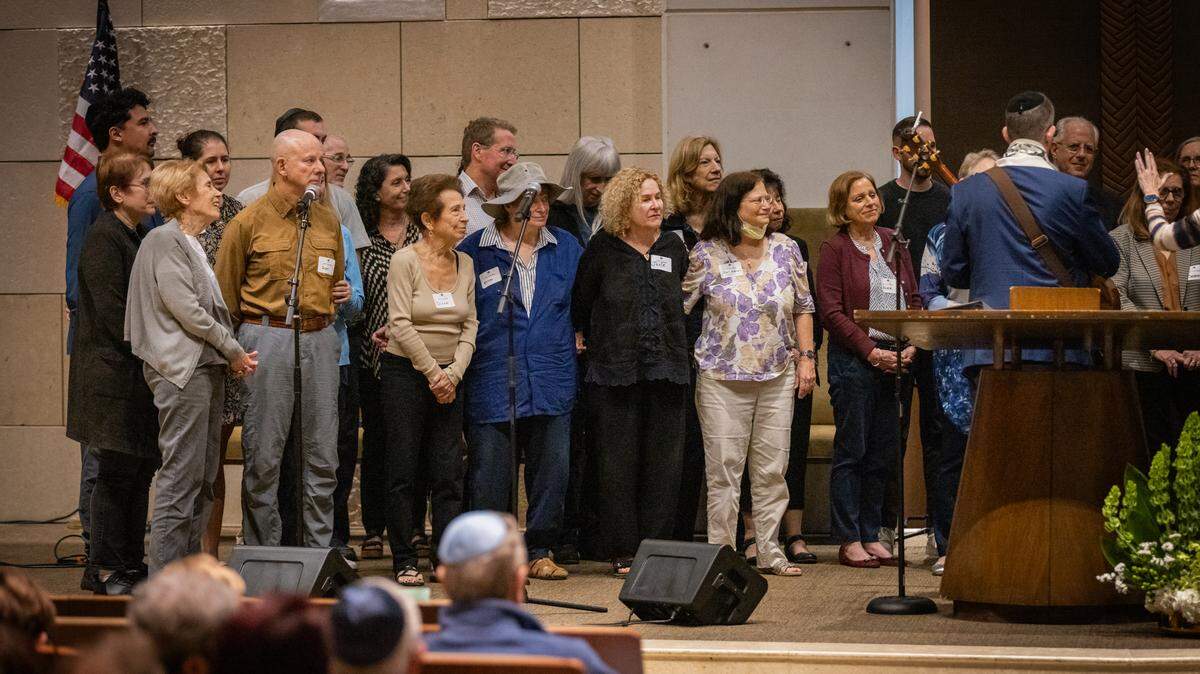
Temple Beth Or recently merged with Temple Beth Am, which is one of the largest synagogues in South Florida and is located in Pinecrest, about 20 minutes northeast from Beth Or’s former property. Beth Am welcomed the remaining 60 families from Beth Or in January, giving the synagogue’s congregation and rabbi a new home.
.jpg "55076188666_c2e7ba4d34_o (1).jpg")
“Everything has proceeded just beautifully,” said Beth Or President Mel Tenen. “We came out strong on the other side.”
For months, Temple Beth Or searched for a south Dade temple that could fit their needs. After several meetings and member elections, the congregation voted for Temple Beth Am to be the merger partner. The synagogues finalized the deal in January.
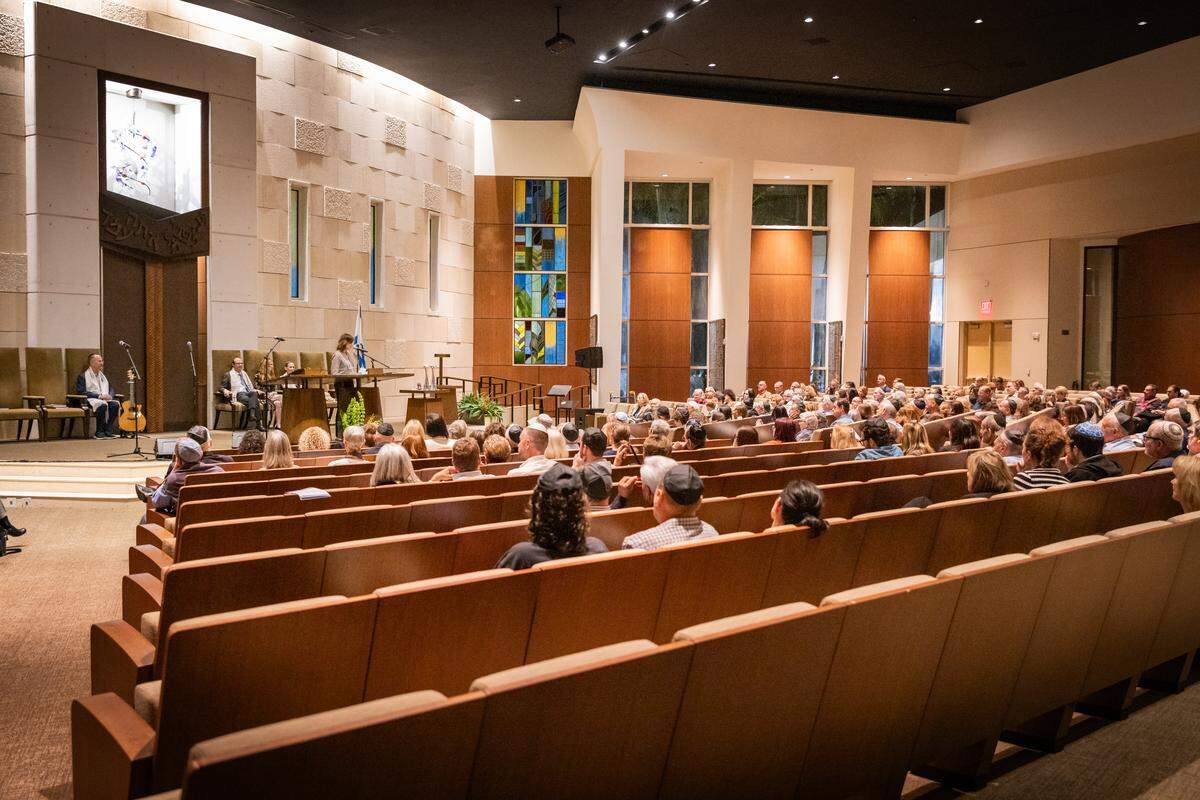
Initially, Beth Or members had some reservations about joining a congregation of nearly 2,000 members. The small, tight-knit group was skeptical about meshing with a larger operation — Beth Am has its own day school, religious school and performing arts center — and feared not fitting in, leadership said.
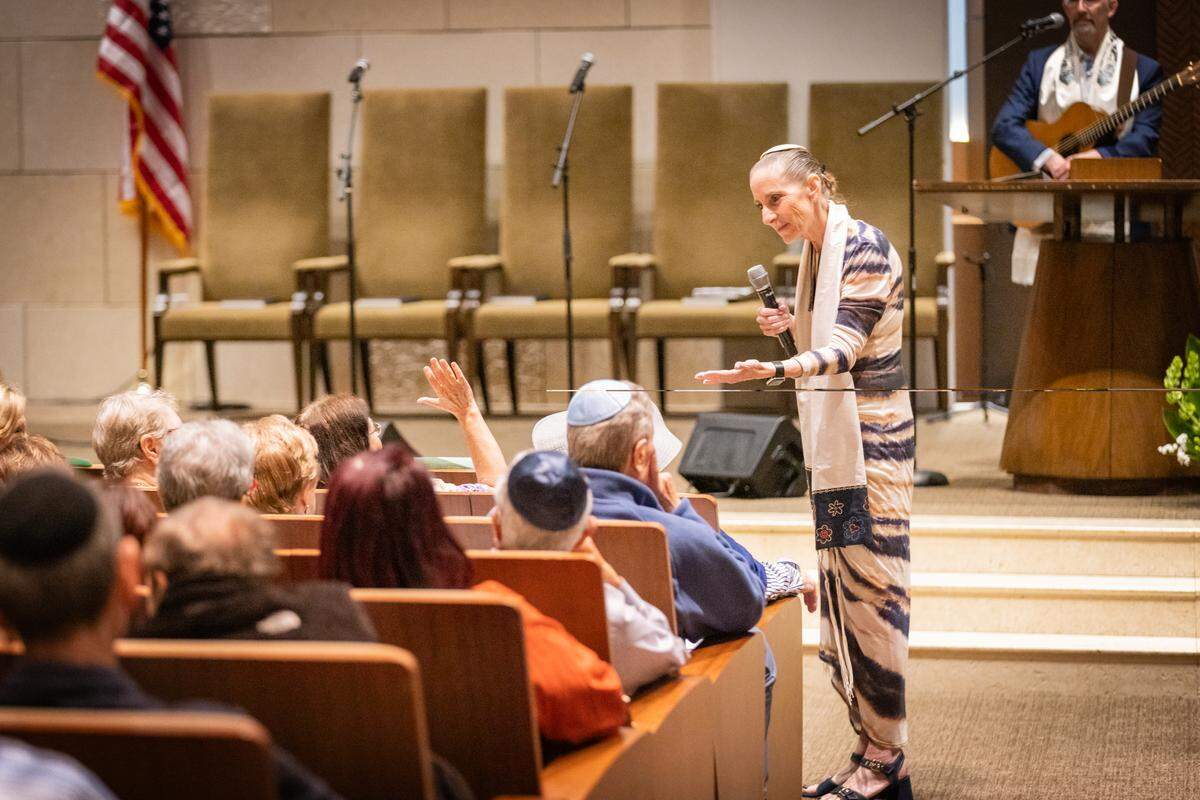
“All of my concerns were totally assuaged based on the opening comments made by Rabbi Barras, that there really should be no choice in the matter. This is where your home should be,” Tenen said.
Beth Am’s senior rabbi, Jeremy Barras, said he wanted to make the new congregants feel welcomed.
“Now more than ever, we need to be together. Any Jewish people who are looking for a home, we need,” Barras said. “They decided to give us a chance and honestly, it’s been fantastic.”
After the closure of its Jewish Day School about 15 years ago, Temple Beth Or’s membership began declining, with some members dying. Leadership was able to hang on by leasing a piece of property bought by the original ownership. Tenen, who had been temple president for more than 12 years, said leaders looked at the financial future and decided to close in order to save some money to make the merger possible.
“Our finances were such that we wouldn’t have been able to exist,” Tenen said.
This joining of two synagogues represents a national trend, said Rabbi Barras. Specifically, liberal and conservative synagogues are merging.
“It used to be there were more differences religiously between Conservative and Reform synagogues, but over the last 100 years ... the conservatives became a little bit more liberal, and the Reform became a little bit more traditional, and we kind of met in the middle,” Barras said.
Beth Am is a Reform synagogue, but offers Conservative services as well as a host of educational, social and spiritual programs.
Full-circle moment
For Rabbi Robyn Fisher, Temple Beth Or’s lead rabbi for more than eight years, the transition has been more of a homecoming. Fisher grew up at Beth Am and even trained to be a rabbi there before becoming ordained.
“For me, it’s coming home. I’m just so thrilled to be part of this clergy team and to be back with a community that I’ve grown up with and to introduce them to my Beth Or family.”
For a close-knit community like Beth Or, the transition seemed daunting to some members, she said. But, the past month has shown her that people on both sides are open to the change.
“As large as it is, there are small, micro-communities within it, and everyone’s so warm and friendly and welcoming,” she said of Beth Am.
Beth Am is also active in social-justice work, or Tikkun Olam, the Jewish principle to repair the world. Social action was particularly important to Beth Or members, she said.
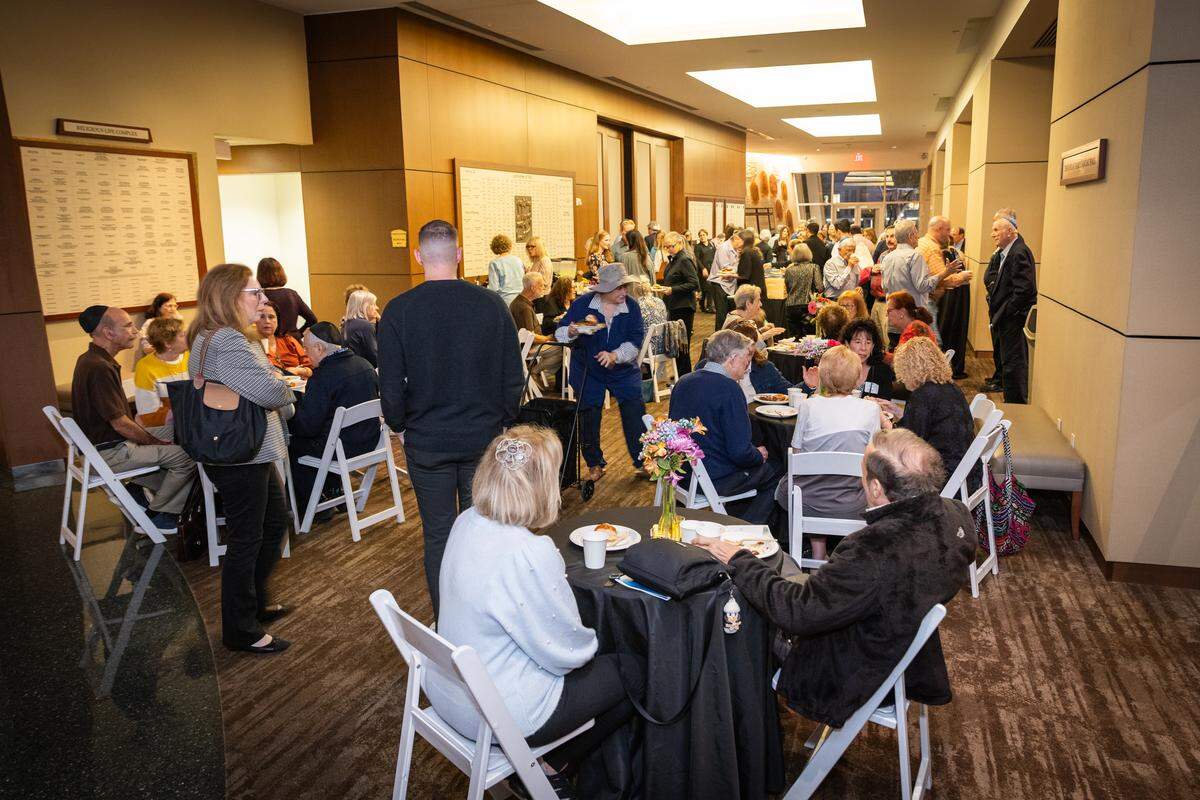
Last month, Beth Am welcomed its new Beth Or members with a service and celebratory Shabbat dinner.
“The Shabbat was about how we are a community, and in the community, we’re all Jews, and we take care of each other,” said Temple Beth Am President Shelley Jacoby.
Throughout the merger process, Jacoby said she remembers how Rabbi Barras, and all of the clergy, worked to make the new members feel welcome.
“He said basically, ‘We want you here, this is a hard transition time. We want to be part of the solution. We want to provide a home for you.’ ”
This story was produced with financial support from Trish and Dan Bell and donors in South Florida’s Jewish and Muslim communities, including Khalid and Diana Mirza and the Mohsin and Fauzia Jaffer Foundation, in partnership with Journalism Funding Partners. The Miami Herald maintains full editorial control of this work.