
South Miami’s Bicycle Bob leaves $200K in will for ex-mayor to raise ‘political hell’
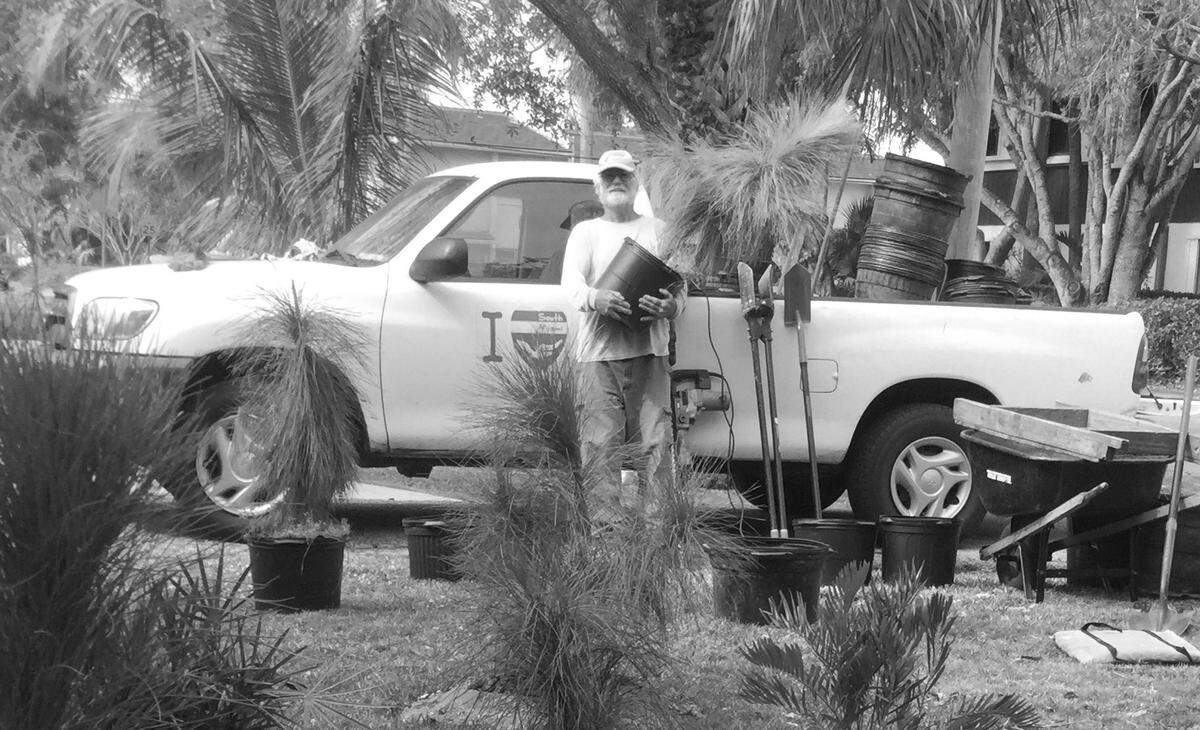
In life, former South Miami Vice Mayor Robert “Bicycle Bob” Welsh cut an unconventional path, making his imprint on the Central Miami-Dade suburb with colorful language, do-it-yourself campaigns and dirty hands he used to plant five or six trees a day, for anyone who asked.
In death, Welsh continues to surprise.
In his last will and testament, written in first person and signed two months before he died this February of complications related to skin cancer, Welsh left $200,000 to former South Miami mayor and political ally Philip Stoddard — with instructions “to raise as much political hell as he can with it.”
The money — a tremendous sum in a small city with occasionally prickly politics — will come out of the proceeds from the sale of Welsh’s three modest, tree-shaded homes all of which are within a two-mile radius west of U.S. 1.
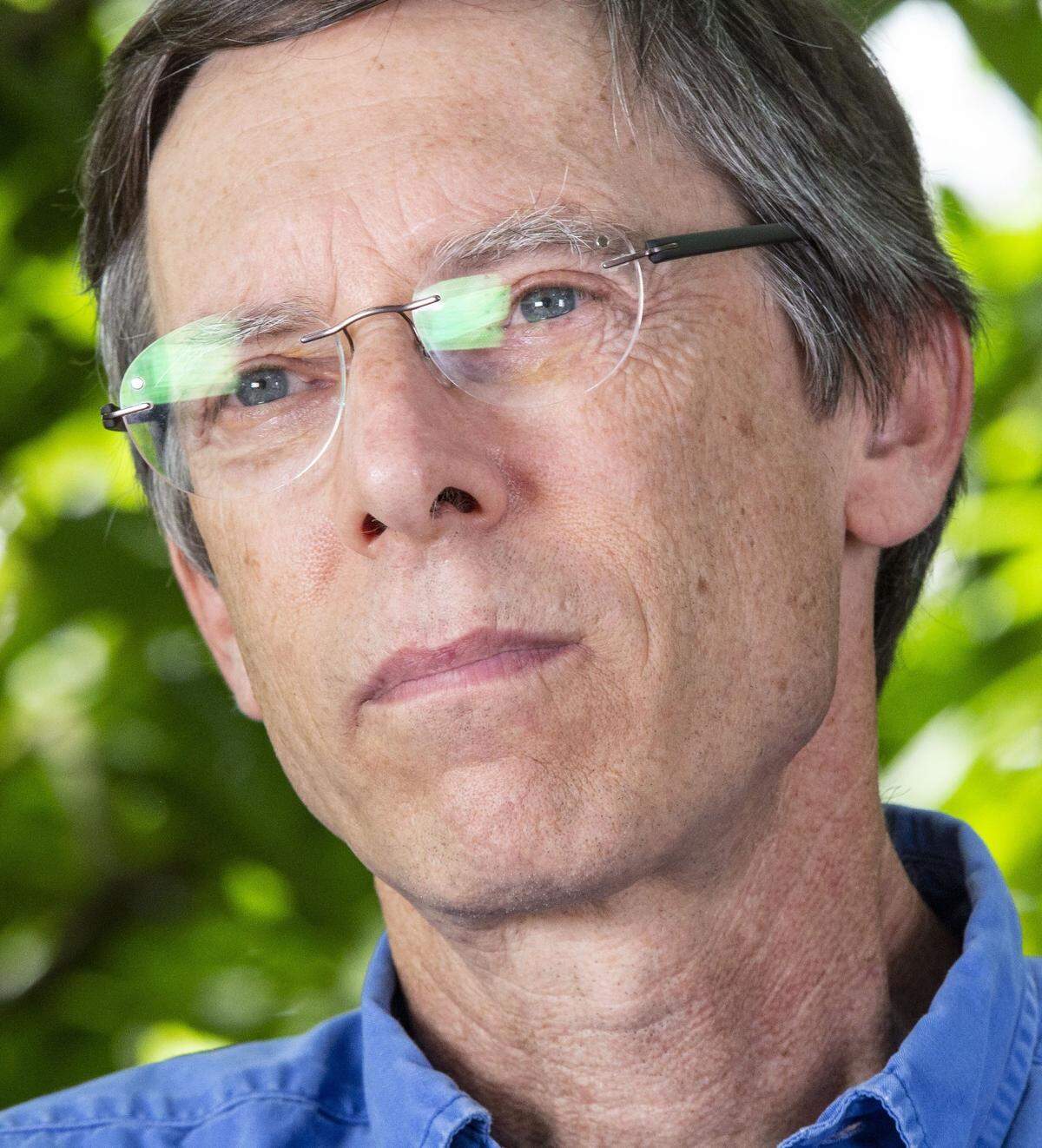
Stoddard said Monday the inheritance came as “a total surprise,” and that Welsh’s lawyers only informed him of the six-figure dollar amount at Welsh’s memorial service in the winter. He said he wasn’t expecting money from Welsh, and had hoped only to claim the red folding chairs Welsh often supplied to anyone who needed them for local events.
Stoddard said he’s already talked to some experts “on the cheap” who are advising him on how to set up a political committee or 501(c)3 for the funds.
He said he will stand up for issues Welsh championed, like the environment. But the former mayor said he doesn’t yet know exactly how he will spend the money, or if he will be able to live up to Welsh’s style of “raising hell” with large banners, bumper stickers and boomboxes blasting music at political rallies.
“I don’t know if I can do it in the Bob Welsh style, but I should come as close to the spirit of it as I possibly can,” he said. “I could call it the Bicycle Bob Memorial Political Hell-raising Fund.”
Big money in a small city
In South Miami, where candidates for mayor and city commission seldom raise more than $25,000, $200,000 can have a lot of influence, though Welsh did not specify that Stoddard had to use the money in the confines of city politics.
Stoddard, a 64-year-old biology professor at Florida International University, has garnered national attention for his green efforts. He pushes for environmental reforms on a statewide level and has fashioned himself into an unceasing critic of energy giant Florida Power & Light.
When Stoddard was mayor, his commission became the first in South Florida and eighth in the state to commit to 100 percent renewable energy citywide, setting a goal of 2040 to achieve it. In 2017, the city became the first in Florida to require solar panels on new construction.
Stoddard also has his detractors, especially those who criticized the way he handled downtown development.
A copy of the will has been passed around in South Miami’s political circles, and some of Stoddard’s foes have criticized the bequest.
“Personally, any man that would take money from a widow and her family or accept that kind of last-minute will, which is highly irregular, is a scumbag,” said former South Miami Mayor Horace Feliu, who ran for his old office and lost to Stoddard several times. “You can quote me on that.”
The will doesn’t state the exact value of the estate, but Welsh’s widow, Magill, would receive one-third the value. She declined to comment on Stoddard’s share, and referred a reporter to her lawyer, South Miami City Attorney Thomas Pepe.
Pepe said he doesn’t often take on private clients, but made an exception for Magill, who is a friend.
City Hall connections to Welsh’s will
Perhaps a reflection of just how much Welsh’s life was intertwined with the city of 12,000, Pepe’s involvement in deliberations over his will is only one of several ways in which City Hall is intertwined with the former vice mayor’s estate.
The witnesses to Welsh’s will were both city employees: Maria Garcia, the executive assistant to the city manager, and Elaine Alvarez, who works in the city’s finance department. The notary who stamped the will was Nkenga Payne, South Miami’s city clerk.
Pepe has already filed a statement of claim against the estate for about $3,600 to pay for Welsh’s funeral costs. Welsh’s estate attorneys filed an objection last week.
Stoddard hired his own attorney, Miami lawyer Jonathan David, to represent him in the matter.
In addition to money left behind, Welsh also passed down his two Toyotas, the utility trailers he used to haul saplings from his five-acre plot in Wauchula, potted trees, Peruvian chairs, an art collection, a rocking chair, a nightstand and musical instruments to various friends and family. He also donated many farm tools, which he designated to the Center of Great Apes, an orangutan and chimpanzee sanctuary where the late pop star Michael Jackson’s chimp, Bubbles, now lives and where Magill, a passionate animal lover, worked as a volunteer.
Welsh was first elected in 2012 to the South Miami Commission and most recently ran unopposed for his second four-year term in November 2020. Voters elected Welsh’s replacement, Brian Corey, during a special election in May.
Welsh was nicknamed after his blue bicycle, which he rode through every street in the city — and sometimes, outside the city — handing out fliers printed margin to margin with whatever topics he was interested in that day.
“Whether I do the fliers with bulk rate postage or hire young folks to take them around, that’s what Bob wanted to keep alive,” Stoddard said. “And he chose me to do it.”
This story was originally published August 17, 2021 at 6:00 AM.