North Miami furloughed directors. It plans to do the same for rank-and-file workers.
Three weeks after declaring a state of emergency due to the novel coronavirus, the city of North Miami indefinitely furloughed 140 part-time employees, eliminating their working hours and pay entirely as regular city programming came to a halt.
Now, as South Florida’s economy slowly reopens but with no end to the pandemic-induced downturn in sight, the city is going even further in anticipation of budget shortfalls. Starting next Friday, North Miami will impose two-day-a-month furloughs for non-union employees — namely, directors that oversee city departments, including the police chief and assistant chiefs. And on Tuesday, the city told its employee union it plans to do the same for the vast majority of city workers.
“With our projections, we have to cut,” Interim City Manager Arthur Sorey told the Miami Herald. During the global economic recession in the late 2000s, Sorey said, the city lost about 14% of revenues over three years. “How can I not at this point anticipate something along those lines?” he said.
Under the city’s plan, full-time employees would lose two days of work and pay per month, with the exception of police officers ranked sergeant and below, as well as dispatchers and water plant operators who work on 24-hour schedules.
Sorey said the pay cuts wouldn’t extend to the mayor and city council, and that he has not spoken with elected officials about that possibility.
The city is pushing the union — which includes a blue collar unit and a white collar unit — to accept the furloughs, and suggesting the alternative would be layoffs. In a May 5 letter to the union’s lawyer, Personnel Administration Director Joseph Roglieri said that if the union rejects the plan, “layoffs will commence effective June 1.”
To generate the same cost savings as the two-day-a-month furloughs, Roglieri said the city would need to lay off eight blue collar and seven white collar employees.
“This is not our preferred method,” he wrote.
In a subsequent letter to the union Tuesday, Roglieri said the city had decided to go ahead with the furloughs after scheduling issues prevented the two sides from meeting Monday.
The city and the union have since scheduled a discussion for Thursday. But Sorey said that even if the union objects to the plan, the city could exercise a collective bargaining clause to change its employees’ hours.
“It’s extremely necessary,” Sorey said.
The attorney for the employees’ union, Richard M. Weiner, declined to comment Tuesday.
Sorey intends to close North Miami City Hall to all employees next Friday, May 29, to kick off the furlough process. Police Chief Larry Juriga said that, essentially, “the city will be closed” that day, though he said the police union is still negotiating over the details.
Juriga added that “it’s yet to be determined what happens in June or the rest of the fiscal year” for the city’s union-represented police officers.
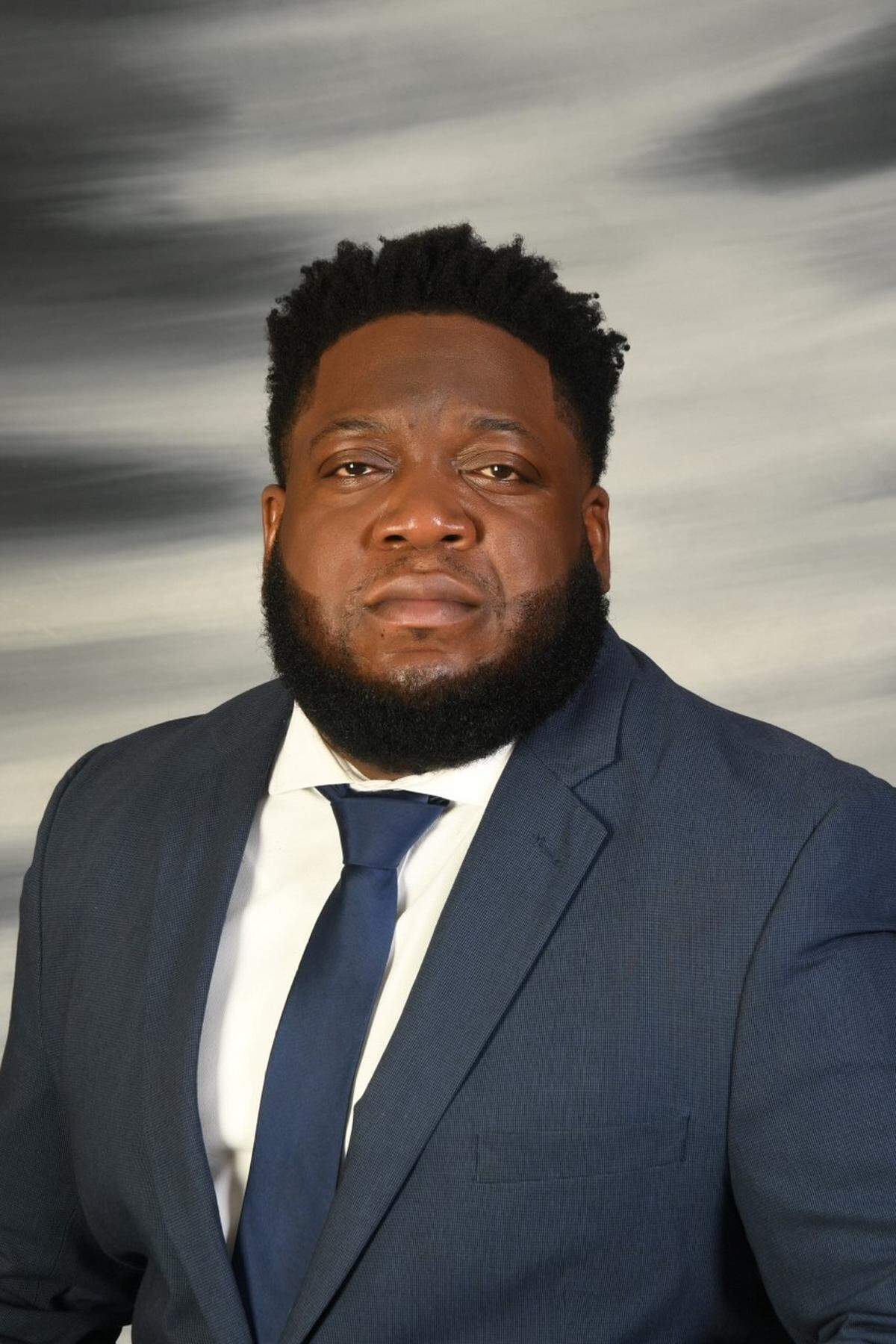
Steadman Stahl, the president of the Miami-Dade Police Benevolent Association that represents North Miami officers, said it’s “terrible” to furlough any first responders.
“When you’re in a war, you don’t start furloughing soldiers,” he said.
Furloughs of cops and other city workers have already sparked controversy elsewhere in South Florida. The city of Miramar in Broward County announced a week ago that it would furlough all of its approximately 1,000 full-time employees — including police officers — one day per week. But in the face of public outcry, Miramar’s city manager said Tuesday that he was “exploring alternatives.”
Scott Galvin, the longest-tenured councilman in North Miami, recalled that during the Great Recession, the city implemented a four-day workweek for almost two years in an effort to cut costs.
Today, he said, it’s not yet clear how much revenue the city stands to lose due to decreased property values and other lost tax revenues that will stem from the pandemic. But he said furloughs, which don’t require council approval, could be prudent if they prevent layoffs down the road.
“We want everyone to maintain their jobs,” Galvin said. “I think it’s safe to say that we’re gonna have to make some cuts. How big, and where, we’re gonna have to figure out.”
Herald staff writer Charles Rabin contributed to this report.
This story was originally published May 20, 2020 at 12:12 PM.