
How a divisive stadium turned a community into a city and World Cup host
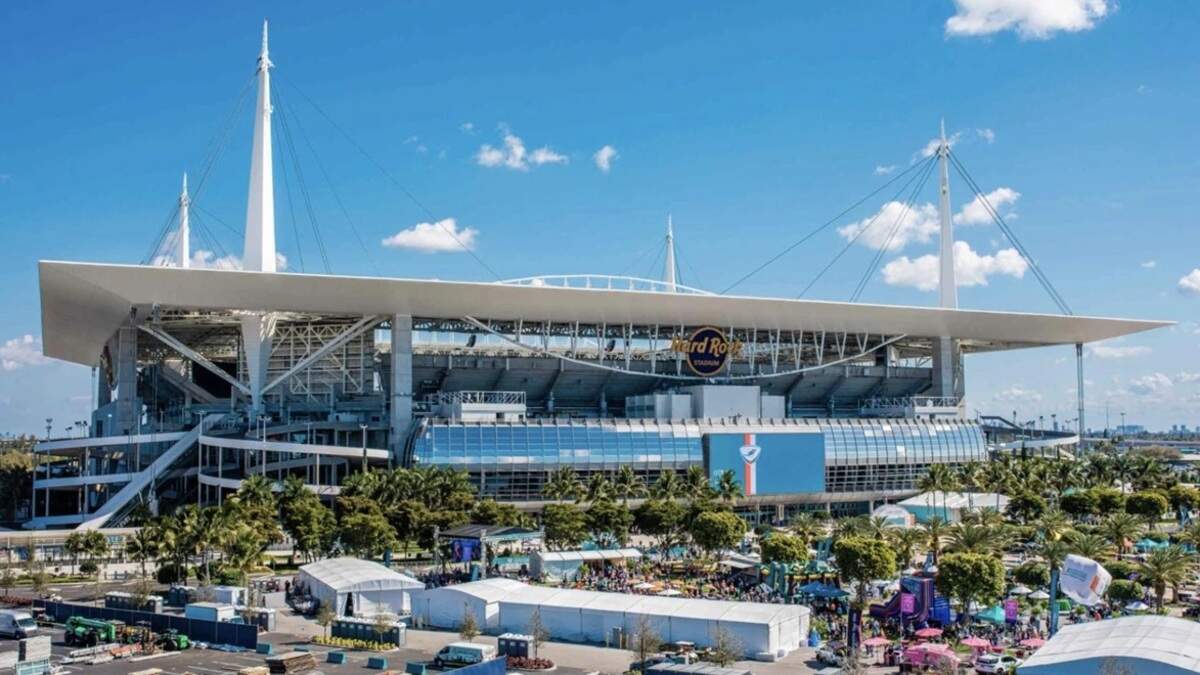
For hundreds of millions of soccer fans from across the world, seven FIFA World Cup games will be held in Miami — a name that invokes images of beaches, nightclubs and Latin culture.
Hard Rock Stadium, the venue for the matches, will even be renamed Miami Stadium for the duration of the iconic tournament.
But locals know the truth: the matches aren’t really in Miami proper, they’re in Miami Gardens — a predominantly Black community with its own important history far removed from Biscayne Bay.
The confluence of global competitive sports at the stadium during the past few decades has turned the once-sleepy suburb into a tourism powerhouse that’s trying to increase its brand recognition.
“Even though they may say that they’re in Miami, they’ve gotten better at saying they’re in Miami Gardens,” said Miami Gardens Mayor Rodney Harris.
The contentious arrival of the venue was one of the catalysts in turning a neighborhood into a city that’s still expanding.
Miami Gardens is a relatively young municipality in Miami-Dade County, incorporated only in 2003. Before then, the area was mostly farmland and suburbia known to locals as Carol City, though it was an unincorporated neighborhood controlled by the county. Such renowned cultural icons such as rappers Flo Rida and Rick Ross call the neighborhood their home.
The community came together and chartered the city after years of feeling underrepresented — an issue typified by the construction of a football stadium despite an outcry from residents.
In 1985, residents got wind that then-Dolphins football team owner Joe Robbie wanted to build a stadium in their backyard because the area was largely underdeveloped. The locals were not formally informed or even asked if they wanted to have the stadium so near to their homes — and they felt they were ignored because it was a predominantly Black community.
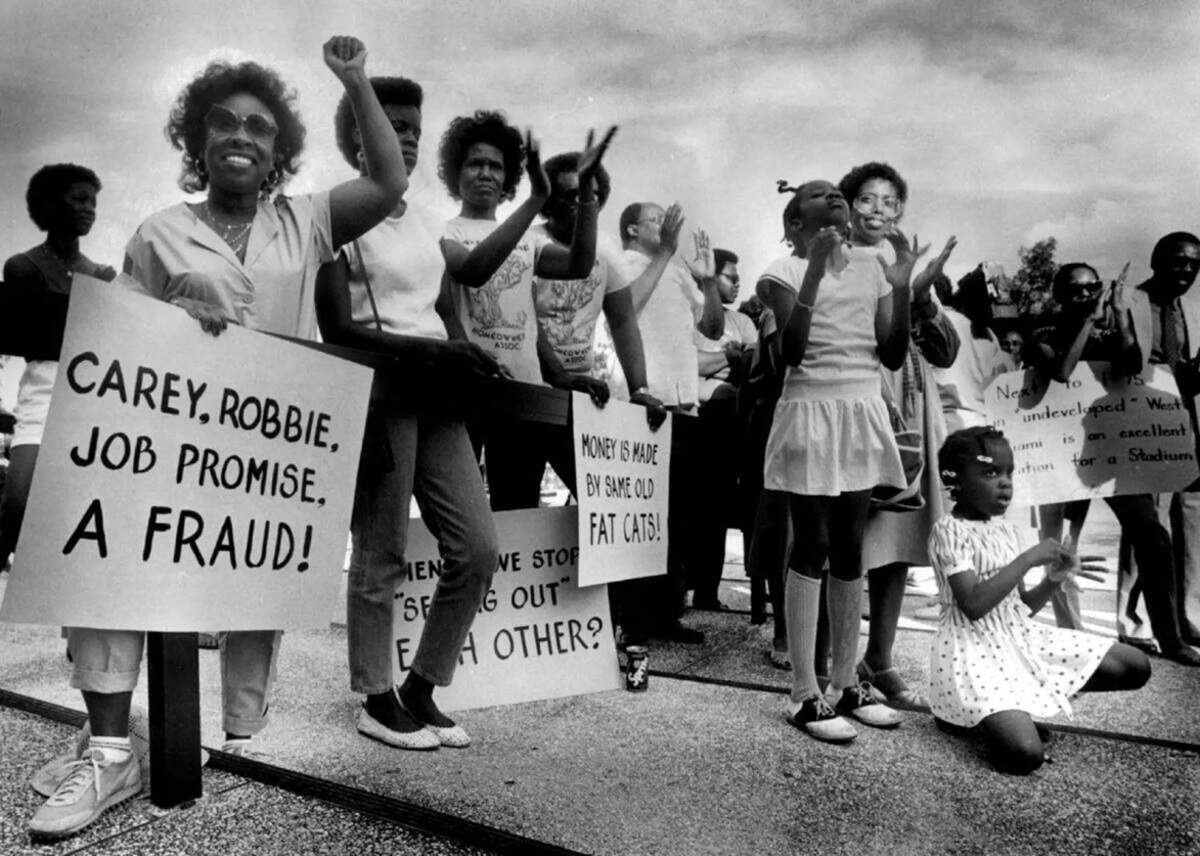
The stadium would ultimately be built in 1987 as Joe Robbie Stadium, home to the Miami Dolphins, setting off years of activism and calls for self-determination from Carol City residents.
Miami Gardens would go on to become one of Florida’s largest majority-Black cities, with a city council made up entirely of Black elected officials.
The city’s founding mayor was Shirley Gibson, a Black activist who helped to push for incorporation. She died in 2023 at age 79.
Gale Nelson, elder and minister of Miami Gardens Church of Christ, told WLRN he knew Gibson and sees the events of today as a continuation of her legacy.
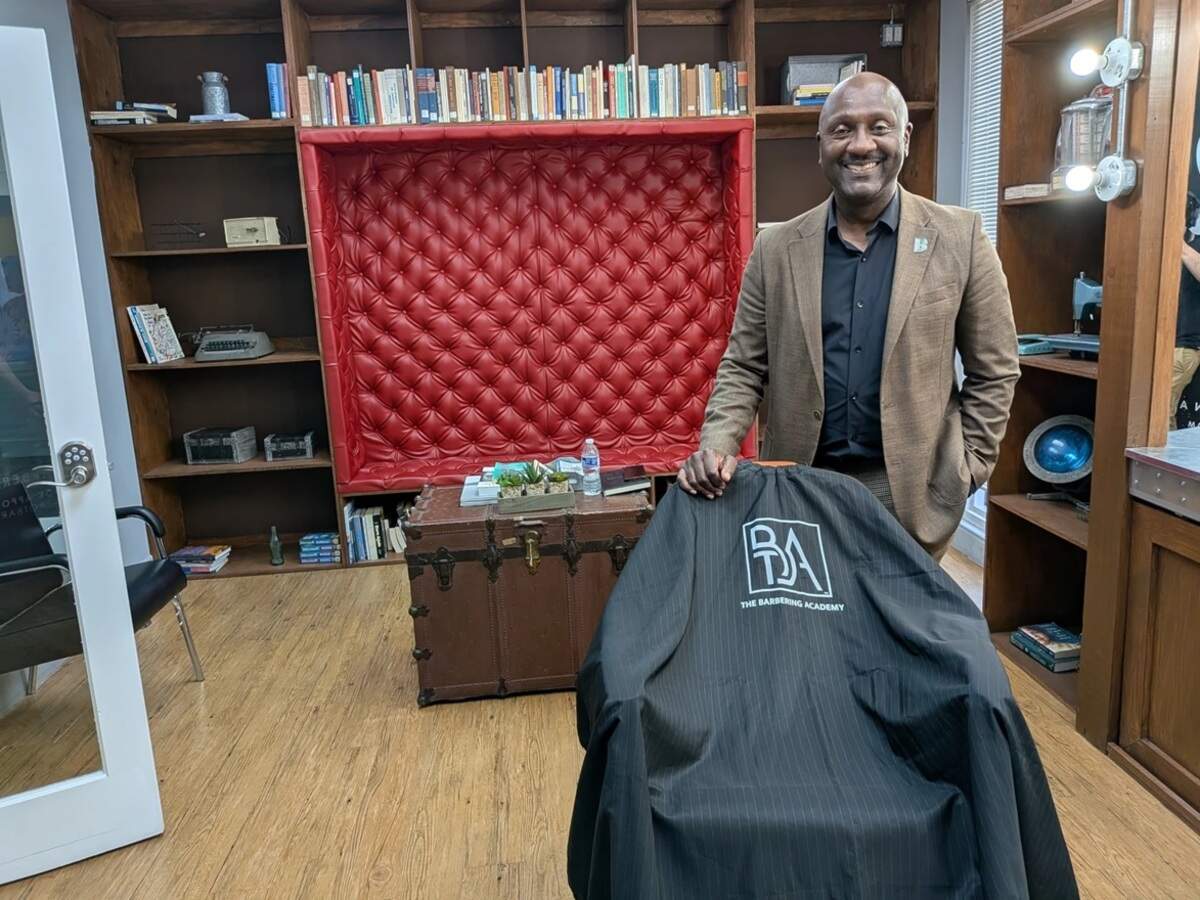
“ Seeing where we are now, is seeing her vision come to reality,” Nelson said.
Nelson also serves as president and CEO of Big Brothers Big Sisters of Miami, an organization that mentors children and helps them develop skills for future employment. Nelson says the stadium and events like the World Cup offer a chance for the youth of Miami Gardens to capitalize on the buzz.
“There’s a lot more opportunity now through corporate development. The sporting events are one thing as well, but getting these kids exposed to the business side of the city will be a great opportunity for us,” Nelson told WLRN.
Business development
In the shadow of the imposing Hard Rock Stadium on an April afternoon, Ruthie Bodie sits at her laptop in the business that she co-owns with her husband, Lorna’s Caribbean and American Grill.
“A lot of events bring the crowd over here. So whatever is going on at that stadium, we are going to get slammed,” Bodie told WLRN.
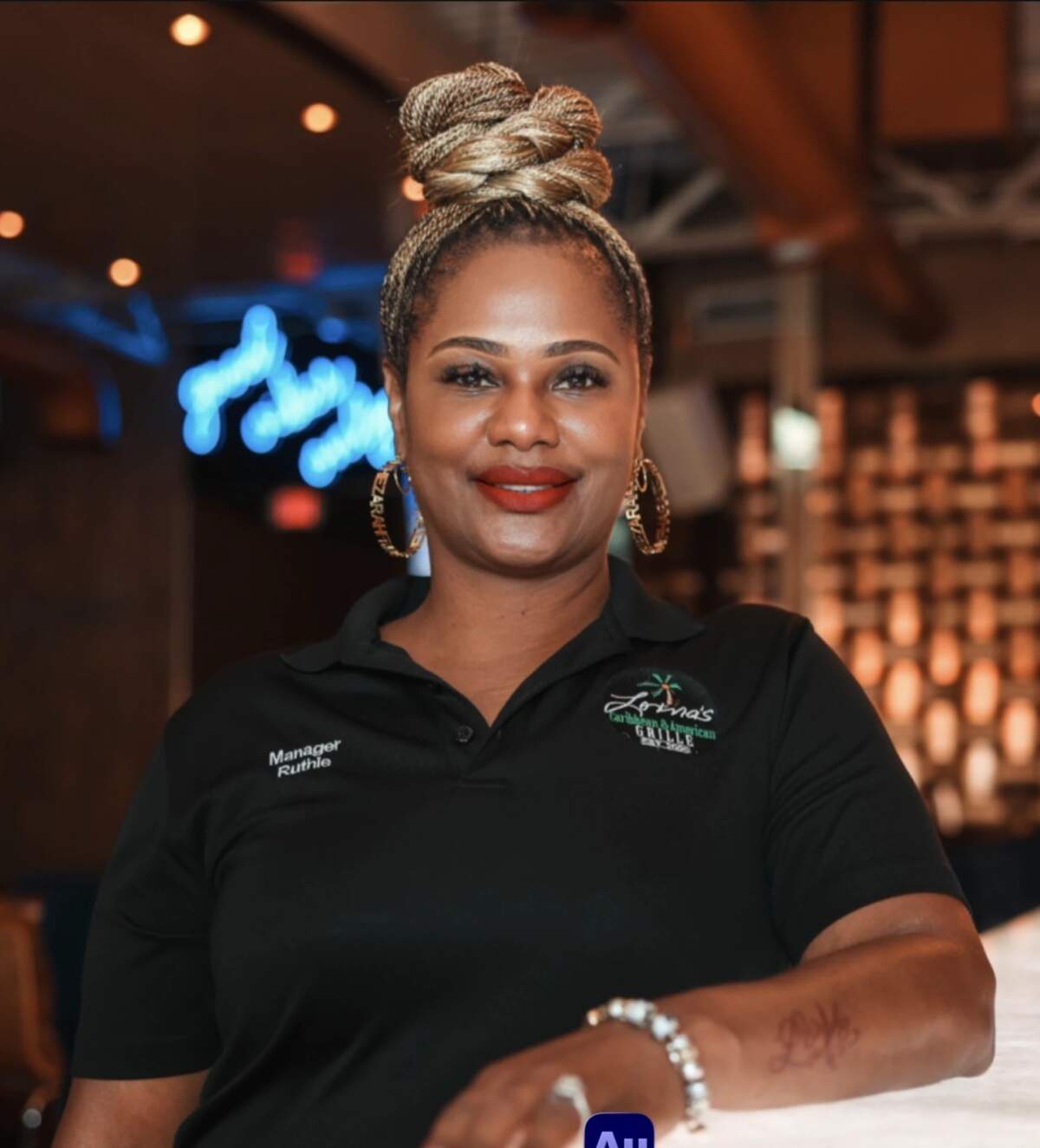
Bodie and her husband opened the restaurant in 2019. In the seven years since, the city has hosted a Super Bowl, Formula 1 races and Miami Open tennis tournaments — and soon, seven soccer matches in the FIFA World Cup.
READ MORE: Will the World Cup bring its promised big payoff for South Florida?
For business owners, this means a major increase of foot traffic and revenue. But she says the influx of sports tourism hasn’t killed the community’s identity among its native residents.
“ A lot of people, the originals, they still like to identify it as Carol City. They’re very proud of where they’re from. As a matter of fact, you got some people coming back and wanna rebuild the community,” Bodie said.
Mayor Harris, only the third in the young city’s history, sees himself as the one to follow through on the dreams that Gibson laid out and ex-Mayor Oliver Gilbert got started.
“ My job, in my opinion, was to ensure that we cultivated those possibilities and made this a reality,” Harris told WLRN in an interview. “Miami Gardens is just a thriving place right now. Businesses are coming here and a lot of residents want to come here.”
The stadium is now a point of pride and opportunity — increased traffic congestion on game days notwithstanding — Harris asserts.
“The Hard Rock Stadium has been a great business partner with us, as well as a great taxpayer for us,” he said.
For many years, when Dolphins games and other large sporting events were held at Hard Rock Stadium, advertisers and broadcasters would simply say the event was in Miami.
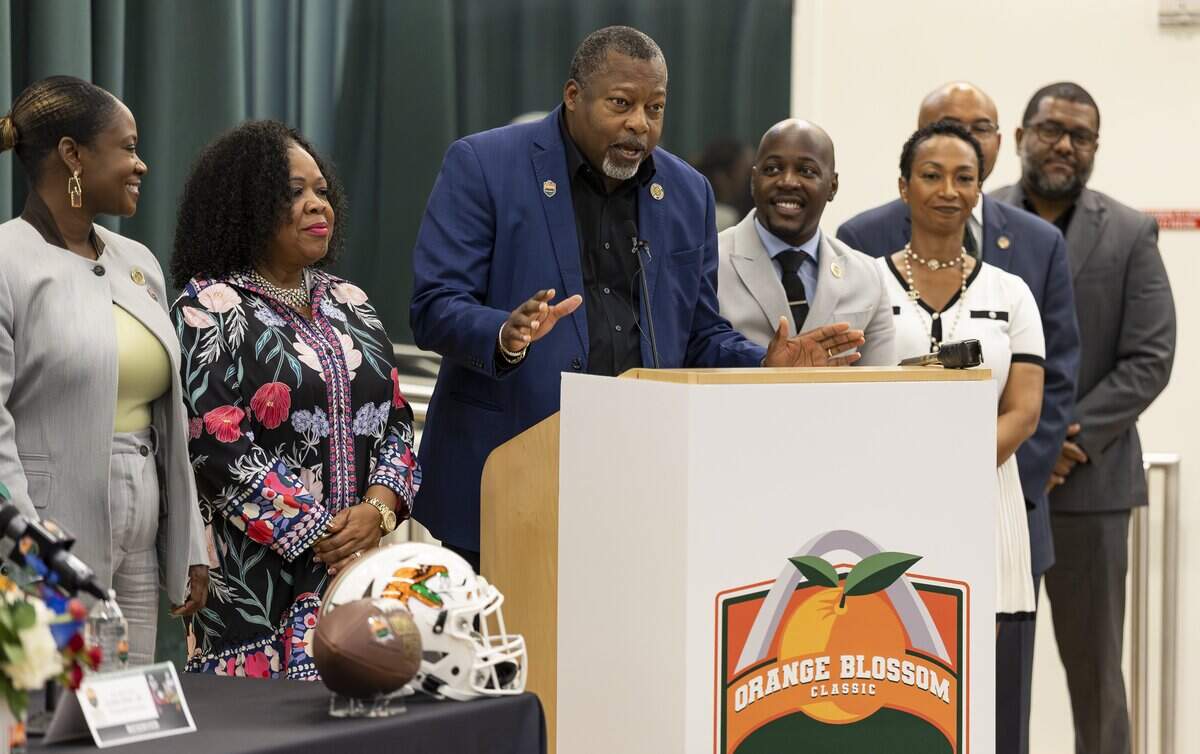
But through a campaign from Miami Gardens City Hall, Harris said more people are recognizing the true name of the stadium’s home.
“It gives us an opportunity to have really free press and really to have an opportunity to sell ourselves,” he said.
At this summer’s World Cup, the seven matches at Hard Rock Stadium are predicted to generate more than $650 million in direct economic activity. That will come primarily through hotel stays, restaurants and retail spending, according to Oxford Economic’s Tourism Economics Event Impact Calculator.
At least some of that revenue is expected to come through Miami Gardens’ restaurants and businesses. Mayor Harris said the city is working to approve new hotels in Miami Gardens to capture more of that tourism revenue for future events.
Sign up for WLRN’s Soccer Edition newsletter for World Cup stories — beyond the scores.
This report was produced by Miami Herald news partner WLRN Public Media.