
A key early test of Florida’s self-defense law finally ends with guilty plea
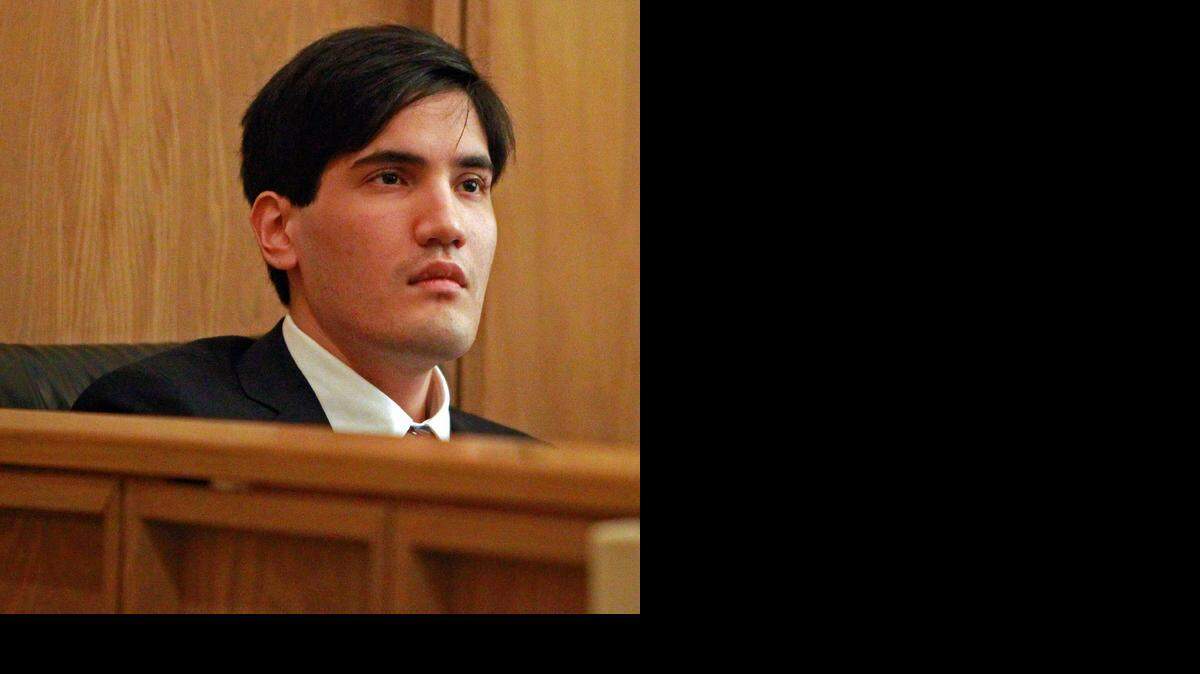
A man whose self-defense claim in a Miami Beach murder case helped sharpen Florida’s controversial Stand Your Ground law pleaded guilty Friday to manslaughter.
Nadim Yaqubie, 26, who has a history of mental troubles, was put on five years of house arrest to be served at his parent’s home in upstate Long Island, N.Y. He’ll be supervised by an electronic ankle monitor.
Overall, he’ll serve 10 years of probation and must continue to receive mental-health treatment.
Back in 2008, Yaqubie had been visiting South Beach as a tourist but was not old enough to enter the nightclubs. He got into a argument with a homeless man, Roberto Camacho, after buying the man’s ID from a group of men on the street.
Camacho, who was unarmed, demanded his ID back and chased Yaquibe into an alley. Yaqubie, then 19, drew a Cutco knife with a seven-inch blade and fatally stabbed him. Yaqubie said the man was swinging a heavy bag at him and he believe Camacho to be armed.
Yaqubie was originally charged with second-degree murder.
Florida’s 2005 controversial Stand Your Ground law allowed “immunity” for someone deemed to have used deadly force in self-defense. But the vague law was unclear as to whether a judge or a jury should be the one to declare immunity.
A Miami-Dade judge ruled that jurors should be the ones to bestow immunity. But higher Florida courts decided otherwise, saying the task should lie with judges.
The case set legal broad precedent. Since then, judges in Miami-Dade have granted immunity to at least five men in separate murder cases, some in controversial killings of unarmed people.
However, the same Miami-Dade judge refused to grant Yaqubie immunity. His case lingered for years as he battled mental health issues – he spent 20 months in a state psychiatric hospital.
During an emotionally intense court hearing on Friday, Camacho’s relatives embraced Yaqubie’s family as the defendant broke down crying as he recalled his struggles at the psychiatric hospital. Camacho’s family, wanting Yaqubie to get help treatment, blessed the plea deal.
“I’ve only been practicing law 45 years and it was the most moving court proceeding I’ve ever been a part of,” said his defense attorney, Mel Black.
This story was originally published January 30, 2015 at 6:45 PM with the headline "A key early test of Florida’s self-defense law finally ends with guilty plea."