City says Fontainebleau still needs board approval for water park, despite new law
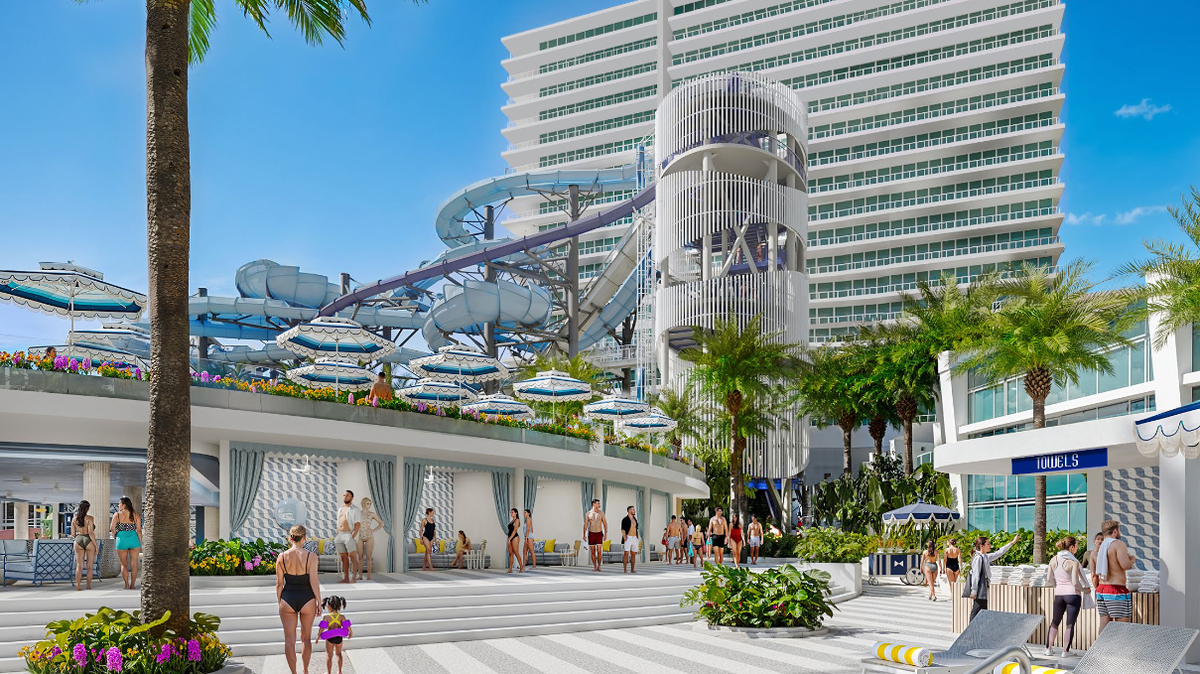
When the Fontainebleau Hotel faced a skeptical city board and a wave of community opposition to a plan to add water slides to its pool deck, the hotel’s billionaire owner pushed successfully for a change to state law to move the project forward.
But while the bill signed by Gov. Ron DeSantis in late March removed some red tape, the city of Miami Beach is maintaining that the Fontainebleau still needs approval from the local Historic Preservation Board — the exact type of roadblock the hotel was trying to circumvent.
In response to a building permit application filed by the hotel’s development team, city planning staff said earlier this month that the Fontainebleau must first get a “certificate of appropriateness” from the Historic Preservation Board.
The Fontainebleau disagrees, according to multiple people who participated in an April 21 meeting that included Fontainebleau owner Jeffrey Soffer, leaders from the Mid Beach Neighborhood Association and Miami Beach Mayor Steven Meiner.
Still, the hotel is trying to stay above the fray. A spokesperson for Fontainebleau Development would not directly address the dispute with the city in response to questions from the Miami Herald, instead saying in a statement that the meeting was “productive” and that “we appreciate the Mayor and the community’s continued collaboration and support.”
“We share a commitment to keeping the community at the center of our planning as we reimagine our outdoor amenity spaces. We look forward to continuing the conversation, including our next scheduled meeting with MBNA, as the project moves ahead,” the statement said.
“Fontainebleau remains committed to working closely with the city to ensure the project and its approvals are fully aligned with state law, and we look forward to continued collaboration as the process moves ahead.”
The new state law, which the Fontainebleau lobbied for, says local governments can’t require board approval for a “special exception” or “variance” related to the partial redevelopment of a “large destination resort.” Instead, the legislation says, only administrative approval by city staff can be required.
The Fontainebleau had requested several variances from the city code for its water slide project. Those no longer need approval from the Historic Preservation Board.
But the city says the Historic Preservation Board should still weigh in on the project’s overall design and decide whether to grant the hotel a certificate of appropriateness, based on compatibility with the surrounding area and other criteria.
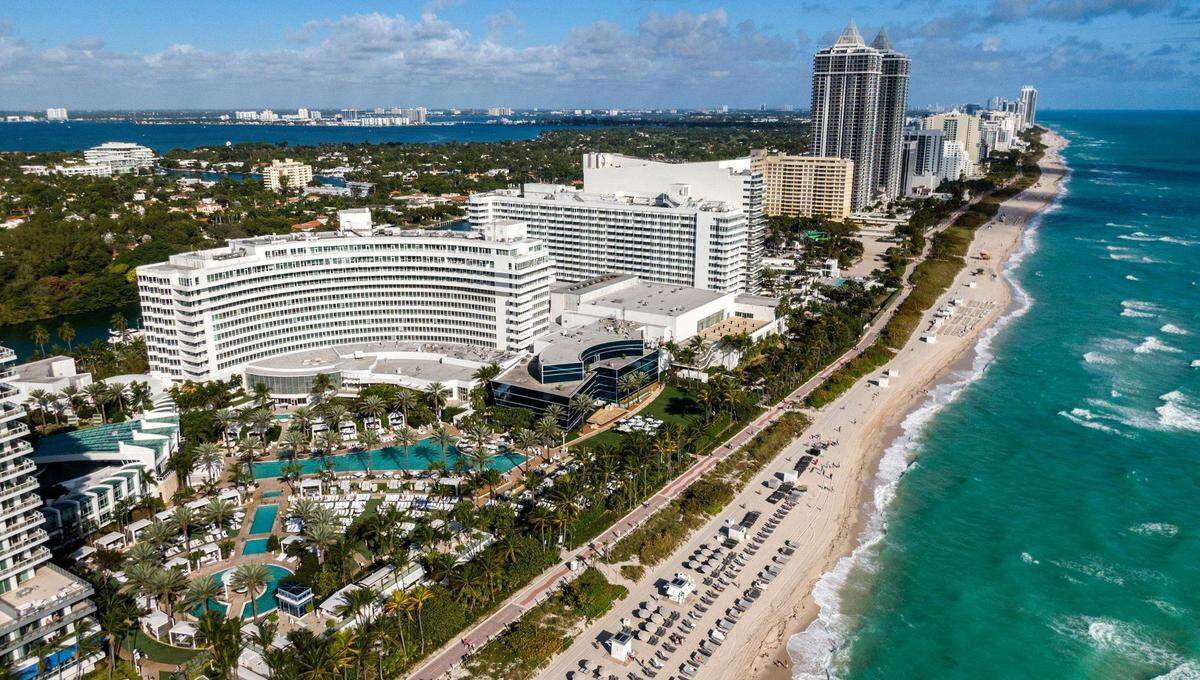
Regardless, the hotel is hoping to soften residents’ opposition.
At the meeting last week, Soffer acknowledged his role in seeking help from Tallahassee but also expressed a willingness to listen to community concerns.
Mid Beach Neighborhood Association President Anamarie Ferreira de Melo told the Herald that Soffer said that he had fought for the changes in Tallahassee because he felt compelled to do “everything he can to protect his asset and protect his project.” At the same time, Soffer said he wants to be “a good neighbor” and “a partner in helping us secure additional resources for the community,” Ferreira de Melo said.

While the hotel has no obligation to heed the neighbors’ demands, residents are hopeful that the Fontainebleau will limit the height of its new water slides. The hotel had originally proposed a structure reaching 131 feet, then revised its designs to top out at 99 feet, according to a February presentation.
The Fontainebleau submitted a new building permit application more recently, though the details have not been made public. The city has denied public records requests for the application, citing a state exemption related to hotel development plans.

The Fontainebleau’s plan to install numerous water slides and overhaul its pool deck area has sparked massive backlash from residents, who have cited concerns about the height of the proposed slides, changes to the Fontainebleau’s historic character and added traffic from visitors.
In February, opponents packed the City Hall chambers ahead of a planned Historic Preservation Board meeting, which was ultimately deferred at the Fontainebleau’s request after one of the board members didn’t show up.
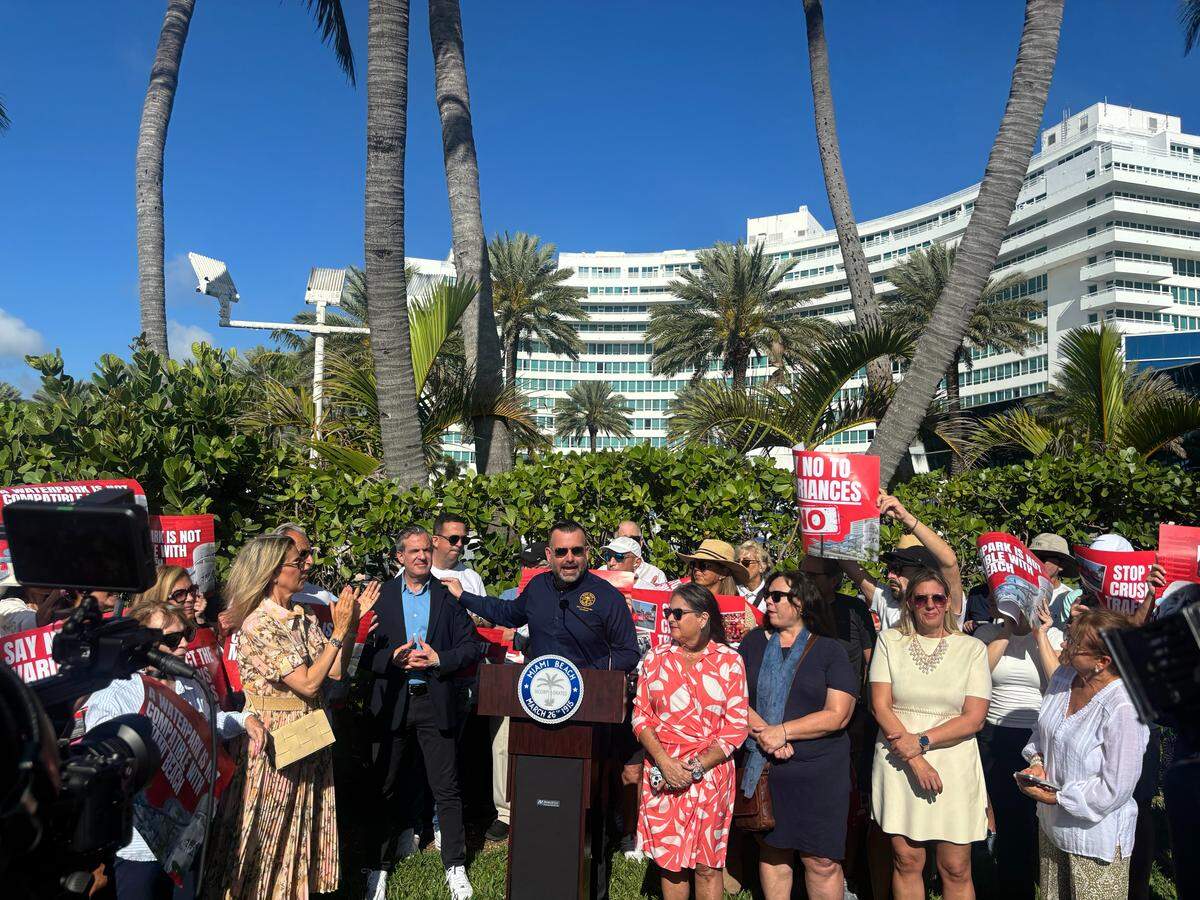
Last month, after the state legislation was passed, the Miami Beach City Commission voted to consider challenging the law in court, though no lawsuit has been filed.
At the same commission meeting, officials urged the Fontainebleau to meet with the neighborhood association and voted to have Meiner, the mayor, act as the city’s representative in the discussions.
“I am disappointed that our zoning laws were preempted,” Meiner said at the time. “We should be making the decisions, and it’s increasingly being taken out of our hands.”
Representatives of the Mid Beach Neighborhood Association and the Fontainebleau plan to meet again May 5 to discuss the association’s recommendations for the project, Ferreira de Melo said.
“We’re hopeful that, through these conversations, we can come to a reasonable design,” she said.