Miami Beach may allow developers to plant more palm trees. That could mean less shade
The city of Miami Beach has pursued a plan in recent years to add canopy trees while making palm trees less of a priority, as officials seek to counteract the effects of climate change and bring more shade to the city.
But the city’s elected officials are now pushing back on parts of that approach, going against the wishes of environmental advocates and the city’s own staff.
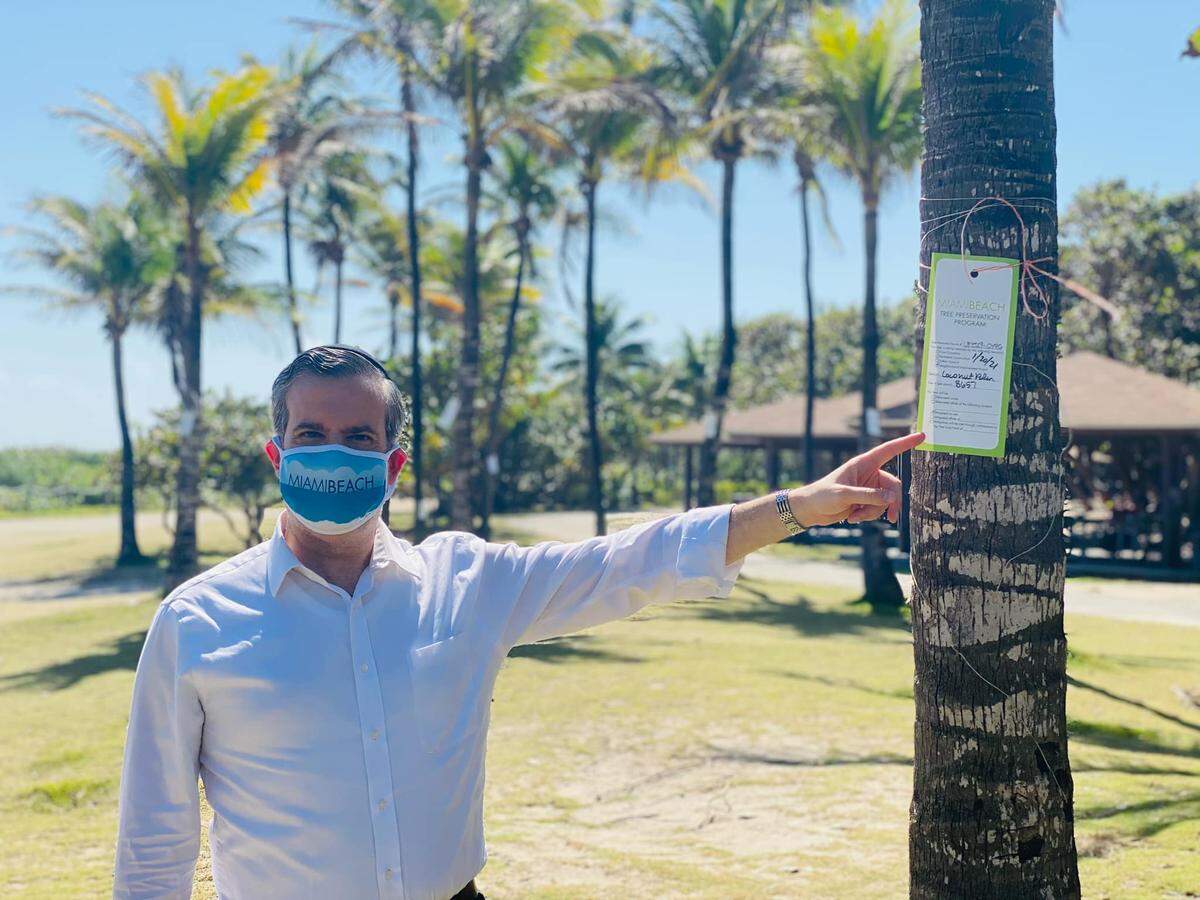
This month, the City Commission gave initial approval to a proposal that would allow developers to plant palm trees around new construction instead of larger trees that provide more shade.
Under the proposal championed by Mayor Steven Meiner, two palm trees could be planted instead of one canopy tree. Meiner had originally proposed allowing a one-to-one ratio of palms to canopy trees.
“The city is adding many, many shade trees. It’s great, love it,” Meiner said at a Dec. 11 meeting. “But not at the expense ... of palm trees.”
The current law, which says palms don’t count toward minimum street tree requirements under city code, “takes away property rights of the owners” and removes their “autonomy to build as they wish,” Meiner added.
The item is set for a final vote in February.
Environmental advocates say they fear the commission’s proposals could impede progress toward creating a cooler, more shaded Miami Beach.
“Two palms does not a large tree make, in terms of ecological benefits,” said Christopher Baraloto, director of Florida International University’s International Center for Tropical Botany.
Palm trees offer far less shade, Baraloto said, and their smaller root system means they soak up less of the floodwaters already threatening to overwhelm Miami Beach streets and homes.
Plus, palm trees require significantly more fertilizer than a hardwood tree, like an oak or a gumbo limbo, creating a risk of runoff into Biscayne Bay when it rains. Palms also need to be trimmed more often to prevent fronds from clogging up sidewalks and yards.
Still, Meiner has been sounding the alarm about the removal of palm trees for several years, saying they are an iconic part of Miami Beach’s image. In addition to his proposal on allowing palm trees to line the streets, he has introduced legislation to make it easier to replace existing palms with new ones — which passed an initial vote — and to allow certain palms to be designated as “heritage” trees and protect them from removal.
The city’s requirements for street trees apply to new construction, substantial renovations of private property and plans initiated by the city, according to city spokesperson Melissa Berthier. Any requests to remove existing trees from the public right of way are subject to city review.
The city administration has said its approach to expanding the tree canopy is to plant new shade trees while only removing existing palms during active city projects. Officials say that, from 2018 to 2021, the city saw a net increase of 1,750 palms and 5,700 canopy trees.
“By planting more canopy trees, we reduce the overall percentage of palms without needing the removal of existing palms,” a city fact sheet notes.
READ MORE: Due to climate change, Miami Beach moving away from palm trees to create more shade
Meiner’s item passed unanimously in the initial vote this month, despite city staff advising against it.
Amy Knowles, the city’s chief resiliency officer, told commissioners at a meeting in June that the proposal “goes against our canopy goals to increase shade.”
“Palms as street trees offer less shade for pedestrians and less environmental benefits in comparison to canopy trees that are native and Florida-friendly canopy trees,” City Manager Eric Carpenter said in a memo ahead of the December commission meeting.
The memo acknowledges that palms have “historically played an important role in landscape design in the City and are emblematic of the City’s image and brand” but says “the need for increased canopy in the City is significant.”
As of 2020, Miami Beach’s citywide canopy cover was around 18%, according to Miami-Dade County figures. That was an improvement from about 12% four years earlier but still in the middle of the pack for the county — 17th out of 34 municipalities.
The city’s goal is to hit 22% by 2040. As part of an urban forestry master plan, city officials are also working to reduce the concentration of palm trees to 25% of the total canopy by 2050, down from nearly 60% in 2020.
READ MORE: Miami-Dade County’s urban tree project unable to shade residents from record heat
Sandy Moise, policy director at Urban Paradise Guild, a Miami-based organization that advocates for nature-based solutions to climate change, said broad, leafy trees provide shade that skinny palms simply cannot.
That becomes more critical as temperatures rise, she said. Last year was the hottest year on record. On a sunny August day, beach sand reached 137 degrees Fahrenheit in Miami Beach.
“Who’s gonna wanna come to a tourist attraction where you can’t enjoy the outdoors because it’s too hot?” Moise said. “And who’s going to want to live in that?”
This story was originally published December 19, 2024 at 3:16 PM.