Miami Beach can regulate Art Week parties, judge says. Will wealthy homeowners listen?
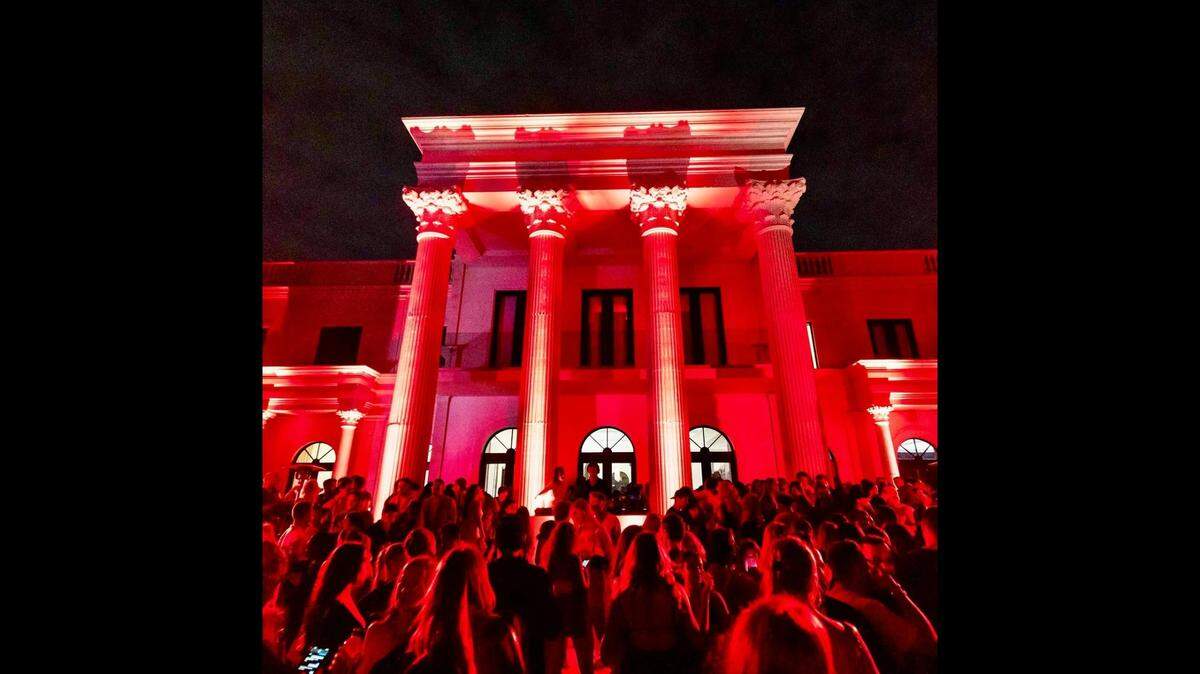
A federal judge sided with the city of Miami Beach on Tuesday in its efforts to regulate large-scale house parties during Art Week.
The plaintiffs, celebrity plastic surgeon Leonard Hochstein and two other wealthy homeowners who reside on some of the city’s most exclusive islands, will still be allowed to throw parties that feature performances by DJs and musical artists like Ludacris.
But the events must be scaled back — and officials could shut them down or even make arrests if the city’s rules aren’t followed.
In his ruling, U.S. District Judge K. Michael Moore said the city was within its rights to require special event permits for the types of parties that have previously elicited complaints from neighbors about noise and traffic bottlenecks into the early morning hours.
“The City’s ability to mitigate chaos, along with the strain on the City’s resources these parties cause, significantly outweigh Plaintiffs’ interests in throwing their lavish parties, particularly given the City is allowing the parties to proceed (with restrictions),” Moore wrote.
Miami Beach Vice Mayor Alex Fernandez, who proposed the new permit requirements, told the Miami Herald that Moore’s ruling proves “rich and famous people aren’t above the law and don’t have the right to intrude on everyone else’s peaceful and safe enjoyment of their home.”
Fernandez said he expects the city’s code compliance, parking, fire and police departments to ensure the conditions of the permits are “strictly upheld” during the parties this weekend.
“This is essential to protecting public safety and preserving the quality of life in our residential neighborhoods,” Fernandez said.
One plaintiff, Farmasi CEO Sinan Tuna, dropped his lawsuit Monday after agreeing to the city’s terms to allow him to throw a birthday bash Thursday at his $15 million Hibiscus Island mansion. Last year, the event was attended by celebrities like Leonardo DiCaprio and Travis Scott.
Tuna has agreed to limit the number of attendees to 200, end the party at midnight and display fireworks at 9:30 p.m. instead of midnight, according to permit documents.
City officials were also working to finalize a permit for Hochstein, who has agreed to cap his Star Island soiree featuring Ludacris on Friday to 850 people rather than the originally requested 1,500, court records state.
The third plaintiff, Daniel Vincent Liburdi — who bought a home on Hibiscus Island for $39 million this summer — was in negotiations with the city to limit the number of Art Week parties he hosts (he had originally planned to host three) and to end them around midnight.
An attorney for the homeowners, Richard Wolfe, said his clients were “disappointed” in the judge’s decision but were working to meet the city’s demands.
“My clients are falling back to Plan B to see if they can reach an accommodation with the city to have a limited party to go forward,” Wolfe told the Herald.
READ MORE: Celebrity plastic surgeon sues Miami Beach over crackdown on Art Week house parties
In their Nov. 26 lawsuit, which was filed in Miami-Dade Circuit Court and later moved to federal court by the city, Hochstein, Tuna and Liburdi said they had collectively spent almost $4 million to stage the parties.
They challenged a Nov. 21 resolution by the Miami Beach City Commission that required special event permits for “commercial” events during Art Week on Star, Palm and Hibiscus islands, saying members of the public didn’t have a proper chance to weigh in.
Moore disagreed, ruling that the city had provided sufficient notice that the matter would be discussed.
The homeowners also argued that their events don’t meet the city’s definition of “commercial” because fees aren’t charged for entry.
The city noted in court filings that, after his Art Week party last December, Hochstein was cited for using his single-family home for a commercial purpose and paid a $10,000 fine.
READ MORE: Miami Beach threatens to shut down unpermitted mansion parties during Art Week
In his ruling, Moore shot down the homeowners’ argument that the city’s actions constituted an “illegal taking” without due process.
“Plaintiffs fail to demonstrate how the City’s exercise of its police power to regulate the use of Plaintiffs’ property is an unconstitutional taking,” Moore wrote. “[The fact] that Plaintiffs must apply for an expedited permit, yet may still entertain hundreds of guests into the late hours of the night, is hardly denying Plaintiffs ‘all economically beneficial or productive use of land.’”