Miami Beach proposes more police officers in South Beach in $800 million city budget
Miami Beach officials are proposing increasing law enforcement in South Beach, known for rowdy crowds during spring break and other holidays, in the budget for the upcoming fiscal year that boosts overall spending on city operations.
An $801 million proposed budget that City Manager Alina Hudak presented to elected officials Tuesday includes the permanent hiring of 17 police officers and six code enforcement officers who had been employed last year to patrol South Beach on a short-term basis, as well as the conversion of more than two dozen part-time park rangers to full-time employees.
“Given the volume of visitors and the disorder we must sometimes endure, especially in the Art Deco Cultural District, I think this is money we must spend,” Mayor Dan Gelber said in a budget statement provided to the Miami Herald that will be released later this week.
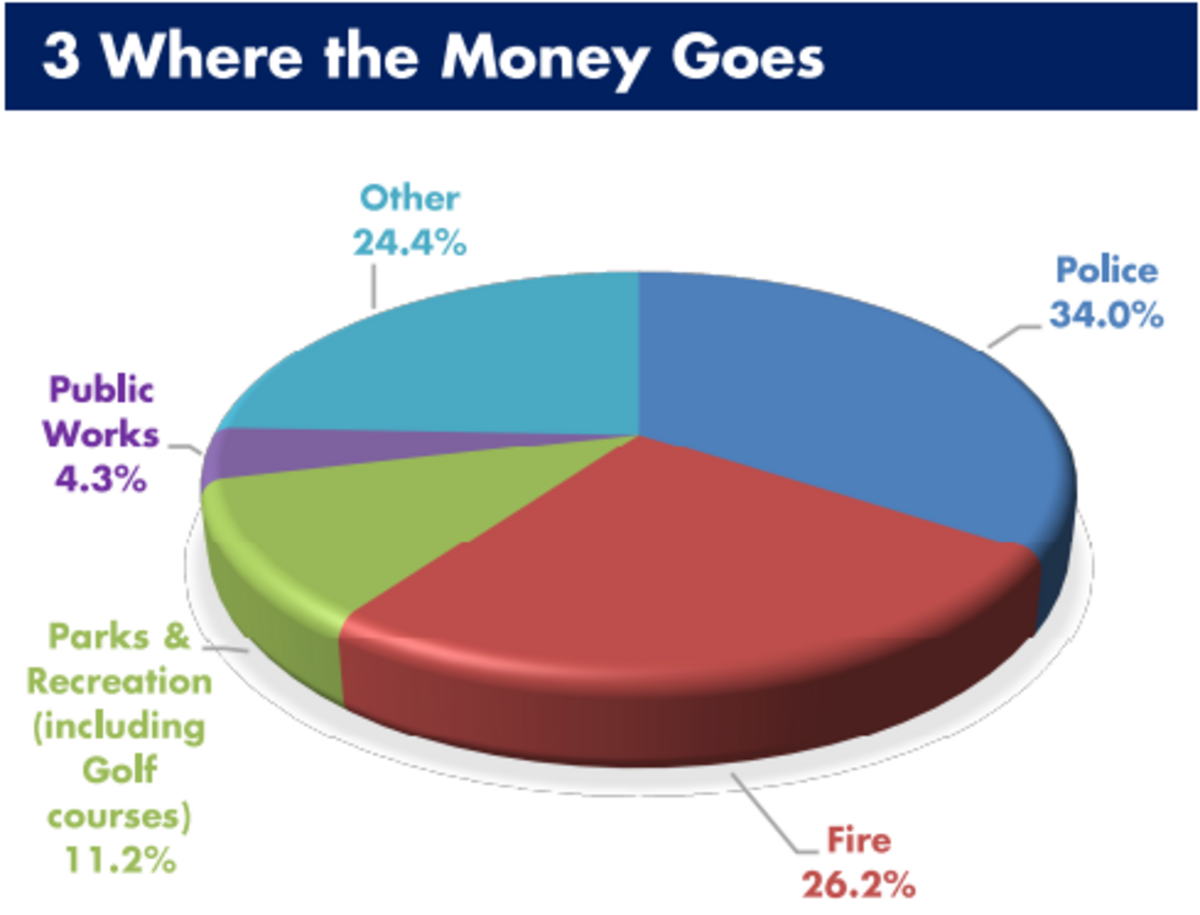
The proposal reflects Miami Beach residents’ concerns about public safety and elected officials’ tough-on-crime approach, increasing the police department’s budget by about 7% to $130 million and giving it 437 officers — the most in its history, according to Gelber.
In addition to making the 17 short-term positions permanent, the proposed budget would add two more officers to patrol South Beach using revenue from a city lease agreement with the Smith and Wollensky restaurant, which voters approved last year.
“This budget can only fairly be described as a public safety budget, in that it includes very significant increases in police, fire, code, park rangers and efforts to combat homelessness,” Gelber said.
After a year in which citywide property values jumped 11% and resort taxes reached record highs, “the City’s current financial position has improved significantly,” Hudak said in her budget presentation.
The City Commission voted in July to maintain the city’s current property tax rate for the coming fiscal year.
The proposed budget includes $732 million for city operations, representing an 8.4% increase from the prior year, and $69 million for capital improvements. The first public hearing on the budget is Sept. 14 with a second hearing and final approval set for Sept. 28. The upcoming budget year begins Oct. 1.
Budget highlights
The proposed budget includes:
▪ $3.2 million for spring break programming in South Beach. Last year, the original budget for spring break programming was $2.4 million, but another $800,000 was added to cover higher-than-anticipated costs — including booking talent for a concert series in Lummus Park and on the beach, city spokesperson Melissa Berthier told the Herald.
▪ $2.4 million for six new citywide trolley cars that officials say will allow for pickups every 20 minutes, rather than the current 30-minute wait times. Before the pandemic, the free trolley service frequency was every 15 minutes, Berthier said, but service stopped during the pandemic and was later reintroduced at 30-minute intervals.
▪ $418,000 for a new Fire Rescue unit with 14 positions. Among the unit’s responsibilities would be operation of a new fire boat to patrol the city’s waterways from a new location in Maurice Gibb Memorial Park. The fire department’s total proposed budget is about $100 million, an increase of 4%.
▪ $364,000 to contract with nonprofit New Hope Corps Inc. to create a “Homeless Outreach after-hours team” to work seven days a week from 7 p.m. to 3 a.m. The budget also calls for New Hope to operate a six-bed treatment facility to provide housing and other services for people with substance abuse and mental health conditions. Police officers assigned to a Homeless Resource Unit would provide support to New Hope staff, Berthier said.
Concerns about capital project funding
Officials painted a less rosy picture in presenting the city’s $69 million capital budget, saying global supply-chain issues since the pandemic have led to higher project costs and delayed timelines.
The city now faces potential funding gaps for “many” of its ongoing projects, including renovations at police headquarters and upgrades to Bayshore Park, according to budget documents.
In response, city officials are allocating surplus money from the budget’s general fund and resort taxes toward capital needs. They are vowing only to fund “critical renewal and replacement projects” and to delay the funding of new projects in the upcoming fiscal year.
“I’m definitely concerned about the amount of funds we have available for capital projects versus the number of projects proposed,” said Commissioner David Richardson, who chairs the city’s Finance and Economic Resiliency Committee.
Many of the city’s capital projects are funded separately through a $439 million general obligation bond program voters approved in 2018, rather than through the city’s budget. Some of those projects have also faced funding shortfalls, Richardson said.
Gelber said he isn’t concerned.
“I think we’re prepared to deal with the backlog of capital projects,” the mayor said, noting that other cities face similar challenges. “This is not a pull-out-your-hair moment at all.”
This story was originally published September 8, 2022 at 12:58 PM.