
Miami Beach wins lawsuit over removal of artwork remembering Black man killed by police
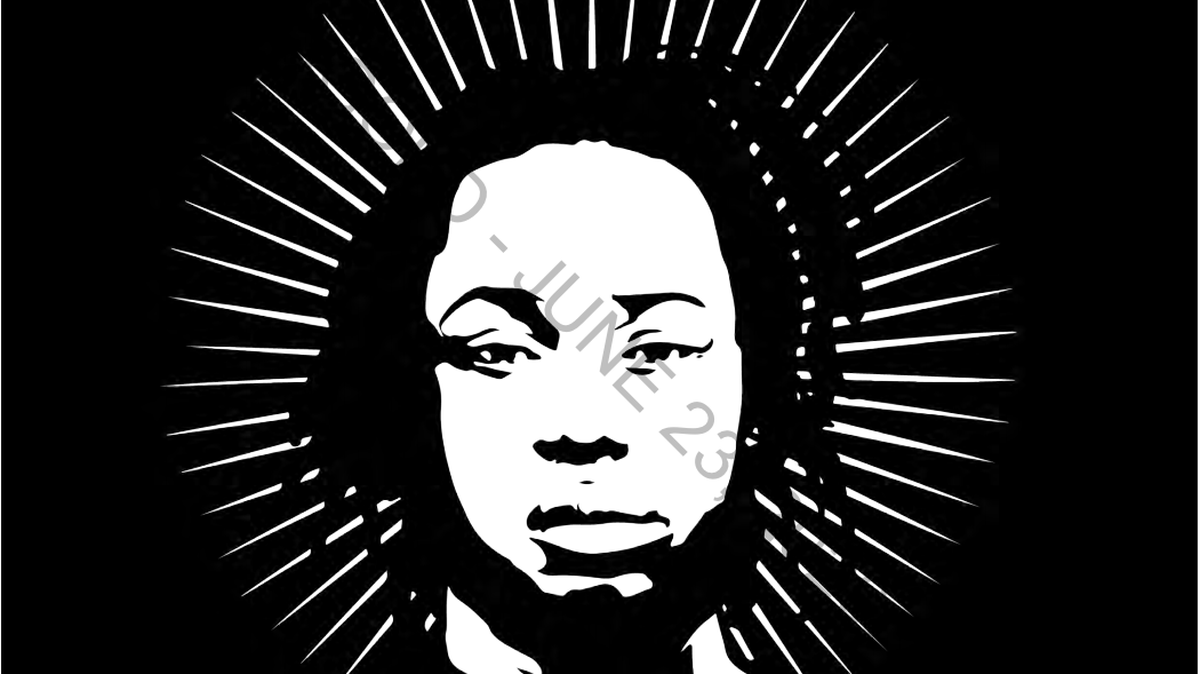
The city of Miami Beach didn’t violate free-speech rights when it removed a portrait of a Black man killed by police from a publicly funded gallery exhibit, a federal judge ruled in a lawsuit filed by a group of artists.
The artists, who helped organize an art fair over Memorial Day weekend in 2019, claimed the city censored them when it ordered the removal of a portrait of 22-year-old Raymond Herisse, who was killed in a high-profile South Beach shooting in 2011.
The city said it removed the portrait of the Boynton Beach resident — who was killed in a hail of 116 bullets that injured four bystanders — because it was “divisive” and “inaccurate.”
U.S. District Judge Marcia Cooke on Tuesday ruled in favor of the city, concluding that the entire art fair — and, by extension, the Herisse portrait — constituted “government speech.” The city and the artists signed a contract that said all of the art installations would be subject to city approval. The city leased the gallery space and paid a total of $85,000 to the artists behind the event.
The four artists and curators who sued the city in 2020 — Jared McGriff, Octavia Yearwood, Naiomy Guerrero and Rodney Jackson — argued in court documents that they did not believe they had given the city authority to vet their “artistic choices” and that they never would have agreed to that if the city demanded that power.
Alan Levine, an attorney representing the artists, said regardless of the court ruling, he believes the city wrongfully censored artistic expression. He said he will discuss the possibility of an appeal with his clients.
“The City of Miami Beach should take little satisfaction in this decision,” Levine said in a statement. “While the court has ruled that the City acted within its legal authority in taking down the portrait of Raymond Herisse — another Black man who was the victim of a police shooting — the fact remains that what the City did was an act of political censorship.”
Of the over 100 shots fired by Miami Beach and Hialeah police, Herisse was struck 16 times. Police said he drove the wrong way on Collins Avenue and hit an officer on a bicycle, nearly crashing into other officers. An autopsy report showed Herisse’s blood-alcohol content level was twice the legal limit to drive. Witnesses said police continued to shoot even after Herisse stopped his car.
The city’s Reframe Miami Beach event aimed to spark conversations about race and inclusion amid longstanding complaints over the city’s handling of Black crowds of tourists visiting South Beach. But the artwork — which depicted Herisse with a halo and featured a caption about the shooting and denouncing racism in policing — was not “consistent” with the city’s goal for the event, the city said in court documents.
Rodney Jackson, the artist behind the vinyl-on-wall “Memorial for Raymond Herisse,” said when he filed his lawsuit that he didn’t understand how the city could remove his work.
“I think South Florida, Miami specifically, is so used to young Black males being criminalized on the evening news that the simple image of a young Black male is criminal,” he said.
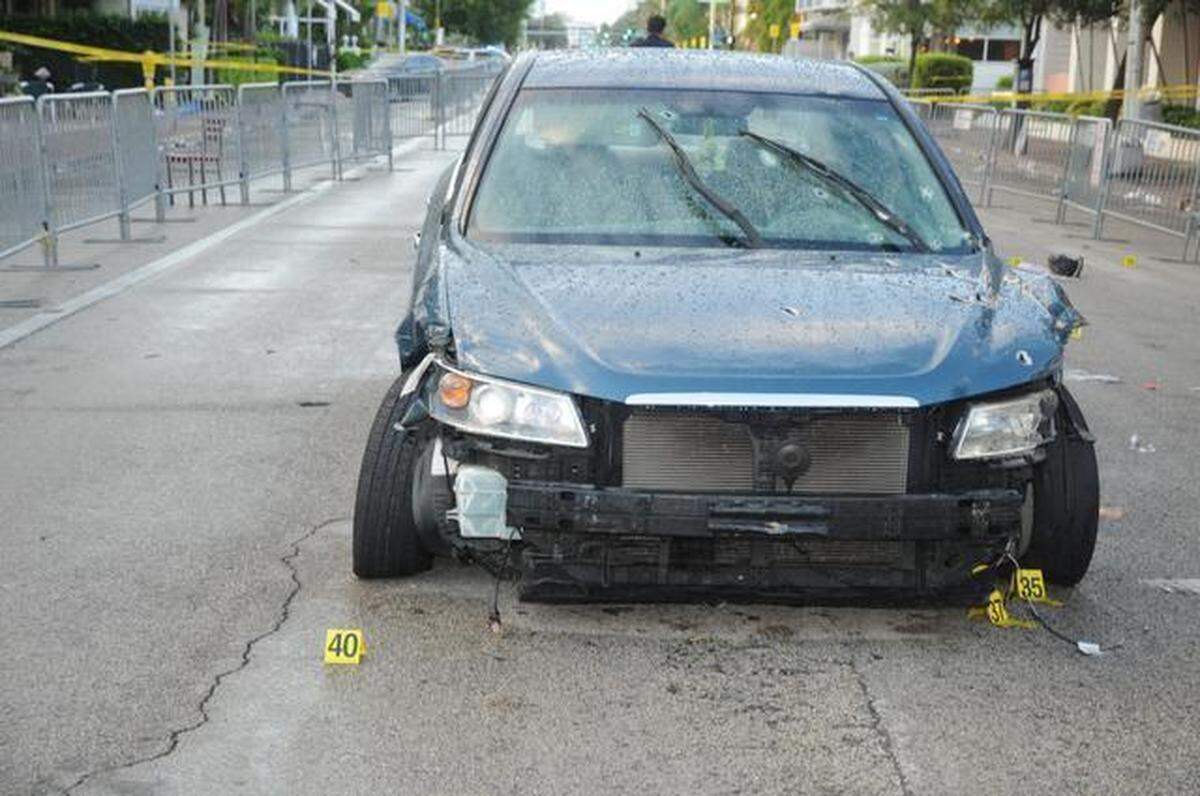
Herisse’s mother, Marcelline Azor, and the bystanders injured in the shooting reached legal settlements with the cities of Miami Beach and Hialeah. No officer was criminally charged in the case, but the shooting led to a policy change that now prohibits officers from shooting into a moving vehicle unless someone inside fires first or displays a weapon.
“They could give me millions and millions of dollars, but there was no justice,” Azor said in 2016. “No one went to prison. No one was punished.”
Miami Herald staff writer C. Isaiah Smalls II contributed to this report
This story was originally published March 30, 2022 at 7:22 PM.
.JPG)