
Ocean Drive has been car-free for nearly 2 years. Miami Beach will reopen street soon
South Beach’s Ocean Drive will reopen to cars in late January, nearly two years after the city closed the street to traffic in the early months of the COVID-19 pandemic to expand outdoor dining and public recreation space.
When the tourist attraction reopens to cars on Jan. 24, there will be one southbound lane on Ocean Drive from Fifth to 13th streets, with a two-way bike lane replacing public parking spaces on the east side of the street. Valet parking and loading areas will be located on the west side. A new, two-block pedestrian plaza will be created between 13th Street and 14th Place. Traffic blockades will divert drivers from entering the South of Fifth neighborhood from Ocean Drive.
The closure of Ocean Drive in May 2020 was well-received by pedestrians and bicyclists, but this year it became the subject of two lawsuits filed against the city by hotel owners who argued it was preventing guests from accessing their properties. Following a raucous spring break last March, city and police officials also raised safety concerns related to large gatherings in the empty street and emergency-vehicle access.
The reconfiguration of the world-famous promenade is meant to be temporary. In the coming months, the City Commission is expected to consider a new vision for the South Beach entertainment district developed by consulting architect Bernard Zyscovich, which includes the possibility of making Ocean Drive completely pedestrian or allowing limited vehicular traffic.
A 2018 general obligation bond program included $20 million for the design and reconstruction of Ocean Drive with limited-to-no vehicular traffic. When a final plan is approved, construction may begin as early as December 2023, according to a September memo from City Manager Alina Hudak.
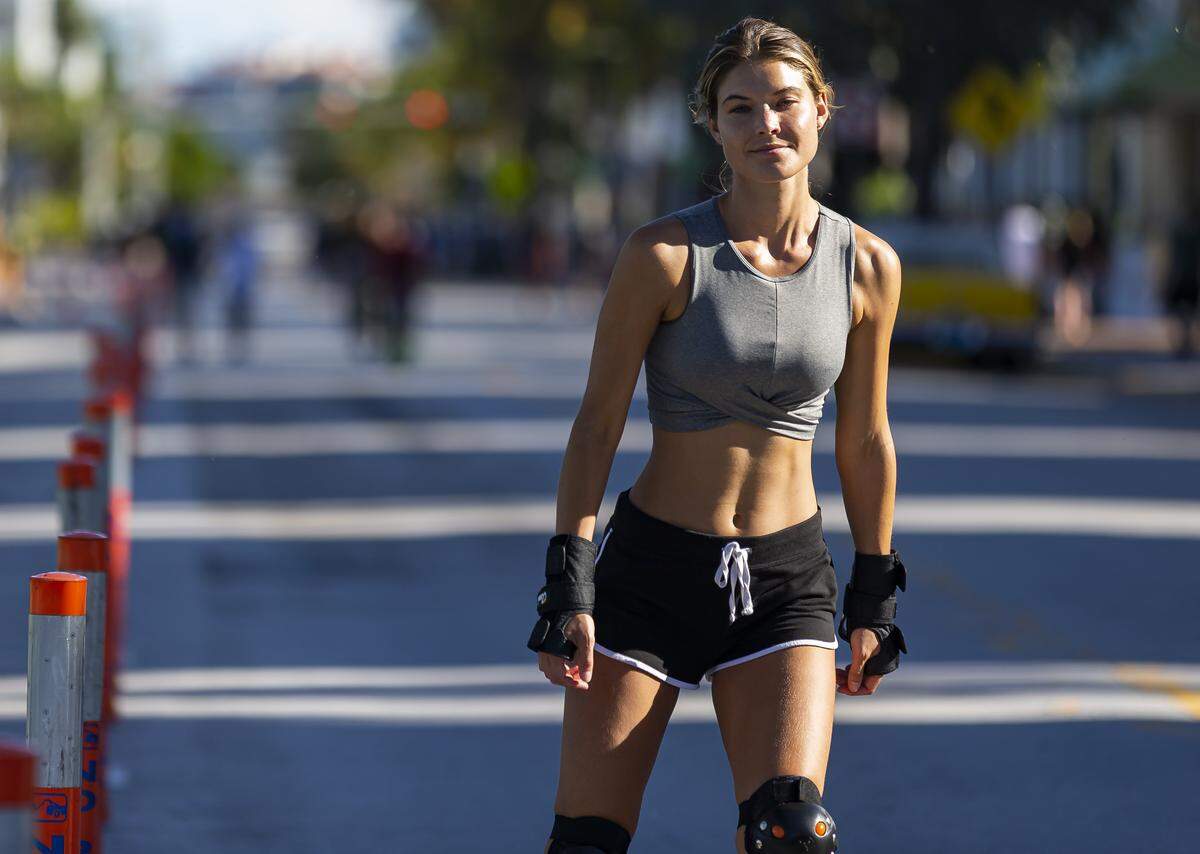
The news that traffic will return to Ocean Drive disappointed bicycle activist and South of Fifth resident Matthew Gultanoff, who has chronicled the push to pedestrianize Ocean Drive since early 2020. He said getting rid of cars turned the road into an extension of Lummus Park, where kids played football or street hockey and pedestrians shared the road with bicyclists, rollerbladers and skateboarders.
Gultanoff said the initiative has been widely popular, and he has conducted informal surveys on Ocean Drive that show as much.
Bringing back cars, he said, would bring back noise and South Beach’s “show-off culture,” where motorists compete to see who can be the loudest or most obnoxious driver.
But he said he is optimistic that the contrast will make people see that a pedestrian-only street is the way of the future on Ocean Drive. And getting a new bicycle lane is a major feat by itself, he added.
“It’s not over. Nothing is ever over,” he said.
Commissioner David Richardson, who joined four other commissioners in October to vote for reopening the street to one lane of traffic, said he will be happy to see cars back on Ocean Drive after seeing how the pedestrian-only configuration led large groups of people to drink and play music on the street. It also limited hotel access for guests, he added.
Richardson said the city’s rush to close Ocean Drive in 2020 was a mistake because there wasn’t a plan for it. Still, he said he supports the long-term goal of making the street more pedestrian-friendly.
“I really do hope that we can close the street as part of the master plan once the construction starts,” he said.
The return of cars to Ocean Drive was originally scheduled to launch Jan. 3, but contractor delays and insurance issues pushed back the painting of the bike lane, Hudak said in a memo Wednesday.
The Clevelander hotel, one of several Ocean Drive businesses involved in lawsuits challenging the road closure, released a statement criticizing the delay.
“We just learned that, amazingly, the city is once again postponing the opening of Ocean Drive to cars,” the statement reads. “As hotel owners whose guests arrive and depart every day with plenty of luggage, it is impossible for us to operate our business without vehicular access.”
Commissioner Mark Samuelian, who voted against bringing cars back to Ocean Drive, had a more positive spin on the delay. He said residents and visitors now have an extra three weeks to enjoy the pedestrian-only experience. Samuelian argues that the pedestrian experiment has been a success for the city and that recently there have been fewer public safety issues amid increased police and code enforcement.
The return of cars also means the return of rental vehicles like three-wheeled slingshots, golf carts and mopeds that are popular among tourists but a constant source of annoyance for some residents who complain of loud music and reckless driving.
“I believe that residents and visitors alike have had an amazing opportunity to enjoy Ocean Drive,” Samuelian said. “I am very troubled by the prospect of vehicles coming back.”
He said with the new traffic configuration on Ocean Drive, and the introduction of a new pedestrian plaza, city leaders and residents will be able to judge for themselves what type of street design works best for the strip.
During the vote to reopen the street in October, Samuelian and Commissioner Ricky Arriola supported a plan to assign a fleet of Freebee shuttles to ferry passengers from street ends to their hotels instead of bringing traffic back onto the street. The Ocean Drive Association, made up of a collection of business owners on the strip, agreed with that plan.
Since the vote to reopen Ocean Drive to cars, two new commissioners have been elected. Samuelian said he would push for the Freebee plan if the new traffic configuration doesn’t work.
“I’m hopeful the new body will carefully look at this,” he said.
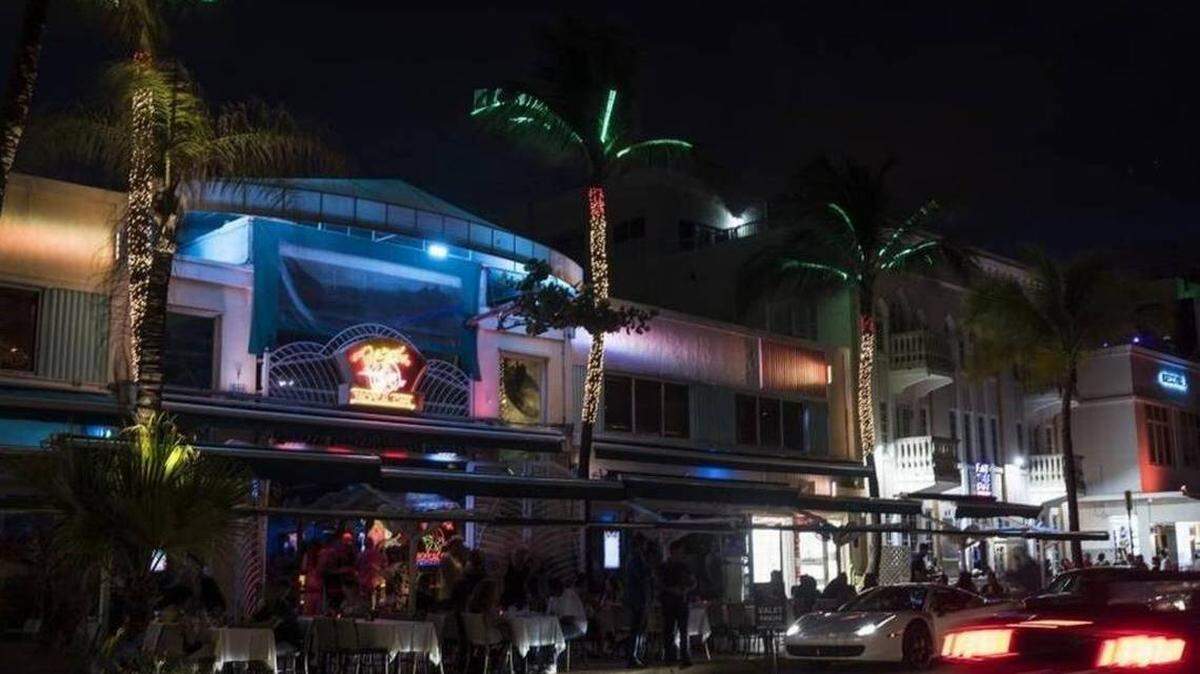
David Wallack, the owner of Mango’s Tropical Cafe on Ocean Drive, said luxury cars — or “car art” as he calls it — are part of the allure of South Beach. When someone sees one parked in valet in front of a fancy restaurant or club, they stop to take a picture. High-end customers are less likely to visit Ocean Drive if they can’t valet their cars out front, he said.
Since the street has been closed, Mango’s and other businesses have set up temporary valet parking on the side streets that lead to Ocean Drive.
Wallack, who is a member of the Ocean Drive Association, said while having a free trolley on Ocean Drive would be nice to shuttle visitors up and down the street, it wouldn’t help those who drive themselves to restaurants or hotels and need access to the front door.
“The locals are used to any good place being able to pull up in front, valet their car, walk in, walk out, get their car and go home,” he said. “All of the good restaurants have it. All of the hotels have it.”
This story was originally published December 30, 2021 at 9:28 AM.
.JPG)