
Hundreds of items found at the Surfside collapse site. Police may not return them all.
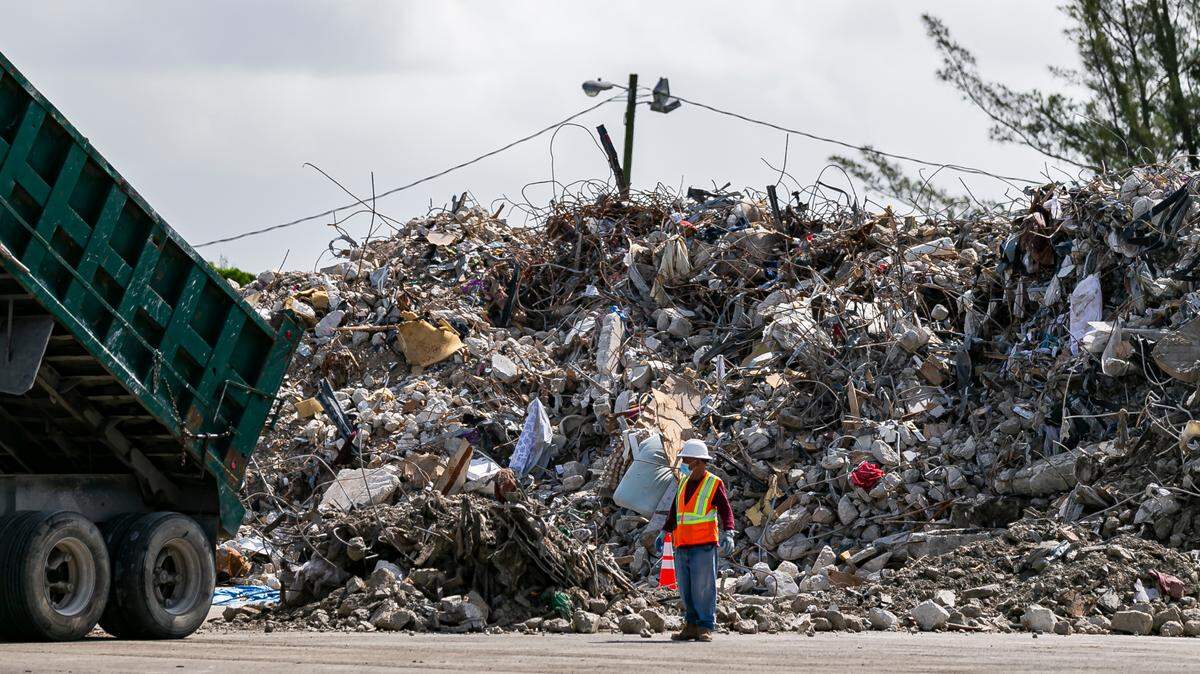
Miami-Dade Police have accumulated more than 2,500 evidence bags filled with personal belongings recovered from the Surfside condo collapse site. But most of what was found may not ever be released to victim’s families or those who survived the June 24 tragedy.
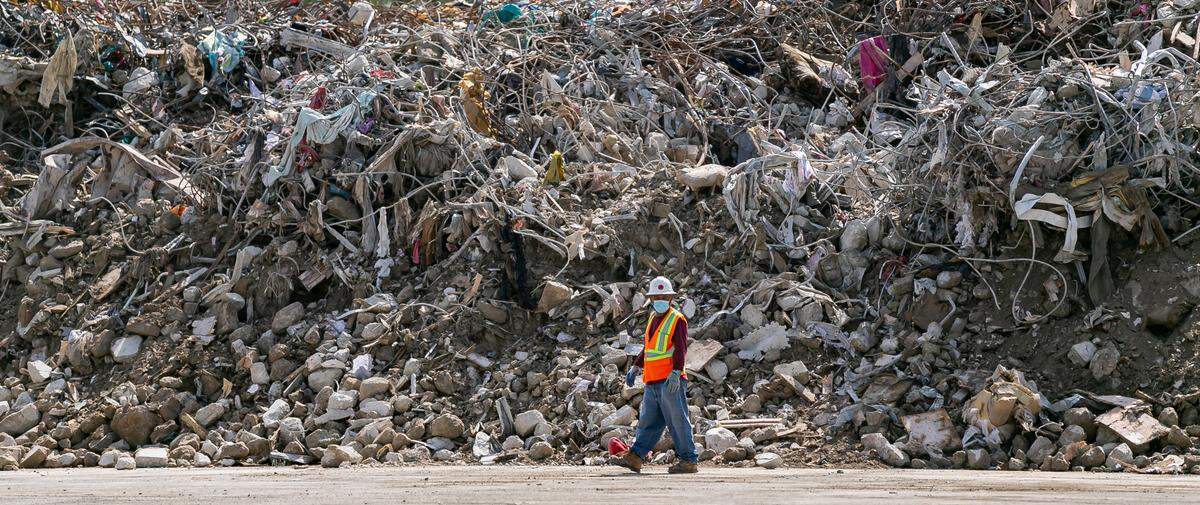
A majority of the personal property found at the Champlain Towers South site has been destroyed, families and survivors were told Friday in a court hearing. And whatever is deemed salvageable must first be decontaminated of asbestos and other “bio-hazardous” materials under orders from the Environmental Protection Agency.
“I say this to temper the expectations of any victims that believe they’re going to get a lot of personal property back because I just don’t see that happening,” Michael Goldberg, the receiver for the Champlain Towers South Condominium Association, said during a hearing held as part of a class-action lawsuit stemming from the collapse.
The grim pronouncement comes as some survivors and family members have criticized what they say has been a lack of communication about the recovery of belongings.
Martin Langesfeld, whose sister and brother-in-law died in the collapse, said the authorities have not been transparent about what items may be returned or what the process entails.
“We don’t know anything. We’re all just up in the air,” Langesfeld said in a statement. “It’s been almost three months now. We need answers and we are not being heard. We need answers now.”
High cost to decontaminate priceless possessions
Langesfeld said recovering anything from the home that his sister Nicole Langesfeld, 26, and her husband, 28-year-old Luis Sadovnic, shared would mean everything to him. It could be jewelry, clothing, photographs or maybe a pair of shoes, he said.
“We don’t have anything to hold on to,” Langesfeld said. “Something so simple and small will bring back so many memories, no matter the condition.”
No items have been decontaminated so far, and the entire process could take six to eight weeks, Goldberg said. The items are divided between “hard” items, like safes or jewelry, and “soft” items, like photographs and clothing. Questions remain about what items will be decontaminated and who will decide what gets discarded.
The cost to clean the items may play a role. Goldberg has previously said that decontaminating the soft items could cost “many millions” of dollars.
A Miami-Dade Police spokesman said this week that decontaminating the hard items could cost as low as $80,000, but could not estimate how much it would cost to clean the soft items. The county hired a vendor to perform the decontamination.
“Miami-Dade County is working closely with all stakeholders, including the court-appointed receiver and decontamination vendor, to determine how to proceed with all items recovered from the collapse and demolition sites,” reads a county statement. “The items recovered have been subjected to elements, including wind, rain, sun, and fire, and are in varying conditions. The County remains committed to the respectful return of the property that can be decontaminated in compliance with safety standards, to respect the dignity of the victims and survivors and their memories and ensure the health and welfare of our community.”
Miami-Dade Circuit Court Judge Michael Hanzman, who is overseeing lawsuits related to the collapse, said Friday he would not order the county to “wholesale decontaminate every item found” — like shoes or clothing — and said there should be “objectivity” when it comes to the value of items when determining whether to decontaminate them.
Sharon Schecter, who survived the collapse, confronted Hanzman in the video meeting and questioned how anyone could determine what deserves to be preserved other than the owner of the property.
“Many of the victims and survivors feel that anything and everything that even looks remotely, somewhat, acceptable should be decontaminated,” she said. “It shouldn’t be that somebody has a right to pick and choose, no matter what the expense is. These are people’s lives.”
A county spokeswoman said police have held regular meetings to brief families and survivors about the process. Those missing items are asking to fill out a claim. The process, as outlined by Goldberg, would involve officers matching decontaminated items with photos of the items sent in by their owners.
Visit https://www.surfsidefamilies.com/s/report-missing-item to file a claim
Hanzman, however, said the process would burden victims, and asked that the police instead set up a repository where individuals can make claims on items after seeing them in person.
Schecter, who lived in the part of the building that did not collapse and was later demolished by authorities, said in an interview it feels like her entire life was wiped away in an instant. She said she can’t move on without knowing what remains from her old home.
“We feel we can’t move on until we have a token of closure,” she said.
She thinks of new things every day: Baby pictures of her kids — and of 14-year-old Lexi, her maltipoo dog that escaped from the Champlain Towers South with her. Her grandmother’s earrings. Bar mitzvah boxes for her kids. Black and white photos from her parents’ old house on Pine Tree Drive in Miami Beach. A football signed by Hall of Fame player Ray Lewis.
“The longer this process takes, the longer you have in your mind that you may get something back,” she said. “It kind of puts you on hold.”
Miami Herald staff writer Douglas Hanks contributed to this story
This story was originally published September 10, 2021 at 6:59 PM.
.JPG)