
$5 million Surfside charity fund to open to survivors, families soon. Here’s the plan
Survivors and family members of the 98 people who died in the Champlain Towers South collapse in Surfside will soon get the chance to apply for money from a $5 million fund established by local charities and supported by more than 16,500 donors.
Before the year is out, money should begin to flow from the Support Surfside Fund, a spokeswoman announced on Tuesday.
“We aim to do this with humility, compassion, respect and especially, transparency,” said Eduardo J. Padrón, the former president of Miami Dade College and chair of the Support Surfside steering committee. “We will look at the individuals and their loss and grief. We will treat survivors within the same category in the same way, that way we can be the most fair.”
The fund, a relief effort driven by the Coral Gables Community Foundation, The Key Biscayne Community Foundation and The Miami Foundation after the partial collapse of the 12-story condo tower on June 24, will continue to accept donations until Oct. 15. But this month, fund leaders set tentative rules for the disbursement of the cash, with plans to invite community members to comment on their plans during a gathering in mid-September.
Under the rules released Tuesday by the National Compassion Fund, which will administer the account, the eligible categories of recipients include: “legal heirs” of those killed in the collapse; those who were physically injured; survivors who were present during the collapse and escaped; and residents of the Champlain Towers South who were displaced but weren’t present at the time.
The seven-page “draft protocol” was put together by the 17-member steering committee, which includes Miami Foundation President Rebecca Fishman Lipsey, who called the approach “victim-centered.”
“We are standing together with the 17,000 people around the world who cared about what happened in Surfside and donated,” she said.
“The way we wanted to go about it was partnering with a national expert,” she said. “This has done well in communities across the country, and part of their recommended process is exactly this.”
Fishman noted that the National Compassion Fund has assisted victims of 19 recent mass casualty events such as the shootings in Orlando, Parkland and El Paso, Texas.
Early feedback
The process appears likely to vary slightly from other mass casualty events, given the very high death toll and the fact that many families were together the night of the collapse and affected as a unit. The draft rules also include a special provision for people who were not present at the event, which is not usually part of the plan in other catastrophes.
“People lost their homes and this is a traumatic event,” said Jeffrey Dion, executive director of the National Compassion Fund. “Regardless of whether or not they were there at the time, we wanted to recognize that as well.”
Pablo Rodriguez, whose mother and grandmother — “the two Elenas” — died in the collapse, said the fund is doing something good from “a horrible situation.” But he said there are a few technical issues with the draft that he hopes get fixed before the final process is approved.
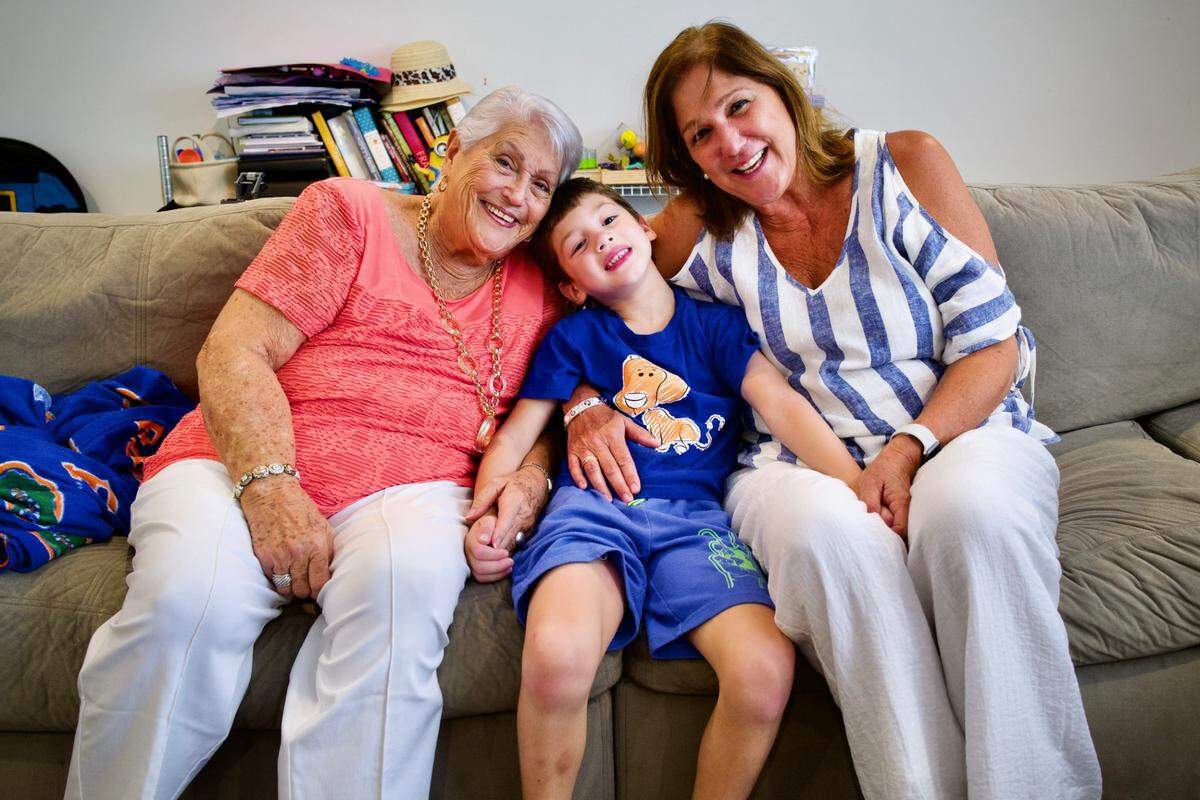
Rodriguez, 40, is a probate attorney, and said the provisions should require that only a personal representative for the deceased should submit an application, instead of “legal heirs.” If the person doesn’t have a will, then the money should be distributed under Florida’s intestate laws. If they do have a will, then the money should go to whoever is named in the document.
“I am a strong believer that if someone leaves a will, you need to follow what their wishes were,” he said.
Rodriguez also thinks there should be a separate, lower category to designate survivors who lived in the building part-time versus full-time.
“I will attempt to raise the issue,” he said, noting that the fund is generally taking the right approach and is moving quickly to distribute the money. “But I am thankful they took the lead and did that.”
Steve Rosenthal, a 72-year-old survivor of the collapse, said he will be applying. But Rosenthal, who has been living in a donated room at the W Hotel in South Beach while searching for a permanent home, takes issue with the fact that part-time residents who lost their homes are eligible for funds at the same level as year-round residents.
“I don’t have a broom or a dustpan or a bucket to put a mop in,” he said. “God forbid you have to spend a winter in New Jersey.”
The fund is not based on economic need, Dion explained, but instead responds to the trauma felt by those affected.
Applications and donations
Applications will open for applicants on Oct. 6 at NationalCompassion.org and must be submitted by Nov. 3. The payments will begin Nov. 30 on a rolling basis, according to the draft protocol. Three weeks after all payments have been made, an independent auditor will examine the fund and publish the results publicly.
Donations to the fund will continue to be accepted through Oct. 15, and there are no limits to recipients on how the funds are used. The highest payments will be made to the heirs of those killed.
The amount recipients will get from the fund is dependent on the balance of the fund at the time of the application and a review of their application (neither citizenship nor immigration status will be considered).
Those interested can provide feedback before September 10 to surfside@nationalcompassion.org or attend a September 10 town hall at Beth David Congregation in Brickell at 9:30 a.m, where they can share their thoughts in person.
While the Support Surfside fund is one of the larger groups distributing money, many families have applied for FEMA reimbursements for costs like temporary housing and funeral expenses, and have even set up their own GoFundMe campaigns to try and attain a sense of normalcy.
Survivors and families of the dead have also been receiving payments from a court-appointed receiver, who has the authority to grant up to $10,000 of insurance money for condo owners who need help finding new homes. The receiver can also grant $2,000 more for families needing to pay for funerals for loved ones. In July, insurance companies agreed to $3 million in insurance money.
“No one is getting rich off this horrible tragedy,” Rodriguez said. “I think the approach they are taking to try and compensate families who lost someone is the correct approach.
This story was originally published August 17, 2021 at 6:55 PM.