‘I swear they’re showing off’: Children watch two rescued pelicans fly away in Miami Beach
Emilio, a brown pelican, was found in distress months ago, with a fish hook inside him.
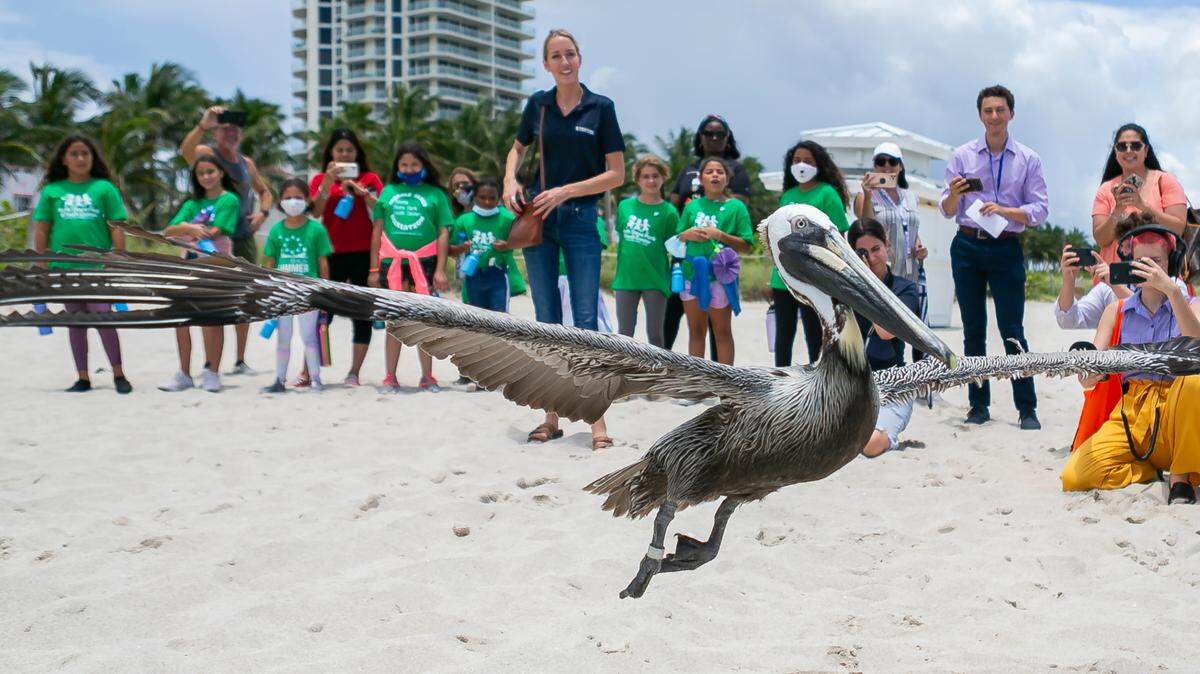
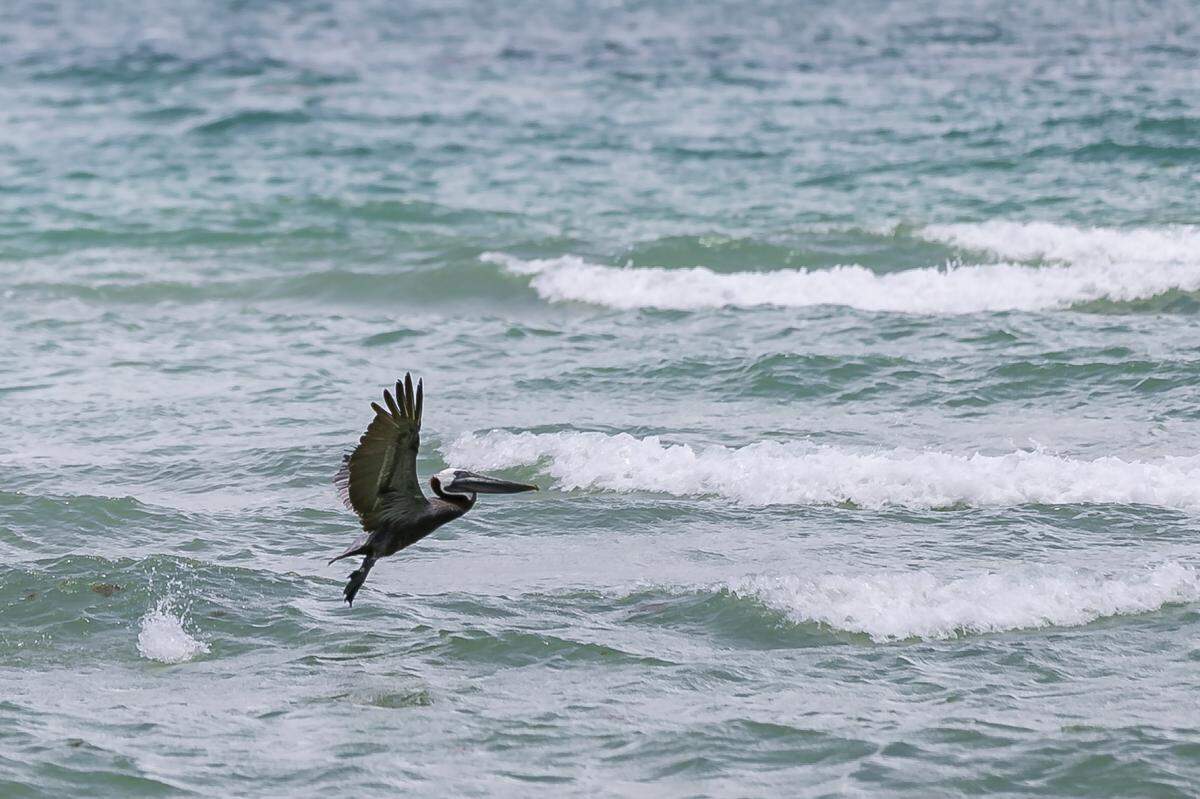
But on Tuesday afternoon, as a breeze billowed on North Beach, he opened his 6-foot wingspan and flew toward the sky before alighting on the water. Minutes later, a second once-injured pelican — Gloria — also found freedom again, thanks to the efforts of the nonprofit Pelican Harbor Seabird Station.
Miami Beach Mayor Dan Gelber, who named the two brown pelicans, spoke for a bit before helping the caged birds secure their release behind the North Beach Bandshell at 7275 Collins Ave.
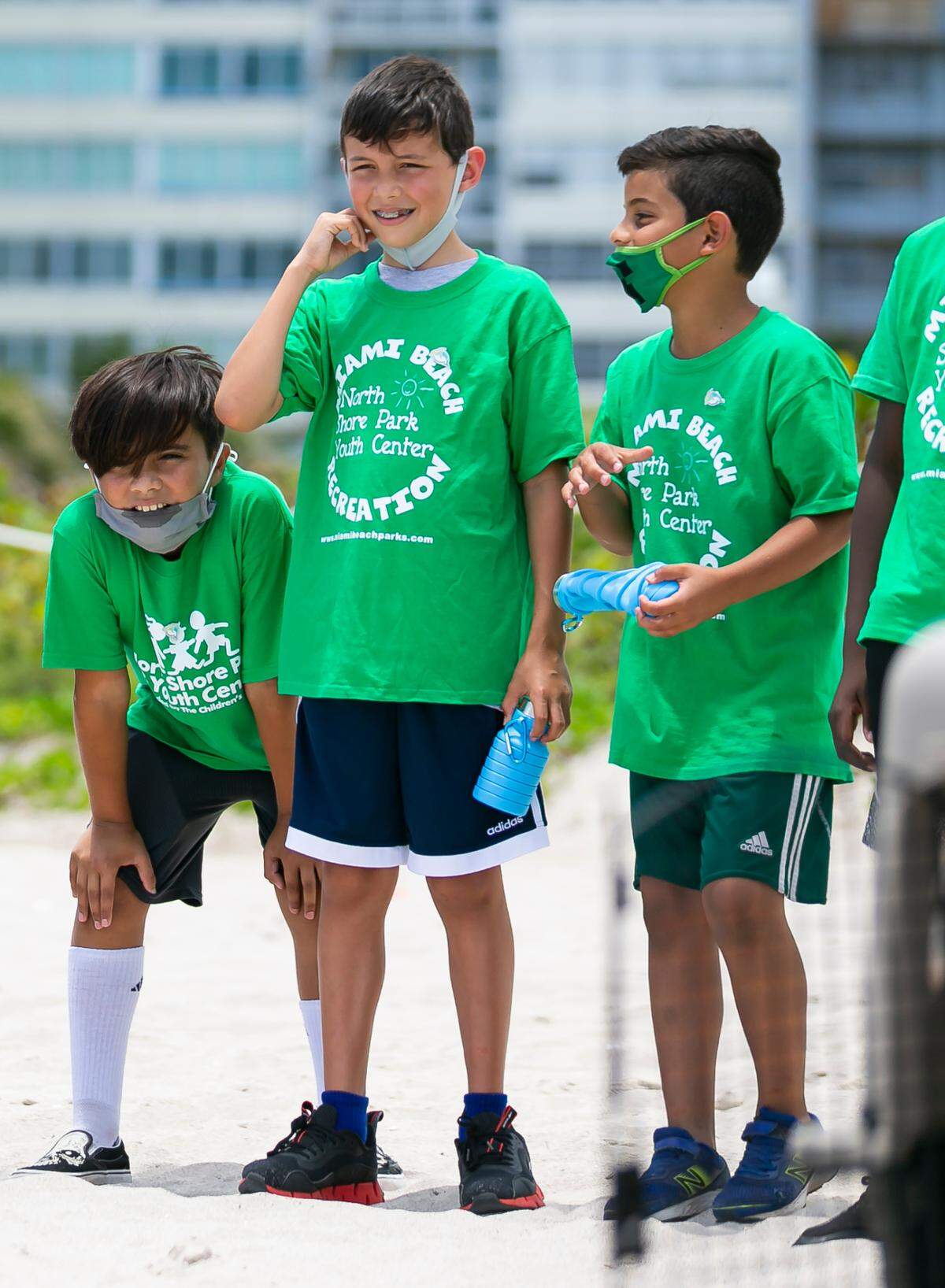
“I firmly believe our community is judged by how you treat your most vulnerable citizens, and these are two of our most vulnerable citizens,” Gelber told a crowd that included 27 excited children from the North Shore Youth Center.
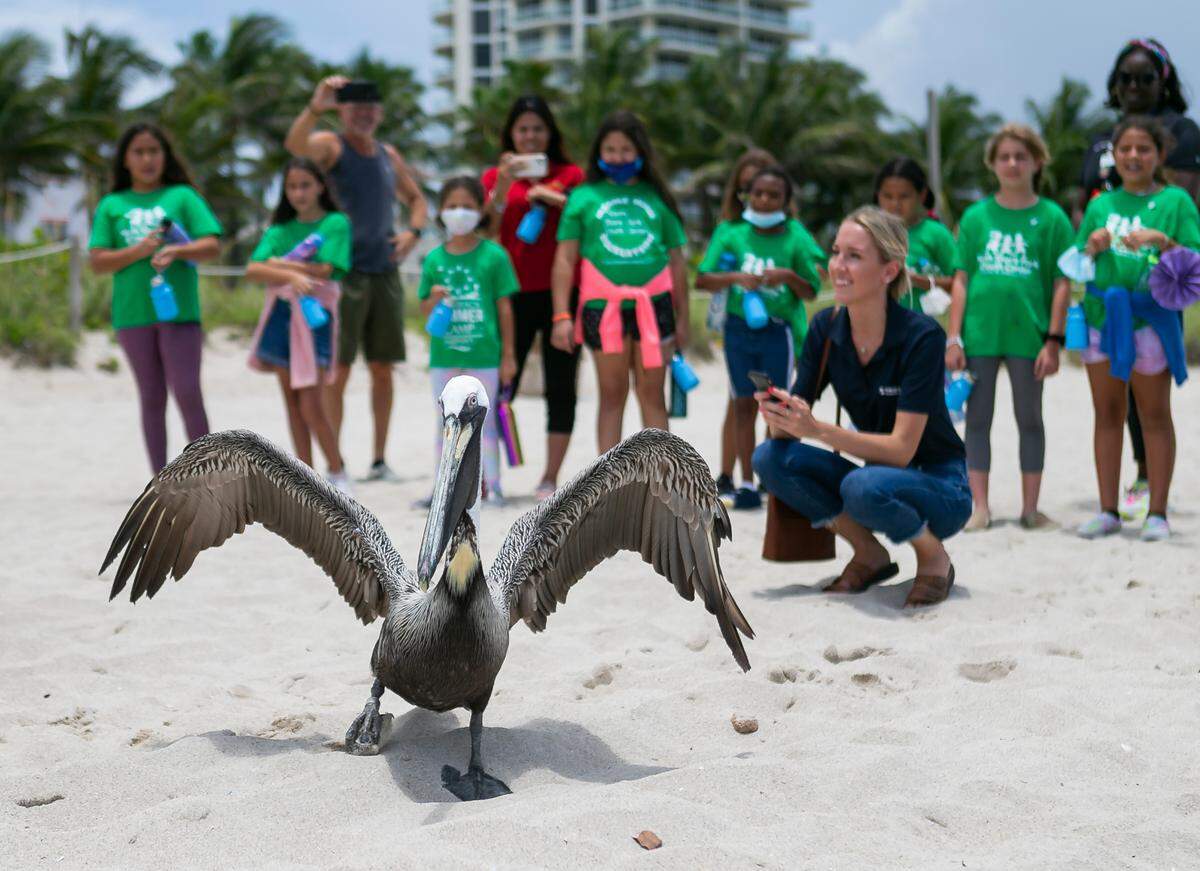
He then helped two children free Emilio, then Gloria. As everyone backed away, the birds each stepped forward slowly and stared at the the crowd encircling them.
After Emilio had flown off, Gelber bent down to help a child release Gloria, an adult bird weighing about 4 pounds. As she stared at the green-shirted children, Gloria hesitated for about two minutes before she took flight.
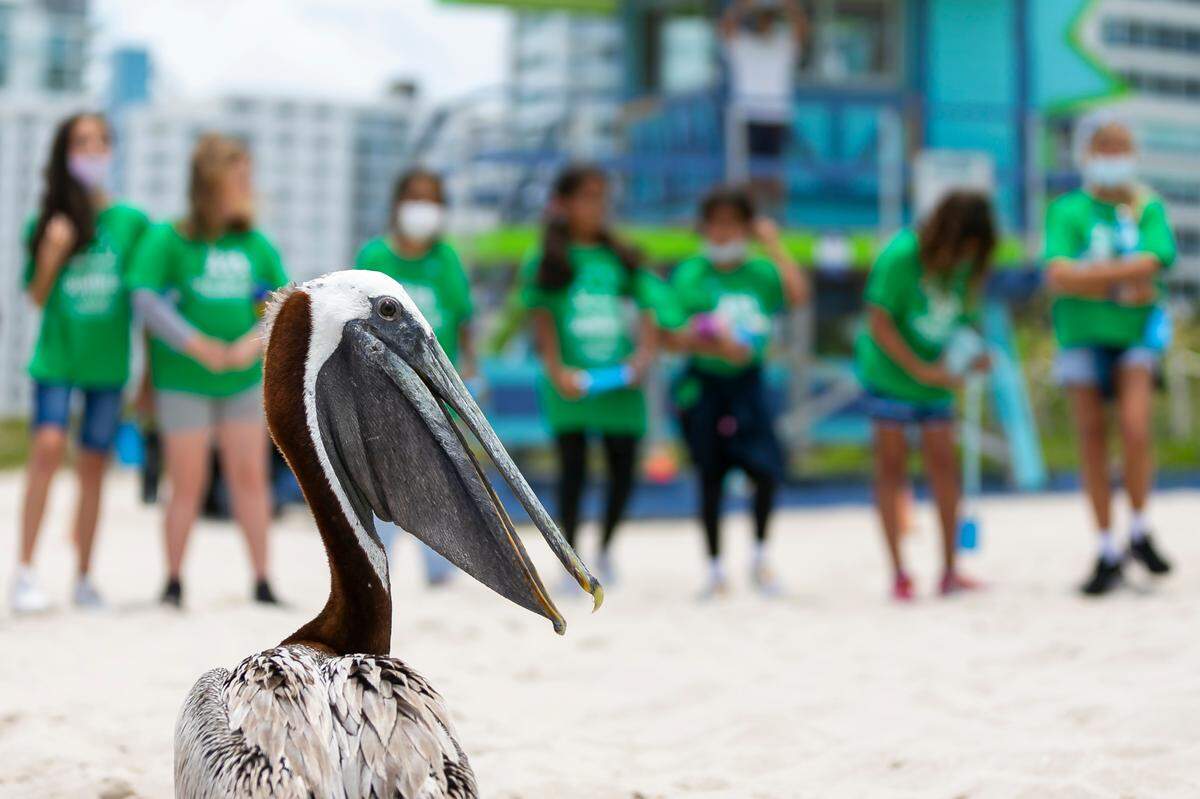
With a mix of terror and awe, the children watched her bend backward and stretch its gular pouch before she slowly spread its wings and flew off.
“I swear they’re showing off,” a child at the youth center said. “[Gloria’s] swimming,” another child yelled grinning.
“I love watching the kids watch the birds take off, Gelber told the Miami Herald after the event. “We try to bring the kids out here so they understand how important the environment is.
“We’re a community that loves our environment. We care deeply about all our residents, including our birds.”
Wildlife center’s mission
The two brown pelicans’ new freedom came after extensive rehabilitation at Pelican Harbor, based in Miami Beach. It was the high point of several months’ work for the nonprofit: When they were brought into the center, the birds had several injuries.
Hannah McDougall, director of communications at the wildlife rescue organization, told the children that the birds had been found with “all kinds of problems.” One of the pelicans was at the center for over four months before it was well enough to be returned to its own habitat.
“So after a very long time, lots of antibiotics, lots of tender love, and care from our clinic,” McDougall said, the bird is “finally able to be released.”
Fanny Perez Jafif, a volunteer with the station, had found one of the pelicans that flew away on Tuesday. The injured bird was discovered Haulover Park in February. Perez Jafif lured the bird with fish and helped bring it to the wildlife station.
On Tuesday, Perez Jafif was certain the pelicans would flock to the water instead of toward the busy city.
“I think it’s their instinct,” she said.
Not only did both of the birds released Tuesday have fishing hooks inside of them when they were rescued: One of them was brought in with ailments that that included including a pouch infection, an infected foot, and botulism.
The Centers for Disease Control and Prevention defines botulism as a rare illness in which a toxin attacks the body’s nerves that can happen if you eat food that isn’t fresh. Symptoms start with weak muscles and “can weaken the muscles involved in breathing, which can lead to difficulty breathing and even death,” according to the CDC’s website.
Tears in a pelican’s gular pouch, which pelicans use to hold their food, are also common, McDougall said. If a pelican has botulism, she said, it may be paralyzed and need oral feedings and help flushing the toxin out of their system.
The wildlife hospital, which has treated about 433 birds and wildlife over the past year, takes in birds and other wild animals every day, and giving these creatures a second chance is the best part of the job, McDougall said. About 75% of pelicans the station treats have injuries due to fishing hooks or fishing line — from either eating a fish with a hook in it or being scraped by it.
“It’s so humbling, it’s so amazing to be able to care for these creatures and to be able to have that firsthand impact on their lives,” McDougall said. “To finally see all of your care and time come to fruition, it’s an amazing feeling.”
Hazards for wildlife
Yanira Pineda, a senior sustainability coordinator for the city of Miami Beach, said that when people don’t dispose of their fishing hooks or line, pelicans like Emilio and Gloria can suffer: They risk eating fish who’ve swallowed fishing supplies, and then the birds end up with hooks in their stomachs.
Pineda, who helped coordinate the event with the city’s youth center, said that now there’s a return to normalcy after the COVID-19 pandemic, the city wanted to include the children so they could learn about the pelicans and how to help respect the environment.
“It’s not as much fun to have releases if it’s just us and the pelicans,” Pineda said.
This story was updated late Tuesday to correct one of the released pelican’s names to Emilio.
This story was originally published June 22, 2021 at 8:21 PM.