
Plan to use county, city taxes to redevelop North Beach goes to Miami-Dade commission
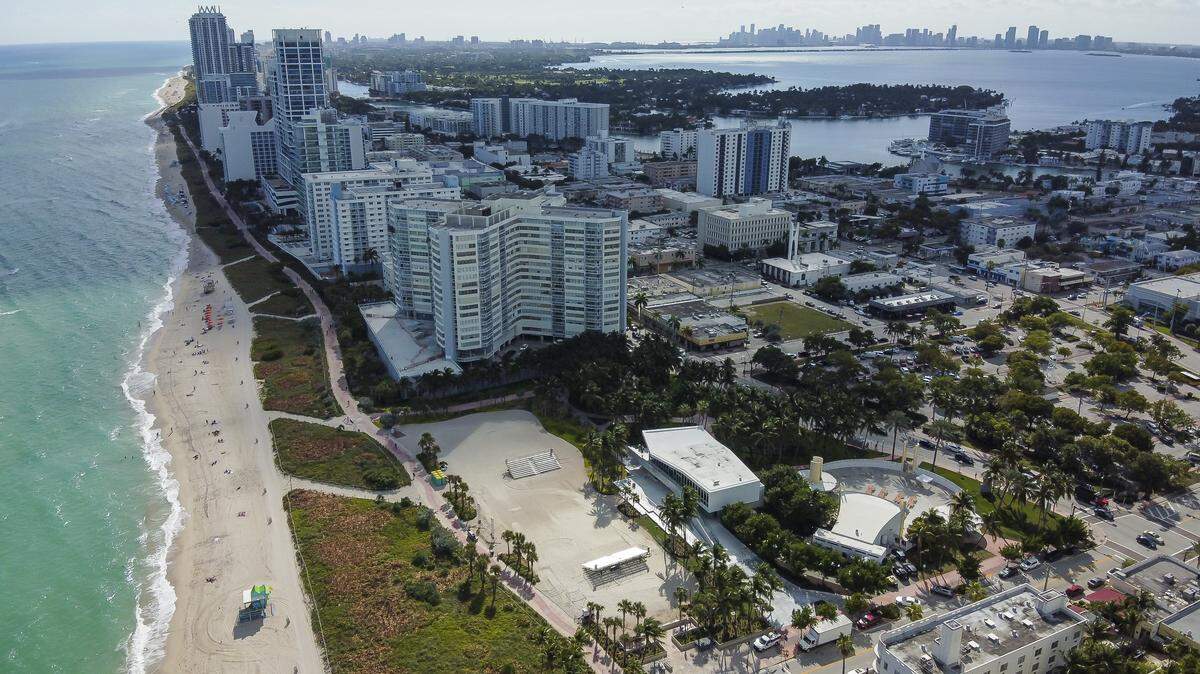
Nearly two years after Miami Beach leaders designated parts of the city’s north end as “blighted,” a proposal to encourage redevelopment by reinvesting property taxes in the area will head to the Miami-Dade County Commission for preliminary approval on Tuesday.
The proposed North Beach Community Redevelopment Area, or CRA, is projected to receive $318 million in property taxes over the 30-year life of the district, collected from rising real estate values that would otherwise flow into county or city coffers.
The city commission voted to create the district in February, deeming the North Beach area to be in need of redevelopment, but the city must get county approval before the district can begin receiving public funds. The district stretches from 87th Terrace to 65th Street. It is bound on the west by Rue Notre Dame on the Normandy Isle and on the east by the ocean.
The district would include oceanfront and tony properties along the Indian Creek canal. Even so, a consultant’s report found median incomes in the area of $35,500, below the county’s median income of $59,100. Under legislation sponsored by Miami-Dade Commissioner Sally Heyman, at least 10% of the CRA revenue must go to workforce or affordable housing, a set-aside forecast to generate nearly $60 million in housing investment over 30 years.
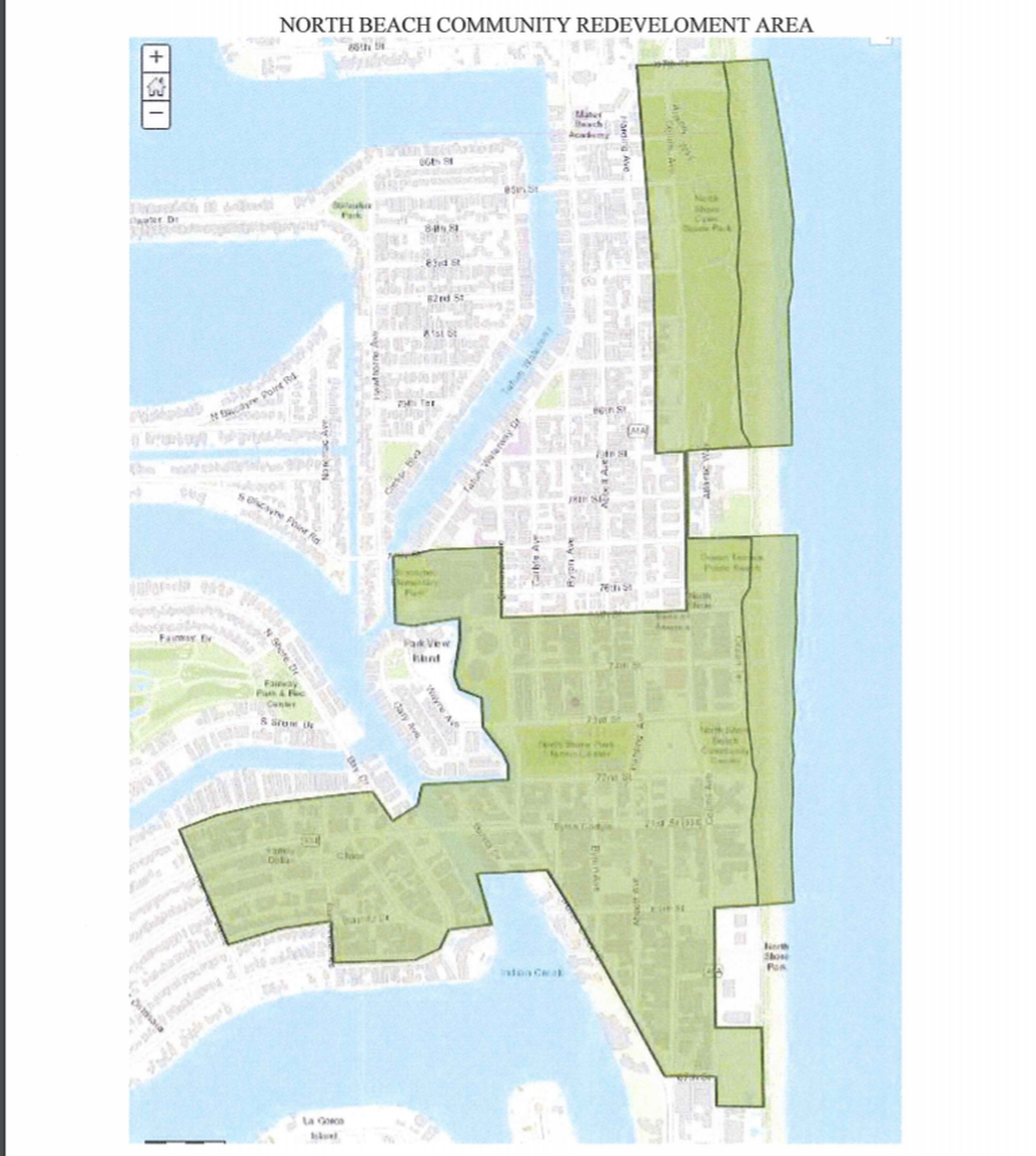
The county commission will vote Tuesday on whether to approve the proposal, which would cost Miami-Dade an estimated $143 million over 30 years, with county property taxes accounting for 45% of the CRA’s projected revenue. Miami Beach property taxes account for the rest, about $175 million. The revenue-sharing deal won’t be final until a second vote is held.
Heyman described the North Beach area as needing help upgrading public spaces to match the attention directed to the more famous parts of Miami Beach.
Sitting on the north end of the city “sort of has left it excluded from the fanfare of tourism, the excitement of redevelopment we’ve all seen and heard about down in South Beach,” Heyman said at a Wednesday committee hearing that saw the CRA proposal pass unanimously on its way to a vote before the full commission. “There is a need for infrastructure — not only rehab, but replacement.”
Miami Beach Commissioner Ricky Arriola said the CRA will be a “Godsend” for North Beach, noting that the formation of similar districts in the South of Fifth neighborhood and near the Convention Center coincided with large increases in property values.
“North Beach is geographically one of the nicest, most choice areas to live and visit and work in the entire county,” he said. “It is on the water, it’s not heavily congested, it’s still relatively affordable but there’s been very little investment in 40 to 50 years.”
Community Redevelopment Areas are funded by property taxes. Upon their creation, a baseline is set for the taxable value of properties in the area, and as values rise, property tax revenues paid on taxable values above that baseline are diverted into the CRA. For the North Beach CRA, 60% of property taxes collected from rising real estate values would go to the new CRA budget.
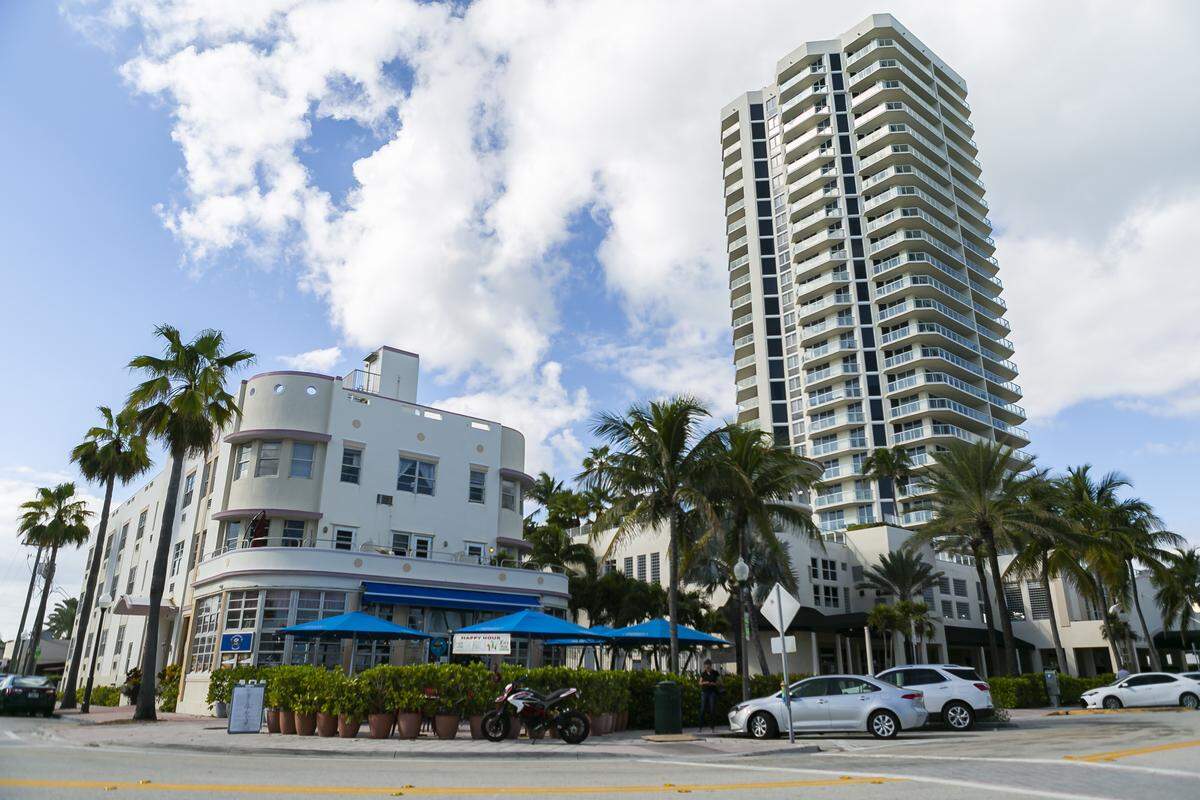
Through their funding, CRAs reduce the amount of property-tax revenue available for general government expenses. Across Miami-Dade, community redevelopment areas and similar districts are forecast to cost the county about $59 million this year, according to budget documents.
The North Beach taxes would otherwise make up a tiny portion of Miami-Dade’s countywide general fund, a $1.7 billion budget made up mostly of property taxes. Its top expenses are the county jail, police and transportation. Combined, those costs account for 49 cents of every general-fund dollar spent in 2021, according to budget documents.
The base year of the North Beach CRA will be based on the 2021 property tax roll, according to Miami Beach Economic Director Rickelle Williams. In the first year, the CRA trust fund is projected to earn more than $200,000. By its 10th year, that revenue is expected to reach more than $3 million, she said.
The CRA board, which will consist of Miami Beach’s seven city commissioners and a county commissioner, will have the power to purchase and redevelop property, undertake public projects and borrow money against the trust fund to pay for redevelopment. Although specific projects have yet to be approved, the district’s redevelopment plan contains several broad goals, including economic redevelopment, climate resiliency and preserving the character of North Beach’s low-scale neighborhoods.
Still, some residents remain concerned that the CRA may lead to over-development in North Beach.
Manning Salazar, a North Beach resident and member of the ad hoc North Beach CRA Advisory Committee, said the dedicated tax revenue may help bring more investment to North Beach, but he worries the money may be used to benefit developers at the expense of residents.
“I think the CRA is going to happen,” he said. “I think because it is going to happen the important thing is for residents to get involved and do what we can to make sure the CRA is a good thing for the neighborhood, not to benefit developers but used to bring positive development.”
Salazar said some residents still take offense to the city’s designation of North Beach as being run-down in the first place.
“We don’t consider ourselves to be a slum or blighted,” he said.
.JPG)