
Ex-city manager, who kept Miami Beach ‘afloat’ during tumultuous 1980s, dies of COVID
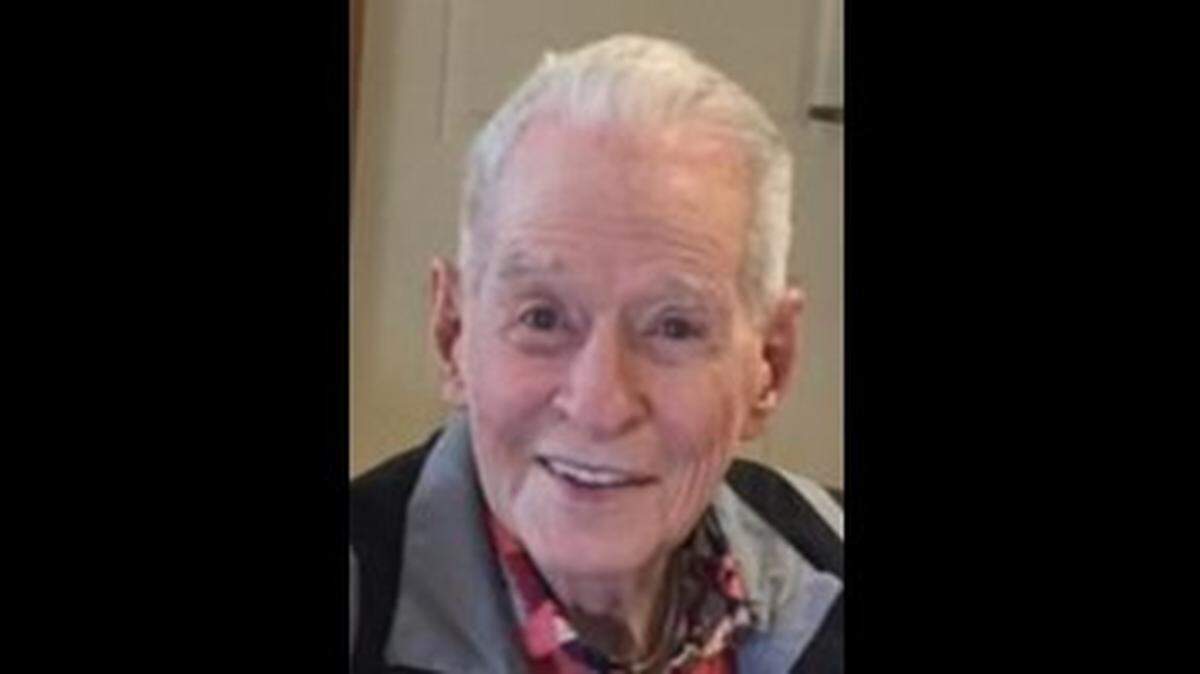
Former Miami Beach city manager Rob Parkins, who ran the city government through crime waves and budget crises in the 1980s, will be remembered as a no-nonsense leader who navigated a “difficult, dangerous and absolutely depressing time” on the Beach.
“I think Rob at the time was like Winston Churchill during World War II. His greatest asset was that he was able to survive and keep our community afloat with hope,” said former Mayor Alex Daoud, who spent his six years as mayor working with Parkins.
Parkins, who later left Miami Beach for a city manager job in Palm Springs, California, died of COVID-19 on Jan. 23, his family wrote Sunday in an obituary published in the Miami Herald.
He died in Mount Pleasant, South Carolina. He was 82.
Parkins is survived by his son, Rob Heglin; sisters Patricia Pride and Dr. Sue Parkins Cameron; and granddaughter Madeleine Heglin.
“He could be blunt and demeaning, but he was compassionate and empowering, an extraordinary guy,” his family wrote. “As a leader, friend, co-worker, and family member Rob is much loved.”
The former banker, pilot and police officer became Miami Beach city manager in 1982, as the city grappled with the consequences of a bungled redevelopment plan and concerns from fearful residents that an influx of Cuban refugees from the Mariel boatlift had made Miami Beach unsafe.
Parkins, whose crackdown on crime-ridden apartments and hotels displaced hundreds of elderly residents and led to criticism from civil rights groups, oversaw a period of growth in the city with major renovations approved for the Convention Center and the Fontainebleau Hotel, and millions spent restoring apartments in the Art Deco District.
In 1987, he declared: “My friends, we have crossed that threshold to a new beginning.”
Parkins, who worked as a Miami cop and city administrator before heading across Biscayne Bay, liked to work one night a week as an officer for Miami Beach Police while he was city manager.
“I get a lot closer to the city by getting out of the office and onto the streets,” he said in 1983. “I learn an awful lot.”
His hard-working nature — and the 12 cups of coffee per day he once drank, chased with three packs of cigarettes — landed him at Mount Sinai Medical Center less than a year into his new gig. He once insisted on holding a city meeting in the hospital’s dining room while dressed in a bathrobe and pajamas.
“It never crossed my mind that it might be overly dramatic,” Parkins said. “If I had been brought in on a gurney with an IV, that would have been overly dramatic.”
Parkins had a way of converting enemies into friends.
When then-Commissioner Daoud ran for mayor in 1985 on an anti-City Hall platform, he vowed to push Parkins out of office. Daoud quickly changed his tune, and he eventually recommended Parkins for the Palm Springs job when then-Mayor Sonny Bono recruited Parkins away. He worked in Palm Springs until 1999, as a city manager and a part-time officer.
“In politics you have to understand there’s always give and take. When it’s over and done, we both wanted to care about our city,” Daoud said.
Daoud was later charged with bribery after being accused of using his public office to enrich himself and upgrade his Miami Beach home — and Parkins testified in court that the era of growth in the city he presided over was ripe for abuse.
“There was both the excitement of seeing the Beach moving ahead, and the concern that this provided opportunities for those who might be so inclined to solicit favors or gifts,” Parkins said at the time.
Former Mayor Matti Herrera Bower, who worked briefly with Parkins when she was an activist in the city, said the 6-foot-tall, bearded manager knew how to get his way.
“He was very imposing, she said. “I remember that he wanted it his way.”
As he told Ira Giller, the president-elect of the Chamber of Commerce in 1983, Parkins felt he needed to act boldly because he never knew when he would be fired.
“There are two types of city managers,” Parkins said. “There is a maintenance manager, who sits back and watches over, and an at-risk manager. I’m an at-risk manager. I know the average life span of a city manager is 2.2 years. I think this city is on the threshold of greatness if we plan for it.”
His family said “there will be a celebration when stories and hugs can be shared,” and they directed memorial donations to Miami Beach Police Department Retirees, Palm Springs Police Officer Association, the Salvation Army or an animal rescue of your choice.
This story was originally published February 2, 2021 at 8:14 PM.
.JPG)