
If voters approve, Wolfsonian expansion would kick bakery owners out. No one told them
When they moved from France to Miami six years ago, Miriam and Matthieu Bettant dreamed of someday opening a bakery.
Last year, they set up shop in South Beach, assuming the place of a French bakery they said had been in business at 1043 Washington Avenue for 30 years.
They had hoped to run their business there for another 30 years. But the proposed expansion of the Wolfsonian-FIU museum would displace the Bettant Bakery and a neighboring restaurant, leading to the demolition of the retail spaces owned by the Florida International University Foundation.
The museum’s renovation plan can only proceed if a majority of Miami Beach voters support the project in a citywide referendum in November. But no one told the Bettants.
“We’re very confused about the whole thing,” said Miriam Bettant, co-owner of Bettant Bakery. “This is the first time we heard about it. Our landlords did not tell us.”
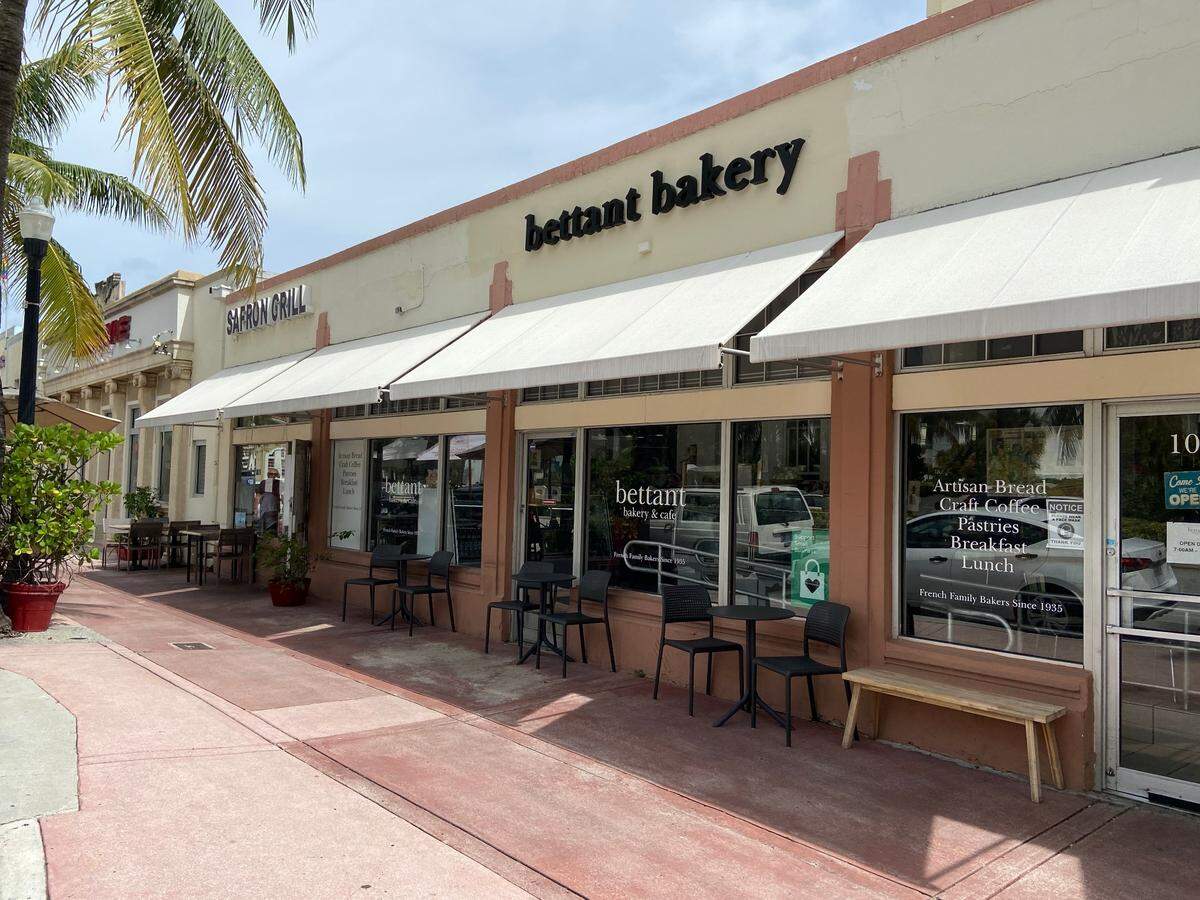
Casey Steadman, the Wolfsonian’s acting director, said the demolition of the three one-story businesses just north of the museum would take place at the end of the tenants’ current leases in September 2023. Their facades would be saved and restored.
The current tenants are Bettant Bakery and Safron Mediterranean Grill. The third storefront, which is vacant, used to be an art gallery. The storefronts are considered contributing structures in the historic district.
“They bring vibrancy to the avenue,” Steadman said of the current tenants. “We don’t intend to interfere with their current lease terms.”
The owner of Safron Mediterranean Grill, who is out of the country, did not immediately respond to a request for comment.
Museum expansion hinges on Referendum 5
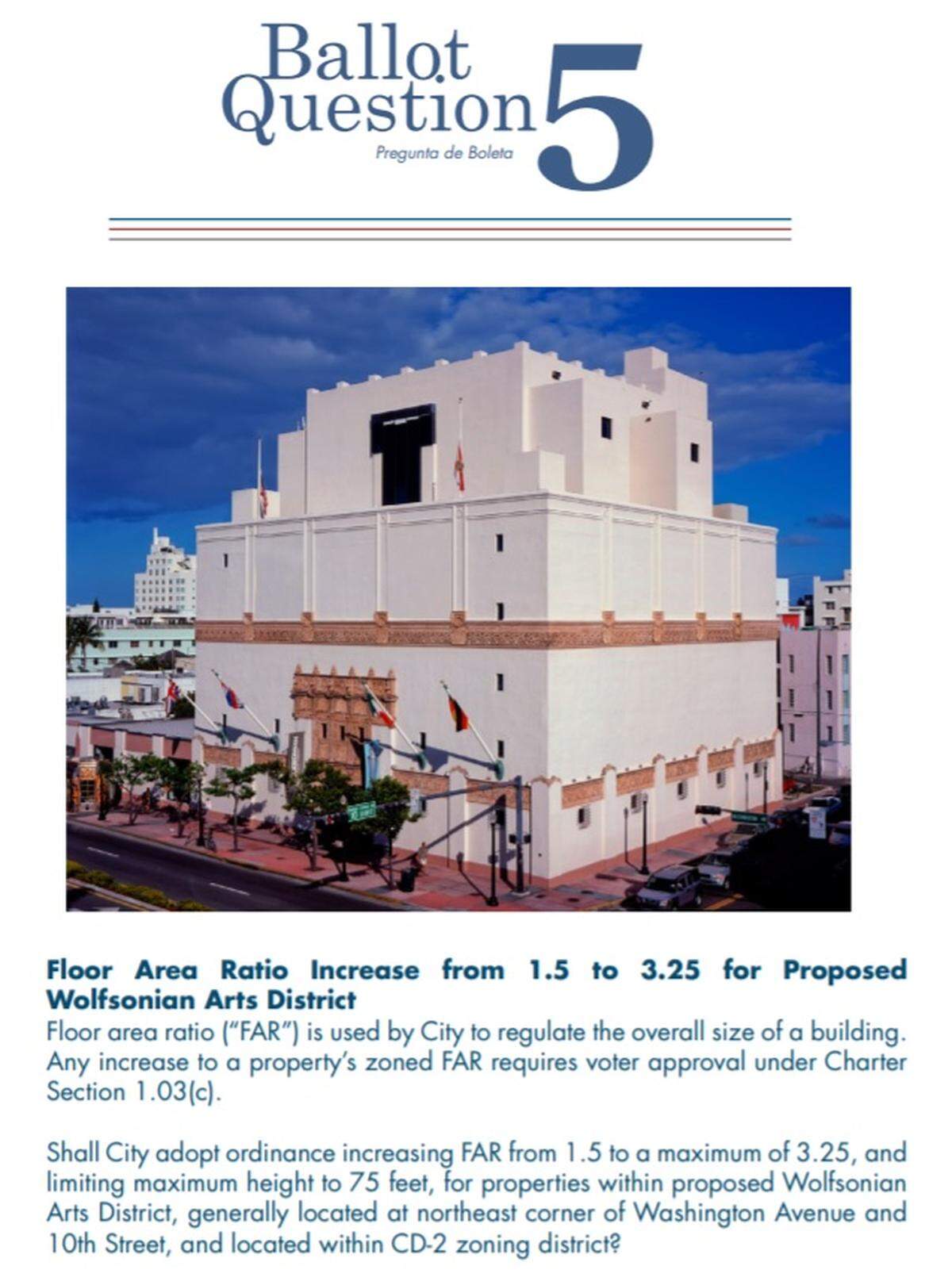
If a majority of voters approve it, Referendum 5 would change current zoning rules to allow for further expansion of the Wolfsonian footprint. The height of the project would be capped at 75 feet.
The expansion plans would require further approval from the city of Miami Beach, Miami-Dade County and FIU itself.
Bettant, who first learned about the proposed expansion in a Miami Herald article, said she and her husband signed a five-year lease for the property in March 2019 with an option to extend for another five years.
“It’s kind of like a bomb,” Bettant said. “I would assume some courtesy to let the new tenants know.”
The FIU Foundation acquired the properties in 2011. The museum’s founder and namesake, Mitchell “Micky” Wolfson, purchased the lots for an eventual expansion and donated them to the university’s foundation.
In a statement, an FIU spokeswoman said “any conversation about demolition is premature at this time.”
“The beginning of construction is at least three to four years in the future,” she said. “The leases of existing tenants end well before the time when construction would begin. FIU Foundation intends to work closely with them as the process moves forward.”
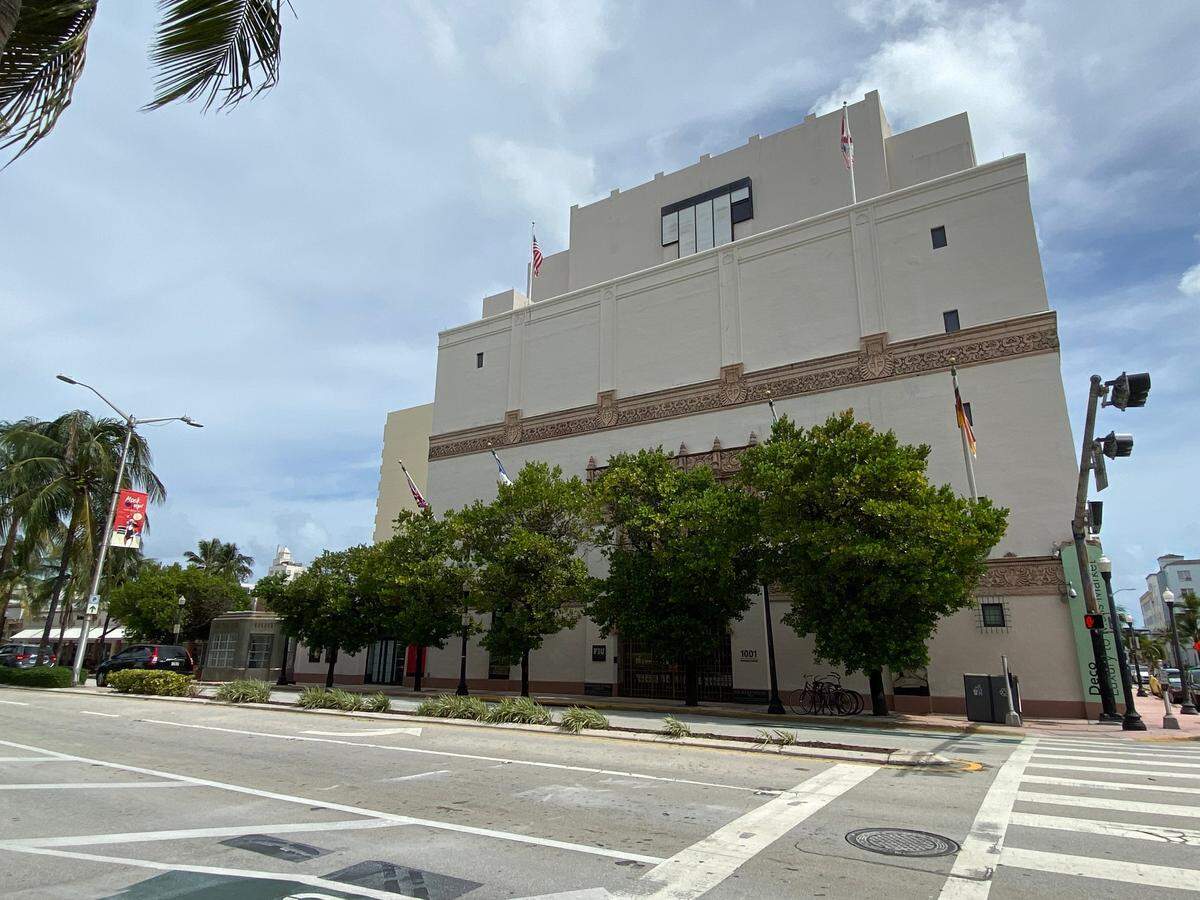
In 2004, Miami-Dade County voters approved $10 million for the Wolfsonian-FIU to add 25,000 square feet to its existing building as part of a bond program, according to a voter’s guide published by the city of Miami Beach. The county asked the museum and FIU to develop a plan to spend the money by the end of the year, Miami-Dade Cultural Affairs Director Michael Spring previously told the Miami Herald.
The Wolfsonian, at 1001 Washington Ave., fully opened to the public in 1995. Wolfson bought the historic Washington Storage building in 1987 to stash his ever-growing collection of decorative and propaganda art.
The Bettant baking legacy
Two lots down from the fortress-like museum, the owners of Bettant Bakery want to keep growing their small business. Matthieu Bettant, a fourth-generation French baker, was following a family legacy in opening the bakery after stints working at Zak the Baker and Sullivan Street Bakery.
In 1935, his great grandfather opened up the first Bettant bakery in Leon, France.
The Bettants barely made it one year in South Beach before the coronavirus pandemic brought business to a halt. They reached an agreement with their landlord to pay reduced rent until business picks back up.
Through business closures and public health restrictions, the owners remained hopeful about the future, Miriam Bettant said.
They were saving up to replace their display cases, build a pastry-making room and buy a new oven, she said.
But the museum’s expansion put all that planning on hold.
“I just feel like we’ve been left out,” she said.
This story was originally published October 7, 2020 at 6:00 AM.
.JPG)