
Developers got city land for affordable housing in Little Havana. Is it a good deal?
In his final act before leaving office last year, longtime Miami Commissioner Joe Carollo quietly put together a complex, multimillion-dollar deal to provide public land in East Little Havana to three developers to build 500 affordable apartments in one of the city’s most housing-challenged districts.
The unusual no-bid deal, which Carollo conceived of and oversaw, was not a secret.
The agreements to transfer land to the developers won unanimous City Commission approval in a December hearing and attracted modest news coverage. Carollo, termed out and having failed to make the runoff for the mayor’s seat he had been campaigning for, resigned the next day, a week before the inauguration of his successor in District 3. On Thursday, a modified agreement with one of the developers won City Commission approval.
The original agreements, under which two developers have received city land at no cost, also came with a city commitment for millions of dollars more in direct subsidies to the four planned housing projects, raising questions over whether they represent a good deal for Miami taxpayers and the Little Havana community.
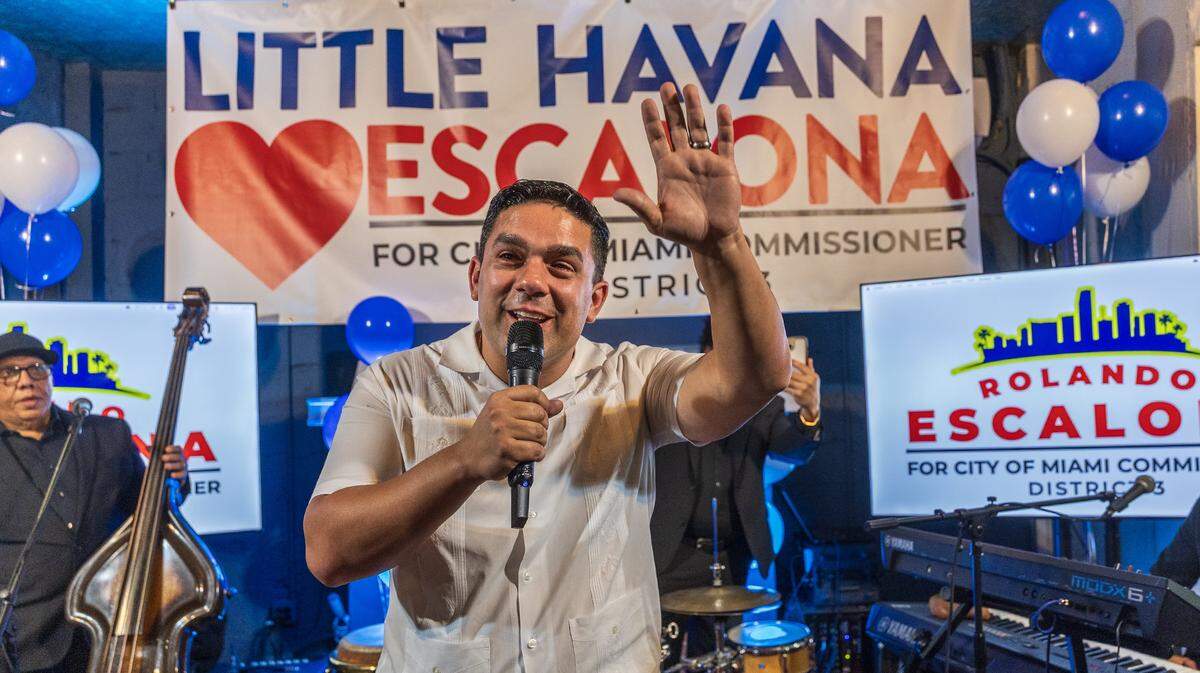
Carollo’s prime role in the endeavor first came under scrutiny after political newcomer Rolando Escalona defeated Frank Carollo, the brother of the often-controversial veteran politician, for the District 3 seat, which includes much of Little Havana.
Escalona, who was harshly critical of both Carollos during the campaign, initially questioned the three deals. He asked the commission to postpone its vote, unsuccessfully, and once in office he summoned the developers in for explanations of what they planned to do with the land.
But all three projects are now moving forward with Escalona’s stamp of approval, with one significant change he insisted on: The three developers, who were set to receive $4 million each toward their housing projects from District 3 funds under the Carollo deal, must now apply for financing from the city in a public vetting process.
That will happen in a public hearing May 6, when the city’s Housing and Commercial Loan Committee, an appointed board, will review applications from developers Nir Shoshani and Michael Swerdlow for up to $4 million each from federal housing money that’s allocated to the city every year. The third developer, Mabruk USA’s Nuri Dorra, says he has an application in process.
Shoshani and Dorra, meanwhile, are already in possession of properties worth a combined $8 million that the city purchased and ceded to them at no cost under Carollo’s direction. Swerdlow plans to lease two other city-owned sites for a pair of projects, both consisting of affordable apartment towers for seniors.
After examining their plans and speaking to the developers, Escalona said he concluded the projects will be a net benefit to the community, where many people are hard-pressed to make rent payments. There was nothing he could do to reverse what he termed as a land giveaway, however.
“The money was given away the wrong way. The properties — I couldn’t take them away. That was done,” Escalona said in an interview. “I changed what I could. But I don’t want these properties to be empty for years. I don’t know these developers. I don’t have any issues with them. I love what they want to do. I do believe it is going to be beneficial for the community.”
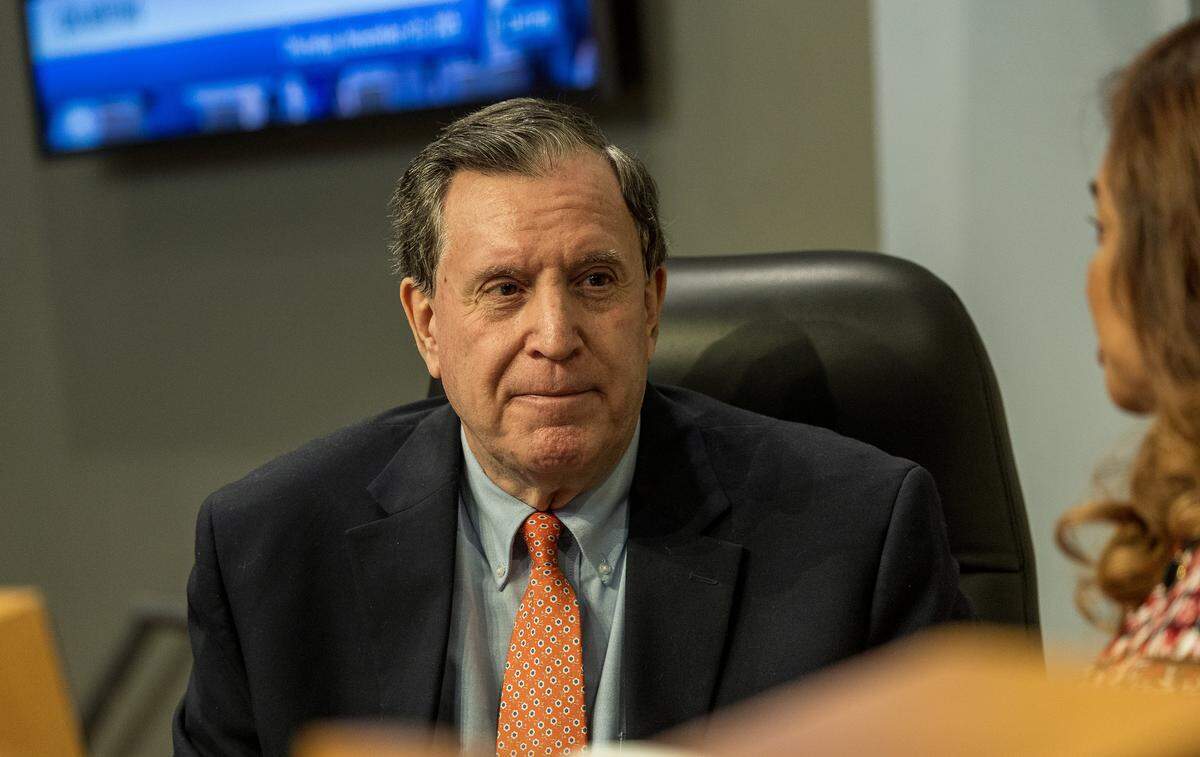
Carollo described the initiative in an interview as his legacy to Little Havana. But the still-combative ex-commissioner also took a broad swipe at city officials and other members of the City Commission, saying he took on the project only because they did little to address the city’s clear and pressing housing crunch.
“Sadly, very few people in the city care about it. They talk about it, but they don’t do anything,” Carollo said. “I did the best that I could in leaving something for the city. I don’t know of any other city commissioner who tried to do something like this. All these [people with] high-paid salaries the city has should have been doing it, but they didn’t.”
Carollo said he decided to take matters into his own hands because the city had been sitting on Little Havana land it owned for years and done nothing with it. He said he recruited three developers with a track record of building affordable and workforce housing, including the established and well-known Swerdlow and Shoshani.
“Swerdlow has a track record that’s second to none, and Nir has a lot of experience. He is a serious player,“ Carollo said.
The third, Dorra, is a small developer and not as well known but has an 88-unit affordable and workforce apartment building, Essence Miami, under construction on Calle Ocho that received $5 million from a city bond program. He also happens to be Shoshani’s brother-in-law, a fact that Shoshani, Dorra and Carollo all say is a coincidence that played no part in the deal with Mabruk.
Shoshani and Dorra say neither was initially aware of the other’s involvement in the Carollo initiative because they keep business affairs separate from family and don’t discuss the topic. Carollo said he could not recall whether he knew of their family relationship when he first reached out but said he sees no issue.
“The association of me with my brother-in-law is severely misplaced, inappropriate and is jaded,” Dorra wrote in an email responding to questions from the Miami Herald.
Carollo said he settled on Dorra because he committed to keep rents at all the 105 apartments he plans to build restricted to people making up to 80% of the Miami-Dade median income of $87,200, a level legally defined as affordable housing. There is a substantial shortage of quality housing available to people at that income level and an urgent need to fill the gap, Carollo noted.
“In Little Havana, people are paying ridiculous amounts for a one-bedroom or an efficiency that are Third World” in quality, Carollo said. “I bought the properties and found people out there who were willing to build affordable housing.”
The developer agreements include strict, tight deadlines for start of construction to ensure they don’t stall, Carollo said. Under the agreements, the developers must start work within 30 months of the land transfer and finish by 60 months after that, or control of the sites reverts to the city.
Dorra and Shoshani are also using a consultant, Barbara Gomez, with a checkered past at City Hall. Gomez was forced out of her job as city housing director in 2007 over allegations of questionable housing deals and cronyism that she denied. Shoshani said he was unaware of her past troubles. He and Dorra said they hired her independently because she is an expert in federal affordable-housing funding who has done work for many developers in Miami.
Like virtually all affordable housing developers, Shoshani, Swerdlow and Dorra use a combination of federal, state and local subsidies and private financing to build while committing to keep rents below market rates for at least 30 years for some or all of the units.
All three also plan to use property-tax breaks provided under the state’s Live Local Act for their Little Havana projects but won’t seek to use its controversial zoning provisions, which allow for supersized buildings if a percentage of apartments is set aside as workforce or affordable housing.
What will the Little Havana affordable housing projects look like?
Swerdlow and Shoshani have both partnered with the city on major affordable housing projects before.

Working with the city’s Southeast Overtown/Park West Community Redevelopment Agency, Swerdlow and his partners built a big commercial project topped by affordable apartments for seniors in that neighborhood on land he bought from the agency.
He also won Miami-Dade County approval for a massive commercial and residential redevelopment project in Miami’s Little River neighborhood that aims to produce 5,700 affordable and workforce apartments and condos, using both county land and property he has purchased.
Shoshani has worked with the city’s Omni Community Redevelopment Agency, which has helped subsidize two workforce and affordable apartment towers by his NR Investments firm in that district, which abuts Overtown.
He has completed one, the innovatively financed 252-unit Uni Tower, and is ready to break ground soon on a second, UniDos, both on land he purchased. Both buildings are fully income-restricted to people making between 60% of the area median income, which is considered affordable or low-income housing, and 140% of the area median income, defined as the top end of workforce housing.
In Little Havana, Shoshani said he intends to follow a similar template, with all 116 units qualifying as workforce or affordable housing under federal and local guidelines. Four units will be affordable to people making just 50% of area median income, 14 units at 60%, 29 at 100% and the balance going to up to 120% of area median income.
The building will boast high-quality architecture and will be loaded with amenities, he said. In this case, not having to pay for the land and receiving subsidies from the city and federal government will allow him to keep rents for all apartments well below market rates, he said.
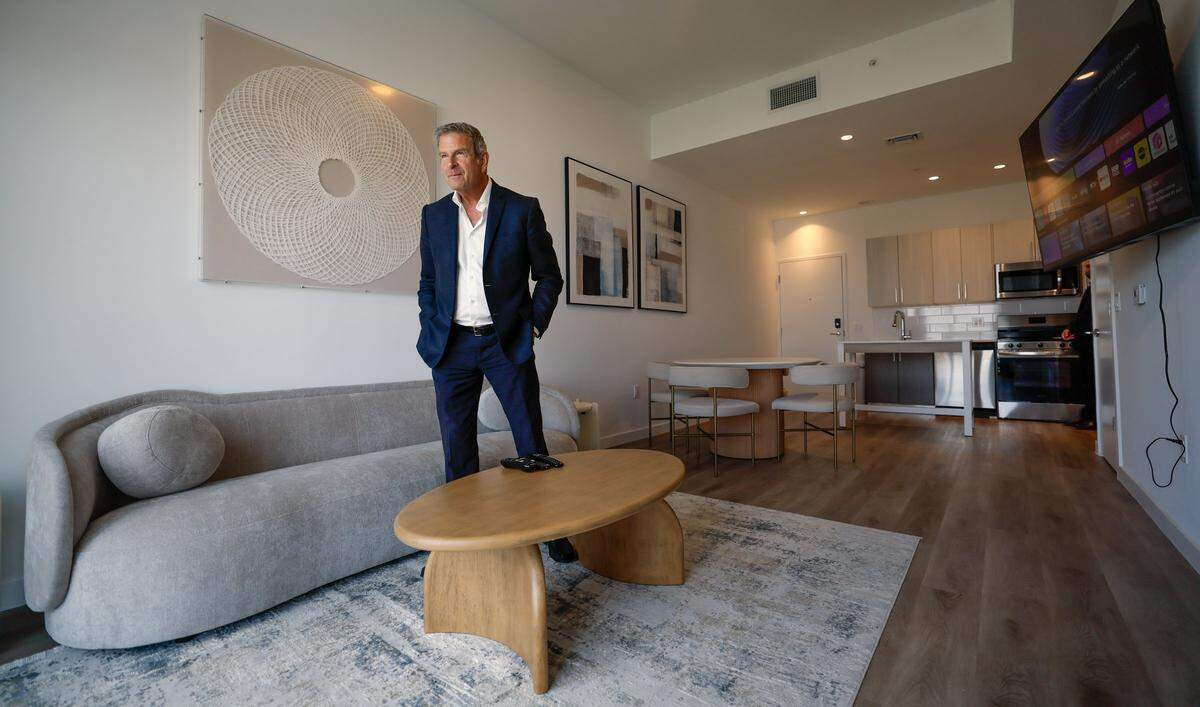
On a recent tour of Uni Tower, which opened last year and is fully leased, Shoshani and his business partner, Ron Gottesmann, pointed out features like those they hope to replicate into their smaller 116-unit Little Havana project, tentatively named Uni+Co. Rents at Uni Tower start at $1,300 a month for a studio for people making 60% of area median income and go up to $2,500 for a one-bedroom for someone making 140% of area median income.
Included are amenities like an expansive pool deck with panoramic views, a gym and a sauna, and co-working and social spaces with a steady program of talks on current topics, such as artificial intelligence and cybersecurity, as well as free yoga, social coffees and game nights. There is fine art in the lobby, including a reflective stack of blocks that also serves as seating for presentations, and a bronze stairway.
The firm recruits tenants from the State Attorney’s Office, police and fire departments, and hospitals, and 70% of residents are civil servants, the partners say.
“You’re trying to grow a community,” Shoshani said. “You’re trying to give people a quality of life and a place to live they feel proud of.”
That “special spice” that NR adds to its buildings also helps the bottom line because it reduces the high costs associated with tenant turnover, Shoshani said.
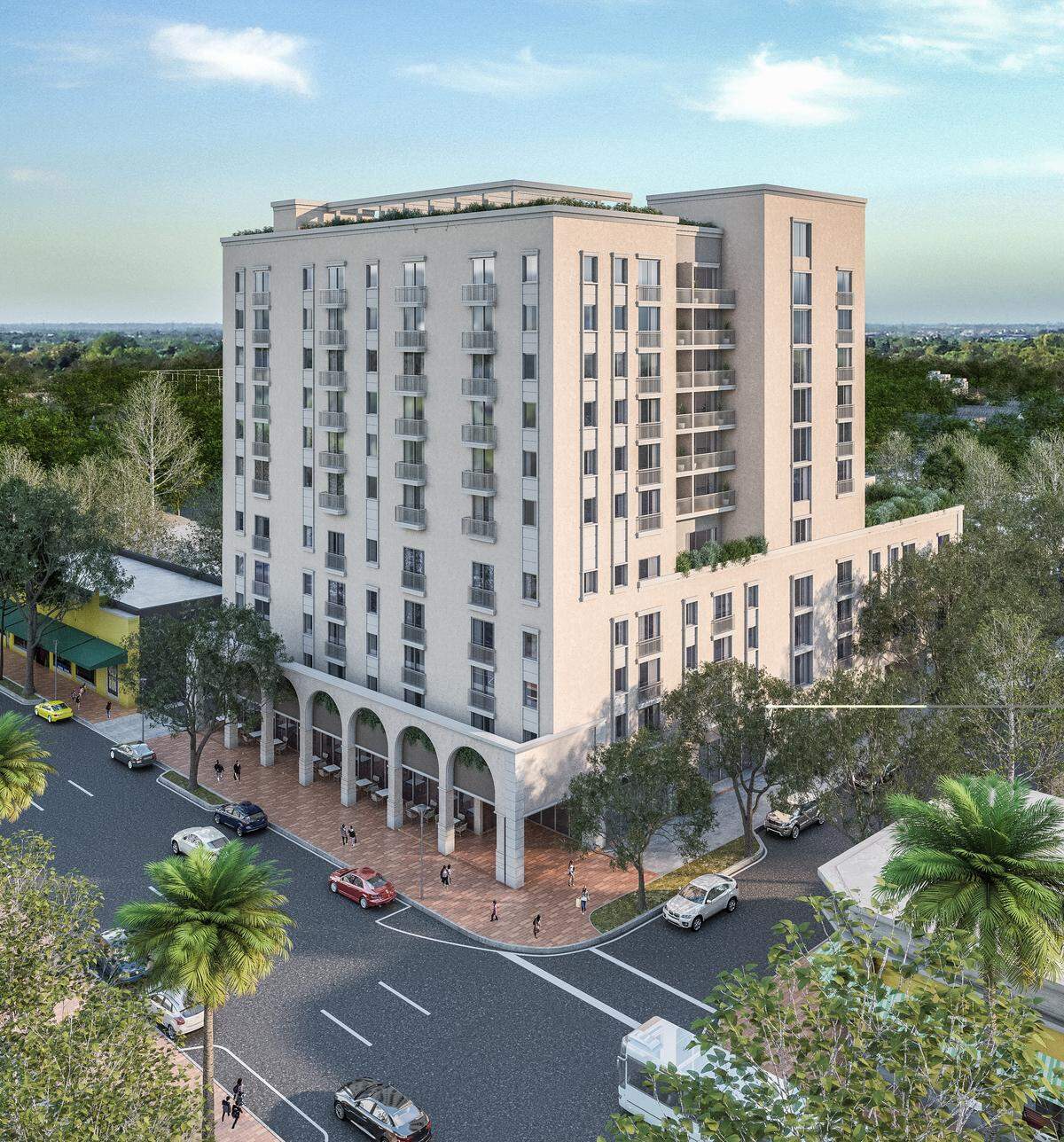
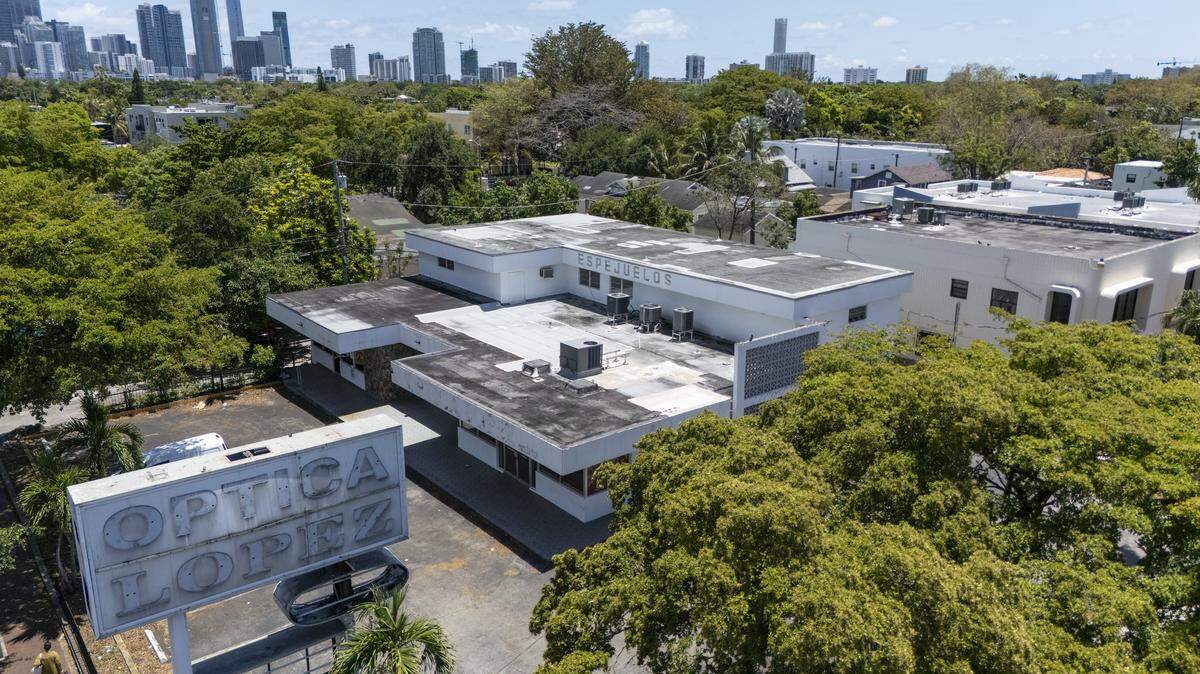
Shoshani will build on a property on Southwest Eighth Street and 13th Street that was long home to Optica Lopez, a family-owned optometrist practice and eyeglass store that is moving close by. The family put the property up for sale last year, and Carollo said he pushed the city to buy it. In December, the city closed on the $5.9 million purchase, which includes a second property at the rear that was also owned by the Lopez family.
Shoshani’s plan calls for 5 studios, 91 one-bedroom apartments and 20 two-bedroom apartments, about 7,000 square feet of ground-floor retail and a garage with 90 parking spaces.
Almost directly across the street is a vacant lot, which the city purchased for $9.5 million in March of 2025, that Swerdlow plans to lease for one of his two towers under the agreement Carollo oversaw. The second Swerdlow site is a row of abutting vacant lots and commercial buildings on the 900 block of Calle Ocho for which the city paid a combined $14.5 million in August. The money for both purchases came from an affordable housing fund under the city’s 2017 Miami Forever Bond program.
Swerdlow’s plan, still under design, calls for a total of 300 fully affordable studios and one-bedroom apartments in two 12-story buildings for seniors, ages 55 and up, who make up to 60% of area median income. He said he hopes to negotiate a land lease for 99 years and start construction in a year.
“Joe called me to his office,” Swerdlow said in an interview. “He said he’s leaving and he wants to make sure the seniors are taken care of. It’s a totally good social endeavor on our part.”
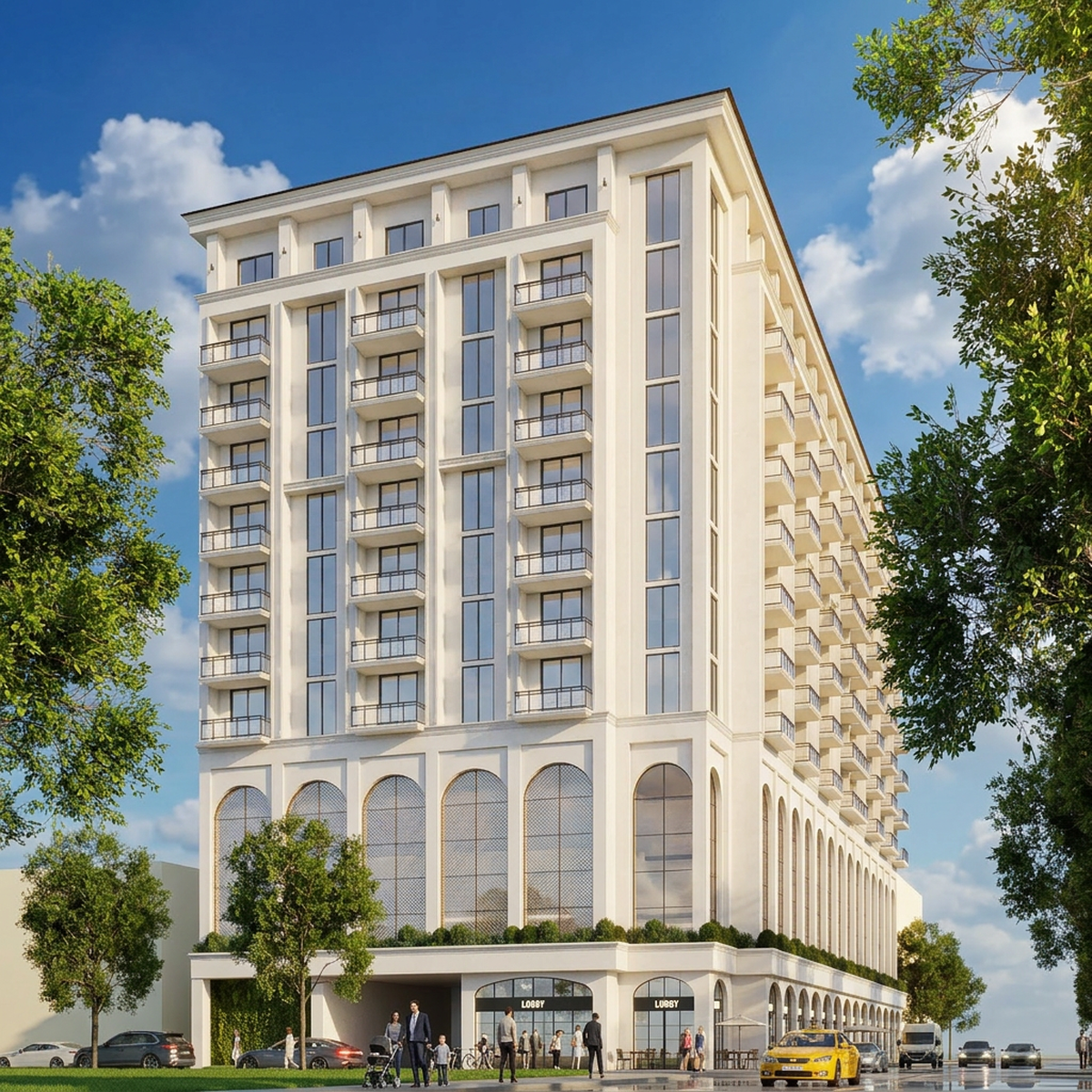
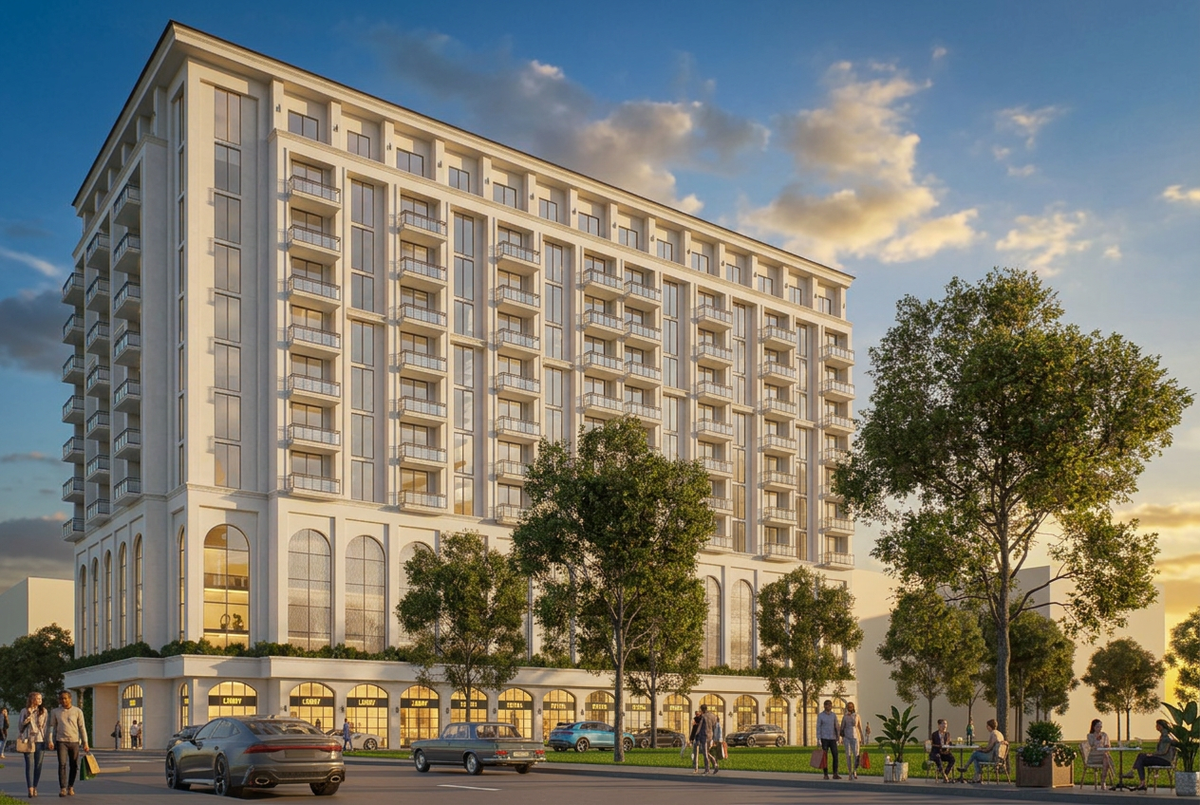
Dorra plans to build a 12-story building with ground-floor retail and a garage on land the city deeded over to him at Southwest Seventh Street and 12th Avenue. The city had purchased the land for $2.25 million in 2019, but it has since sat vacant. The Miami-Dade County property appraiser’s website lists its current market value at $2.49 million.
In his email to the Herald, Dorra said Carollo and then-City Manager Art Noriega suggested the deal could be a money saver. The idea, Dorra said, is that he could lower costs on developing the lot by using the same building contracts he already has from his other ongoing construction project nearby, rather than negotiating likely costlier terms for the new one. With that, and depending on financing and city and federal funding, Dorra said, he could bring down rent levels at some of the apartments to as low as 50% of area median income.
Carollo, a former mayor who served two four-year terms as district commissioner after a long time away from electoral politics, said he had hoped to earmark even more land in the district for housing. But he complained that much of his time in office was spent fighting lawsuits filed by two Little Havana property owners who were ultimately awarded millions of dollars on claims that Carollo had improperly used his city powers to shutter and harass their businesses over code violations.
“I would have had even more land that would have gone to affordable housing,” he said. “But most of my time was eaten away fighting these people and the Herald, which was their biggest cheerleader, to hang Joe Carollo.”
Now, he noted, there’s nothing more he can do.
“I hope these three developers come through,” he said. “It’s up to the commission to see that they do.”
This story was originally published April 27, 2026 at 2:27 PM.